
Table Of Contents:
- Animal Collective – Feels
- At The Drive-In – This Station Is Non-Operational
- Audioslave – Out Of Exile
- Beastie Boys – Solid Gold Hits
- Daft Punk – Human After All
- Foo Fighters – In Your Honor
- Judas Priest – Angel Of Retribution
- Kanye West – Late Registration
- LCD Soundsystem – LCD Soundsystem
- The Mars Volta – Frances The Mute
- Nick Cave & The Bad Seeds – B-Sides & Rarities Part I
- Nine Inch Nails – With Teeth
- Paramore – All We Know Is Falling
- Porcupine Tree – Deadwing
- Queens Of The Stone Age – Lullabies To Paralyze
- The Strokes – First Impressions Of Earth
- Weezer – Make Believe
- The White Stripes – Get Behind Me Satan
Animal Collective – Feels
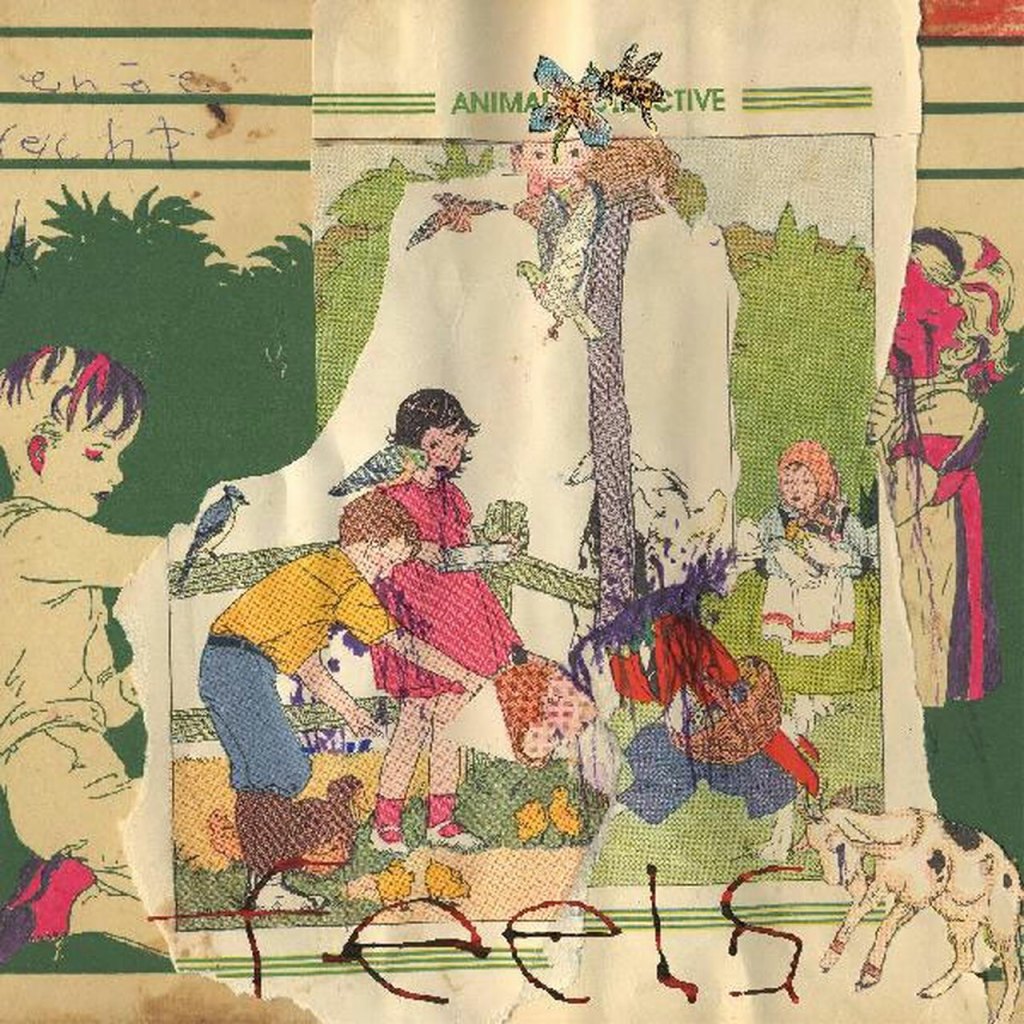
AnCo inches closer towards accessibility.
On the band’s previous album, Sung Tongs, Animal Collective had started to venture into slightly more conventional territory, after highly experimental albums like Spirit They’re Gone, Spirit They’ve Vanished and Here Comes The Indian. Sung Tongs was far from containing the types of songs you’d hear on any radio stations and still found itself deep in woods of freak folk, but Avey Tare and Panda Bear were starting to unearth some beauty in their acid-soaked sound.
Feels takes things even further into pop territory, with their most accessible and prettiest album yet. The band has still retained their knack for experimentation, but these songs are more properly-formed and possess a gentle, hushing, folklore-like aesthetic to them.
Did You See The Words invites you upon a journey into a whimsical world — one where you might stumble upon a certain type of mushroom and be taken into a new dimension. Lead single Grass is just as enchanting, and basks the listener in sounds that are both frightening and comforting. The Purple Bottle is sustained by its propulsive drums. Banshee Beat resonates, as if it were being played inside of a cave — in the presence of a mystical bonfire. Loch Raven lullabies the listener, and resembles the sound of the band’s (retroactive) debut, Spirit They’re Gone, Spirit They’ve Vanished.
Easily the band’s best work up until this point.
90 / 100
At The Drive-In – This Station Is Non-Operational
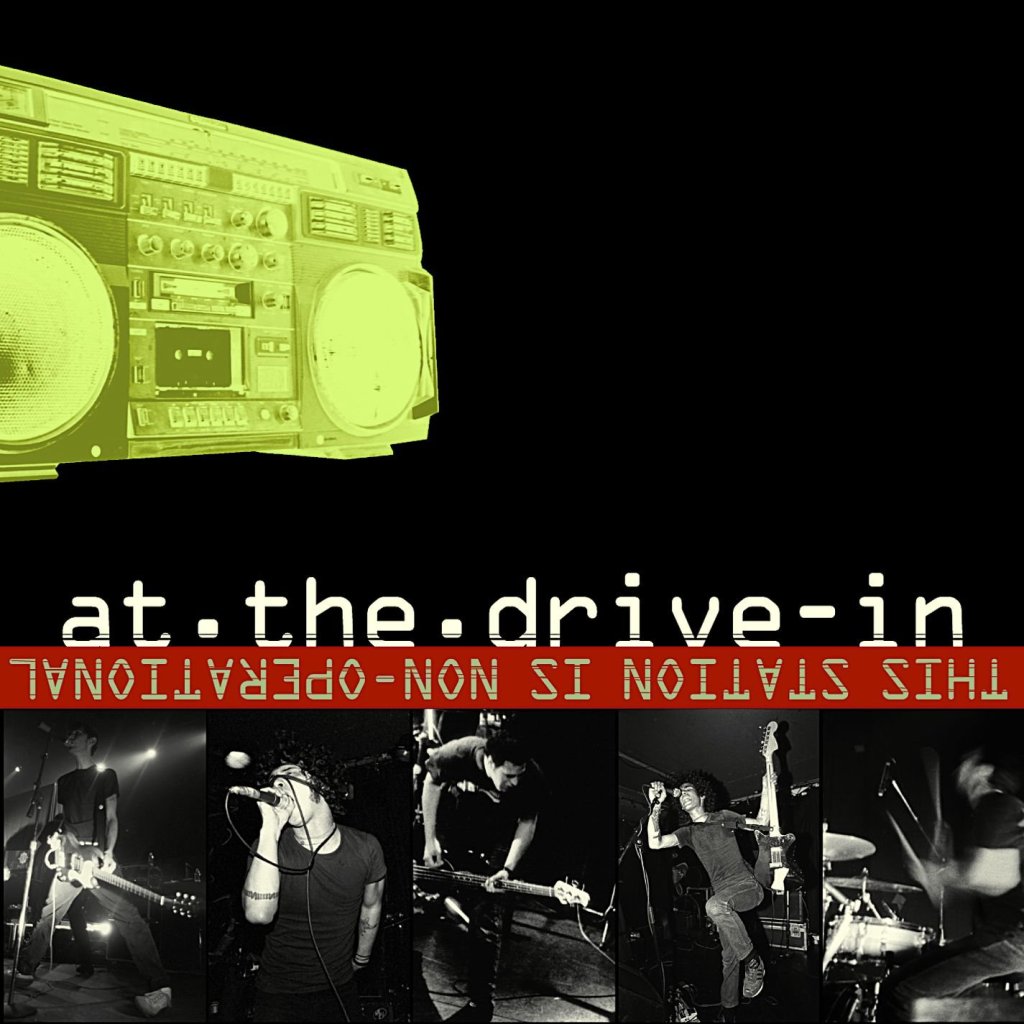
At The Drive-In releases a compilation album of hits, remixes and rarities.
Released a few years after At The Drive-In had broken up (likely capitalizing on the recent success of ex-members Omar Rodríguez-López and Cedric Bixler-Zavala’s new band, The Mars Volta), This Station Is Non-Operational is a great starting point for those looking to get into At The Drive-In’s influential post-hardcore sound.
The compilation is in chronological order, starting with Fahrenheit and Picket Fence Cartel from the 1997 El Gran Orgo EP. There are four tracks from 1998’s In/Casino/Out: the scorching Chanbara and Pickpocket, and the more melodic Lopsided and Napoleon Solo. The 1999 Vaya EP is represented by three songs: the bass-groovy Metronome Arthritis, the somber 198d and a remix of Rascuache. Only three songs from the band’s 2000 magnum opus Relationship Of Command are here: One Armed Scissor (the band’s signature track), Enfilade and Non-Zero Possibility — no sign of Invalid Litter Dept.
For rarities, there’s Icetardis (the One Armed Scissor single), Doorman’s Placebo and Autorelocator (from two different split singles), a cover of The Smith’s This Night Has Opened My Eyes, and BBC session recordings of Initiation and a cover of Pink Floyd’s Take Up Thy Stethoscope And Walk (both from the Invalid Litter Dept. single).
There’s nothing from the band’s debut album, Acrobatic Tenement (it’s pretty rough relative to everything that came after), a few key tracks are absent, and there are a couple of rarities missing (Extracurricular, Catacombs), but otherwise this is a fairly comprehensive single disc set for those not yet ready to explore the band’s entire discography (though I would recommend doing so).
90 / 100
Audioslave – Out Of Exile
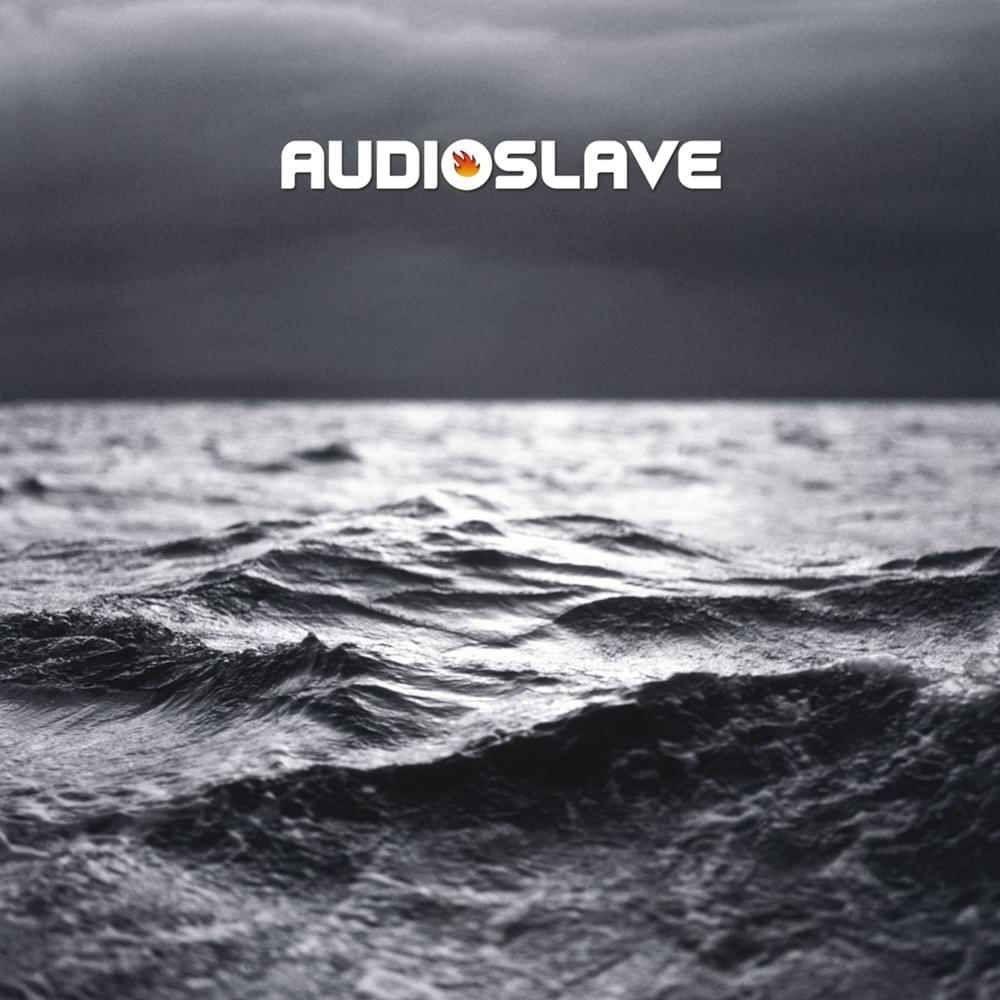
Audioslave starts finding their own sound.
Where some argued that a lot of Audioslave’s debut felt too much like Rage Against The Machine with Chris Cornell on vocals (which isn’t really such a bad thing), Out Of Exile has the band trying to move on from the past and form a more distinct sound, emphasizing melody — but without foregoing the heaviness either.
Your Time Has Come is a Cochise-like rocker that the album opens up on. The empowering lead single, Be Yourself, is one of the band’s signature songs. The title track’s military-like drum intro, the mellow verses and Tom Morello’s riffs make for a highlight. The optimistic nostalgia of Doesn’t Remind Me could almost lead to something bordering on saccharine, but the band knows when to even things out by turning the distortion up and rocking out — a sweet song with a child-like innocence.
While Out Of Exile doesn’t sound that different from Audioslave’s debut outside of a few more melodic moments, it still has plenty of good songs and finds Chris Cornell still getting along famously with the ex-RATM guys.
75 / 100
Beastie Boys – Solid Gold Hits
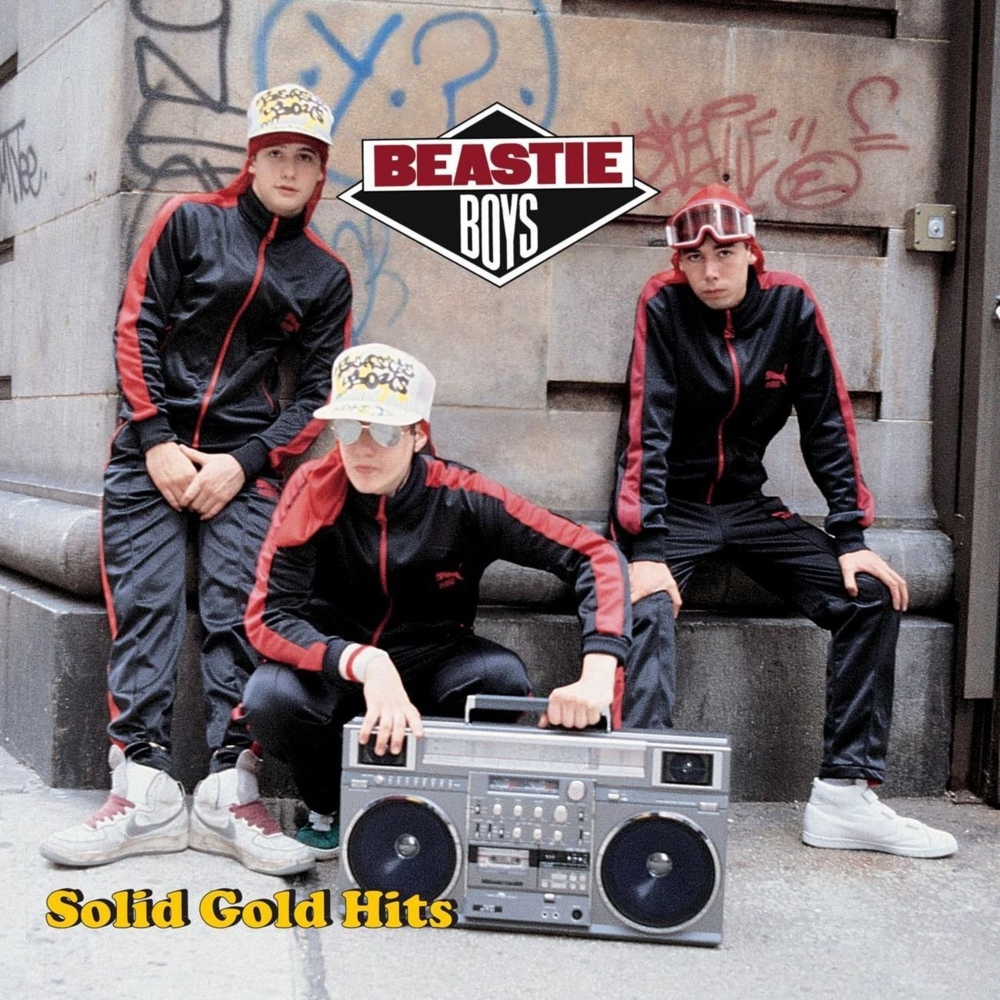
Beastie Boys release a greatest hits of their most well-known singles.
Compared to Beastie Boys’ 1999 anthology album, The Sounds Of Science, which featured a plethora of tracks ranging from hits and deep cuts to b-sides, remixes and rarities, Solid Gold Hits solely focuses on the band’s singles (other than Shake Your Rump), providing a fairly predictable collection of songs.
Beastie Boys’ influential 1986 debut, Licensed To Ill, is represented by three of the bands most well known anthems: Brass Monkey, No Sleep Till Brooklyn and Fight For Your Right, the latter two of which had massive crossover success between rock and rap, and featured Kerry King of Slayer on lead guitar. The only tracks present from Paul’s Boutique (the band’s magnum opus) are Hey Ladies and the aforementioned Shake Your Rump, which traded places with Shadrach (which actually was a single). From 1992’s Check Your Head, we have So What’cha Want and Pass The Mic, and from 1994’s Ill Communication, we have Root Down, Sure Shot and Sabotage. Two songs from 1998’s Hello Nasty are on the compilation: Intergalactic and the Fatboy Slim remix of Body Movin’. As for To The 5 Boroughs (Beastie Boys’ most recent album before the release of Solid Gold Hits), there’s Ch-Check It Out, Triple Trouble and An Open Letter To NYC.
Solid Gold Hits is a solid entry-point for those curious about the Beastie Boys, but it’s lacking some key singles (Paul Revere, Jimmy James, Gratitude, Get It Together) and anything unique to this compilation, making it rather superfluous — and by focusing only on hits, it means there’s a lot of the band’s most essential music missing from here. However, if you just want to have a good time and throw on the band’s best-known hits, then Solid Gold Hits has you covered.
80 / 100
Daft Punk – Human After All
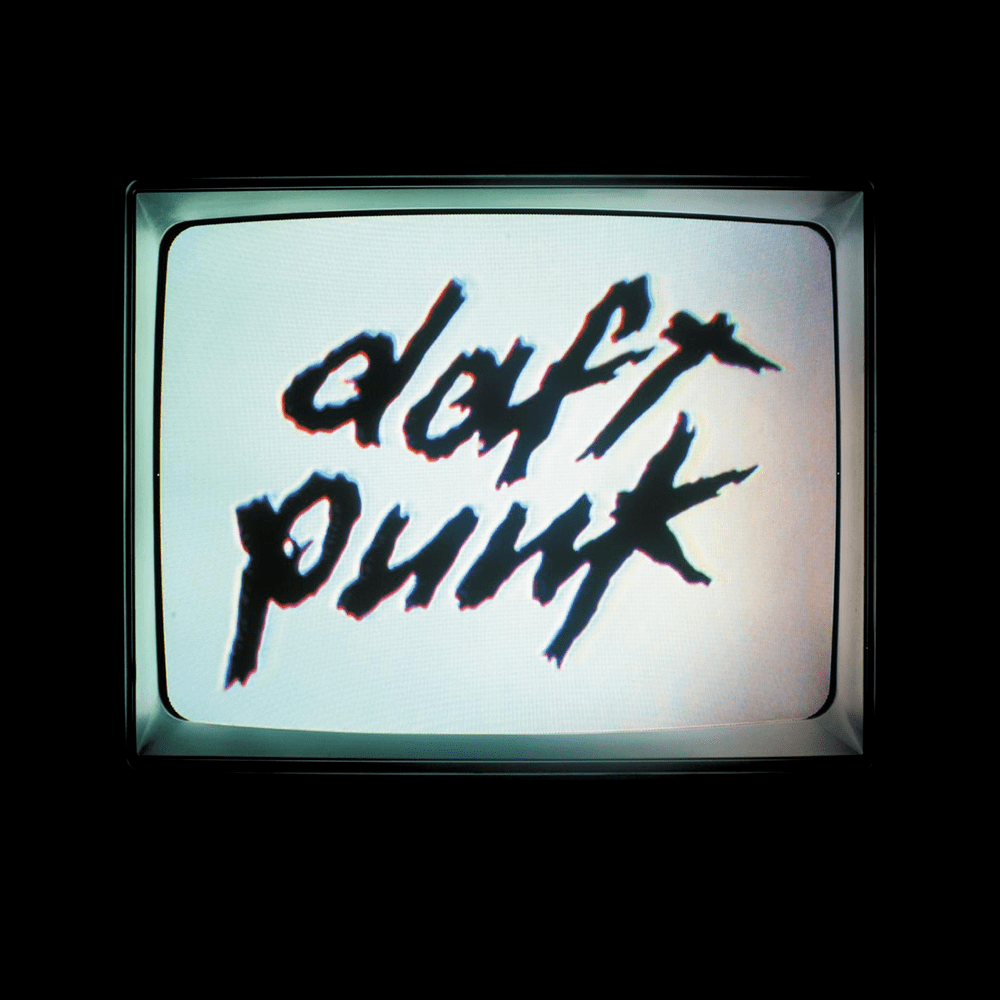
Daft Punk proves that they are just human after all.
After releasing their nu-disco masterpiece Discovery, Daft Punk had become one of the most famous musical duos in the world. With Daft Punk’s third album, Human After All, they fall a little short of their usual standard with a collection of underdeveloped and repetitive songs — though, that is also part of its charm.
The title track is a Daft Punk classic and Robot Rock is a great song, although the latter is basically just Release The Beast by Breakwater with minimal changes made to it. The Prime Time Of Your Life has a change midpoint, where everything starts getting progressively faster until its just a blur of noise. Steam Machine and The Brainwasher are interesting industrial experiments, but both of them can get stale after a couple of minutes. Technologic is a song you’ll either love or hate.
Due to the repetitive nature of the songs and the overall lack of samples (outside of Robot Rock), Human After All feels a lot more bland than Homework or Discovery, but it does get points for trying something new and for some good ideas.
75 / 100
Foo Fighters – In Your Honor
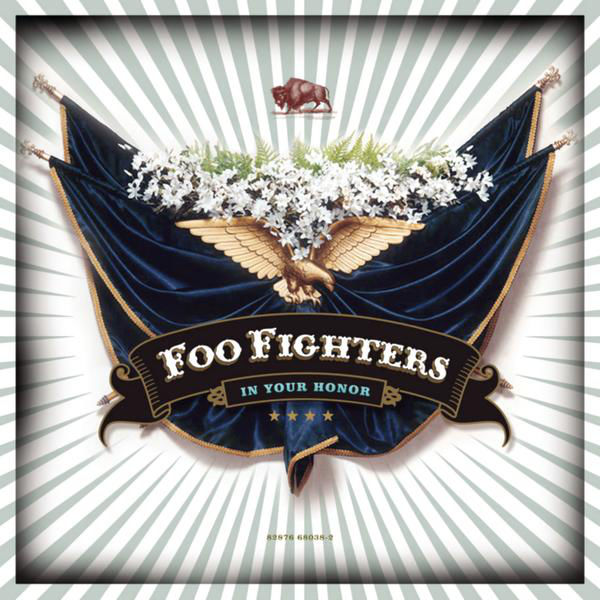
Foo Fighters release a half electric/half acoustic double album.
For Foo Fighters fifth album, they’ve released a double album with one disc of more typical Foo Fighters rock and another of stripped-down acoustic tracks.
On the electric side, there’s the title track, which builds up like an intro leading into the triumphant No Way Back. Lead single Best Of You is one of the band’s most well-known radio hits, as is DOA. The rest of the songs on this half of the album are all similar hard rockers, with The Deepest Blues Are Black being a highlight.
On the acoustic side (which had no singles), there’s the Nirvana-like Friend Of A Friend, as well as Razor, the latter of which features the exquisite acoustic guitar stylings of Queens Of The Stone Age’s Josh Homme (and Dave Grohl’s former bandmate in said band). Drummer Taylor Hawkins trades drums for vocals with Dave Grohl on Cold Day In The Sun.
At 20 songs, In Your Honor is a long album, and probably could have been condensed into one amazing album, but as it is, it’s still a fairly good double album that has the band trying something new and doing it well.
70 / 100
Judas Priest – Angel Of Retribution
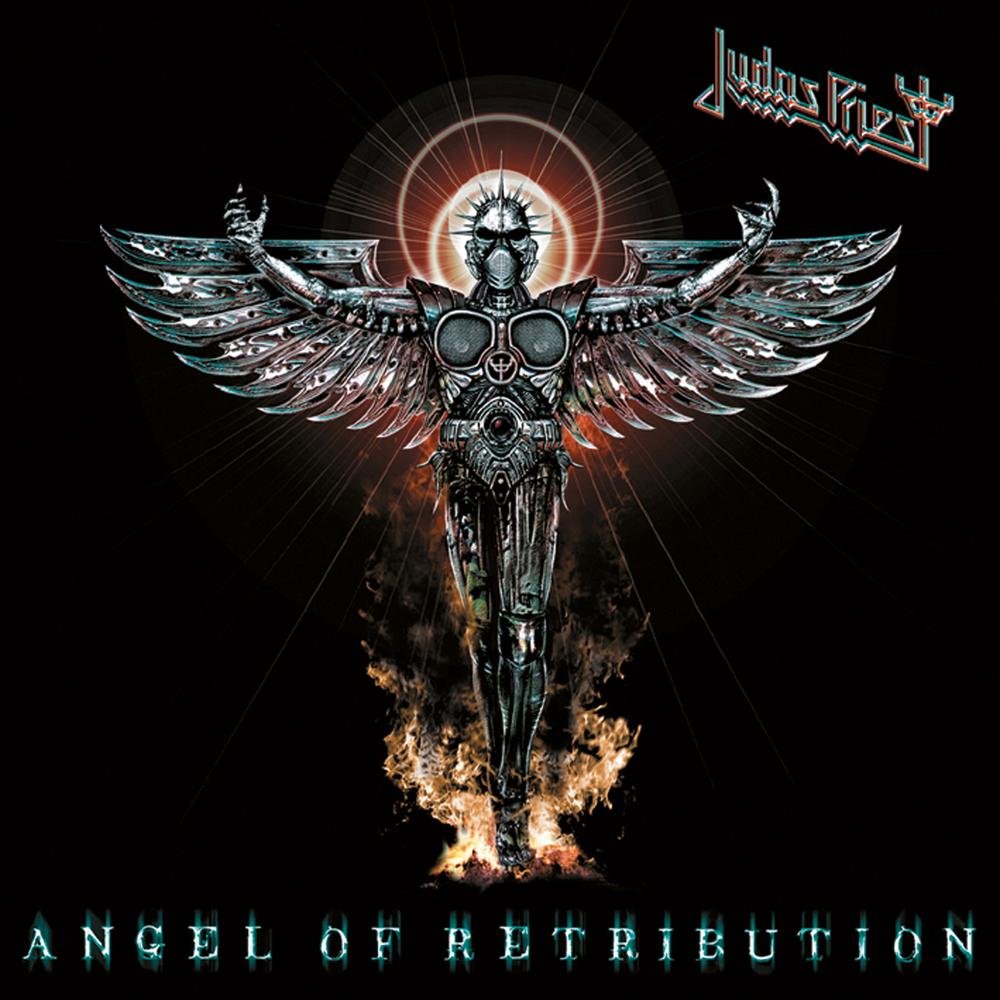
Rob Halford returns to Judas Priest.
Following Rob Halford’s departure from Judas Priest in the early 90s, Tim “Ripper” Owens had joined the band, with whom they had recorded two critically-panned albums. By the early 2000s, it seemed like all hope was lost for Judas Priest, but then after the success of Bruce Dickinson’s reunion with Iron Maiden, it seemed wholly possible that the same thing could happen for the Birmingham legends too.
In 2003, Rob Halford was back into the fold, completing Judas Priest’s Painkiller lineup (Rob Halford, Glenn Tipton, K.K. Downing, Ian Hill, Scott Travis) and the band started work on a new album soon after.
Judas Is Rising roars out of the gate, feeling like a continuation of Painkiller‘s sound. Deal With The Devil, Demonizer and Hellrider all sound like classic Priest bangers. Revolution has a bluesy riff that sounds similar to Jane’s Addiction’s 1988 track, Mountain Song, though it was apparently written prior to that. Angel and Eulogy are ballads that are actually quite complimentary to the album. The album ends with a 13 and a half-minute long epic, Lochness, which is grandiose and theatrical — and sure, it may drone on and verge into Spinal Tap levels of self-parody, but it’s also one of the band’s most ambitious (and longest) songs.
Angel Of Retribution isn’t quite on the level of any of Priest’s best albums, but it’s a far greater reunion album than it could have been.
75 / 100
Kanye West – Late Registration
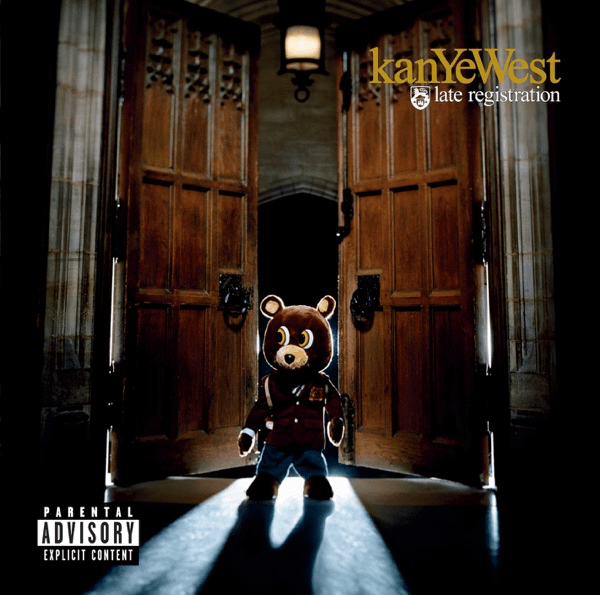
Kanye West proves that The College Dropout wasn’t a fluke.
While it took Kanye 5 years to get The College Dropout made, lightning had struck twice in quick succession, with the equally stellar Late Registration arriving only one year later.
Having proven himself as more than just a producer on his debut album, Kanye had finally won over his critics and became a critical darling, as well a the hottest thing in rap music — pushing the genre forward and defying conventions and expectations.
While The College Dropout had already used strings and chipmunk soul samples, Late Registration dives deeper into orchestral music, making it more than just a repeat of its predecessor and giving itself its own identity, while still expanding on that album’s blueprint.
The opening track, Heard Em Say, is the only song Adam Levine has ever appeared on that didn’t make me want to puncture my eardrums with a cotton swab, and proof that Kanye West can take one of the most annoying pop stars of the day and make them bearable for a few minutes. The Curtis Mayfield sampling / Lupe Fiasco featuring Touch The Sky is an instant classic, as is the Ray Charles / Jamie Foxx joint, Gold Digger, which has been Kanye’s biggest hit yet.
Crack Music explains how slinging records is the new drug dealing for 21st century African Americans. Where Kanye’s mentor, JAY-Z, was actually selling crack prior to his music career, Kanye had helped to break the mould of rap music being a gangster / drug dealer-dominated music genre. Addiction has Kanye posing the question of why everything that’s supposed to be bad makes him feel so good, looking inwards to the addictions and vices (sex, drugs, money, power) that may harm ourselves and/or others in the pursuit of temporary bliss. Diamonds From Sierra Leone (which has both an original version and a more well-known remix with JAY-Z) is one of Kanye’s most poignant tracks, making the juxtaposition between black Americans buying diamonds with drug money and the Africans who die mining said diamonds (“over here, we die from drugs, over there, they die from what we buy from drugs”).
We Major is the longest song on the album, and features a killer instrumental and an appearance from New York hip-hop legend, Nas. Hey Mama is an ode to Kanye’s mother, Donda West, who is Kanye’s guiding light and shows a vulnerability and adoration for his mother that most rappers prior to him would never have dared to show. And then there’s still Drive Slow, Roses, Celebration, Gone, Late… This album is absolutely packed with incredible songs.
While the album is front-loaded with the big singles, the album never manages to lose any steam through it’s 20+ song tracklist. The album is full of introspection, social issues that plague the black community and hooks galore, and is easily one of the greatest, lushest and most cohesive hip-hop albums of all time. Trying to top The College Dropout was nigh impossible, and while I wouldn’t say that Late Registration is necessarily better, I’d say that it’s just as incredible as its predecessor.
100 / 100
Trivia: Late Registration won Best Rap Album at the 48th Annual Grammy Awards.
LCD Soundsystem – LCD Soundsystem
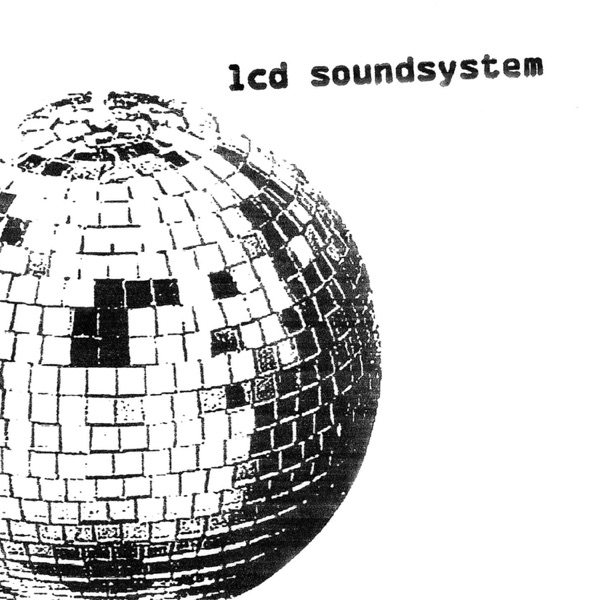
The definitive dance rock band of the 21st century is born.
Lead by James Murphy, who is credited on the album for “most sounds”, LCD Soundsystem evokes the spirit of partying and having a good time, but without being devoid of the emotion and intellect that so much dance music is lacking in.
The album comes roaring out of the gate with Daft Punk Is Playing At My House, which is one of the band’s most identifiable songs. Too Much Love displays some of the Talking Heads influence that inevitably would have found Murphy, as a fellow New York band. Tribulations is a banger propelled by its fuzzed-out bass. Movement demonstrates the band’s punkier roots (another seminal NYC influence), showcasing the harder edge of the band, that is devoid from typical dance bands.
Never As Tired As When I’m Waking Up reminded me of The Beatles’ Dear Prudence, showing yet another influence behind the band’s sound. Disco Infiltrator features the types of bleeps and bloops that would make Kraftwerk proud. Losing My Edge can be found on the two disc version of the album, which was the band’s first single, released 3 years prior to the album.
This album is the start of something real groovy.
85 / 100
The Mars Volta – Frances The Mute
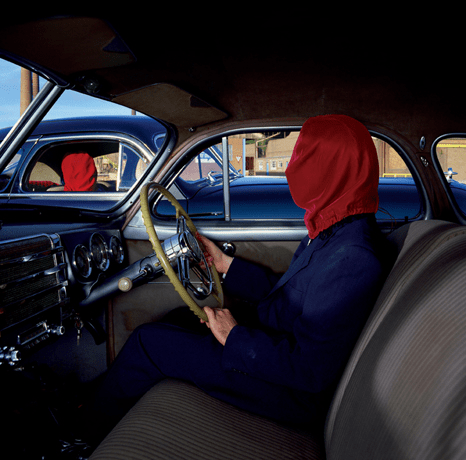
The Mars Volta doubles down on the progressive rock of their debut.
After finding success with their unique, chaotic brand of prog rock on De-Loused In The Comatorium, The Mars Volta had two options they could have pursued on their next album: a) ease into a more commercial and accessible sound or b) go in an even more experimental direction. The band boldly chose the latter and crafted an album that, while not necessarily better than its predecessor (I think both albums are equal in greatness), was arguably even more ambitious than it was.
The title track was unfortunately omitted from the final album, as its inclusion would have resulted in the album exceeding the time limit of a CD, but it is just as essential as the rest of the tracks. The actual opener, Cygnus….Vismund Cygnus, is an epic with many moving parts and tempos and has an ambient electronic ending, which Omar Rodriguez-López has shown a penchant for since the At The Drive-In days.
The lead single, The Widow, is a haunting ballad with a wonderful Cedric Bixler-Zavala vocal. The song is one of the band’s greatest pop moments, giving further proof of the dynamism that prog bands have been able to achieve ever since the beginning of the genre’s roots, with resident ballads appearing as early as on prog’s first opus, King Crimson’s In The Court Of The Crimson King (in this case, Epitaph). Flea of Red Hot Chili Peppers appears on the trumpet on this song.
Speaking of Chili Peppers, John Frusciante also returns from De-Loused, featuring on L’Via L’Viaquez, providing two guitar solos. The song also incorporates slowed down salsa sections sporadically, and allow’s the band to indulge in its Hispanic roots. Miranda That Ghost Just Isn’t Holy Anymore is the album’s Moonchild — there is great beauty in the ambience and weightlessness of the song.
And that brings us to Cassandra Gemini, a gargantuan track, which was supposed to be one ~32 minute long song, but the bastards at Universal twisted the band’s hands and made them edit it down into 8 short songs. This song condenses the ideas of an entire album into one piece and is one of Omar Rodriguez-López and Cedric Bixler-Zavala’s greatest compositions. The album ends with the acoustic motif that commenced the album, tying up the concept nicely.
A masterpiece and one of the greatest prog albums in the genre.
100 / 100
Nick Cave & The Bad Seeds – B-Sides & Rarities Part I
Nick Cave & The Bad Seeds release this comprehensive collection of b-sides and rarities from the band’s 20 year career.
Consisting of b-sides, acoustic renditions, alternate versions, and live versions of songs dating from 1984 to 2004, B-Sides & Rarities Part I is a treasure trove of Nick Cave & The Bad Seeds classics.
Among the best tracks here are The Six Strings That Drew Blood (a re-recording of a Birthday Party track), the savage critic-takedown Scum (which appeared on some versions of Your Funeral… My Trial) and The Boatman’s Call era b-sides: Little Empty Boat and Come Into My Sleep.
An essential collection for any fans of Nick Cave & The Bad Seeds.
80 / 100
Nine Inch Nails – With Teeth
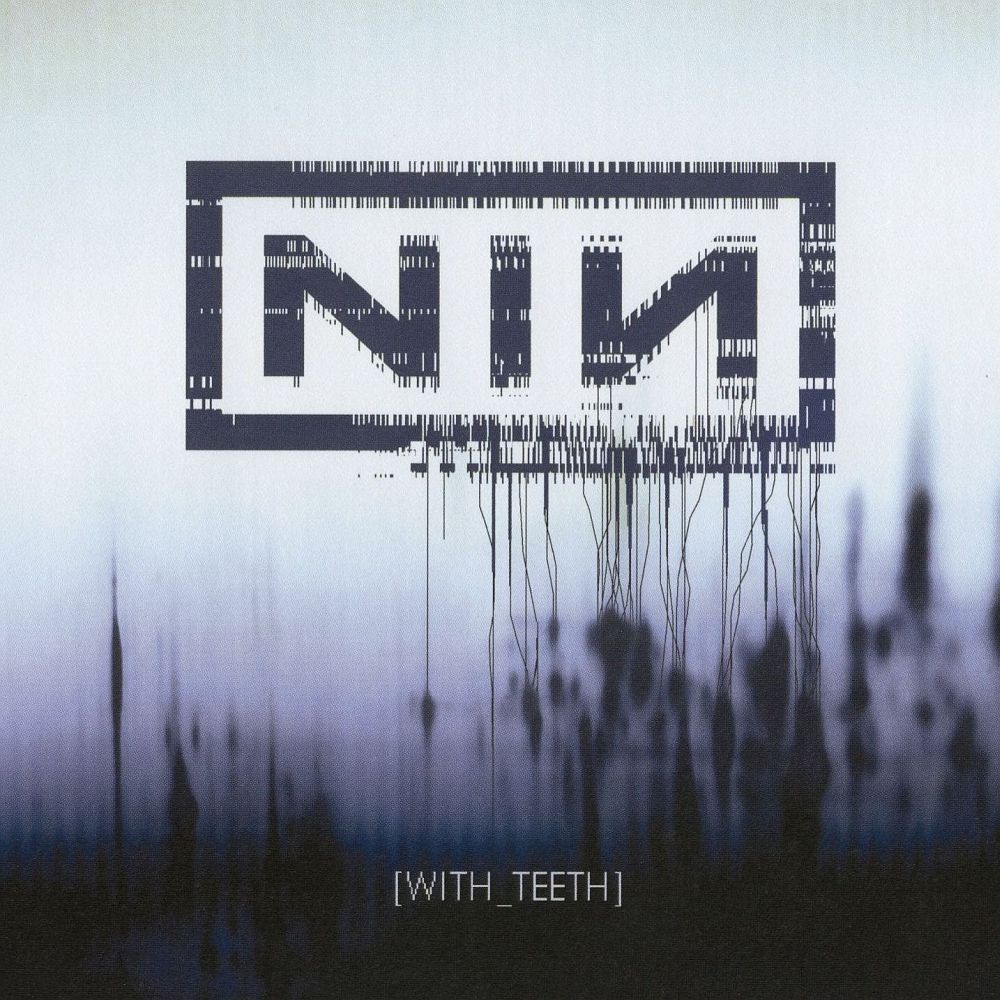
Nine Inch Nails returns with their first album in six years.
After releasing three critically-acclaimed albums and an influential EP between 1989-1999, Trent Reznor was one of the biggest musicians of the decade, but hiding behind all that success was drug addiction and despair (which also fuelled the music). On With Teeth, Trent Reznor has gotten clean, curbed his demons and is back to work — with help from Dave Grohl on the drums.
All The Love In The World is a strong, albeit restrained opener — the listener just waiting for the chaos to erupt, which happens soon after on You Know What You Are? Dave Grohl’s drumming drives The Collector; a song where Trent Reznor sounds mad and let’s out some Bowie-esque piano flourishes. The Hand That Feeds is one of NIN’s biggest hits yet — a danceable industrial rock song and one of the band’s most accessible songs since Pretty Hate Machine. The saturnine Every Day Is Exactly The Same is another one of the band’s best songs yet.
Having gotten sober prior to the recording of With Teeth, one might think that the inspiration would be gone, but Reznor’s newfound sobriety doesn’t seem to be a hindrance on the music. And yeah, it’s not as intense, vivid or gritty as anything from The Downward Spiral, and isn’t quite as stacked as some of those older albums, but With Teeth is still a fantastic return from NIN after a half-a-decade-long absence.
80 / 100
Paramore – All We Know Is Falling
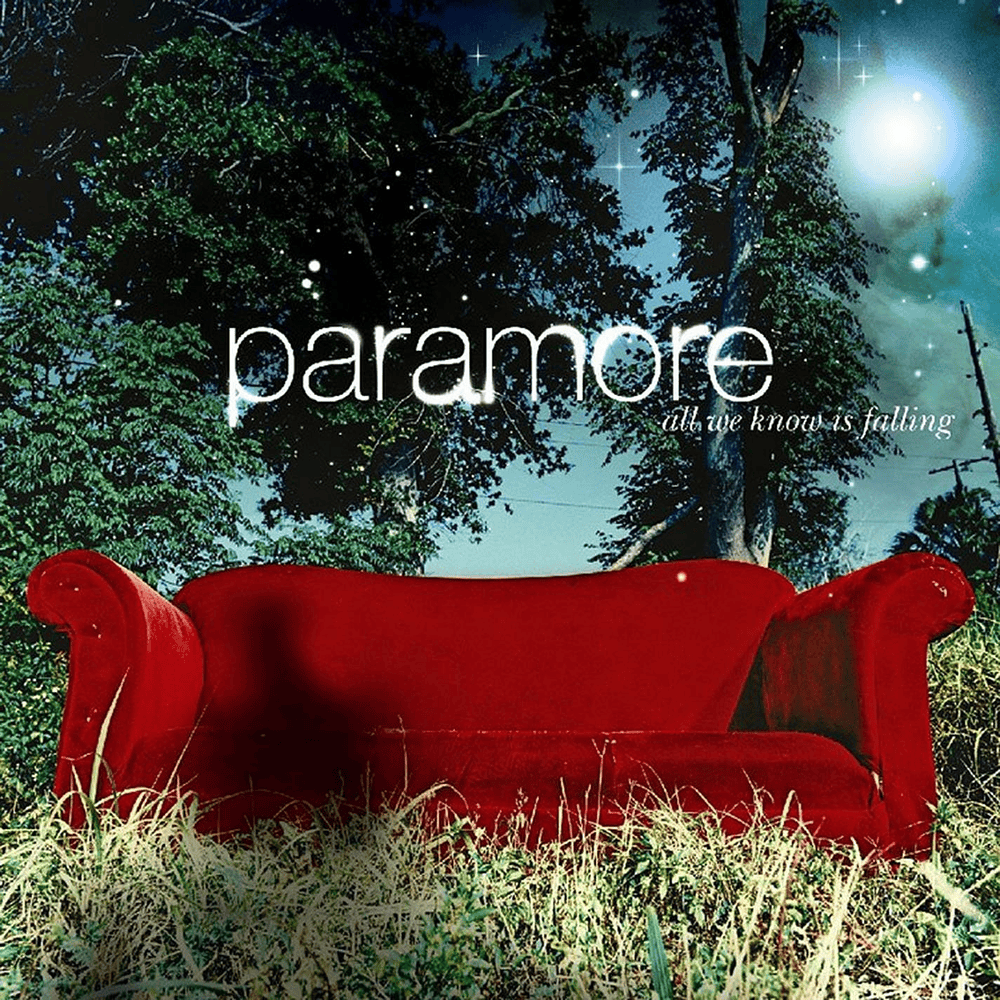
Paramour.
Paramore is a pop punk / emo band from Tennessee, U.S.A., fronted by vocalist Hayley Williams. The band is named after the last name of a previous band member, but sounds like “paramour”, which means secret lover in French.
I’ve never been too fond of the pop punk or emo genres, but Paramore is definitely one of the better bands I’ve heard doing this style of music. Nothing here is overly memorable or strays too far from typical pop punk, but Hayley Williams’ vocals are terrific and the band is fairly tight as a unit. Instead of just power chords, you get some arpeggios as well, which adds to the songs. Highlights include All We Know and Emergency.
Nothing spectacular, but a strong debut with a solid foundation to work off of.
70 / 100
Porcupine Tree – Deadwing
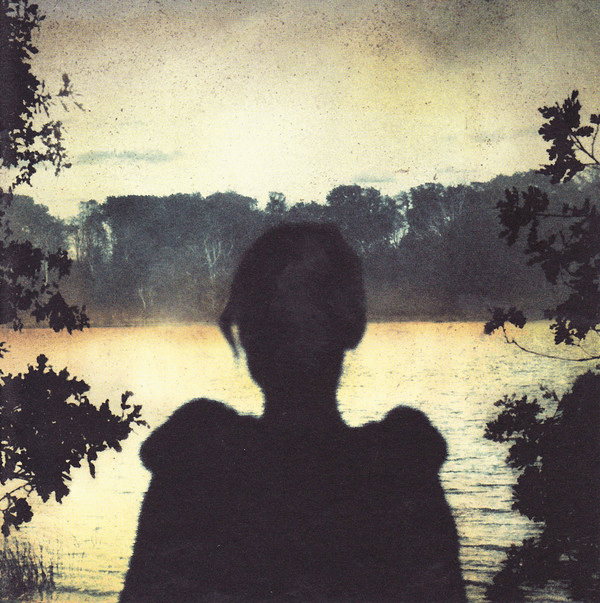
Porcupine Tree releases the soundtrack to a film that was never made.
After releasing their strongest album to date with In Absentia, Deadwing finds the cult prog band continuing their hot streak of the 2000s with another album of all killer, no filler. Mixing metal, alternative, progressive and pop elements together, this album is their most rounded work yet.
Originally intended as the soundtrack to a film inspired by the works of David Lynch and Stanley Kubrick, Deadwing was supposed to be a ghost story about a mother communicating with her son from the grave, though the concept was dropped due to lack of funding — thus, the film never materialized.
The title track starts with a 35 second build up of synths, before exploding into a cascade of explosive riffs and stellar Gavin Harrison drumming, as well as a guitar solo from Adrian Belew of King Crimson — the song perfectly sets the tone for the rest of the album, with it’s psychedelic atmosphere married to alternative metal guitars.
Shallow was the “big dumb rock song” that should have been a big radio hit, though it did manage to make it onto the soundtrack of the Mark Wahlberg film, Four Brothers. Another disappointment was Lazarus not becoming a hit either, with it’s gorgeous melodies and beautiful piano arpeggios from Richard Barbieri, it could have easily rivalled a Radiohead or Coldplay type piano ballad, but alas, Porcupine Tree were destined for cult status.
For my money, Halo has one of the best bass riffs of the decade, courtesy of the underrated Colin Edwin and includes the second appearance from Adrian Belew on the album. The Start Of Something Beautiful is another song that showcases Edwin’s bass playing. The 12-minute Arriving Somewhere But Not Here is one of the band’s greatest epics and crowning achievements. Mellotron Scratch is a more chilled-out song that slows things down a bit and ends with some Steven Wilson acapella. Open Car is another banger similar to Shallow, with one of the band’s best choruses.
Porcupine Tree could have peaked with In Absentia, but instead, they released a follow-up that was just as incredible in every way, expanding upon that album’s template.
100 / 100
Queens Of The Stone Age – Lullabies To Paralyze
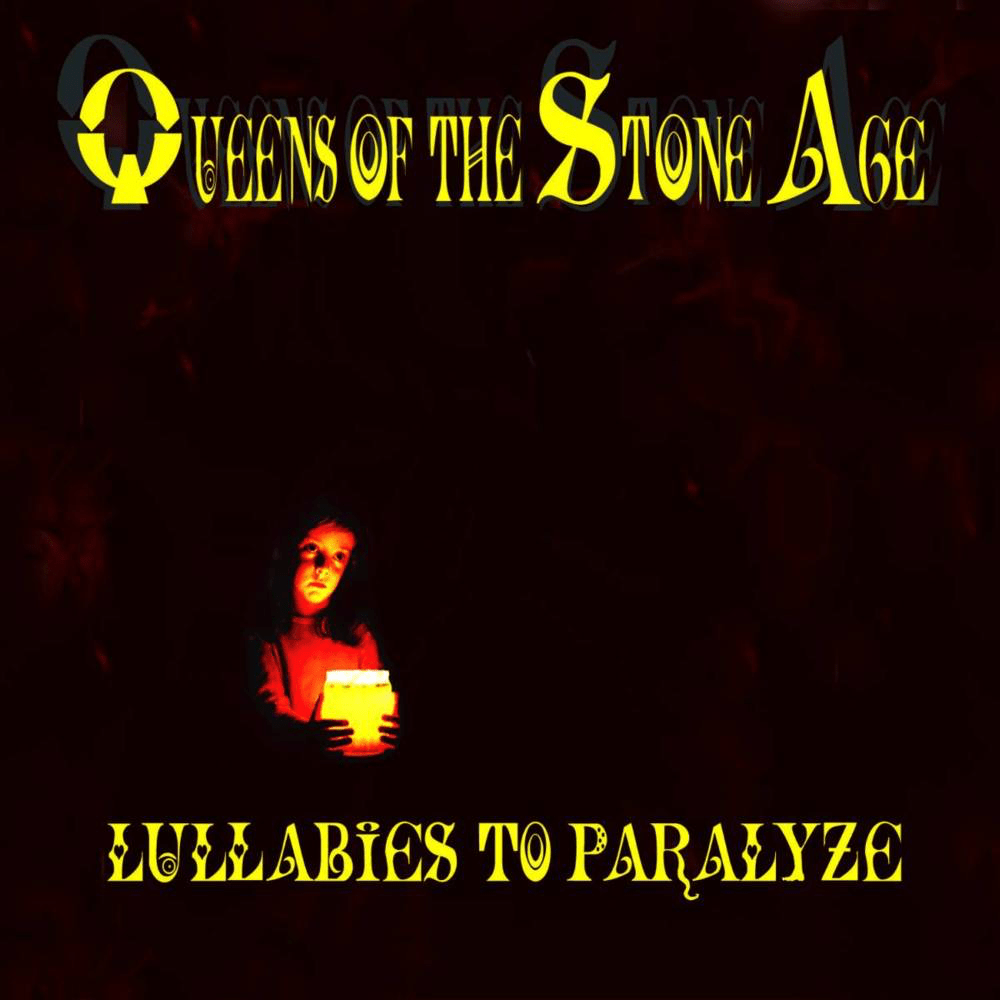
QOTSA leaves the desert for the forest.
After becoming one of the biggest rock bands on the planet with the conceptual hard rock masterpiece Songs For The Deaf, Josh Homme had lost his drummer and bassist and was forced to rebuild the band — Dave Grohl having returned to Foo Fighters and Nick Oliveri kicked out for his drug use and unpredictable behaviour (mirroring his expulsion from his other band with Homme, Kyuss, a decade prior). Mark Lanegan remained, albeit in a more subdued role.
Lullabies saw the addition of Troy Van Leeuwen, Alain Johannes and Joey Castillo, which helped to set the sound of the album apart from the preceding albums, taking the band out of the desert and into the forest.
This Lullaby is an eerie lullaby sung by Mark Lanegan that leads into the adrenalized Medication. Everybody Knows That You’re Insane is a jab at Nick Oliveri, with Josh Homme standing his ground as to why he fired the bass player. Tangled Up In Plaid is a fuzzed out rocker. Billy Gibbons of ZZ Top appears on Burn The Witch (as well as the ZZ Top cover of Precious And Grace that appears on the vinyl and international editions of the album).
In My Head is one of the album’ s more radio-tailored songs (along the lines of Go With The Flow), and originated from The Desert Sessions Volume 10: I Heart Disco as In My Head…Or Something. Little Sister is an instant QOTSA classic and a live staple. Someone’s In The Wolf has some of the album’s most frantic riffing.
The Blood Is Love starts off sounding like carnival music, before going to a repetitive onslaught of heavy riffs. Skin On Skin and Broken Box are both absolutely filthy in all the best ways, from the dirty riffs to Josh Homme’s falsetto. “You Got A Killer Scene There, Man…” exudes some more sexy sleaze. Long Slow Goodbye is a fitting ending to the album and includes a hidden outro.
The Fun Machine Took A Shit And Died was supposed to be on the album and shows in the gatefold, indicating that the tapes were lost or misplaced. The vinyl and Japanese versions of the album also include Infinity, which is a remake of an earlier song from the animated film Heavy Metal 2000.
Another great album from QOTSA. The album may not have received the same acclaim as Rated R or Songs For The Deaf, but it is still easily a highlight of 2000’s rock music.
90 / 100
The Strokes – First Impressions Of Earth
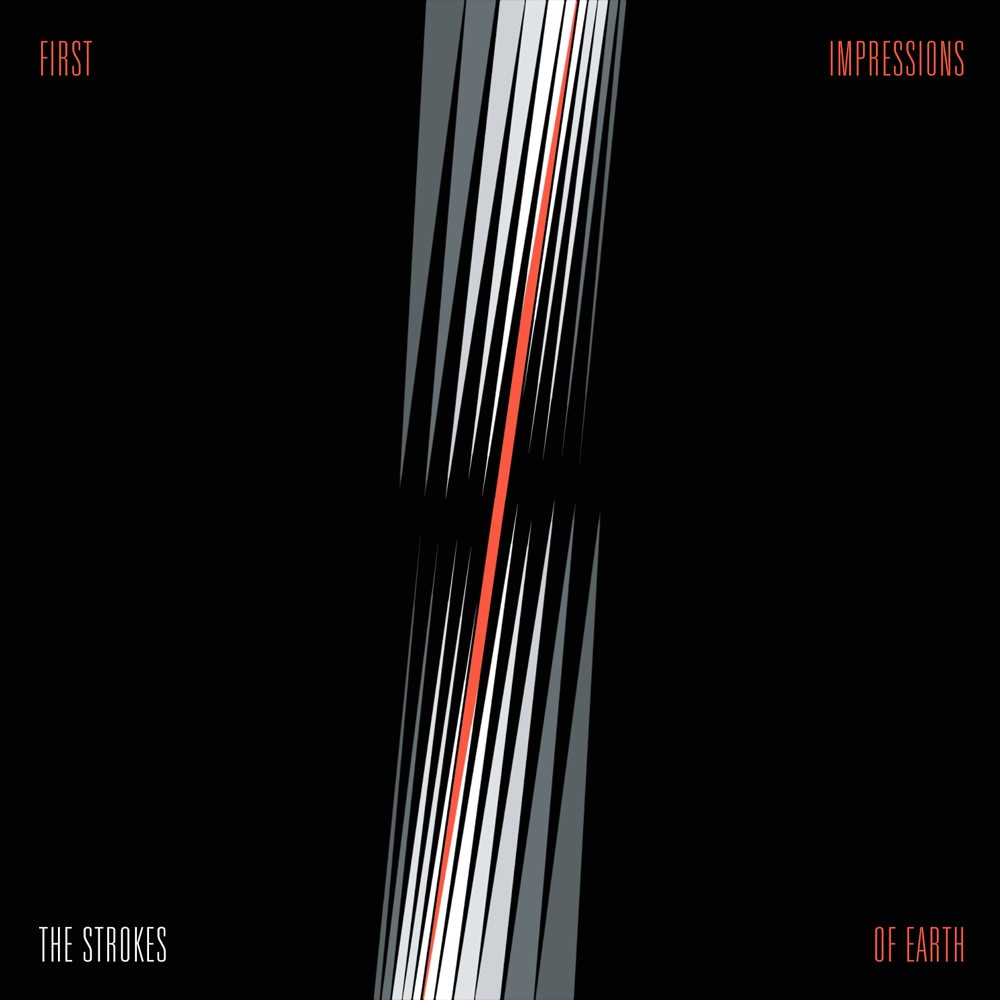
The Strokes move on from producer Gordon Raphael on their transitional third album.
With vocalist Julian Casablancas having been the sole songwriter for every song on Is This It and Room On Fire (other than an Albert Hammond Jr. co-write on Automatic Stop), First Impressions Of Earth features several songs co-written by the rest of the band, signalling a kind of burnout from the frontman.
Gordon Raphael, who produced The Strokes’ first two albums, was initially supposed to produce all of FIOE as well, but after David Kahne was brought into the studio to co-produce, Raphael eventually stepped down. Where the band’s first two albums had a lo-fi charm, First Impressions Of Earth sounds rather flat and dull, lacking in much dynamic. Moving on from Gordon Raphael as producer may have been necessary for the band to grow and evolve, but it makes for a transitional album that sounds significantly worse than its predecessors.
As for the songs themselves, You Only Live Twice is one of the band’s best and most uplifting songs. Lead single Juicebox brings on a killer surf rock guitar riff. Heart In A Cage has Julian Casablancas doing his best Iggy Pop impression. The chorus to Razorblade sounds suspiciously like Barry Manilow’s Mandy. Ize Of The World has some of the album’s best guitars. Ask Me Anything is a minimalistic song with nothing but a synth and Casablancas’ voice.
First Impressions Of Earth may not be timeless like Is This It or as much fun as Room On Fire was — and it suffers from some bloat at 14 tracks long, but it is still a good album with some great singles and musicianship.
70 / 100
Weezer – Make Believe
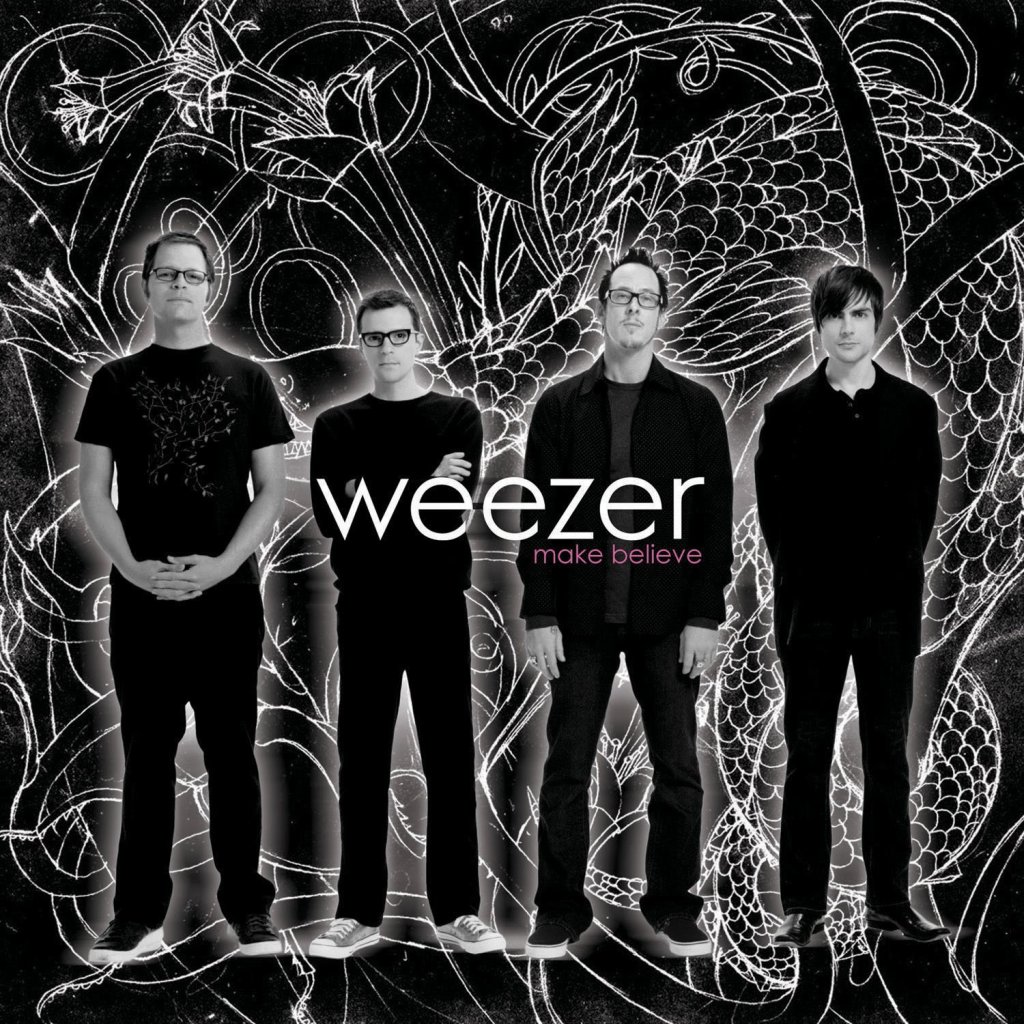
Weezer makes their dullest album yet.
2000s Weezer is a far cry from the quality of the band’s first two iconic albums, but albums like Weezer (Green Album) and Maladroit were far from bad and even included some iconic singles like Hash Pipe, Island In The Sun and Dope Nose, as well as some deep cuts like Burndt Jam. On Make Believe, any of the remaining magic that Weezer had taken with them into the new millennium is basically all gone, with the band starting to sound like either a parody of themselves or just plain bored.
Opener and lead single Beverly Hills aspires to be a simple sing-along anthem like Queen’s We Will Rock You, and while it may initially seem like a hit, it’s actually devoid of much substance at all and has some of Rivers Cuomo’s cringiest lyricism. We Are All On Drugs probably sounded a lot better in Cuomo’s head than in its execution. To round off the trifecta of bad songs on this album, there’s also This Is Such A Pity, which is more tolerable than the former two tracks, but still a low point on the album.
As for the rest of the album, there’s nothing offensive or outright horrible, but it just feels like the band is on autopilot. The one saving grace here for most Weezer fans will probably be Perfect Situation, although it’s still got nothing on anything from Weezer (Blue Album), Pinkerton or even Weezer (Green Album). The Rick Rubin production here is also awful, lacking in all and any dynamic (Ric Ocasek, he is not).
The worst crime that Make Believe commits (outside of Beverly Hills and We Are All On Drugs) is that it’s just so goddamn boring — it’s flatter than a week-old opened soda and so incredibly phoned-in. It could be worse, but it could also be much better.
50 / 100
The White Stripes – Get Behind Me Satan
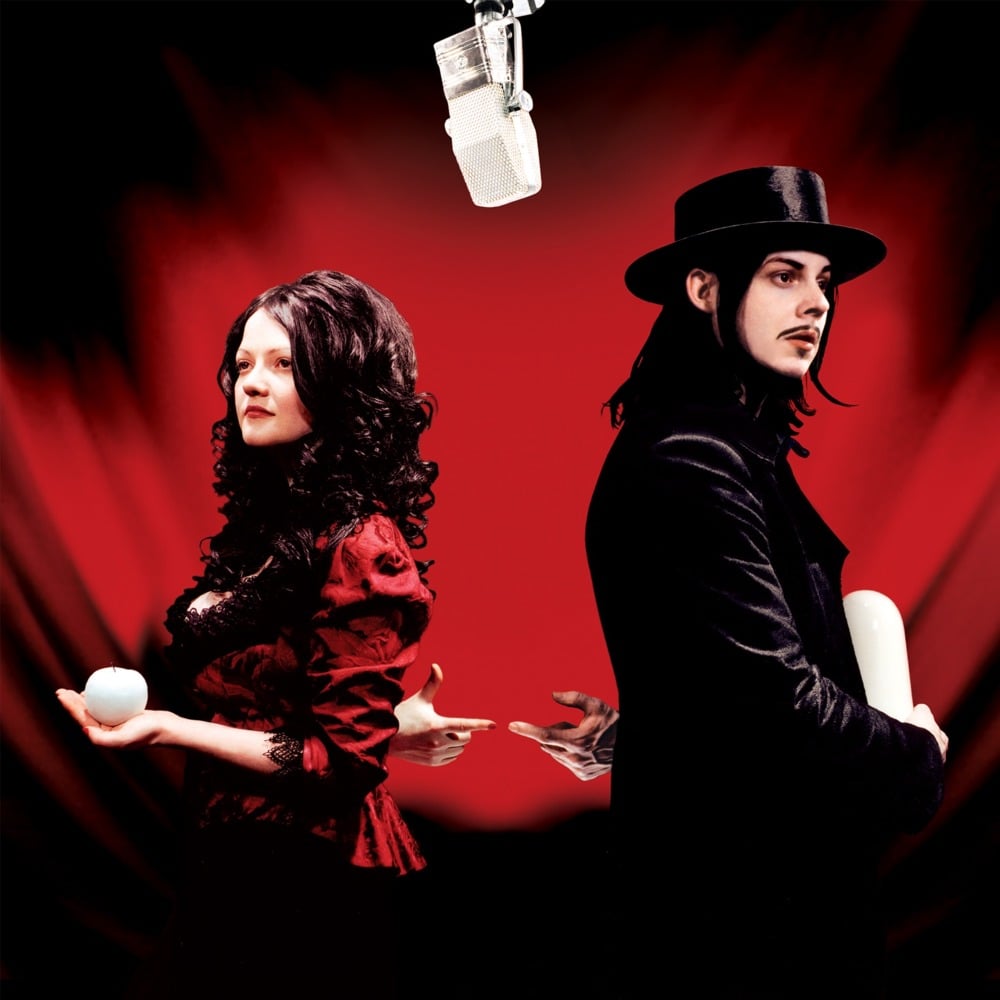
The White Stripes turn down the distortion and experiment with new sounds.
Although Get Behind Me Satan can be easily seen as the least essential White Stripes album, it’s definitely no write-off and still features some of the band’s best and most iconic songs. After the enormous success of 2003’s Elephant (and in particular, Seven Nation Army), Jack and Meg White decided to strip the music back and focus on their softer side, as well as experimenting with new sounds — such as the marimba heard on The Nurse and Forever For Her (Is Over For Me).
Opener and lead single, Blue Orchid is the most “classic White Stripes” sounding song, that will appease fans of songs like Seven Nation Army and The Hardest Button To Button. My Doorbell and The Denial Twist are piano-based rockers, that were both also singles.
This is the most subdued and gentle album by the Detroit duo, with a lot less scorchers this time around and more of a focus on acoustic guitars, percussion and piano, but that’s not a problem when the music is this pretty and genuine.
80 / 100
Trivia: Get Behind Me Satan won Best Alternative Music Album at the 48th Annual Grammy Awards.
FIN
Brett Nippard

Leave a comment