
Table Of Contents:
- Alice In Chains – Black Gives Way To Blue
- Animal Collective – Merriweather Post Pavilion
- Animal Collective – Fall Be Kind
- Arctic Monkeys – Humbug
- Clipse – Til The Casket Drops
- The Flaming Lips – Embryonic
- Foo Fighters – Greatest Hits
- The Mars Volta – Octahedron
- Muse – The Resistance
- Paramore – Brand New Eyes
- Pearl Jam – Backspacer
- Porcupine Tree – The Incident
- Slayer – World Painted Blood
- St. Vincent – Actor
- Them Crooked Vultures – Them Crooked Vultures
- Weezer – Raditude
Alice In Chains – Black Gives Way To Blue
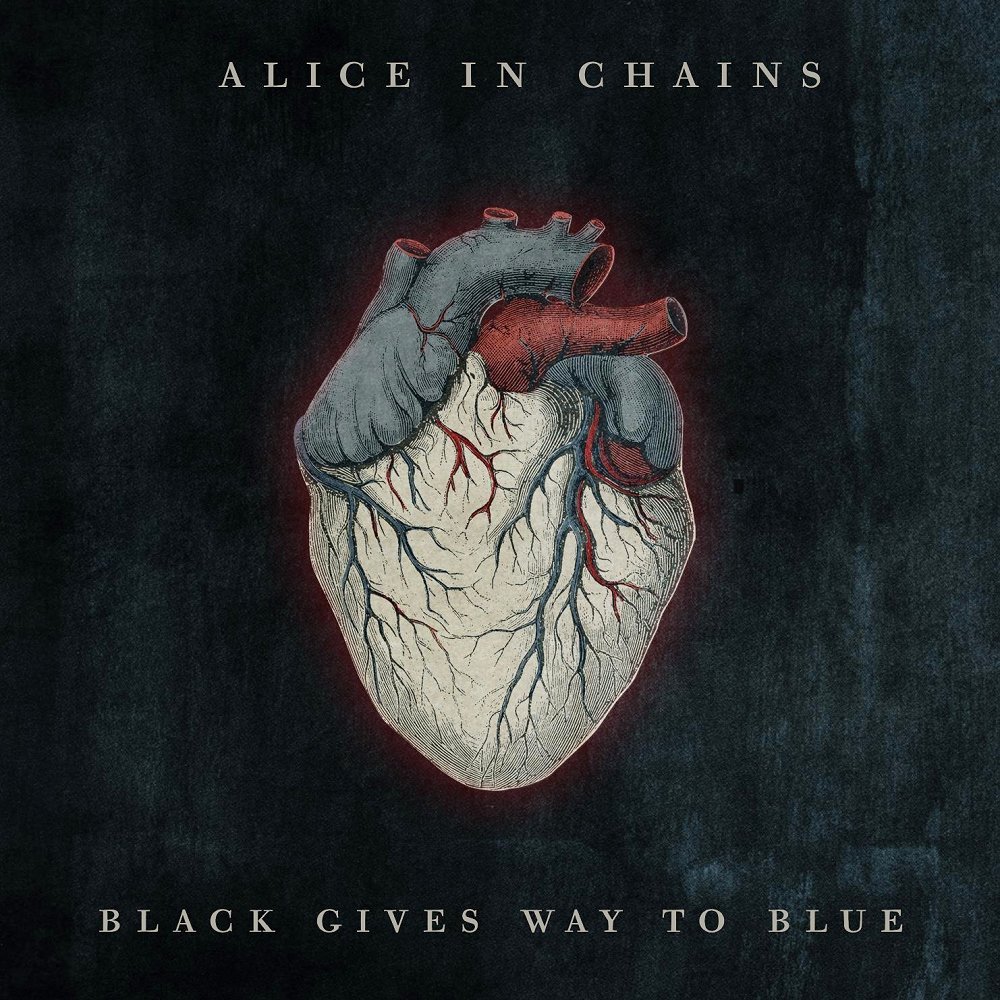
The legendary grunge band overcomes tragedy and rises from the ashes.
By the time of Layne Stayley’s unfortunate overdose in 2002, Alice In Chains had already been dormant for a few years, with their last proper studio album being way back in 1995. While Jerry Cantrell had lent his voice to the band’s trademark harmonies and even sung lead vocals on hit songs like Grind and Heaven Beside You, it was still unthinkable that the band would be able to carry on without a crucial member like Staley, who was one of the most beloved and acclaimed vocalists of the 1990s.
But, out of the ashes, a revitalized AiC was born, returning with one of the greatest comeback records in recent memory. Black Gives Way To Blue greatly exceeded expectations and showed that Jerry Cantrell, Mike Inez, Sean Kinney and new co-vocalist William DuVall were inspired to make an album as good as anything they released with the late, great Layne Stayley.
A Looking In View was a particularly doomy lead single, showing that grunge still had a place in 2009. The album’s second single, Check My Brain was equally as heavy and menacing. Your Decision was another song released as a single, and features the band’s more acoustic side, akin to the music found on their previous Sap and Jar Of Flies EPs. Elton John and Lisa Coleman (Prince & The Revolution) appear on the emotionally-charged title track, on piano and vibraphone, respectively.
While the absence of Layne Staley’s classic vocals is felt on the album, Cantrell and DuVall do a more than serviceable job with their harmonies, and considering Staley’s songwriting contributions had diminished significantly by their 1995 self-titled album (the lyrics to Head Creeps being his only credit on that album), the writing on Black Gives Way To Blue wasn’t shocking and felt like a natural progression from that album, despite the 14 years in between.
Easily the best post 1990s album from any of the big Seattle grunge bands.
80 / 100
Animal Collective – Merriweather Post Pavilion

Animal Collective release their magnum opus.
Everything Animal Collective had done up until 2009 was all just a lead up for Merriweather Post Pavilion. Strawberry Jam is just as incredible of an album, but MPP is where the stars were perfectly aligned. For a brief moment in time, Animal Collective, the group that started out sounding like a few kids recording migraine-inducing noises (while likely on acid), had become one of the biggest indie bands in the world.
Merriweather Post Pavilion is the album where AnCo perfectly marries their experimental and psychedelic soundscapes to top tier pop songwriting and the band’s trademark Avey Tare and Panda Bear harmonies. This is AnCo at their poppiest, but that doesn’t mean any of the experimentalism was sacrificed in the process.
In The Flowers sounds like you’ve just wandered into some hidden oasis, vibrant with life, untouched by mankind — it’s absolutely magical. My Girls is one of the truly great pop songs of the 2000s and the band at its most accessible (something they only teased in the past). Summertime Clothes was an obvious choice for a second single and is just as brilliant as the first with its pulsating synths that uplift the listener.
I could talk about every other song on the album, but it would do a disservice, because this album’s production is absolute ear candy. A description would never do it justice. You just need to listen to it.
Animal Collective’s magnum opus, which is complimented nicely by the Fall Be Kind EP, which followed later in the year.
90 / 100
Trivia: Usual band member Deakin was absent on Merriweather Post Pavilion.
Animal Collective – Fall Be Kind
Animal Collective capitalizes on the success of Merriweather Post Pavilion, with an EP of equally strong material.
Arriving 11 months after their critically acclaimed magnum opus, Merriweather Post Pavilion, Fall Be Kind is an EP of material that is sonically similar to those, but feels a bit more earthy, like it’s fused with the world of 2005’s Feels.
The most notable song here is What Would I Want? Sky; which samples the 1974 Grateful Dead song, Unbroken Chain, turning the sample into something completely new and original.
A superb companion to the band’s recent masterpiece.
80 / 100
Trivia: What Would I Want? Sky was the first song to use an authorized sample of the Grateful Dead’s music.
Arctic Monkeys – Humbug
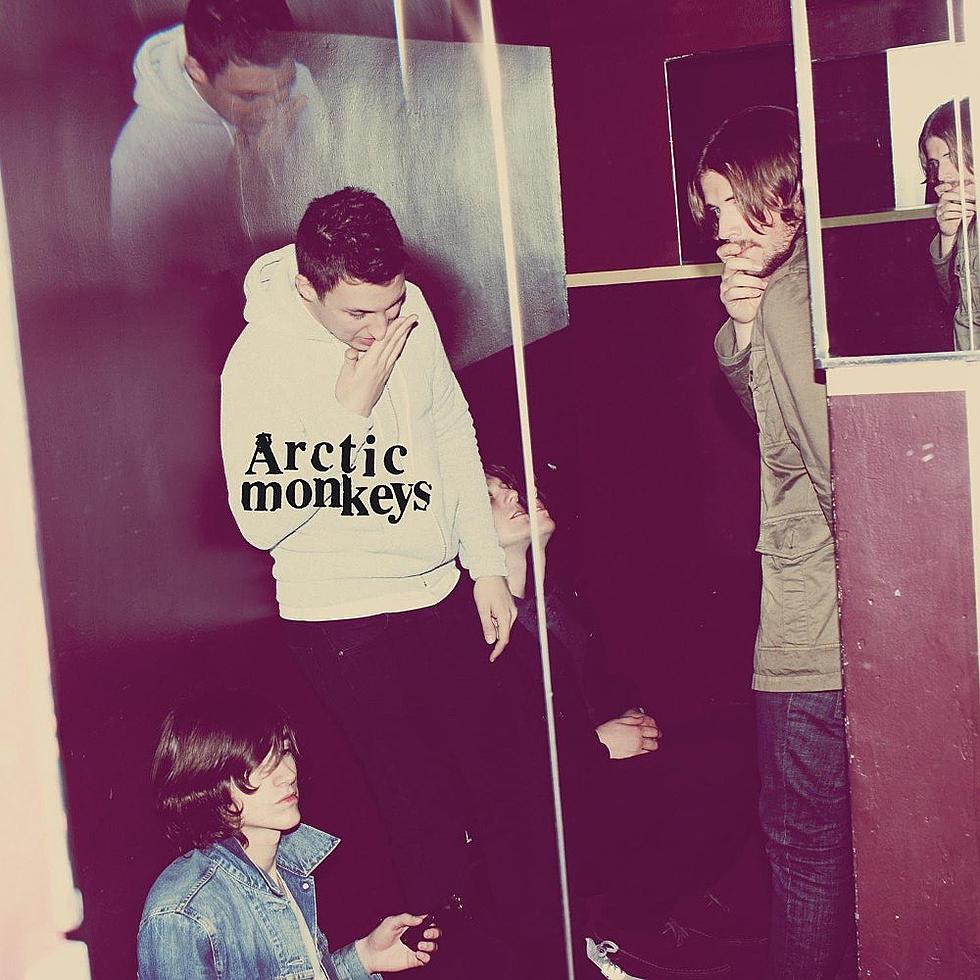
The Monkeys go to America.
Marking a major stylistic shift from the preceding two albums, Humbug sees the Monkeys go to the Land of the Free and team up with Queens Of The Stone Age’s Josh Homme, who produces most of the album (James Ford produced three tracks) and helps bring out some psychedelic flourishes in the music. Homme’s influence is very apparent on this album and makes for the most unique album in the band’s catalogue thus far.
On Humbug, Alex Turner had slowed down his vocal delivery and the amount of syllables per second. In addition to that, the music got darker and went to previously unexplored areas that a change of scenery had sparked. Fans were worried the boys were selling out by moving from the U.K. to L.A. and abandoning their more traditionally British sound, but this album was anything but selling out — this was the band pushing themselves in new directions, growing as artists as a result.
The album starts with the one-two punch My Propeller and Crying Lightning, two of the band’s heavier singles. Dangerous Animals has a fun chorus that spells out the song title. Secret Door is a ballad that still manages to let Matt Helders go to town on the drums during the verses, before going into a comely chorus. Potion Approaching is a hard-rocking song about building go-karts (or something?).
Cornerstone is one of the most beloved songs in the Arctic Monkeys canon and has a simple, but iconic music video with Alex Turner in a red jumper. Pretty Visitors starts with carnival-esque synths and has become one of the band’s most popular live songs. The back end of the album has the band slowing things down, with more meditative slow-burners, like The Fire And The Thud, Dance Little Liar, The Jeweller’s Hands.
An initially polarizing (but bold) album that many fans have since come around to. It’s also one of the few instances of Josh Homme producing another band’s album and is a great crossover album for fans of both QOTSA and AM.
90 / 100
Trivia: Humbug is the only Arctic Monkeys album that depicts the band members on the cover.
Clipse – Til The Casket Drops
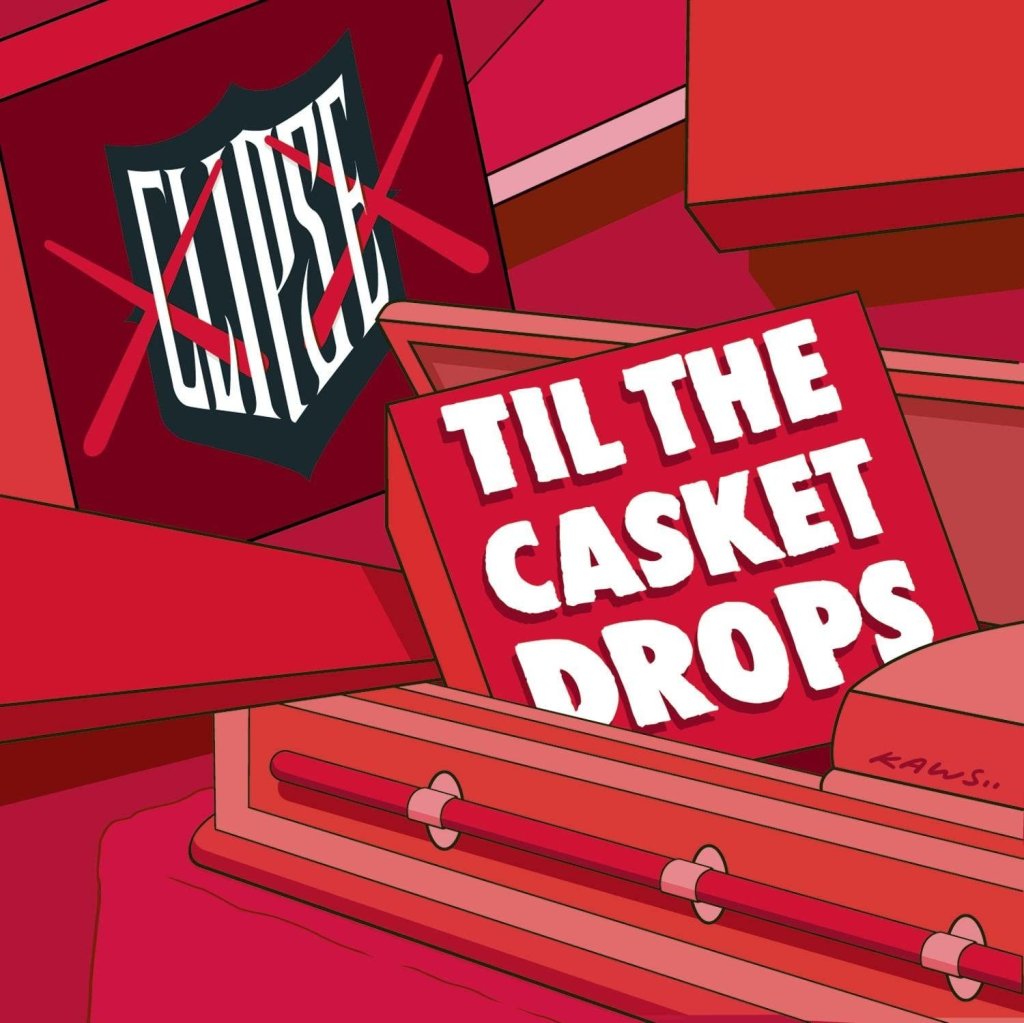
Clipse releases a disappointing third album.
After releasing two acclaimed albums, including 2006’s Hell Hath No Fury (an easy contender for one of the best hip-hop albums of the decade), Til The Casket Drops is quite forgettable in comparison.
Popular Demand (Popeyes) sounds like a Clipse song, but otherwise, none of the songs here really sound like Clipse. The overall production is fine, but it sounds so generic and lacks the charm that made their first two albums so distinctive from everything else in rap.
There’s also a Kanye West appearance on Kinda Like A Big Deal, but only as a feature and not a producer. It does beg the question of how much better the album could have been, had he lent his production skills to it, or at least to that one track.
Compared to the first two Clipse albums, which were fully-produced by the Pharrell Williams/Chad Hugo duo Neptunes, Til The Casket Drops only features 8 out of 13 production credits from the duo, making for a less cohesive album experience than Lord Willin’ or Hell Hath No Fury. And even the songs they’ve produced feels like something’s missing.
Till The Casket Drops is a rather disappointing album (especially following an album like Hell Hath No Fury), and if Clipse continues like this, it might not be long before the casket does drop.
65 / 100
The Flaming Lips – Embryonic
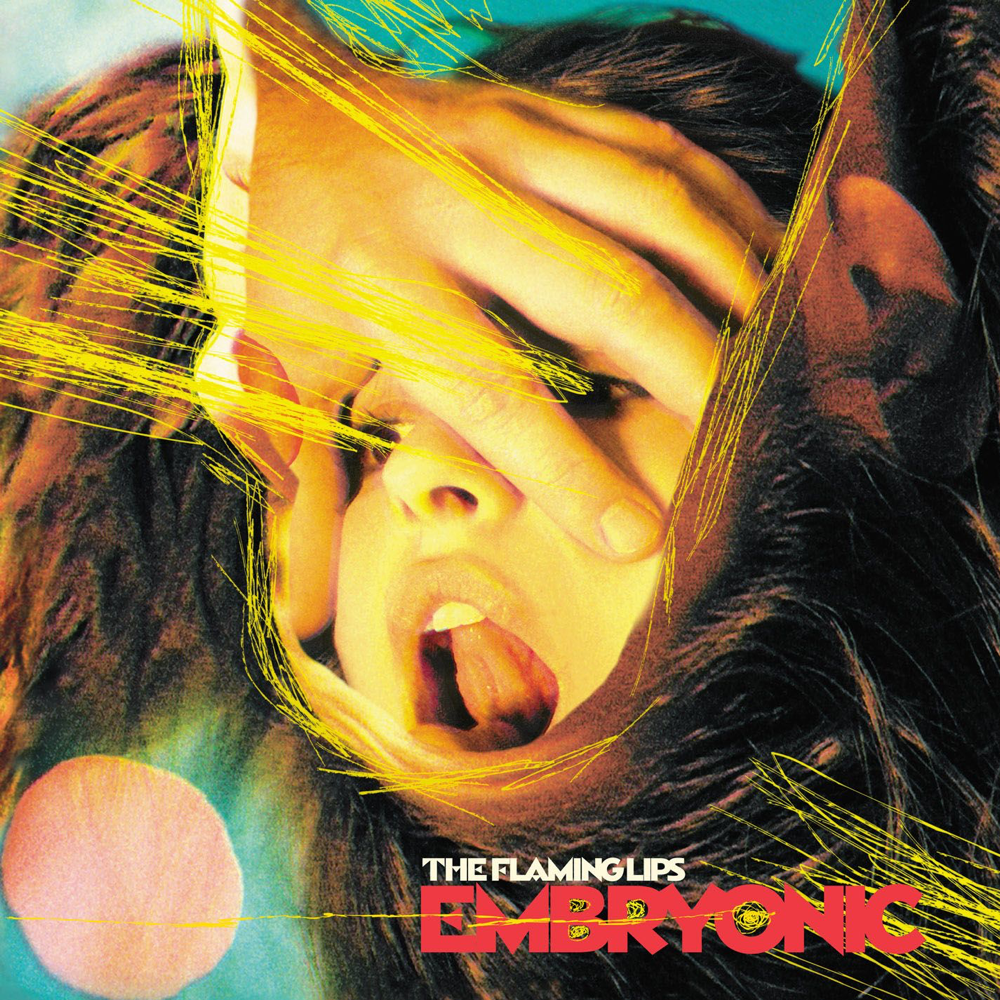
The Flaming Lips release a double album.
After the sonically upbeat and optimistic trio of albums The Flaming Lips had released between 1999 and 2006 (The Soft Bulletin, Yoshimi Battles The Pink Robots, and At War With The Mystics), the psychedelic maestros return with their darkest album in a decade, the double LP, Embryonic, which is also one of their greatest works in their long-and-storied career.
Continuing their imperialistic streak in the world of neo-psychedelia, the band pushes itself into scarier territory than what was found on their previous works. Convinced Of The Hex sets the tone of the album and informs the listener of what kind of aural experience this is going to be, with one of the band’s greatest songs.
Worm Mountain features MGMT, who had just made it big two years prior with their smash debut album, Oracular Spectacular, which was also produced by longtime Flaming Lips producer Dave Fridmann. In fact, I detect a major MGMT influence on this album with Wayne Coyne’s vocals, proving that masters can still learn from their disciples.
See The Leaves, Silver Trembling Hands and Watching The Planets are other highlights and are all essential Flaming Lips tracks.
Embryonic might not be as accessible or fun as the three albums that preceded it, but it’s equally rewarding all the same. A lot of the songs are instrumentals or act more like interludes, but as album experiences go, it’s one of their best.
80 / 100
Foo Fighters – Greatest Hits
Foo Fighters release their first greatest hits.
15 years and 6 studio albums later, RCA was ready to release a Foo Fighters greatest hits package, even if the band themselves felt it was premature to release one during this point in their career.
All of the expected and timeless hits are here. There’s Everlong (including an additional acoustic version), Monkey Wrench, My Hero, Learn To Fly, Times Like These, All My Life, Best Of You and The Pretender. You also have other crucial Foo tracks, like I’ll Stick Around, Big Me, Breakout and Long Road To Ruin. The only deep cut here is the live acoustic track, Skin And Bones (originally an In Your Honor era b-side) and there’s two new tracks: Word Forward and Wheels — neither of which are great, but they are decent additions for a best of compilation like this. A few notable omissions are I’ll Stick Around, Alone + Easy Target, Walking After You, Stacked Actors, DOA and Let It Die.
Despite the album’s corporate intentions, a predictable hits-focused tracklist and a fairly lacklustre last third, Foo Fighters’ Greatest Hits does still contain most of the band’s most essential songs and is a fine starting point for those just discovering the band.
80 / 100
The Mars Volta – Octahedron
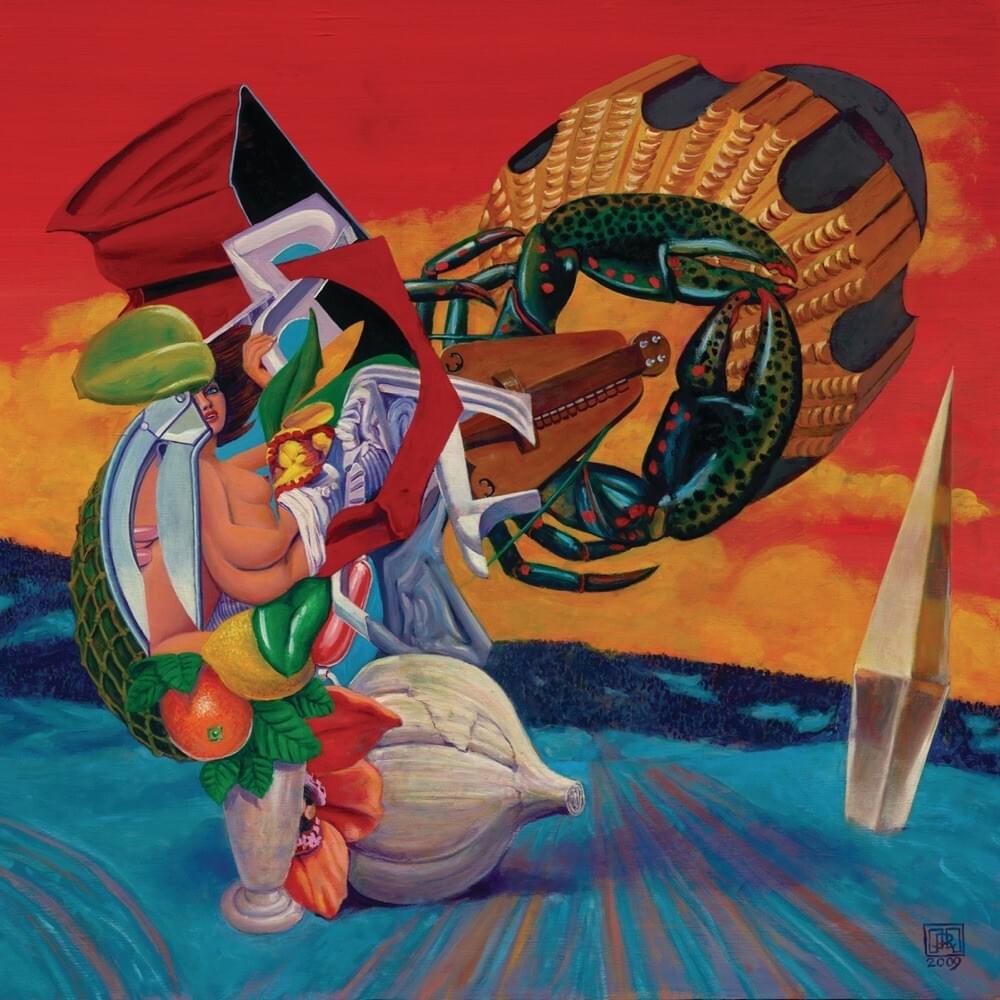
The Mars Volta makes the opposite of their other albums.
Although vocalist Cedric Bixler-Zavala has stated that Octahedron is the opposite of their previous records — being the pop album that they’ve been threatening to make for years, the album is a far cry from radio pop, and is instead a more relaxed take on The Mars Volta’s trademark sound.
Since We’ve Been Wrong opens up the album with a serene ballad that has plenty of ambience before it truly begins (thus not axing the band’s love of extended, experimental instrumentals), and is a ballad in the vein of their 2005 single, The Widow. With Twilight As My Guide and Copernicus are similar; focusing on ambient textures and space, instead of the band’s typical organized chaos.
If you are looking for the high-octane thrills you’ve come to expect from the band, there are still songs like Teflon and Cotopaxi to scratch that itch, as well as the final track Luciforms, which fuses together both styles in one song. Half of the album’s songs exceed 7 minutes, so even song length wasn’t sacrificed in pursuit of a poppier direction.
Definitely not a “pop” album, but a welcome change of pace for the prog rockers, after four albums of intense and challenging prog rock. The band tried something new, but did not lose sight of their brand in the process.
70 / 100
Muse – The Resistance
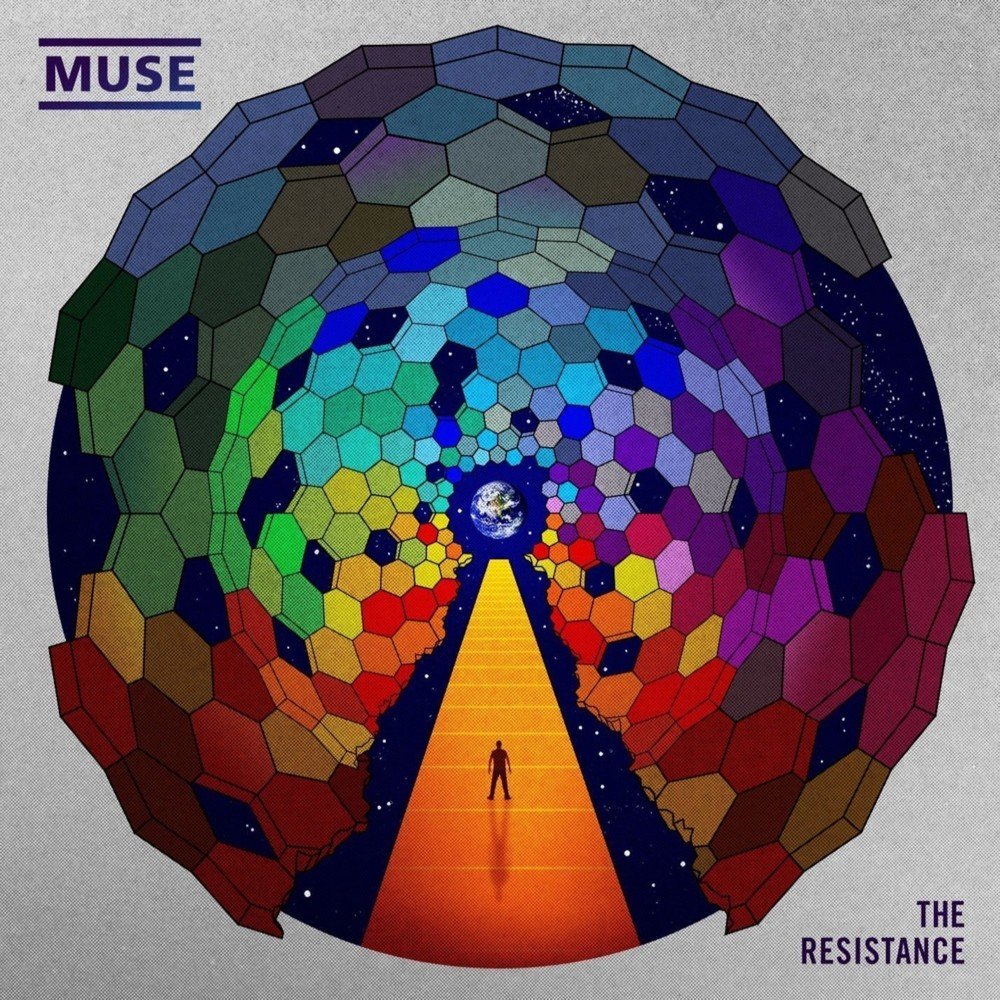
Muse goes even bigger on this stadium-ready collection of songs.
After releasing three classic records between 2001-2006 (Origin Of Symmetry, Absolution and Black Holes And Revelations), shaking off the Radiohead comparisons and putting on one of the best live shows imaginable, Muse had gone on to becoming one of the biggest bands, not just in the U.K., but in the world.
The Resistance finds Muse at their most theatrical yet, with bombastic strings and operatic vocals from Matt Bellamy, as well as a greater focus on making big choruses.
Uprising is a fantastic opener — one of the band’s most recognizable songs with an iconic singalong chorus. Muse toys further with pop songwriting on Undisclosed Desires, as well as on the funky piano track, I Belong To You. The band lets out their inner Queen on the title track and on the mini-epic, United States Of Eurasia. Unnatural Selection and MK Ultra might appeal to old Muse fans clamouring for something heavier like they did on Origin Of Symmetry or Absolution. The Exogenesis suite at the end of the album is likely to attract criticism from those who already found Muse to be walking a fine line between virtuosic and pretentious, but for what it’s worth, it’s still impressive.
The Resistance might not have all the guitar pyrotechnics and metal-adjacent elements of their early 2000s works, and it may have the band indulging in its worst tendencies, but it’s still the sound of a band in its prime.
70 / 100
Paramore – Brand New Eyes
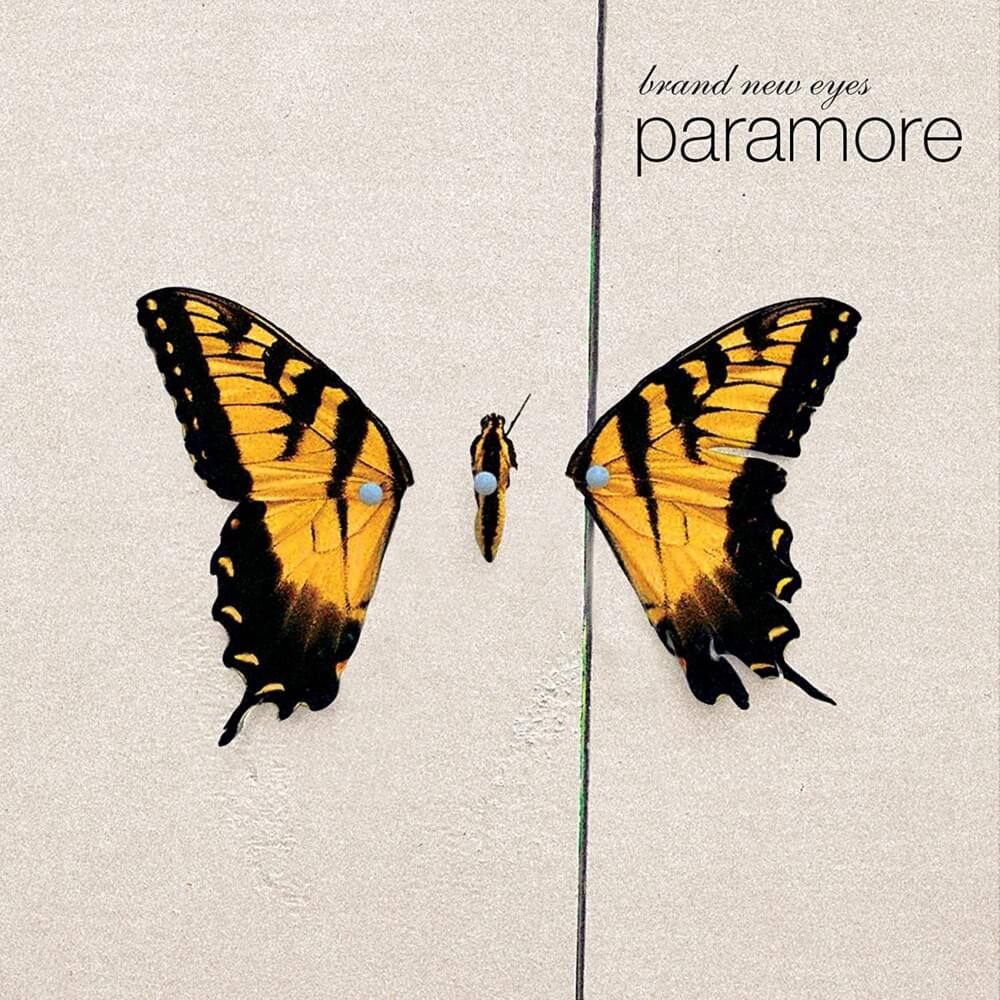
Paramore returns with a third helping of pop punk and emo on their most mature work yet.
Rounding out their unofficial trilogy of pop punk / emo albums, Brand New Eyes finds Paramore and their most lyrically-mature and musically-impressive yet.
Careful is a strong opener with a typically powerful Hayley Williams performance. Brick By Boring Brick is a solid rocker. The Only Exception is an acoustic track that almost gives late 90s Radiohead vibes. The bonus track, Decode (found on the international editions of the album and originally from the soundtrack to the film, Twilight) is one of the best tracks on the album — a shame for those in North America who don’t get the track.
I didn’t find anything on Brand New Eyes to be quite as memorable as songs from Riot!, like Misery Business, Crushcrushcrush or That’s What You Get, but overall, the band’s musicianship has tightened even more and they have increasingly expanded their sonic palette beyond the more conventional instrumentation of pop punk.
75 / 100
Pearl Jam – Backspacer
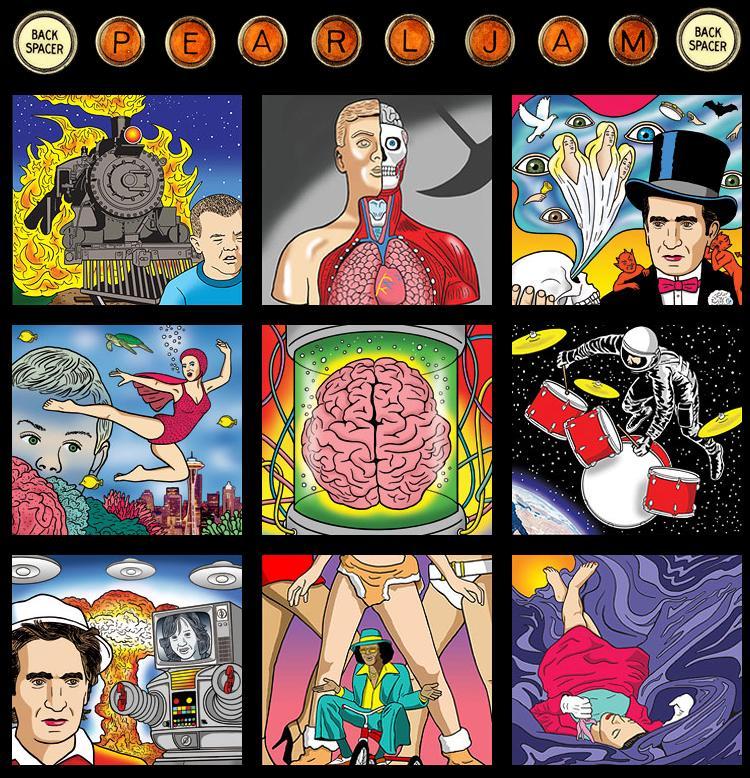
Pearl Jam ends the decade with a more personal and accessible album.
After the politically-inclined Riot Act and Pearl Jam, Backspacer finds vocalist Eddie Vedder shifting to more personal lyrics this time around, with some of the band’s gentlest and most pop-leaning songs yet. There’s some rockers on here like Gonna See My Friend, Got Some and The Fixer, but there are also songs that verge into soft rock territory, like Amongst The Waves, Unthought Known and Just Breathe.
Backspacer is another decent Pearl Jam record, but it’s just a little too safe, commercial and boring for me to really sink my teeth into.
65 / 100
Porcupine Tree – The Incident
Porcupine Tree disbands.
Seen as a disappointment by both fans and critics and being treated like the one stain on an otherwise flawless decade for the band, The Incident is actually quite good and not deserving of its reputation as weaker than the band’s other albums from the 2000s.
The production on the album feels a bit like a rush job when compared to the preceding albums, but Wilson had just released his debut solo album Insurgentes the year prior, signalling that his dedication to Porcupine Tree was waning. Despite all that, there are still several underrated PT songs to be found here.
The Blind House is one of the heaviest songs on the album, but this being Porcupine Tree means that they also know when to chill out and focus on atmosphere. The title track is an industrial powerhouse of a song. Octane Twisted is another highlight, which makes use of some great classical-sounding guitar before the metal elements come in.
Time Flies is easily the most famous song here and a fan favourite, and though it sounds a little too similar to Pink Floyd’s Dogs at times (and considering Wilson is a huge Floyd fan, there’s no way he didn’t notice), it’s still one of the best PT epics.
Having an EP of five unrelated songs at the end of the album was a strange choice, but Remember Me Lover makes it worth it. I will also say that Great Expectations is far too good to be that short of a song and the rather mediocre chorus in Drawing The Line holds back an otherwise fine song, but those criticisms don’t outweigh the merit that this album does have and considering its reputation of being a let down after a string of modern classics, I figure that somebody’s got to give it some love.
80 / 100
Slayer – World Painted Blood
Slayer makes another album with their classic lineup.
Following 2006’s Christ Illusion, which saw the return of original drummer Dave Lombardo, World Painted Blood sees another album from the original lineup, and like its predecessor, they are falling right back into their old ways, with more of that reliable, high bpm thrash metal that sounds closer to its 80s counterpart than any of their contemporaries from the Big Four.
There’s no surprises here with the tracklist, but it’s Slayer doing what it does best: wicked fast guitars, shouted vocals, chaotic drumming and lyrics about god, war and death.
75 / 100
St. Vincent – Actor

Annie Clark crafts a dark, sonic fairytale.
Inspired by the soundtracks of 20th century animated Disney classics, Actor sees the big-eyed Annie Vincent playing with orchestral music and baroque pop. But don’t let the Disney inspiration fool you; this album is very dark in places and feels more like a Brothers Grimm fairytale than a Walt Disney one.
The Strangers is a whimsical start to the album, with its mysterious refrain of “paint the blackhole blacker”. Black Rainbow sounds like somebody spiked your drink with some acid and it’s starting to kick in towards the end of the song. Actor Out Of Work stands out as a more straight forward rocker with its post-punk influences.
The brilliantly titled Laughing With A Mouth Of Blood has a bit of a 60s vibe to it, with lyrics discussing fairweather friends. The Bed incorporates some oriental sounds and closing song, The Sequel, makes use of acoustic guitars.
Despite the common thread of orchestras across the album, there’s enough variety within each song to prevent them from ever feeling derivative, but still allows for the album experience to be cohesive. Where Marry Me was a good album, Actor is a great one.
80 / 100
Them Crooked Vultures – Them Crooked Vultures
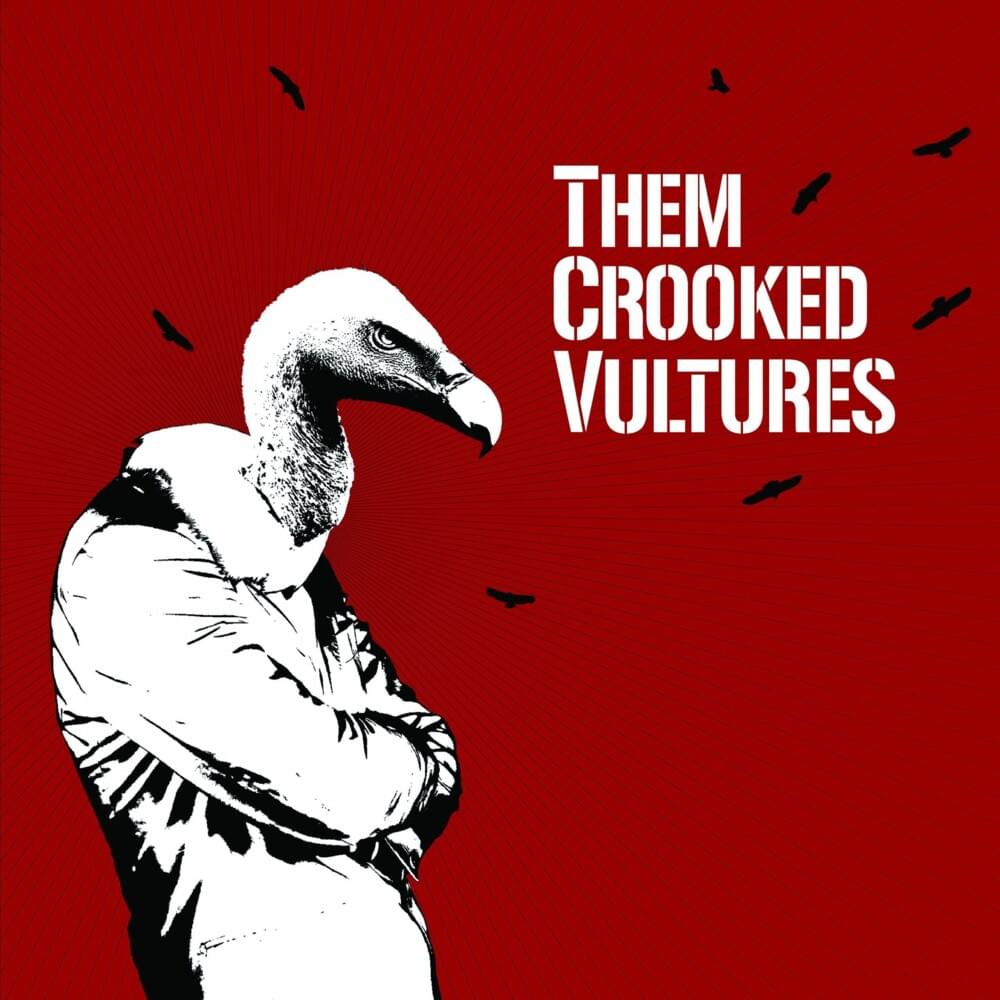
Josh Homme, Dave Grohl and John Paul Jones team up.
What do you get when you mix Queens Of The Stone Age, Foo Fighters and Led Zeppelin in a blender? You get Them Crooked Vultures. Not only was Josh Homme mentoring and producing Arctic Monkeys in 2009, but he was also forming one of the all time great supergroups.
Opener Nobody Loves Me & Neither Do I is a bluesy anthem for the loathsome with a fantastic change-up halfway through the song that recalls the gritty Era Vulgaris era of Queens Of The Stone Age. Singles New Fang and Mind Eraser, No Chaser are both killer singles, the former of which was all over radios in 2009 and was a diamond among all the other shit on the radio at the time.
Scumbag Blues is a rocker with a keyboard section reminiscent of Led Zeppelin’s keyboard workout Trampled Under Foot. Interlude With Ludes is (unsurprisingly) a psychedelic interlude that calls back to Queens Of The Stone Age’s Rated R days. The last song on the album Spinning In Daffodils is another psychedelic track that seems like it could have been a leftover from Lullabies To Paralyze.
Josh Homme handles lead vocals, with both Grohl and Jones providing backing vocals. It’s nice to see Grohl singing here, as he was strictly the drummer last time he and Homme worked together on 2002’s Songs For The Deaf.
A great one-off project that sees two of the biggest modern rockstars backed by a legendary bassist from arguably the biggest band of the 70s. While it might just sound like a Queens Of The Stone Age / Josh Homme project more than a Grohl or Jones one, it’s still the sum of three amazing musicians, who seem to have remarkable chemistry.
An album chock full of bangers that should be able to satiate Queens Of The Stone Age fans until the next release.
80 / 100
Weezer – Raditude
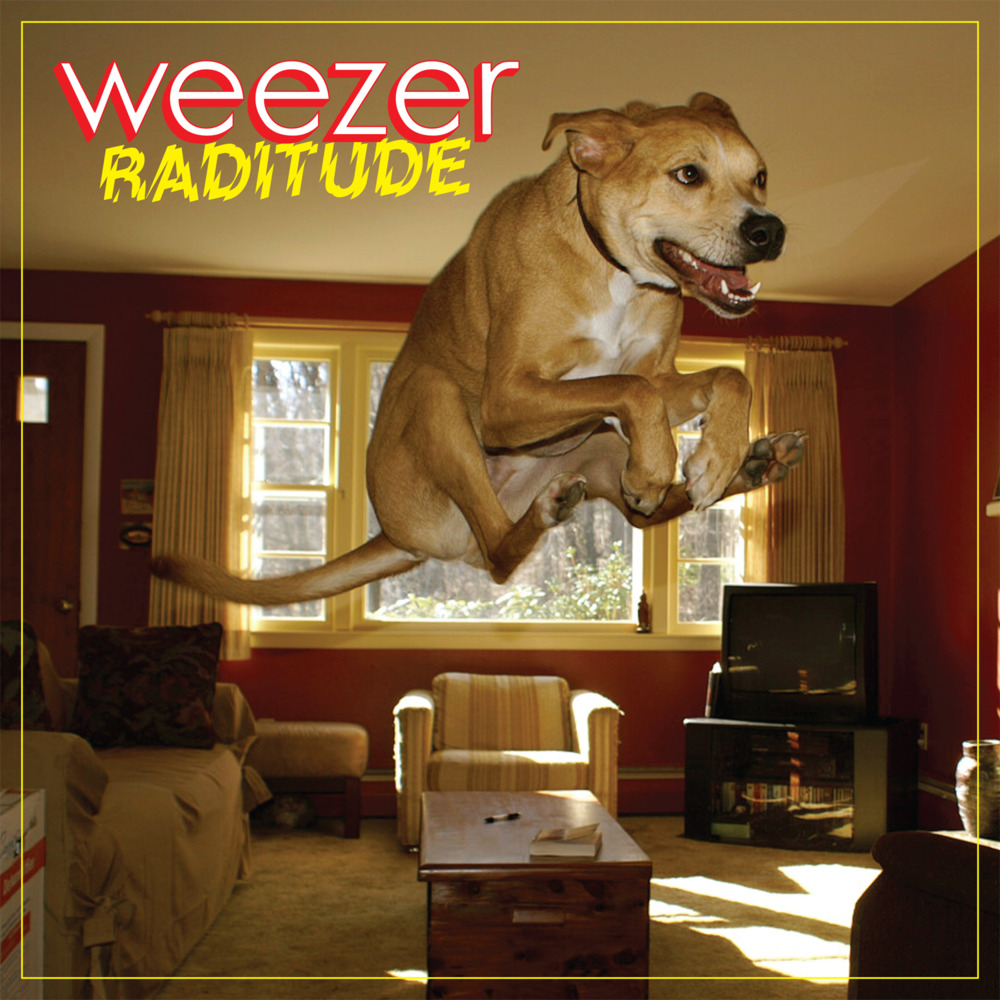
Weezer releases not only their worst album, but one of the worst albums of all time.
If you thought Make Believe and Weezer (Red Album) were bad, then Raditude will blow your mind with how much lower the already low bar has dropped, with this stinking collection of noises, bad ideas and musical midlife crises — Rivers Cuomo really outdoes himself here.
The first track, (If You’re Wondering If I Want You To) I Want You To, is probably the best song here, but that’s like saying this particular turd just smells a little less like shit than the other ones; it’s still just that twee nonsense that late 2000s Weezer is so fond of making. Both I’m Your Daddy and The Girl Got Hot are self-explanatory and need no further explanation. Can’t Stop Partying (featuring Lil Wayne) is jaw-droppingly bad — it sounds like baby’s first dance song and seems to be lacking in any and all self-awareness.
The rest of the songs are the usual middle-of-the-road 2000s Weezer, except for the unintentionally hilarious, Indian-spiced Love Is The Answer, which might be even cringier than the Lil Wayne Song. There’s also In The Mall, which wouldn’t be so pathetic if it wasn’t written by a 40 year old man (can’t blame this one on Cuomo though, as drummer Patrick Wilson wrote that dud).
I don’t know if Rivers Cuomo just wanted to appeal to the younger generation and tried to make a relatable album (as this album is incredibly juvenile and elementary), but this is anything but hip — this is nothing but square.
Truly one of the most mind-boggingly terrible albums I’ve ever listened to. How Weezer went from Pinkerton to this is a sheer and utter tragedy.
5 / 100
FIN
Britain Chambers

Leave a comment