
Table Of Contents:
- Alice In Chains – The Devil Put Dinosaurs Here
- Arcade Fire – Reflektor
- Arctic Monkeys – AM
- Atoms For Peace – Amok
- Black Sabbath – 13
- Charli xcx – True Romance
- Daft Punk – Random Access Memories
- Danny Brown – Old
- David Bowie – The Next Day
- Death Grips – Government Plates
- The Flaming Lips – The Terror
- Iggy & The Stooges – Ready To Die
- Kanye West – Yeezus
- The Killers – Direct Hits
- MGMT – MGMT
- my bloody valentine – m b v
- Nick Cave & The Bad Seeds – Push The Sky Away
- Nine Inch Nails – Hesitation Marks
- Paramore – Paramore
- Pearl Jam – Lightning Bolt
- Pusha T – My Name Is My Name
- Queens Of The Stone Age – …Like Clockwork
- Run The Jewels – Run The Jewels
- Steven Wilson – The Raven That Refused To Sing (And Other Songs)
- The Strokes – Comedown Machine
- Vampire Weekend – Modern Vampires Of The City
Alice In Chains – The Devil Put Dinosaurs Here
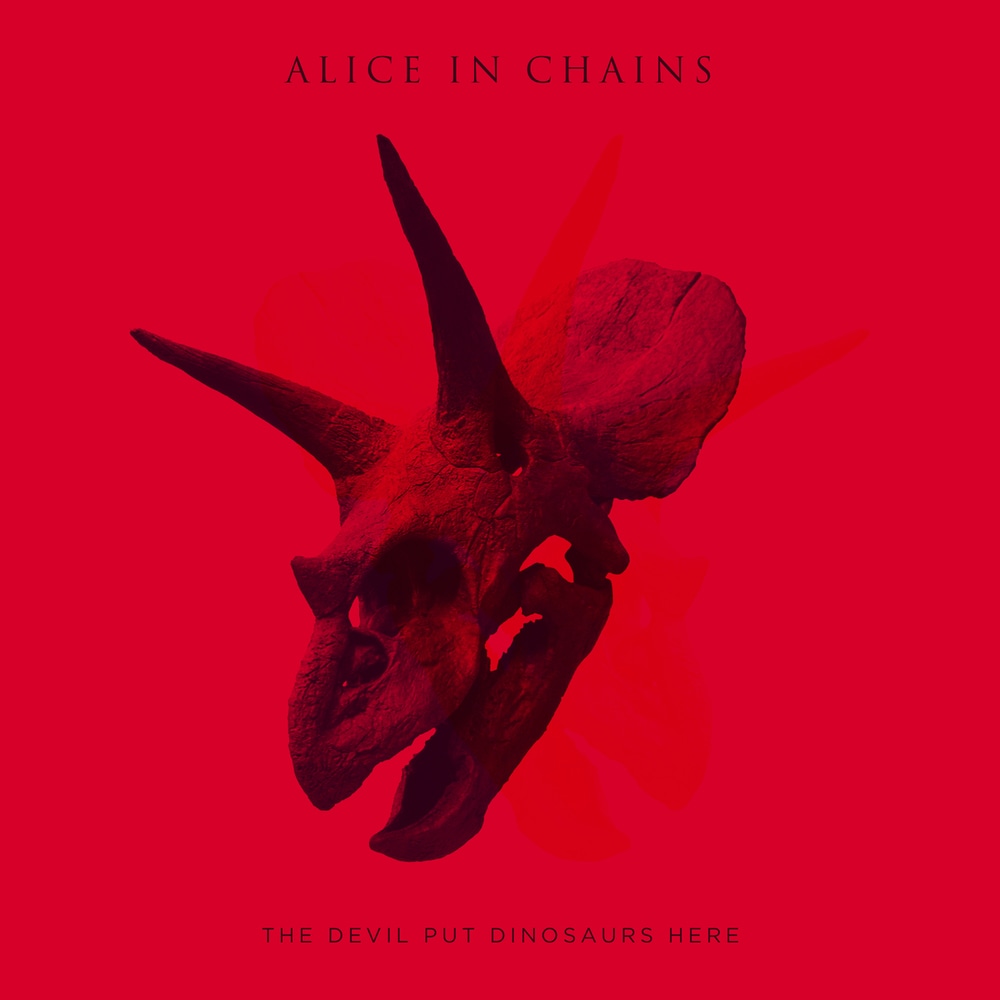
The reformed Alice In Chains makes their second record.
In 2009, Alice In Chains had released their first album since the untimely passing of vocalist, Layne Stayley. The album was a massive success, with the 90s legends updating their sound (without losing sense of their identity) and were able to escape the shadow that Layne Stayley’s tragic death had cast over them.
Hollow and Stone are two of the best songs from Alice In Chains 2.0, both with killer riffs and harmonies. The title track plays with eastern sounds, similar to what they did on the title track from Dirt back in 1992. Phantom Limb is one of the most metallic tracks here, likely to become a fan-favourite.
The Devil Put Dinosaurs Here is more of the same grunge that you’ve come to expect from the Seattle legends. It doesn’t stray far from their established formula, but it’s still very much AiC and proves that they are not quite dinosaurs themselves.
70 / 100
Trivia: The album is named after a Christian theory that suggests that Satan had planted fake dinosaur fossils to mislead mankind.
Arcade Fire – Reflektor
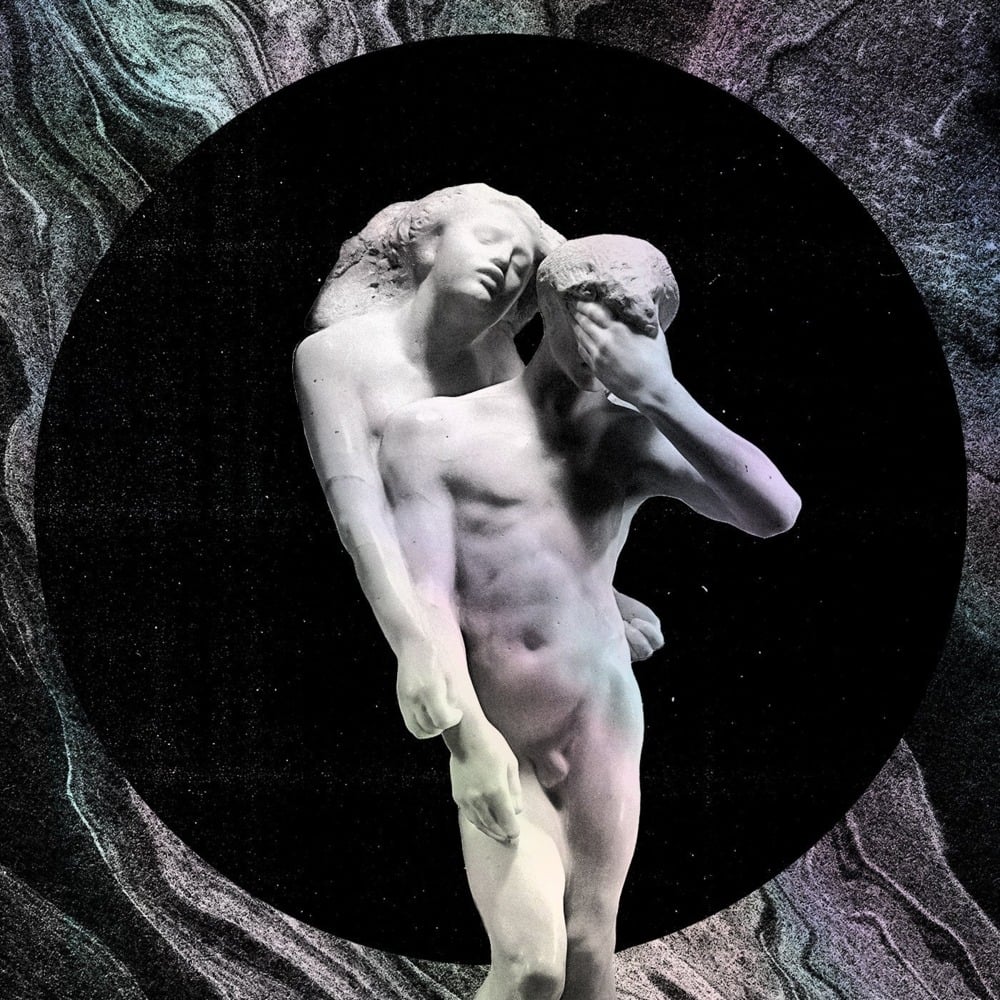
A reflection of a reflection of a reflection…
After creating a genre-defining indie rock trilogy with Funeral, Neon Bible and The Suburbs, Arcade Fire decided to leave the past behind, by hiring LCD Soundsystem’s James Murphy to produce, branching out into electronic dance music, with some Haitian flavours.
A recently out-of-retirement David Bowie guests on the lead single/title track, which is one of the coolest appearances a group could ever ask for (the band had previously played with Bowie live in 2005, thus the pull they had). We Exist is a pro gay rights dance song, but never seems preachy. Here Comes The Night Time incorporates Haitian sounds, on account of Régine Chassagne’s background.
Normal Person has Win Butler questioning whether or not he actually likes rock n roll, over top of some of one of Will Butler’s best guitar licks. Porno mixes delicate lyrics with some of the sexiest, most sensual synths you’ll ever hear; it’s both innocent and sinful. Afterlife is a shimmering disco song, building towards a riveting finale. The pair of Awful Sound (Oh Eurydice) and It’s Never Over (Oh Orpheus) are also highlights.
Although any of the band’s first four albums could be considered as their best, Reflektor is definitely the most kaleidoscopic, experimental and adventurous one yet. A well-executed and bold left-turn, similar to U2’s Achtung Baby and Radiohead’s KID A before it.
100 / 100
Trivia: The rollout for Reflektor involved a guerrilla marketing strategy, where Reflektor logos were graffitied in cities around the world, as well as a limited edition vinyl single of the title track, credited to the fake band, The Reflektors.
Arctic Monkeys – AM
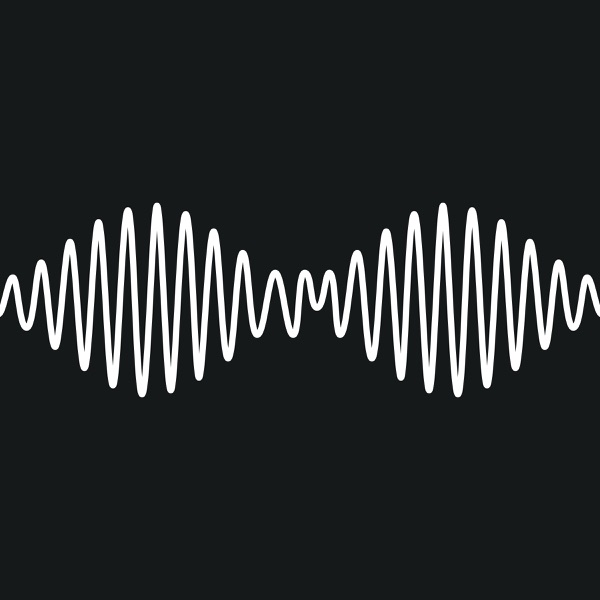
The Monkeys launch themselves into the stratosphere of popularity and success.
Arctic Monkeys had a strong following before AM, but this was the album that transformed them into one of the biggest bands on the planet — total global superstars. This also means that it’s where old school fans started to resent their mainstream success, feeling betrayed by the band appealing to new demographics.
Not only was this the album responsible for their biggest hit ever, Do I Wanna Know?, but it also had other gargantuan singles, like R U Mine?, Why’d You Only Call Me When You’re High? and One For The Road. AM is a colossal achievement in balancing hit-making with songwriting integrity.
Do I Wanna Know? takes a slow blues riff and turns it into an anthem for late night, drunken phone calls and forgettable/regrettable one night stands. Why’d You Only Call Me When You’re High? owes more to hip-hop than to rock n roll, flexing Alex Turner’s diverse musical influences that seep into his songwriting. R U Mine? throws dizzying power chord riffs right at the listener.
Arabella borrows a riff from Black Sabbath’s War Pig, injecting it into the kind of sexy rocker that Sabbath was never known for. The seductive Kneesocks sees a guest appearance from Humbug producer and Queens Of The Stone Age frontman, Josh Homme (Alex Turner had appeared earlier that year on their album …Like Clockwork).
Mad Sounds is straight out of Velvet Underground (circa 1969), a band that is also paid homage to in the album’s name (the Velvet Underground had a 1985 album called VU, thus Arctic Monkeys’ AM). I Wanna Be Yours adapts a John Cooper Clarke poem. Then you still have Fireside, I Want It All, Snap Out Of It and No. 1 Party Anthem. An absolutely loaded album where every song had the potential to be a hit.
This album blends together the band’s very subtle psychedelic side with hip-hop beats, hard rock and some of the finest falsettos and harmonies on any modern rock record.
AM is a masterful attempt at breaking into America and capturing a wider audience, by refining the sound of this era of the band’s music (Humbug, Suck It And See and AM all share similar D.N.A.) and making an album full of mega choruses, killer riffs, heavy hooks and groovin’ grooves, but without sacrificing the band’s vision or style. It’s challenging to simplify your sound and make it accessible without neutering it, but the Monkeys managed to do just that here.
For my money, AM is one of the all time greatest attempts at going commercial, without compromising what makes the band so great to begin with.
100 / 100
Atoms For Peace – Amok
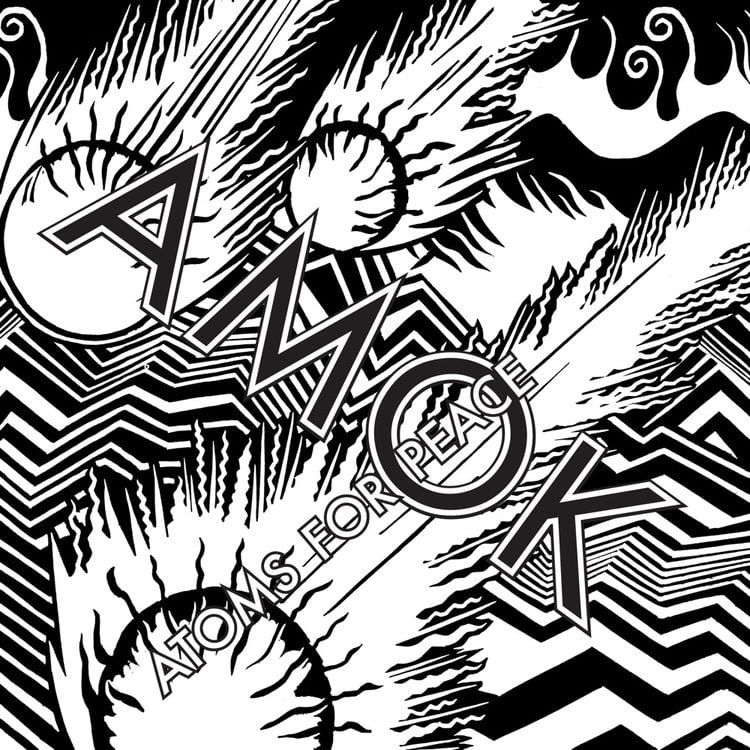
Thom Yorke forms a supergroup.
Comprised of Thom Yorke (Radiohead), Nigel Godrich (Radiohead’s longtime producer), Flea (Red Hot Chili Peppers), Joey Waronker (Beck, R.E.M.), and Mauro Refosco, and named after a song from Thom Yorke’s debut album, Atoms For Peace’s debut Amok naturally feels like a sequel to that album, albeit with a full band and more emphasis on jamming.
Nothing here is nearly as captivating as Radiohead’s work, but it’s an album of similar quality to The Eraser, and still features the generational talents and songwriting of Thom Yorke.
80 / 100
Black Sabbath – 13
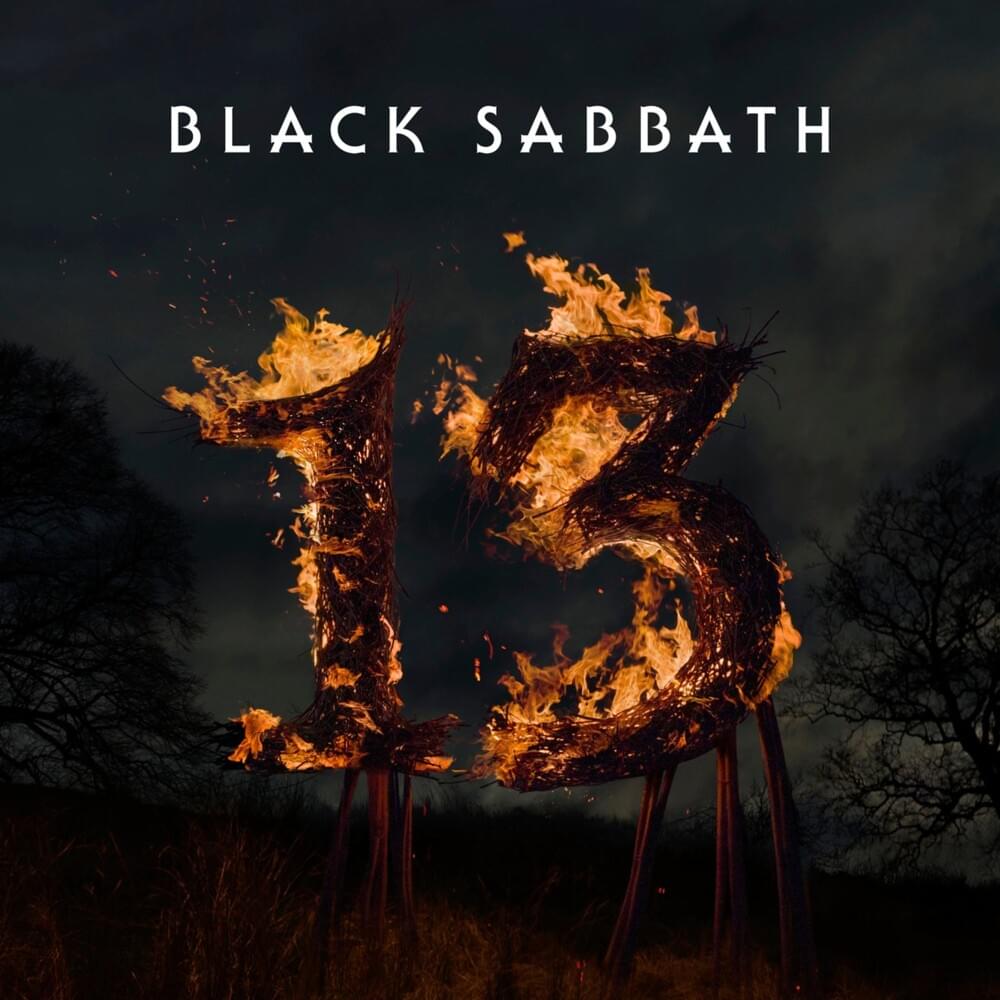
Ozzy Osbourne sings on a Black Sabbath album for the first time since 1978.
Black Sabbath hadn’t released an album with their original singer Ozzy Osbourne since 1978, let alone any albums in 18 years. Their last release was 1995’s Forbidden, which was considered the worst album of any iteration of the band.
With that in mind, it was surprising to see (most of) the original band reform one last time (though drummer Bill Ward was replaced by Brad Wilk of Rage Against The Machine and Audioslave), especially since Ozzy was still a major solo draw and didn’t need the Sabbath brand to tour successfully.
This album could have easily sounded phoned-in or sounded like any run of the mill, late-era Ozzy solo albums, but instead, it mostly recaptures the magic that made the 1970-1975 band so compelling.
Rick Rubin encouraged the band to write and record like they had just finished their first album, ignoring Paranoid and everything that followed, so that they could strip everything back to the basics.
Hearing lead single God Is Dead? on the radio felt surreal. I had been a fan of Black Sabbath since I was quite young, and the idea of Ozzy getting back with Tony and Geezer seemed too good to be true, but sure enough it wasn’t just some fever dream; it was really happening.
Album opener, The End Of The Beginning proves that Sabbath still has it in them to conjure up dark, doomy, evil sounds, unlike any other. Zeitgeist is like a spiritual successor to Planet Caravan. The final track Dear Father, ends with rain and thunder, bringing the Black Sabbath story full circle to where it began in 1970.
I feel like this album doesn’t get enough credit for being as good as it is, considering other similarly long-awaited reunion albums failed (the Stooges, Black Flag).
One of the best comeback albums from a legendary band.
85 / 100
Charli xcx – True Romance
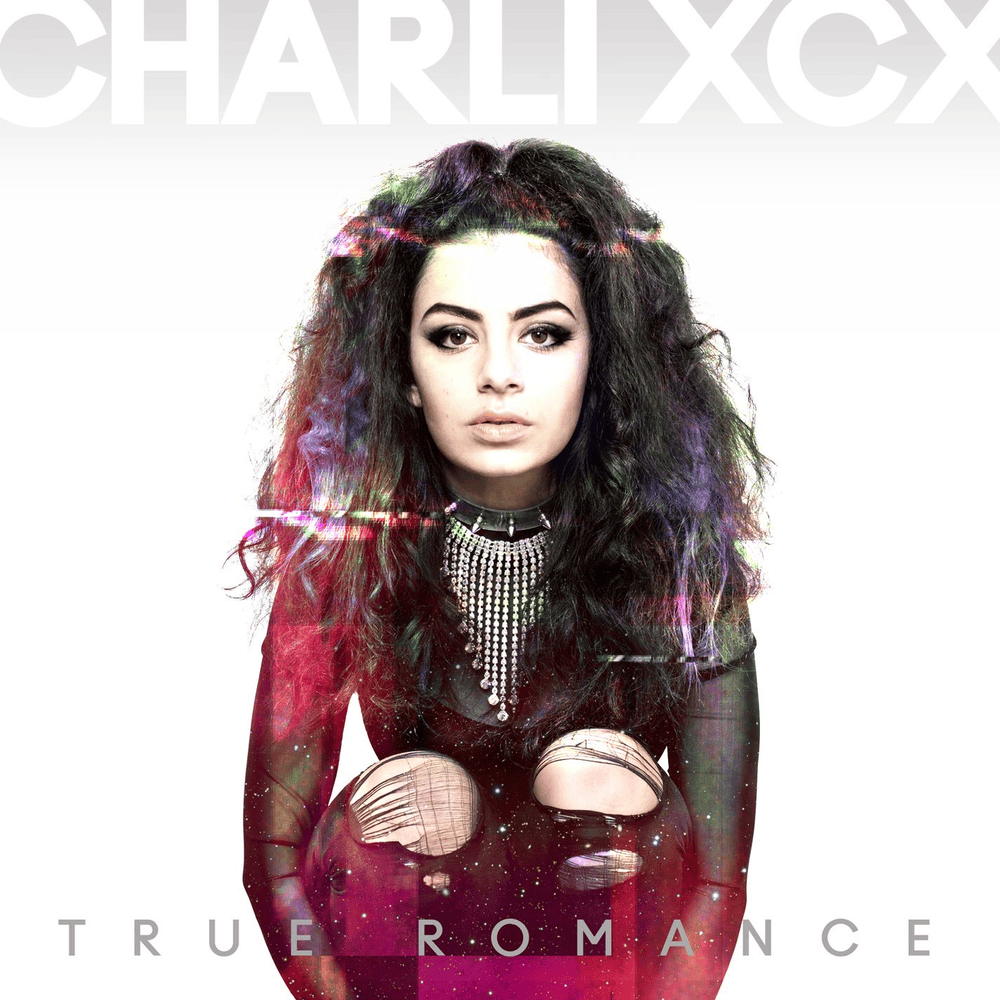
A new generation’s Kate Bush?
Named after the 1993 Quentin Tarantino-written Tony Scott film, True Romance, British singer Charli xcx’s debut album is 1980s synthpop with modern pop sensibilities.
Opener Nuclear Seasons is a solid opener, evoking the spirit of 1980s Kate Bush pop, with a slight experimental edge. You (Ha Ha Ha) is mostly ruined by annoying chipmunk vocal chops. Charli ponders how she can fix what she’s fucked up on the banging How Can I. There’s some hip-hop influenced songs like What I Like and Cloud Aura, though the latter could do without Brooke Candy’s feature.
Charli xcx isn’t quite the innovative pop star she will inevitably become, but she shows great promise on her debut.
70 / 100
Daft Punk – Random Access Memories
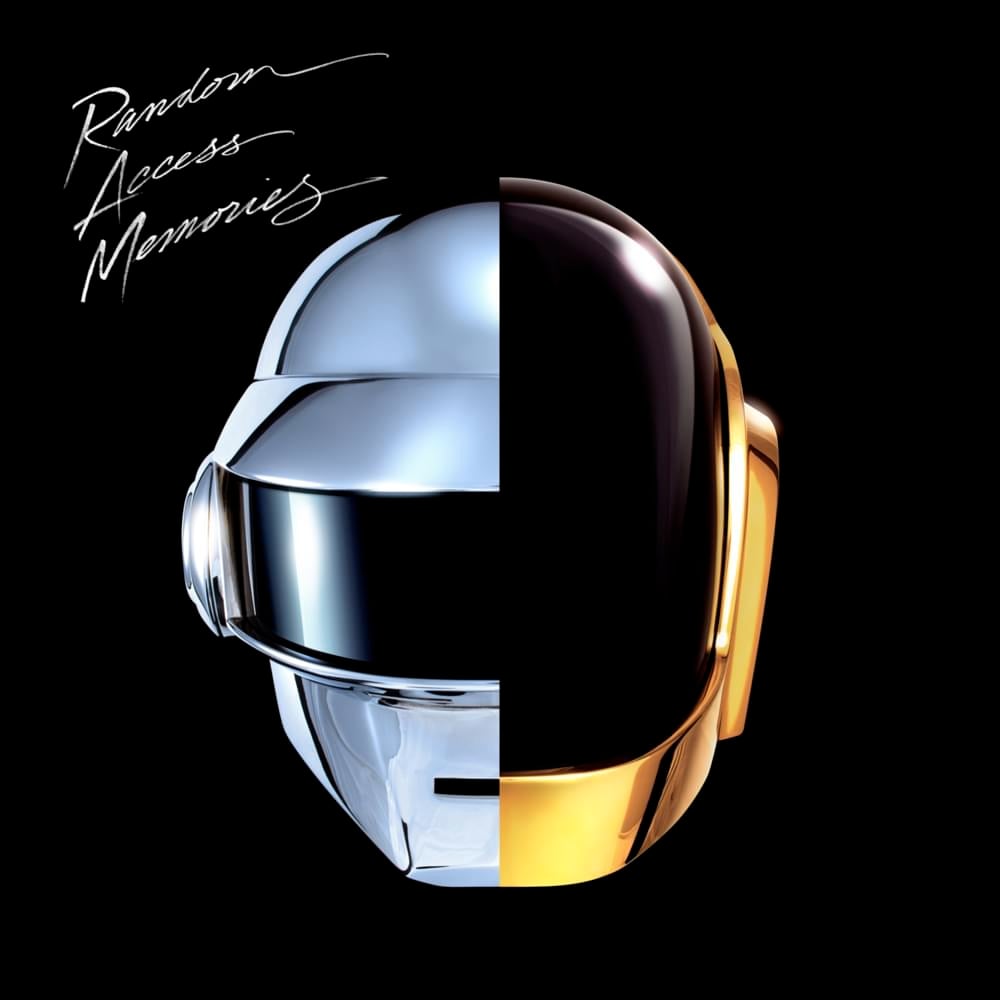
Daft Punk makes a star-studded disco album.
For their fourth (and now final) album, Daft Punk decided to make a slick, 70s influenced disco album, full of incredible guest appearances. Random Access Memories is both their most accessible and most radio-friendly album, but no less exciting than previous works.
The five singles off this album were all massive. The Pharrell Williams and Nile Rodgers sung lead single Get Lucky was an inescapable hit. Williams also sings on Lose Yourself To Dance. Instant Crush features Julian Casablancas of the Strokes and Doing It Right has Panda Bear from Animal Collective.
There’s Give Life Back To Music, which features the robotic vocoder vocals that are more typical of classic Daft Punk. Giorgio Moroder also makes an appearance via a recorded interview about the origins of the disco beat, on Giorgio By Moroder.
This album has a great mix of radio-friendly hits and old school sounding Daft Punk vocoder songs and instrumentals, so it’s no surprise this album was such a blockbuster smash hit, pleasing old fans and acquiring new ones in the process.
Random Access Memories may be the outlier in Daft Punk’s discography, but it’s also their most ambitious album.
90 / 100
Trivia: Random Access Memories won Album Of The Year and Best Dance/Electronica Album at the 56th Annual Grammy Awards.
Danny Brown – Old

Danny Brown follows up XXX with a decent, but underwhelming album.
With XXX, Danny Brown’s 2011 mixtape (or album, depending on who you ask), the Detroit rapper had created a modern rap classic, where every song was memorable. The rhymes were savage and hilarious and Danny Brown’s persona was dripping with charisma.
I really don’t have much to day about Old, other than it’s a bit on the long side and is serviceable enough. Compared to XXX, it feels much more generic, missing the extremely high highs of that album or it’s addictive beats. A good album, but not one I can see myself revisiting often.
70 / 100
David Bowie – The Next Day
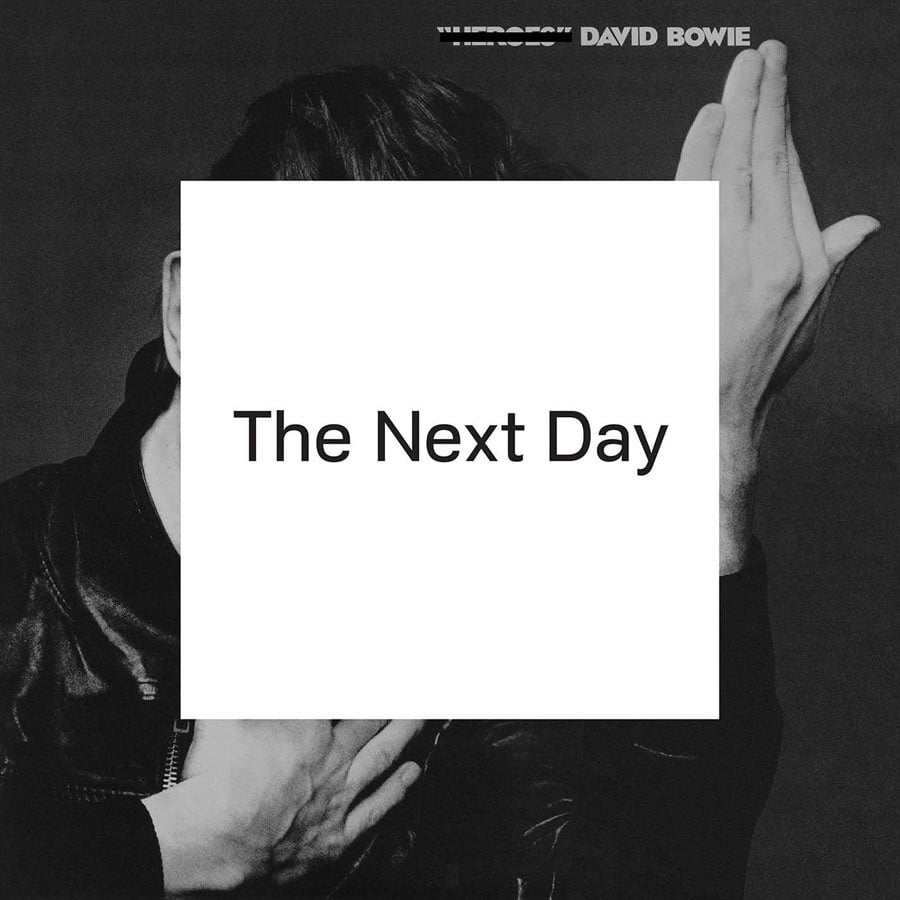
David Bowie comes out of retirement.
In 2013, David Bowie had long since retired to focus on his family and his declining health. His last album was Reality and though it had a few good tracks and nothing offensive or bad, it was too lightweight of an effort to be a final album for an artist like David Bowie.
And then out of nowhere, nearly a decade later, comes an album with an image that vandalizes the “Heroes” album cover. I genuinely thought it was a joke. But, this is David Bowie we’re talking about. Provocateur. Pioneer. Of course he’d do something like defacing the cover to one of his greatest works.
After you get past the odd artwork, you will find Bowie in top form. This is a more mature and comfortable Bowie, but he’s leaning more into his classic artistry, with a sharp focus that had been missing since 1980’s Scary Monsters (And Super Creeps).
The title track has Bowie sounding a bit unhinged, like he’s gotten a new lust for life since coming out of retirement and surviving a heart attack. The song can be compared to the styles of his underrated 1979 album, Lodger. There’s Dirty Boys with its baritone sax and sleazy groove. The Stars (Are Out Tonight) has some great bass work and Love Is Lost is has a dark, almost post-punk texture to it.
Lead single Where Are We Now? is one of Bowie’s best ballads, like a new age Five Years. Valentines Day mixes upbeat guitars and shalalalas to lyrics about a school shooter, using cupid and his arrows as a metaphor. I’d Rather Be High also sticks out, due to its eastern sound and cheeky chorus.
The Next Day might not quite compare to Bowie’s best albums from 1970-1980, but it comes closest than anything since.
85 / 100
Death Grips – Government Plates
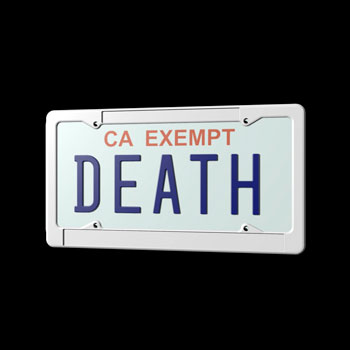
Death Grips make an experimental record that slightly fails to match the heights of its predecessors, but still provides enough thrills to warrant an interest.
On Death Grips’ fourth album in three years (if you include the mixtape, Exmilitary), they continue to push forward with typically enthralling production, adding in some experimental vocals this time around.
Compared to his role on the previous albums, MC Ride’s vocals are more abstract and unconventional here, often being looped and pitch-shifted. This results in an album that doesn’t quite feel like an instrumental album, nor a traditional one, but something in between. It does marginally detract from the overall experience, but it’s also what gives the album a unique quality in the band’s discography. If you want Exmilitary or The Money Store, then one can always just relisten to those.
The best songs here are easily the lengthy-titled, Bob Dylan referencing, You Might Think He Loves You For Your Money But I Know What He Really Loves You For It’s Your Brand New Leopard-Skin Pill-Box Hat and the Robert Pattinson-featuring Birds (yes, you read that right). Elsewhere, the production never lets up and will still provides that electrifying Death Grips experience.
75 / 100
The Flaming Lips – The Terror

The Flaming Lips release their bleakest, most nihilistic work.
Following in the footsteps of the band’s 2009 album Embryonic, The Terror sees The Flaming Lips continuing down a path of musical and lyrical darkness, while also indulging in the experimental electronics of the previous year’s collaboration album, The Flaming Lips And Heady Fwends.
You won’t find the bright eyed optimism of anything from The Soft Bulletin, Yoshimi Battles The Pink Robots or At War With The Mystics on here. Instead, you will feel like you just took too much acid alone in an unfamiliar place, and are being confronted by the horrors of your own isolation. But, there is beauty in the fear that Wayne Coyne and the band are sonically projecting onto you.
Where Embryonic was laced with guitars, The Terror is more electronically-driven, allowing the band to drone with hypnotic synths, most evident on the 13 minute-long You Lust. While nothing here resembles anything commercial like, The Yeah Yeah Yeah Song or She Don’t Use Jelly, there are still plenty of memorable moments and interesting motifs.
Look… The Sun Is Rising is what it must feel like to be trapped inside a psychedelic factory, where every mechanical noise is a different musical note. Try To Explain is like the sunlight shining through the slits of the curtains, barely reaching your eyes, but providing just enough light to keep you hanging on just a little bit longer. Always There, In Our Hearts ends the album with a schism of corrosive music and hopeful lyrics.
A very stoned and trippy album that will transport you into a distant world and depress you for an hour.
75 / 100
Iggy & The Stooges – Ready To Die
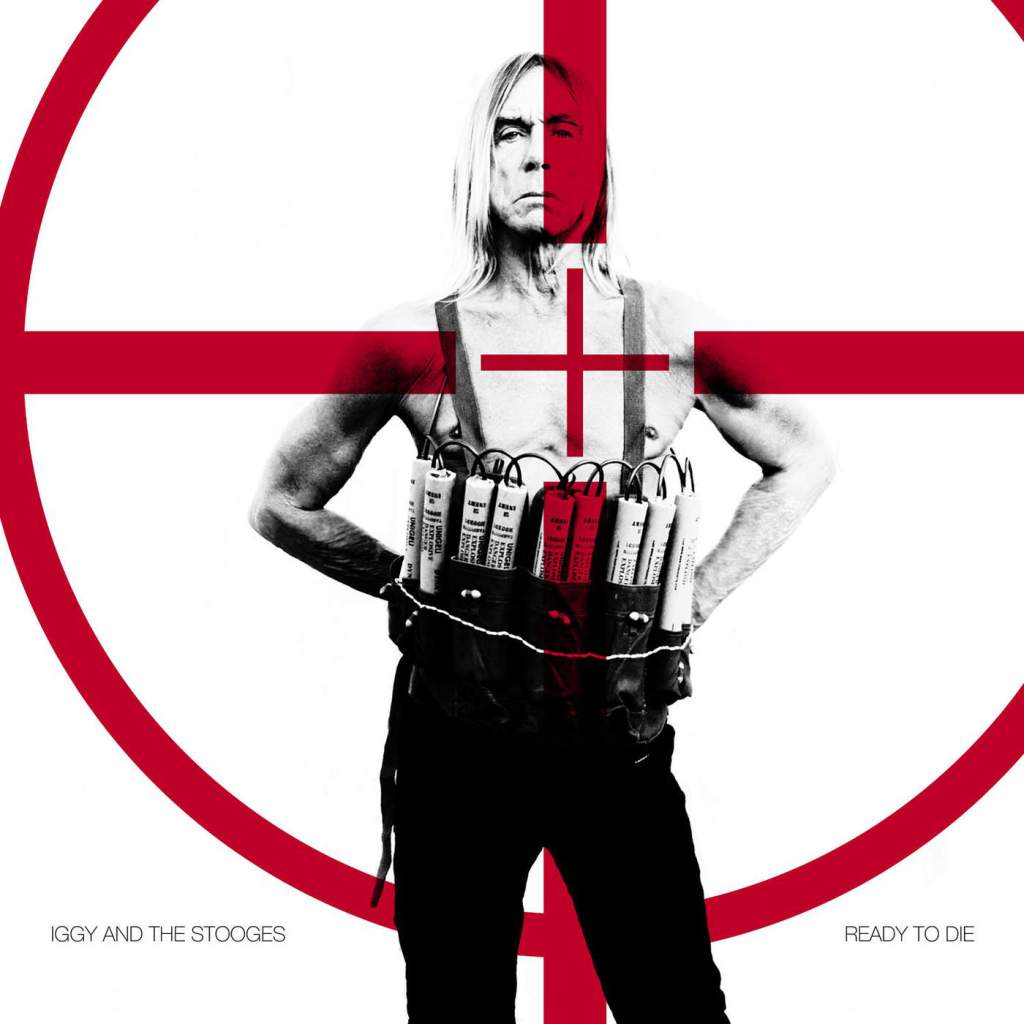
Iggy & The Stooges return one last time.
Compared to 2007’s The Weirdness, which featured the original Stooges lineup (minus bassist Dave Alexander, who died in 1975), Ready To Die sees the return of guitarist James Williamson (who replaces the late Ron Asheton this time). Williamson had previously played lead guitar on 1973’s Raw Power — and because of this, this album has more in common with Raw Power, whereas The Weirdness shared more DNA with The Stooges and Funhouse. Drummer Scott Asheton and saxophonist Steve Mackay also return, though Steve Albini has been swapped out as producer for Williamson himself.
James Williamson is a stronger guitarist than Ron Asheton ever was (though I still liked Asheton’s simple punk style), so Ready To Die does sound slightly better than The Weirdness, at least musically speaking.
Burn is a solid opener and does a better job as such than Trollin’ did on The Weirdness. The sax-accentuated Sex & Money is another highlight, as is the title track. DD’s shows that the immaturity of The Weirdness hasn’t fully-dissipated. Unfriendly World is very uncharacteristic of The Stooges, having lap steel guitar. The Departed ends the album with a repeated motif from the band’s earlier hit, I Wanna Be Your Dog, acting like a bookend to the band’s legacy.
Ready To Die might be a more accomplished album than The Weirdness was, but half the album just didn’t feel like the Stooges and felt more like a solo Iggy Pop album — and it just wasn’t as much fun as that album was, despite being better in some ways. Still, this album does work better as a final album than their 2007 reunion album did.
60 / 100
Kanye West – Yeezus
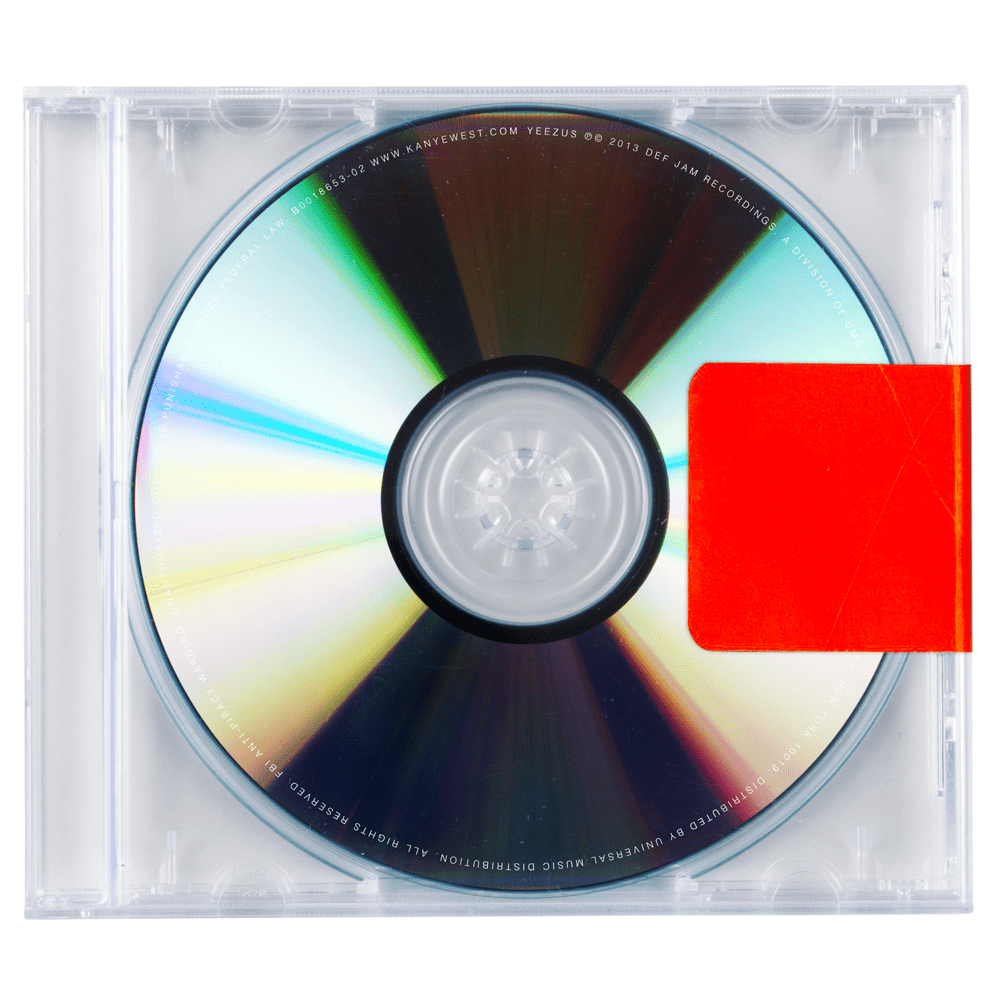
Kanye West makes a lean, mean industrial rap album that redefines his style.
Kanye had given hours of Yeezus recordings to Rick Rubin, who then stripped the production down to make it more minimalist and cut off all and any fat, resulting in 40 minutes of sheer, sonic perfection. Like many fans, I’m curious about what got left behind, but this strict editing led to Kanye’s leanest record (after consistently releasing 50-75 minute albums in the past).
Taking a possible influence from recent acclaimed experimental rap albums, like Exmilitary and The Money Store by Death Grips, Yeezus sounds like an evolution of rap into the unknown, where nothing is off limits and convention is left at the door. West had already transformed hip-hop twice already: once with the chipmunk soul that was popularized on JAY-Z’s The Blueprint and on his own debut, The College Dropout, and a second time with the emo rap of 2008’s 808s & Heartbreaks, so another reinvention is not surprising.
Daft Punk were producers on 4 out of 10 of the tracks, including the buzz saw opener On Sight, which introduces the world to a new Kanye that knows no bounds; one who doesn’t want to be constrained by any commercial pressures and will go into as strange of territory as he desires to as an artist. He’s now too big to fail and its liberated his madness and vision.
Black Skinhead is an absolute powerhouse of a song, with what sounds like tribal chanting. I Am A God sees Kanye take his ego to the next level and features a returning performance from Justin Vernon of Bon Iver (who previously appeared on My Beautiful Dark Twisted Fantasy). New Slaves has what are perhaps Kanye’s best bars yet, as well as a change up at the end from metallic industrial banger into a beautiful, soulful, Frank Ocean-sung outro. Hold My Liquor also has Vernon and a guitar solo from frequent collaborator/producer, Mike Dean.
I’m In It is probably Kanye at his all time horniest/perviest (look no further than the sweet and sour sauce line), but is just pure sonic candy, with so much going on. Kid Cudi appears on the futuristic soul ballad, Guilt Trip. Blood On The Leaves sees a controversial use of Nina Simone’s rendition of Strange Fruit and is one of the most definitive Ye songs yet. Send It Up is a siren-heavy drill song. Bound 2 has no drums and is all about its sample, but for being such a simple song, it’s still one of his best and most endearing.
It’s hard to say whether Death Grips directly influenced Kanye or not, but I can definitely hear it in its sonic element, such as screeching, abrasion, yelling, screaming and a general aggression, but none of it actually feels like imitation. In fact, it feels like Kanye is revealing his id to the public, and is no longer attempting to be on his best behaviour (not that he ever really was).
I can see how this album would turn off fans of his first five albums, but it’s paving the way for the future of Kanye West and for the endless possibilities he can explore in his music. A flawless album with absolutely nothing to alter.
Trivia: Yeezus was one of the last albums that Lou Reed (the Velvet Underground) wrote about before his death later in 2013, where he praised it and said that nobody else is even close to doing what Kanye is doing.
100 / 100
The Killers – Direct Hits
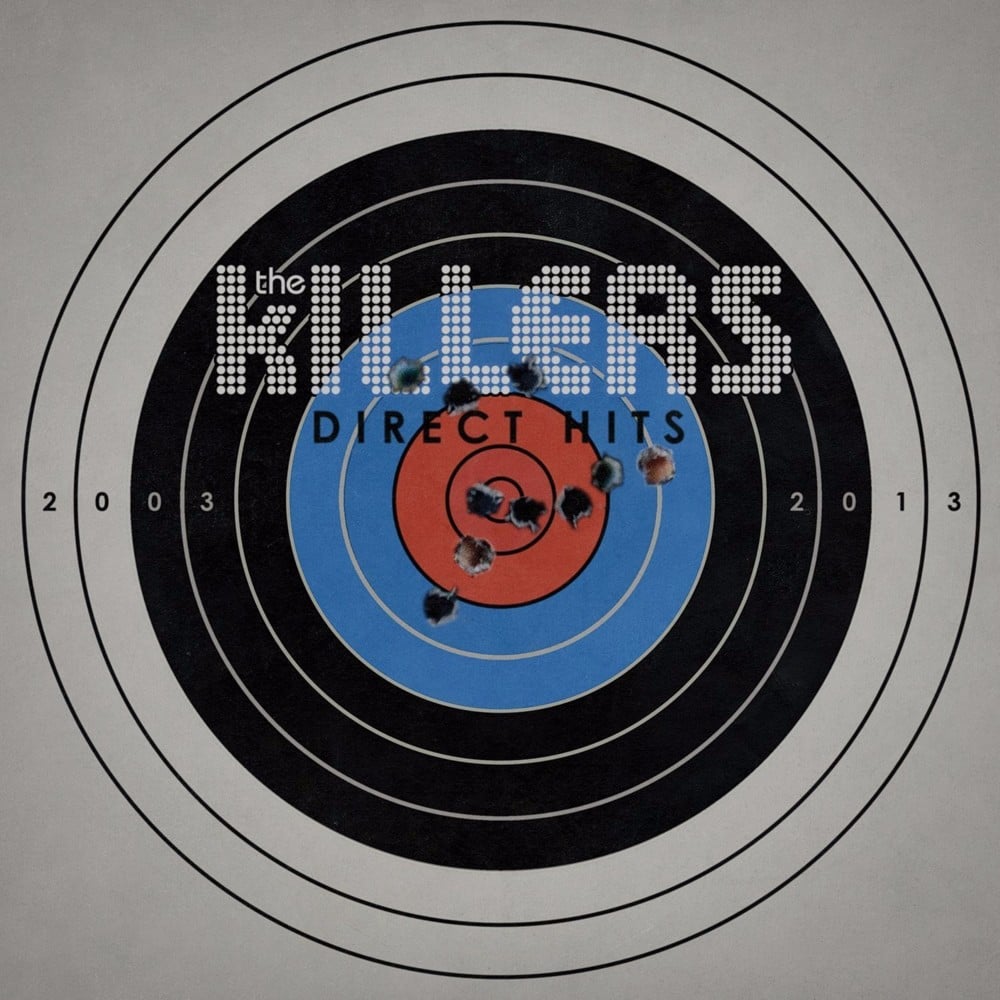
The Killers release a greatest hits compilation.
After releasing four albums (two of which are great, two of which aren’t) and finding themselves in a bit of a creative lull, The Killers felt compelled to release a greatest hits collection, along with a couple of new tracks.
Most of the essentials are here (although, Jenny Was A Friend Of Mine would have been a nice addition), but the album really takes a dive in quality after leaving Sam’s Town for Day & Age. Songs like Human and Spaceman resonated with some listeners, but I found them to be a step down from generational classics like, Mr. Brightside, Somebody Told Me and When You Were Young. Things get even worse when you get to the songs from Battle Born, and while none of these songs are outright bad, they are just downright boring.
The album is sequenced chronologically, so it’s tempting to turn it off at the halfway mark, but at least the first half is excellent.
70 / 100
MGMT – MGMT
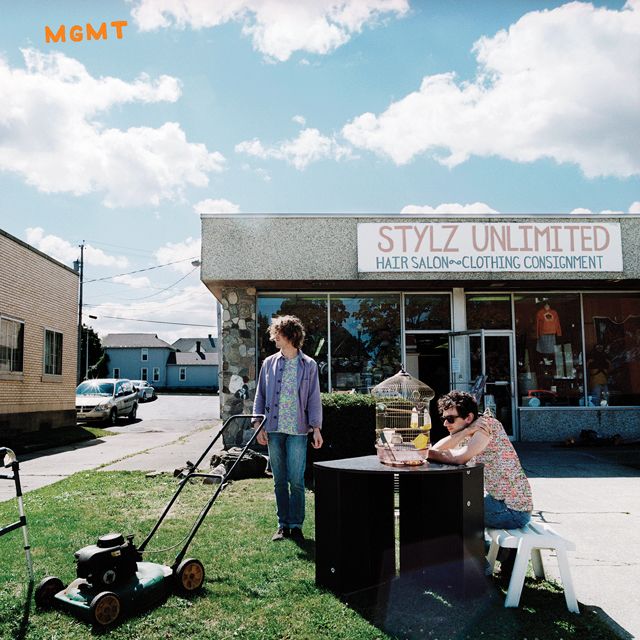
MGMT gets really weird with it on their eponymous third album.
After becoming overnight indie stars in the late 2000’s with Oracular Spectacular, MGMT’s sophomore album, Congratulations, confounded many listeners, who were expecting and wanting more radio-friendly ear-worms, like Kids, Electric Feel and Time To Pretend. It featured some of the band’s best songs yet, like the 12 minute-long Siberian Breaks and the acoustic title track.
Instead of course-correcting and giving the fans what they thought they wanted, MGMT treats the listener to a batch of even more experimental songs than what was on its predecessor. Producer extraordinaire Dave Fridmann also returns, after having been absent on Congratulations.
Where Congratulations still had pop appeal blended-in with the experimentation of its songs, MGMT sounds very anti-commercial for most of its runtime. The songs generally lack any semblance of a hook and have so much going on, with clashing rhythms and overlapping sound effects, that it initially overwhelms the senses, but that aural chaos is part of what makes this album so special; it’s a total mind-fuck. If you can sit through the noise, you will unearth some truly rewarding sounds.
Opener Alien Days might initially give the impression that the album won’t be too weird, but it only gets more bizarre from there. It’s like being abducted by aliens and the craziness that ensues is the result of that. The aptly named Cool Song No. 2 feels like something is about to go very wrong, but never quite does, with it’s dark and looming vibe. Introspection is a cover of an obscure song from 1968, but had you not known that, you’d have probably guessed that it was just an MGMT song.
Your Life Is A Lie might be lacking in subtlety and seem a bit like the band is jumping the shark, but knowing about the sense of humour that the duo possesses, it would lead the listener to believe the song is ironic and supposed to be campy. Once you see it that way, it becomes more enjoyable.
The second half of the album might feel like it falls off after the somewhat more conventional side 1, but that’s where you have to just let yourself go and be absorbed by the textures and atmosphere.
As important as any other album in the MGMT canon.
80 / 100
my bloody valentine – m b v
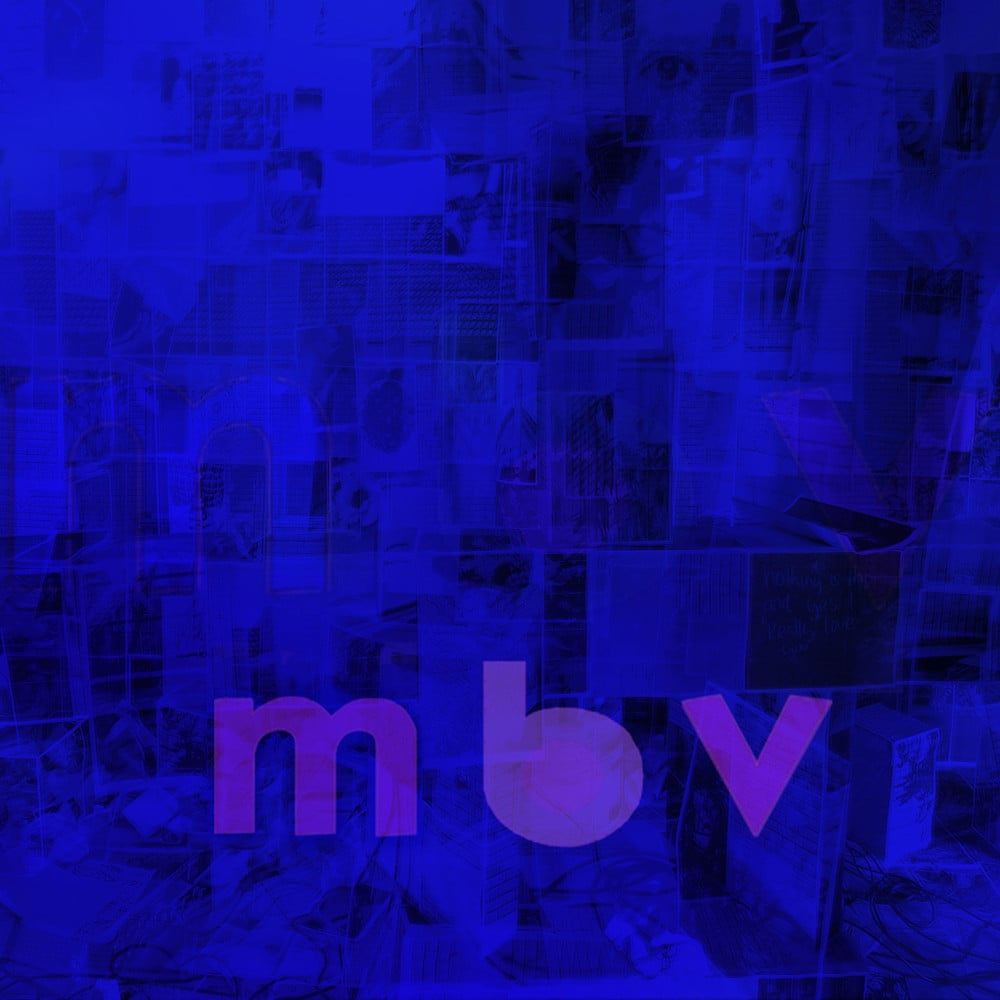
my bloody valentine release their long-awaited third LP.
22 long years after Loveless, my bloody valentine finally gave fans some new music, with m b v: an album every bit as flawless and obsessed-over as its predecessor.
The ethereal opener, She Found Out, sounds like no time has passed at all since 1991, but like the songs on that album, is still hard to pinpoint exactly when the song is from — it can be from the past or from the future, and that’s part of the brilliance of most of my bloody valentine’s music. only tomorrow and who sees you carry a similar musical shade as the first track, with a balancing of both beauty and pain, a combination that few bands have mastered. is this and yes is a mostly instrumental song, with spacey organs and starry chimes.
new you is probably the closest thing to a single here, with it’s optimistic guitar phrasing and typically pretty, calming vocals of Bilinda Butcher. nothing is has almost no variation in its 3 and a half minute runtime, but the slowly-building tension is what makes it so fascinating. wonder 2 sounds as if the guitars are processed through the turbines of a commercial airplane and gives soon a run for its money for the band’s best closing track.
A serene dream of an album from start to finish. Go put on some nice headphones, crank up the volume and let yourself be carried away on the wings of sonic ecstasy for 46 minutes. It may have taken two decades, but it’s here now to enjoy infinitely.
100 / 100
Nick Cave & The Bad Seeds – Push The Sky Away
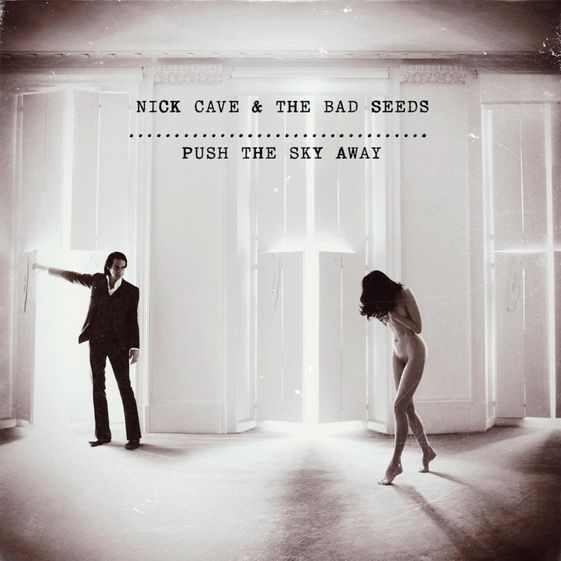
Nick Cave begins to experiment with ambience.
After the more conventionally rock n roll, Dig!!! Lazarus Dig!!!, and the two Grinderman albums, Nick Cave & The Bad Seeds were looking to change things up, and instead began to pull back on the rock elements and start focusing more on texture and nuance.
We No Who U R, Wide Lovely Eyes and Water’s Edge are all songs with subtle instrumentation before leading into Jubilee Street, a guitar-based song which crescendos into a finale that is only topped by witnessing it live. The album returns to the more downbeat, textural style in Mermaids and We Real Cool, before returning to a familiar place on Finishing Jubilee Street. Higgs Boson Blues is familiar to Jubilee Street, with it’s focus on guitar blues and then the album caps off with the haunting title track.
Nick Cave & The Bad Seeds have been tweaking and altering their style for decades at this point, going from gothic post-punk to piano ballads to gospel rock, and Push The Sky Away finds them at another brilliant reinvention. It’s amazing that 30 years on, these Aussie art rockers are still able to push themselves into the year end’s best of lists.
90 / 100
Nine Inch Nails – Hesitation Marks

Nine Inch Nails returns after a 5 year hiatus.
Following half a decade’s absence and then releasing a plethora of music between 2005 and 2008 (three studio albums and a double instrumental album), Nine Inch Nails had disappeared for another half of a decade. In this time, Trent Reznor and Atticus Ross started branching-out into film scores, creating the soundtracks for David Fincher’s The Social Network and The Girl With The Dragon Tattoo. This wasn’t so surprising, considering NIN had already contributed songs for film soundtracks in the 90s, like Oliver Stone’s Natural Born Killers and David Lynch’s Lost Highway.
Hesitation Marks finds the band revisiting the sound of their synthpop debut, Pretty Hate Machine, along with the hindsight influence of the industrial sound that they had pioneered on Broken and The Downward Spiral; even the cover art is reminiscent of the latter. However, this time, Trent Reznor is able to revisit the past with stability, having slain his demons of addiction and depression at the turn of the millennium.
This sound is evident on Copy Of A, which is one of the band’s most fun singles since their early days and one of their best tracks yet. Came Back Haunted is another top-tier NIN single, with a slightly more aggressive sound and a hypnotic groove. Both of these songs are destined to be concert staples.
Like Pretty Hate Machine, this album may not be as heavy and nihilistic as most of the band’s works, but it is far from selling out into pop. There’s still plenty of industrial heaviness popping up through these songs and it never drops below the musical threshold that the band’s debut had set.
Hesitation Marks is like revisiting the past with the wisdom and knowledge of your present self.
75 / 100
Paramore – Paramore
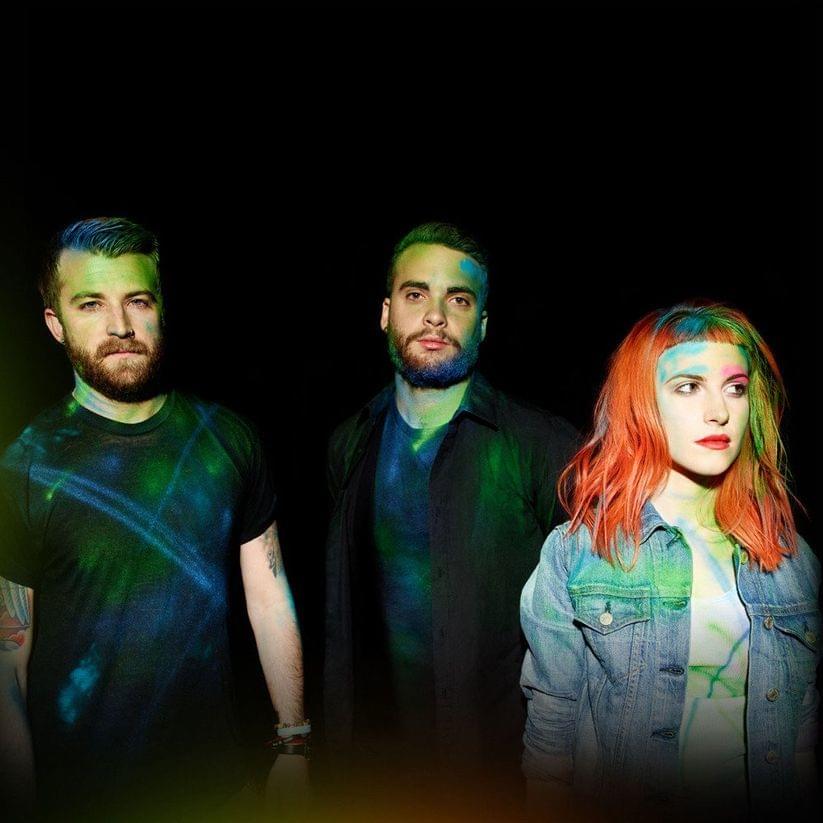
Paramore reintroduces themselves as a trio and releases their most ambitious work yet.
Following the departure of both guitarist Josh Farro and his brother, drummer Zac Farro, Paramore was left as a trio with Hayley Williams, Taylor York and Jeremy Davis as the remaining members. Compared to the pop punk and emo of their first three albums, Paramore is truly a reinvention, one that boldly experiments and only teases at what the band sounded like in the late 2000s.
Fast In My Car is an opener that sees this new iteration of Paramore confident as ever. Now, Ain’t It Fun and Still Into You are are stunning singles. Part II sounds like a mix of Paramore with the new wave sound of early U2 or The Cure. Future closes the album with a contemplative build, before giving way to the heaviest that Paramore has ever sounded. There are also three brief ukulele interludes that give the album somewhat of a conceptual feel.
Paramore features a lot of diverse mixes of sounds and a delicate balance of pop and experimentation. It’s the most colourful album the band has made yet and a wonderful start to this new era of the band.
85 / 100
Pearl Jam – Lightning Bolt
Pearl Jam releases their first album since their twentieth anniversary.
Released four years after their last album (Backspacer) and two years after the PJ20 tour and documentary, Lightning Bolt finds the Seattle legends making more of the music that they love to make.
Getaway is no Once or Go, but it’s still a decent opener for an album 20+ years into the band’s career. Lead single, Mind Your Manners is a punk-tinged song, similar to their 1994, grammy-winning song, Spin The Black Circle. The second single, Sirens, is a ballad with pianos, an instrument not often associated with PJ.
This is your typical post 90s Pearl Jam album, with plenty of bloat, but nothing below average. The band still knows how to rock, but they could have cut out a third of the album and honed in on the remaining songs.
60 / 100
Pusha T – My Name Is My Name

Pusha T releases his first solo album.
Since the dissolution of Clipse (the duo Pusha T formed with his brother, Malice), Pusha T has subsisted as one of Kanye West’s greatest collaborators, being featured on several songs on his magnum opus, My Beautiful Dark Twisted Fantasy, as well as on the GOOD Music project, Cruel Summer.
Despite how prolific he was, fans were awaiting a Pusha T solo project and My Name Is My Name does not disappoint. It’s no classic, but it offers enough hip-hop thrills and shows that Pusha T can sell records on his own.
Kanye West produces 7 out of 12 songs, including the chipmunk soul opener King Push, the badass Numbers On The Boards, the Rick Ross featuring Hold On, the ballad Sweet Serenade and the Kendrick Lamar featuring coke jam, Nosetalgia. Pharrell Williams (who produced Clipse as the duo The Neptunes) produces Suicide and S.N.I.T.C.H. The weakest songs here are ones that aren’t produced by either West or Williams, but even those are far from bad.
A strong debut for one of hip-hop’s greatest rappers.
80 / 100
Queens Of The Stone Age – …Like Clockwork

Josh Homme returns from the dead and makes one of his best albums yet.
After having briefly died during a surgery, resulting in having to be resuscitated, Josh Homme must have been having some insane feelings about life, death and artistry. The intense experience he survived led to one of the band’s greatest projects yet, the curiously-titled, …Like Clockwork.
The heavy riffing My God Is The Sun was the lead single, and was the band’s first new song since 2007. The six year long wait was finally over and Josh and the boys were back in top form.
This album featured the biggest guest list of any QOTSA album yet. You had returning musicians, like Dave Grohl (Foo Fighters, Nirvana), Nick Oliveri (Kyuss, QOTSA), Mark Lanegan (Screaming Trees, QOTSA), and Trent Reznor (Nine Inch Nails), as well as appearances from newer collaborators, Alex Turner (Arctic Monkeys, The Last Shadow Puppets), Elton John, Jake Shears (Scissor Sisters) and drummer Jon Theodore (The Mars Volta).
I remember buying this on CD the day it came out. I inserted the CD inside my car and heard Keep Your Eyes Peeled, a song that starts, feeling like you had just come back from the dead, just as Josh had. I Sat By The Ocean was the second single and has some excellent guitar work. If I Had A Tail features Alex Turner of Arctic Monkeys on backing vocals, a favour that would be returned by having Josh Homme make an appearance on their album AM, released a few months after …Like Clockwork.
The Vampyre Of Time And Memory, I Appear Missing and the title track are Josh had his most meditative and emotional. Kalopsia is one of the band’s dreamiest compositions. Fairweather Friends has Elton John on backing vocals and piano. Smooth Sailing is one of the sexiest songs in the band’s canon, up there with Make It Wit Chu.
A masterful comeback from the dead for Josh Homme and the most complete, focused and concise QOTSA album yet.
100 / 100
Run The Jewels – Run The Jewels
An unlikely duo is born.
ATL rapper Killer Mike (who’s early success included being featured on OutKast’s Stankonia) and cult NY producer and rapper, El-P, teamed up and formed a duo that few could have predicted would become as successful as it became.
The title track introduces the duo to the world of RTJ with sheer and utter confidence. Banana Clipper sees a feature from OutKast’s Big Boi. A Christmas Fucking Miracle might just be the best Christmas song of all time.
What could have been a one-off project has become one of the most fruitful and interesting collaborations in rap music.
85 / 100
Steven Wilson – The Raven That Refused To Sing (And Other Songs)

Steven Wilson makes an ode to prog.
Steven Wilson has never been one to shy away from wearing his influences on his sleeve. Early Porcupine albums sounded a lot like Pink Floyd, albeit with some 90s elements, but you could tell they were his guiding light. In contrast, this album truly feels like a long lost great prog album of the 70s, with better production, and avoiding the worst excesses of that period.
This album embraces the best of bands like King Crimson, more than Pink Floyd, right down to its album cover, which could draw parallels to In The Court Of The Crimson King, along with its jazz fusion influence. Luminol and The Holy Drinker are two of Wilson’s heaviest and most intense solo songs, with twisting time signatures and various tempo changes. The rest of the songs (Drive Home, The Pin Drop, The Watchmaker and the title track) fall more into ballad territory, but like classic prog ballads, such as King Crimson’s Epitaph, they are sincere and captivating.
Possibly the most definitive Steven Wilson solo album yet, and the closest one to rivalling Porcupine Tree’s greatest albums.
80 / 100
The Strokes – Comedown Machine
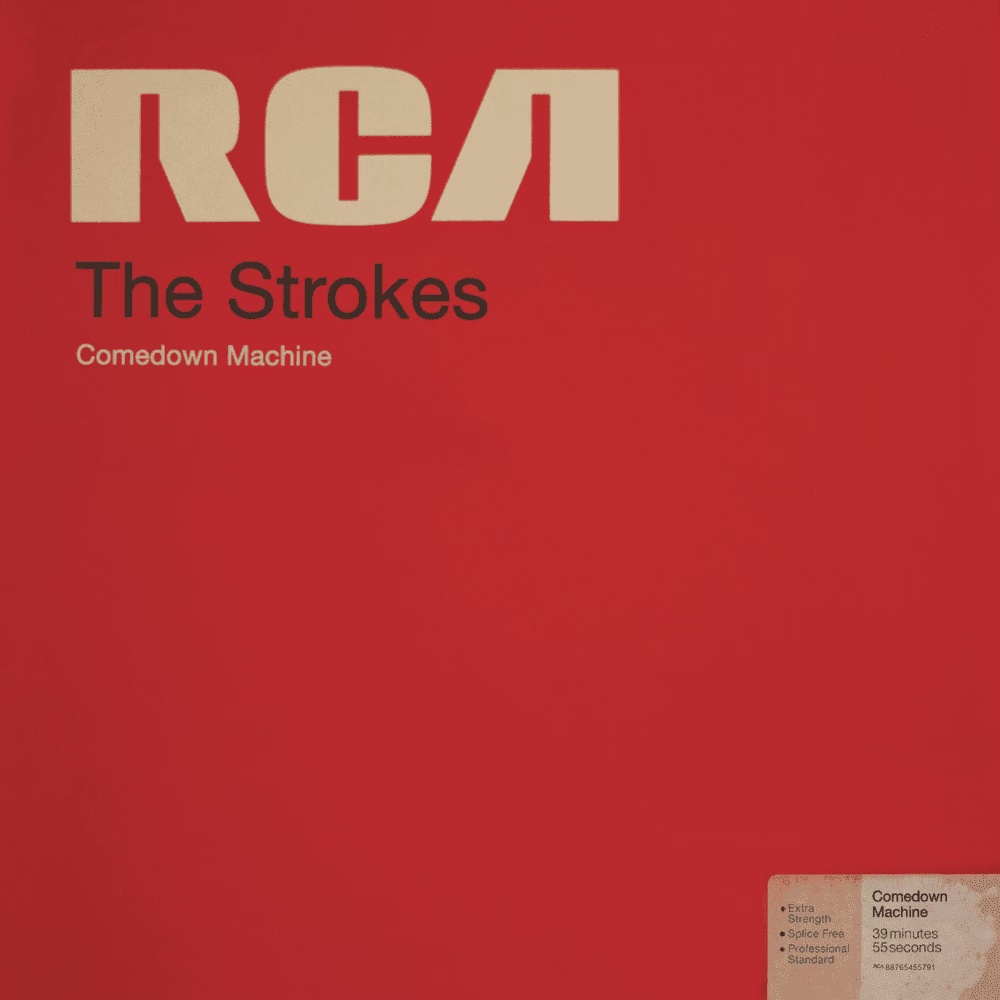
The Strokes make another 80s-influenced album.
2011’s Angles polarized fans, as it abandoned the band’s gritty, 1970s sleaze, NYC punk, indie rock sound in favour of 1980s new wave. It had also been their first album in six long years, so expectations were high.
Only two years later, they released Comedown Machine, which has been felt as a major letdown from fans. The album artwork resembles an old RCA demo tape, which may have confirmed the fear that some fans had speculated: that this album was rushed out to fulfill a contract with RCA, thus the low effort artwork.
Even if that’s so and despite public opinion that this is the worst Strokes album, I still think there’s a lot to enjoy here and find it more interesting than the overlong, dully-produced First Impressions Of Earth. Julian Casablancas’ falsetto is also all over this album, but I happen to enjoy when he sings that way.
One Way Trigger sounds reminiscent of 80s pop, like A-Ha’s Take On Me, though I admit to liking it a lot more than that album. Welcome To Japan evokes well… Japan, with it’s exotic guitars and has Casablancas begging the question of what kind of asshole drives a Lotus? 80’s Comedown Machine uses a cascade of synthesizers to create a hypnotic ballad. 50/50 feels like a throwback to the Strokes’ earlier style. Call It Fate, Call It Karma is one of the most unique songs in the band’s back catalogue and is one of their best songs for it, with its lounge vibes.
The entire album is quite good and is not getting the love it deserves. The 80s sound here has tighter production than Angles, and while not as colourful as that album, it’s more refined than it. This is well worth a retrospective listen if you initially dismissed it.
80 / 100
Vampire Weekend – Modern Vampires Of The City
Vampire Weekend make their most artistic and sophisticated album yet.
Vampire Weekend’s first two albums are great, but I can see how they could also be a bit grating to some people. I enjoyed those albums, but I understand why someone may not like the band’s afrobeat, Paul Simon/Peter Gabriel sound and their preppy college kid image.
That’s where this album differs. They tone things back on this album, get a bit darker and are more experimental in the process. As good as the preceding two albums were, Modern Vampires Of The City just gets everything right and is easily the band’s magnum opus thus far.
An unusual drumbeat furnishes the gentle opener, Obvious Bicycle. Unbelievers shifts gears up with its lively organ. Step has some majestic piano embellished throughout that you can really feel in your bones. Diane Young has a fun time with its voice pitching. Hudson takes the album into a darker place with a militaristic beat that backs a haunting choir and somber bass lines.
The Grammys have never mattered to me, but there are times where albums like this do win a major award and it gives the cynic in me some hope that the Grammys aren’t always full of shit.
100 / 100
Trivia: Modern Vampires Of The City won Best Alternative Music Album at the 56th Annual Grammy Awards.
FIN
Britain Chambers

Leave a comment