Table Of Contents:
- Arcade Fire – Pink Elephant
- Black Country, New Road – Forever Howlong
- Bon Iver – SABLE, fABLE
- Clipse – Let God Sort Em Out
- Danny Brown – Stardust
- Deftones – private music
- Freddie Gibbs & The Alchemist – Alfredo II
- Hayley Williams – Ego Death At A Bachelorette Party
- JACKBOYS & Travis Scott – JACKBOYS 2
- Mac DeMarco – Guitar
- Mark Pritchard & Thom Yorke – Tall Tales
- The Mars Volta – Lucro Sucio; Los Ojos Del Vacio
- Nick Cave & The Bad Seeds – Live God
- Nine Inch Nails – Tron: Ares
- Playboi Carti – MUSIC
- Pulp – More
- Queens Of The Stone Age – Alive In The Catacombs
- Radiohead – Hail To Thief (Live Recordings 2003-2009)
- Steven Wilson – The Overview
- Tame Impala – Deadbeat
- The Voidz – Męğż Øf Råm
- Ye – DONDA 2
Arcade Fire – Pink Elephant
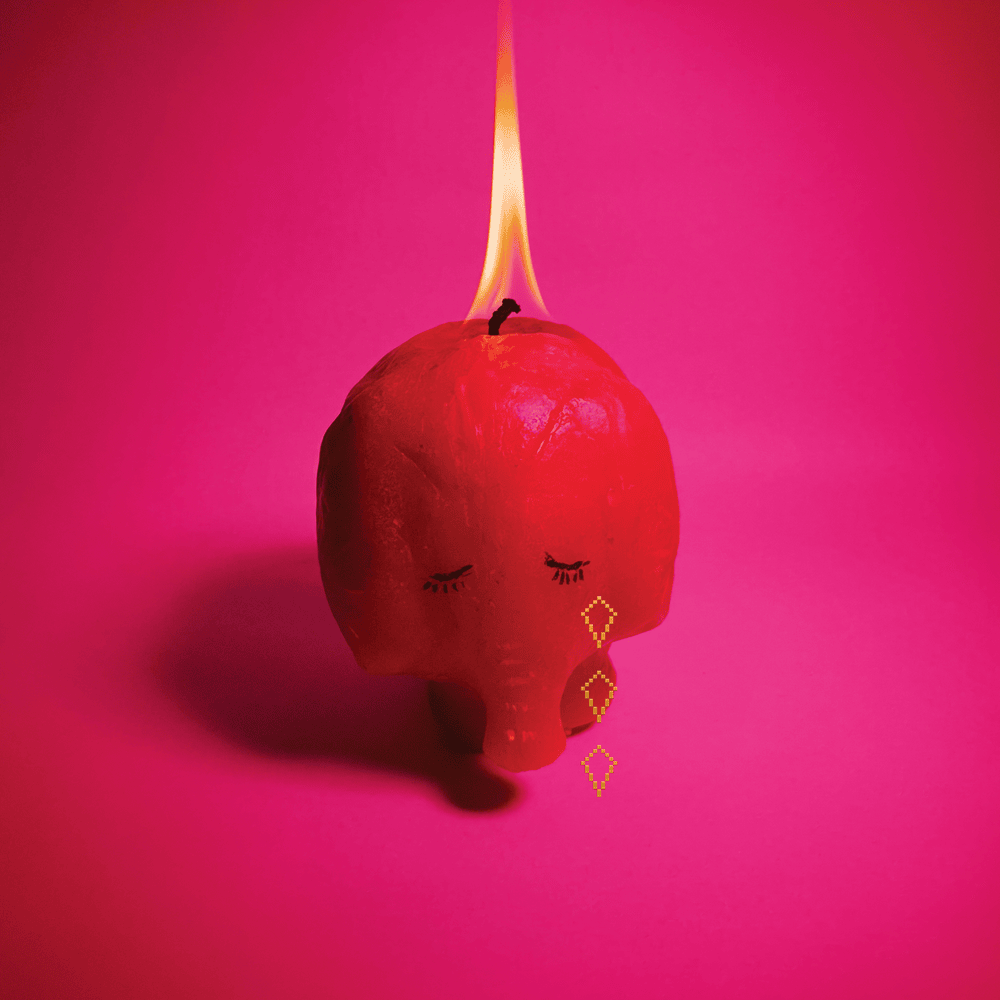
Arcade Fire moves on without Will Butler and works with legendary producer Daniel Lanois, whilst dancing around recent controversy.
Following a PR scandal where Win Butler was accused of “inappropriate behaviour” from different women, as well as Will Butler’s departure from the band, expectations were low for Arcade Fire’s new album. It seemed like people had already soured on the album before it released, and despite it being inferior to their defining works released between 2004-2013, Pink Elephant is still an album with itx merits.
Open Your Heart Or Die Trying is an ambient instrumental opener that doesn’t really go anywhere or do much, but I suppose it’s the band trying something new. That song then segues into the title track, which feels like modern Arcade Fire’s take on their old sound. The band has grown and expanded their influences since leaving behind their original sound on The Suburbs, but this song emanates nostalgia.
The first single, Year Of The Snake, definitely sounds like a Daniel Lanois product, faintly recalling him (and Brian Eno’s) earlier production works, like U2’s 1984 album, The Unforgettable Fire. On Circle Of Trust, we find some Reflektor era dance rock. Alien Nation is another electronic track, this time with a tinge of punk. Ride Or Die is one of the band’s most serene and calming songs yet. I Love Her Shadow sees a return of the more dance pop style heard on Everything Now. Stuck In My Head goes back to the band’s Funeral days; it’s not as powerful, mind you, but I still wouldn’t call it insincere either.
3 out of the 10 tracks are ambient instrumentals, on what is already the band’s shortest album yet, so don’t expect the grandiosity of the band’s more epic albums. And instead of politically-charged lyricism or directly addressing the scandal that lost the band so many fans over the past few years, Win Butler’s lyrics on Pink Elephant are much more personal, often alluding to Régine Chassagne.
You can call Pink Elephant unfocused, or you can say that it’s a retrospective mix of the different elements of the band’s history. It might not replicate what made albums like Funeral, Neon Bible, The Suburbs and Reflektor such instant classics, but it still has glimpses of the magic that the band once harnessed so much of.
75 / 100
Black Country, New Road – Forever Howlong
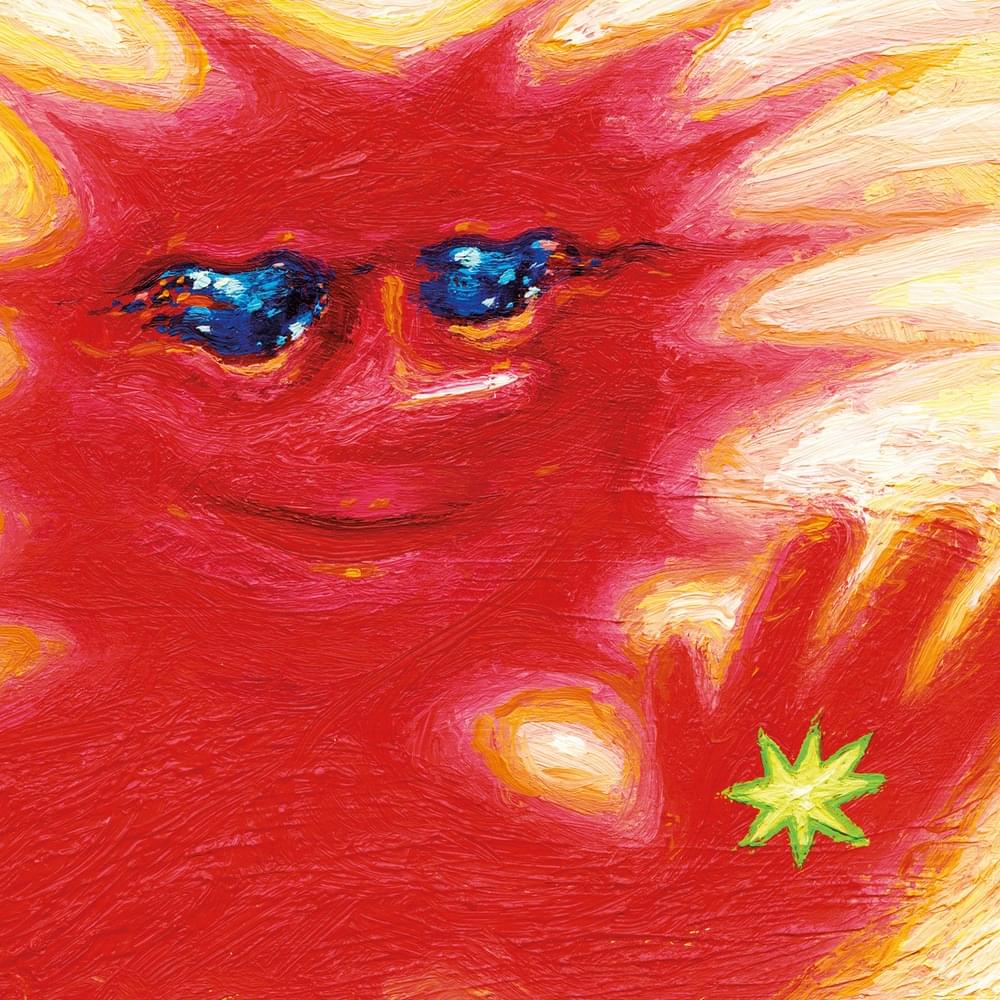
BCNR: Elememtary School Musical Edition
Following 2023’s Live At Bush Hall, which was recorded shortly after the departure of vocalist/guitarist Isaac Wood, Forever Howlong finds the band swapping out mature and melancholic themes for lyrics about friendship and positivity.
The three ladies of the group, Georgia Ellery, Tyler Hyde and May Kershaw share vocal duties, with their soft and delicate voices contrasting with Wood’s raw, vibrato vocal style. Their voices are pleasant, but don’t carry any of the weight of Wood’s and thus the stakes feel so much lower, with the anxious tension of their first two albums being non-existent.
Besties was the album’s lead single and pointed towards this new direction for the band, with its harpsichord intro, olde English whimsy, and a lyrical focus on friendship. Two Horses is an acoustic track, with it’s bridge evoking a hint of that jazzy chaos of the band’s debut album; but just a hint. Happy Birthday was another single, with joyful optimism and medieval-like instrumentation. Nancy Tries To Take The Night features an instrumental reminiscent of Chaos Space Marine, and is a long-drawn out epic, much like Snow Globes and Basketball Shoes, though not quite as memorable.
So far, every BCNR album has had a distinct flavour and I can’t fault them for not staying complacent. For The First Time was anxious and neurotic. Ants From Up There was rustic and emotional. And Forever Howlong is bright-eyed and saccharine. It’s just that the latter is easily my least favourite of any of those. In fact, this album reminded me of watching a grade school musical, with how childlike it was; just look at the cover art for further proof.
I liked the edge and uneasiness that Wood brought to the group, as I’m often drawn towards the darker and more tragic side of music, as opposed to the more twee and feminine Forever Howlong.
I will say this: this is a generally pretty album, with impeccable musicianship and typically sublime James Ford production, but the songs can feel a bit loose and formless; lacking the guidance of Wood’s guitar-playing. And it all sounds so benign.
A letdown after the two preceding albums. I feel indifferent to anything else they do without Wood.
65 / 100
Bon Iver – SABLE, fABLE

Bon Iver returns after a 6 year absence.
On Bon Iver’s first album in 6 years, SABLE, fABLE sees Justin Vernon going back to a more straightforward sound similar to what was found the band’s earlier releases, though there are still some interesting electronic/hip-hop-influenced production choices throughout.
The first four tracks were originally released as an EP called SABLE in 2024, with the fABLE part of the album adding the other 9 songs.
A ~10 second intro leads into Things Behind Things Behind Things, an instant classic Bon Iver song. Walk On reminds me of the pitch-shifted vocals from the 2016 Frank Ocean track, Nikes. The instrumental in Day One sounds both warm and rustic, but also has those indietronica type electronic glitches that make it feel like a wonderful schism between analog and digital. Danielle Haim features on the serene If Only I Could Wait. Au Revoir (French for goodbye) is a heavenly instrumental that perfectly closes the album.
A beautiful return (and possible goodbye) from a newly in-love Justin Vernon, with a blissful blend of southern-tinged folk with the occasional electronic flourishes.
85 / 100
Clipse – Let God Sort Em Out
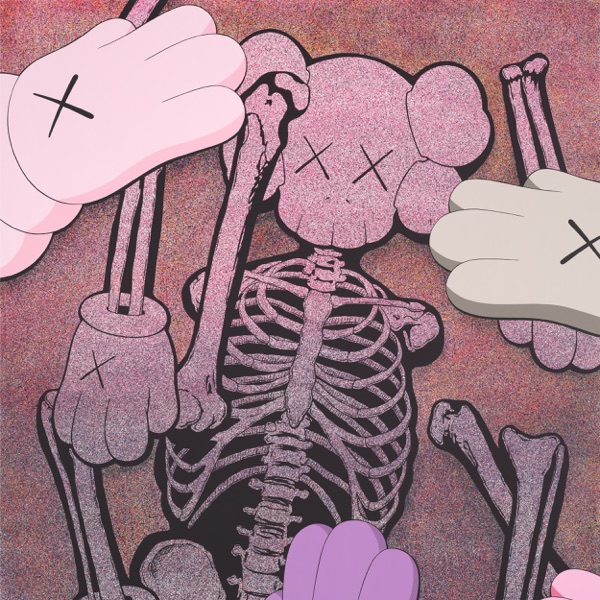
Clipse returns after 16 years, with a culturally inappropriate masterpiece.
2009’s aptly-titled Til The Casket Drops signalled a funeral for the duo and was a relative dud, when compared to its predecessors, Lord Willin’ and Hell Hath No Fury (the latter of which is easily one of the best hip-hop albums of all time). Where Pharrell William’s production was the perfect compliment to the coke-laced rhymes of the Brothers Thornton (Pusha T and Malice, now known as No Malice), his production on their last outing failed to deliver on what was expected from their 2006 opus, and the album sounded tired and dull. Not only that, but the brothers’ hearts just didn’t feel like they were in it.
Fortunately, Til The Casket Drops proved to be a one-time misstep in Pusha T’s career trajectory (though I can’t speak on his brother’s solo albums, as I’m yet to listen to those). With Pusha T appearing on critically-acclaimed Kanye West songs, such as: Runaway, So Appalled and New God Flow, and releasing a string of classic solo albums that featured plenty of Kanye West production (including all of 2018’s DAYTONA and the half Kanye, half Pharrell-produced It’s Almost Dry in 2022), the younger Thornton brother was one of the biggest and best rappers in the world, and was easily one of Ye’s greatest collaborators.
In 2019, Clipse had reunited as a duo on Kanye West’s Christian anthem, Use This Gospel, but it would take another 6 years before the duo decided to release a new Clipse album. Where their last album ended the duo’s first era with a whimper, Let God Sort Em Out is a masterful return from the grave.
The Birds Don’t Sing features John Legend and is one of the prettiest songs in the Clipse canon. Whips & Chains features a fierce Kendrick Lamar, hot off winning his beef with Drake. Tyler, The Creator makes an appearance on P.O.V., and though I’m not the biggest fan of his body of work, his verse does elevate the song (a version without him appears on first pressings of the album, for comparison).
So Be It, incorporates eastern sounds and is a unique standout in the Clipse catalogue. Ace Trumpets was a wise choice for lead single, showing off Pharrell Williams’ fantasic production. Inglorious Bastards (which was the name of a 1978 Italian war film, long before Quentin Tarantino re-appropriated the name in 2009) is a tour de force of horns.
So Far Ahead and By The Grace Of God both sound like something that could have come out of Kanye West’s late 2010s/early 2020s gospel period, adorned with soulful Pharrell Williams vocals. The title track invites NY rap legend Nas into the mix, rounding off the all star cast of the album.
This batch of songs shows immense growth from Clipse’s 2000s heyday and even from Pusha T’s solo albums. With the born again No Malice’s presence on the album, there’s even more of a Christian influence that permeates the duo’s music, though that’s no surprise coming from a band who’s debut album featured Jesus Christ riding with the brothers in a convertible.
An all-time great comeback and Clipse’s magnum opus.
100 / 100
Danny Brown – Stardust
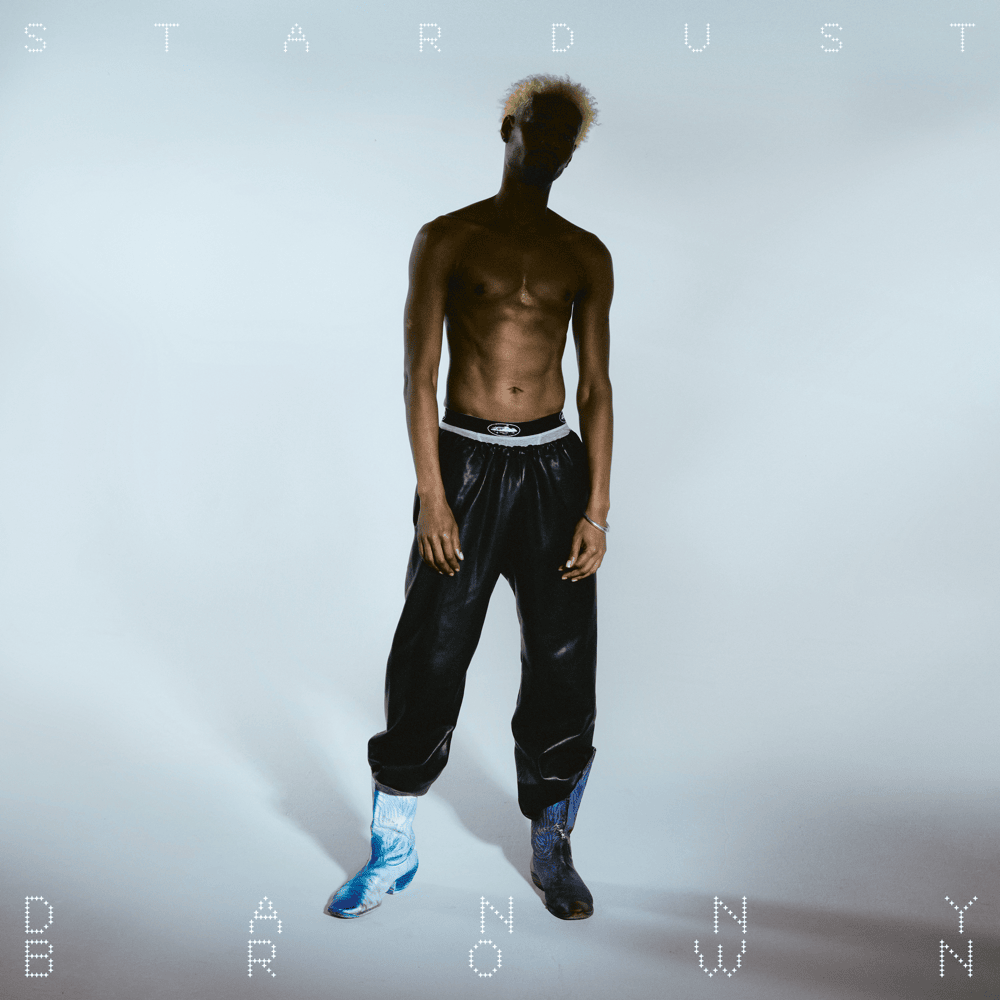
Danny Brown sobers up and makes a hyperpop album, bogged down by niche features and obnoxious production.
Stardust finds Danny Brown sober, having swapped out alcohol and drugs (and good sense, apparently) for working out, hyperpop and a pinch of 90s dance fetishism. Aside from the positive messaging of curbing bad habits, this album is easily Danny Brown’s worst album (and one of the worst albums of the year), though I appreciate the drive to experiment.
Book Of Daniel is a red herring, as it features guitars, an instrument that doesn’t reappear anywhere else on the album — it also sounds amateurish and is produced horribly, like it was recorded inside of a toilet. As for the rest of the album: hyperpop with an abundance of infernal vocals and features. There are also these spoken word sections it could have done without.
There is a good song buried as deep as hell inside of Copycat, but all the voices that aren’t Danny’s wreck that potential. The production in Starburst is jarring. Flowers and Baby are hyperpop at its most unbearable. Green Light has unintentionally hilarious and excruciatingly annoying vocals, ruining itself from the very first second. Lift You Up sounds like music from a 90s workout video. There’s some lunatic screaming his brains out throughout 1999. The End is nine minutes of drum n bass and grating vocals in some other language.
Did substances give Danny Brown’s music substance or has success clouded his judgement? I’m happy for him for sobering up and experimenting, but this album was both disappointing and awkward, with its production feeling like a drill in your ears.
I didn’t like a single one of these songs and I have had repeated listens. All of these songs are quite irritating and the entire project is too feature-heavy, resulting in Danny Brown feeling sidelined on his own project. Every song gave me a reason to skip to the next one, most of which was caused by its features or production. I did not know any of these collaborators beforehand and I will avoid them going forward.
Honestly, this doesn’t even sound like a Danny Brown album most of the time. Sure, he has no exact definitive sound, but his name used to stand for quality. Stardust feels like it was made for somebody else and Danny was just tacked on at the end.
It seems that Danny Brown released two great albums in 2023 at the cost of releasing a worse one in 2025.
40 / 100
Deftones – private music

Deftones return with a triumphant tenth album, marking 30 years since the band’s debut.
Defying the burdens of time, Deftones sounds as fresh as ever, releasing yet another jewel in their crown with private music.
In typical Deftones fashion, the album takes no time to get started, with the exhilarated, my mind is a mountain, which also served as the lead single. locked club and cXz are similarly heavy tracks, showing that 30+ years of existence has not rounded off any of the band’s edges, whilst still incorporating that sexy, shoegaze bliss that has always counterbalanced the band’s darkness. ecdysis and ~metal dream contain some of their best basslines since the White Pony track, Rx Queen (R.I.P. Chi Cheng).
infinite source and i think about you all the time join the upper echelon of Deftones ballads, alongside the likes of Teenager, Sextape and Entombed, as the band transcends the pitfalls of ballads, transforming them from something once dreaded (think of those awful 80s power ballads) to something sensual that you yearn to hear.
souvenir is one of the album’s lengthiest songs, and ends with an ambient instrumental outro, which plays just long enough to be enjoyed, but not too long to overstay its welcome. milk of the madonna was the second single released for the album and features all of the band’s best elements in one place.
The nu metal tendencies on cut hands wouldn’t sound out of place on Around The Fur, while simultaneously sounding modern. departing the body is the perfect way to end the album, with a slow-burning intro and outro.
Chino Moreno sounds amazing as ever, like nothing has changed. The band shows no signs of slowing down, with this being one of their best albums yet.
100 / 100
Freddie Gibbs & The Alchemist – Alfredo II
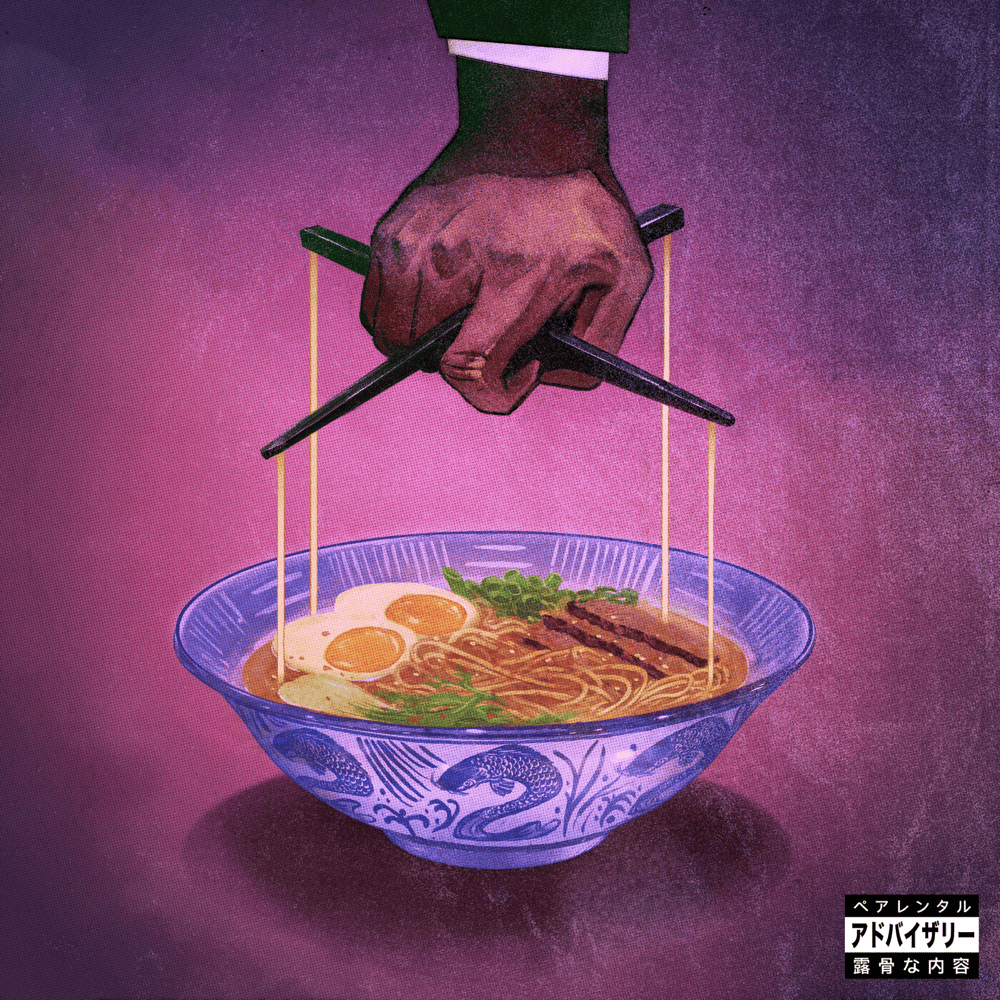
Freddie Gibbs & The Alchemist reunite.
Five years after the critically-acclaimed Alfredo, Freddie Gibbs & The Alchemist join forces once more for a sequel that’s nearly as good as the original.
Where Alfredo began with the guitar-laden 1985, Aflredo 2 starts with the guitar-laden 1995, which is just as classy of an opener. Silk Sonic’s Anderson .Paak appears on Ensalada. Skinny Suge II sees a continuation of the song from the first album.
Like its predecessor, Alfredo 2 primarily revolves around old soul samples, giving it a vintage 70s vibe, grainy and all. Considering there are 14 tracks here (as opposed to the concise 10 on Alfredo) some more variety in the tracklist would have helped keep the album more dynamic, but these songs are sublime all the same.
While it’s not quite as lean or memorable as the first album, Alfredo 2 is still an incredible sequel with stellar production and bars.
90 / 100
Hayley Williams – Ego Death At A Bachelorette Party

Hayley Williams goes independent on her third solo album.
Following her first two solo albums and Paramore’s sixth studio album, Hayley Williams has been incredibly prolific in the 2020s. Her third solo album, Ego Death At A Bachelorette Party, sees Williams breaking free from the confines of a major label on her first self-released album, as she continues to experiment with various music styles.
Ice In My OJ is one of Hayley Williams most interesting experiments, with an almost industrial-sounding vocal in the chorus. Disappearing Man feels like 1990s Alanis Morissette-style alt rock. Love Me Different has that tropical vibe that was heard on Paramore’s 2017 album, After Laughter. Brotherly Hate seems like it might have been written about any of Paramore’s ex-members (likely Zac Farro or Jeremy Davis). Discovery Channel interpolates Bloodhound Gang’s The Bad Touch on one of the album’s more bizarre artistic decisions and the only low point on the album.
True Believer seems to criticize pro-confederacy Americans, with Williams stating that “the south will not rise again”. The superb title track also targets racists, with its refrain of “I’ll be the biggest star in this racist country music bar” — a criticism about the pro-racist leanings Hayley Williams has witnessed in certain Nashville establishments. Parachutes is another highlight, with one of Hayley William’s best choruses yet. Showbiz is an upbeat, danceable closer with modulated vocals.
While her first two albums were quite good in their own right, Ego Death At A Bachelorette Party is easily Hayley Williams’ best solo album yet.
85 / 100
JACKBOYS & Travis Scott – JACKBOYS 2
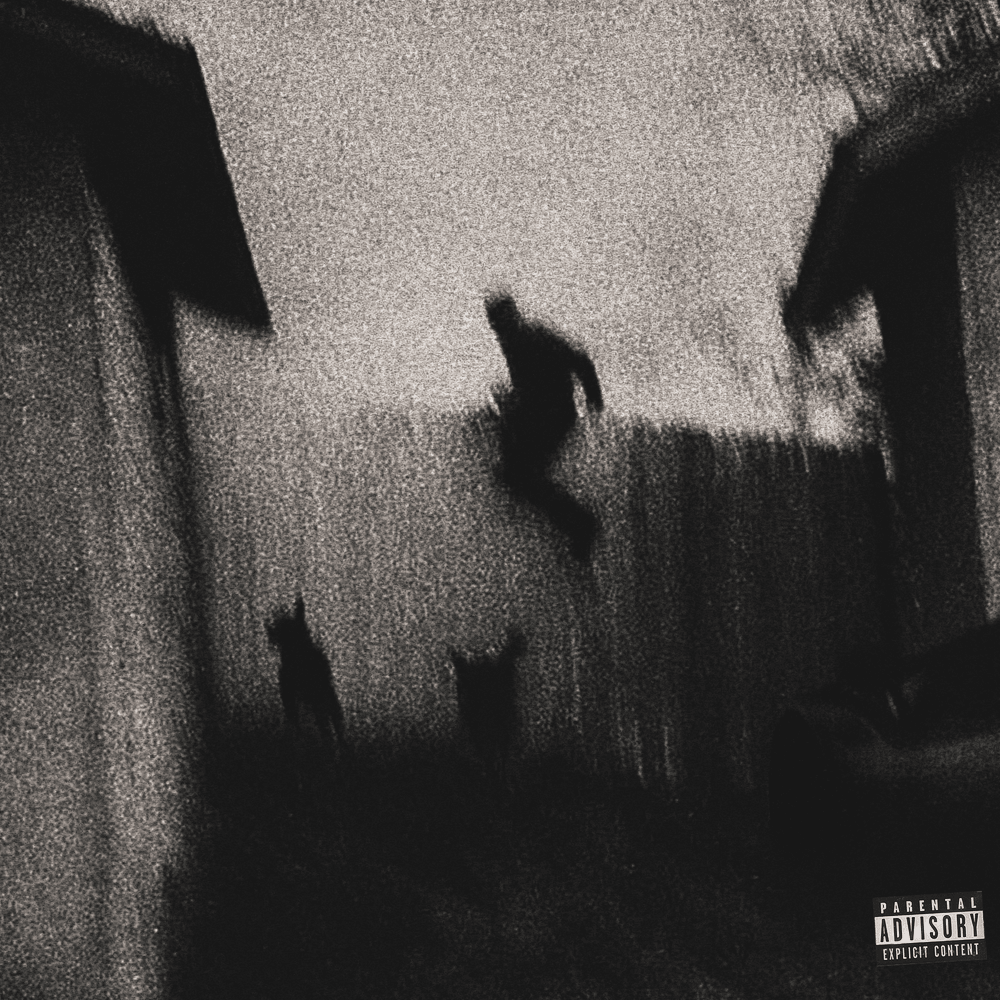
JACKBOYS are back with a double helping of crap trap.
Considering that 2019’s JACKBOYS garnered some of the worst reviews of Travis Scott’s career, expectations for a follow-up weren’t exactly high — but, seeing as his last album UTOPIA was one of his best yet, there was at least some hope that some of that magic might carry over into his next project.
JACKBOYS 2 is significantly longer than its predecessor (17 tracks this time around; 20 on the deluxe edition) and is nearly an hour long. Unfortunately, JACKBOYS 2 is significantly longer than its predecessor.
Much like JACKBOYS, the music here still often sounds like your average trap music — and like that album, it’s chock-full of the most annoying ad-libs possible. The production is fine at best, but it’s relatively plain and boring compared to what Travis Scott has shown to be capable of on Rodeo, ASTROWORLD and UTOPIA. This album is more along the lines of the underwhelming Birds In The Trap Sing McKnight (but worse) and makes me realize that Travis Scott is seemingly unable to drop two great albums in a row. Think about it: every great Travis Scott record has been followed by a weaker one.
EXCURSION 2000 is maybe the only song I can see myself returning to on this project, but that’s probably because it uses the drums from Kanye West’s Power — so, I’ll just go listen to that. ILB is probably the worst song here, though I can’t remember much about any of the other songs.
JACKBOYS 2, like it’s predecessor, is completely mediocre, but there is more to endure this time, so it’s worse in that regard.
40 / 100
Mac DeMarco – Guitar
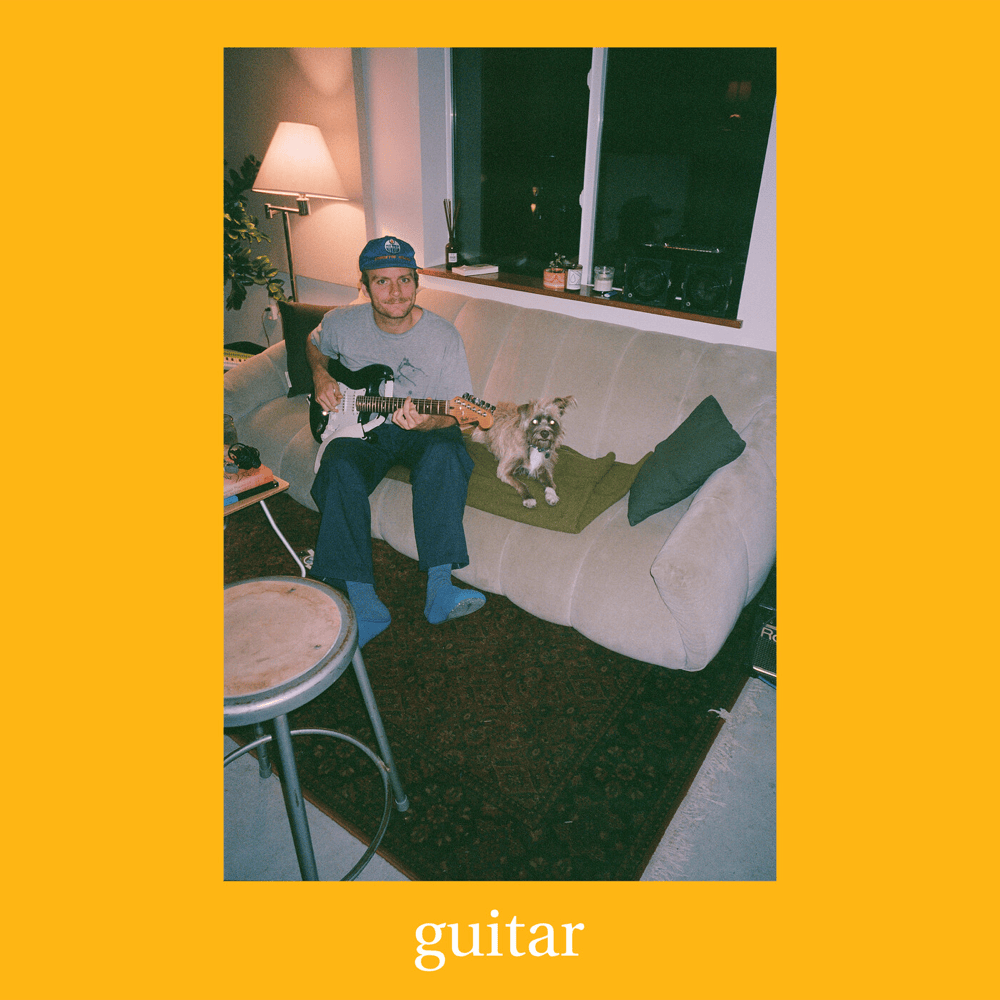
Mac DeMarco goes even more bare bones than Here Comes The Cowboy.
Since 2017’s This Old Dog, Mac DeMarco has practically abandoned his once trademark jangle pop sound in favour of a more minimalistic and mellow, acoustic sound, with his last album Five Easy Hot Dogs even being completely instrumental. Over the past half of a decade, Mac has continued to strip down his music to its core, but this time we are back with a (somewhat) more conventional album (with vocals), albeit a rather bare one. Guitar (a fittingly simplistic and direct title) is Mac’s most understated record yet (along the lines of Here Comes The Cowboy, without any synths), but its simplicity did not void emotion.
The album was recorded in 2 weeks and if it was stripped back anymore, it’d have nothing left. Mac manages to do a lot with so little, but even mastery of such a limited arsenal can go so far. A lot of the songs do sound quite similar.
Mac DeMarco is probably the closest to my generation’s Neil Young, and much like him, I don’t mind the gentle, acoustic sidesteps. With that being said, I look forward to something more unexpected next album, as there really is nothing left for Mac to remove from his formula that he hasn’t already.
80 / 100
Mark Pritchard & Thom Yorke – Tall Tales
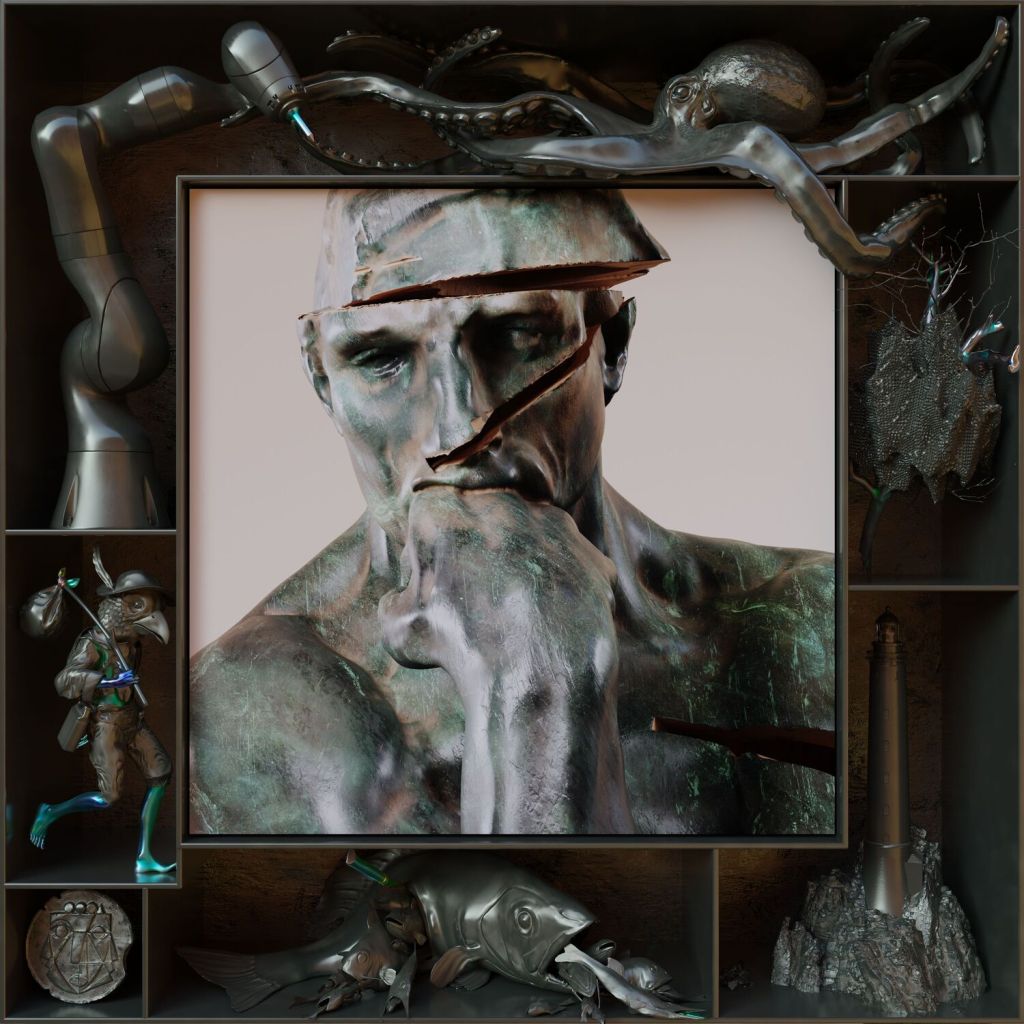
Thom Yorke teams up with electronic musician Mark Pritchard on this surprisingly bad collaboration album.
Between 2019’s ANIMA and the 2022 debut of Thom Yorke and Jonny Greenwood’s new side project, The Smile, Thom Yorke was recording Tall Tales with Mark Pritchard. Despite being recorded before any of the three albums from The Smile, it is finally being released 5 years after its inception.
A Fake In A Faker’s World is a mediocre opener, with uncharacteristically cheesy synths for a Thom Yorke project. I’ve never once listened to Radiohead or Thom Yorke and thought that the music didn’t sound futuristic; with Tall Tales, it all feels like it’s from the past, and not just because it’s from 2020 — it feels older than that. Much older.
Back In The Game was the lead single and while it is within the realm of electronica, it sounds nothing like a Thom Yorke song, outside of his recognizable vocals. The song also has more of those horrible synthesizers. This was followed by another single, This Conversation Is Missing Your Voice, which was a slightly better single, but the bar is set low on this LP. The third single was Gangsters, which is one of the worst things Thom Yorke has ever had his name attached to — a song bogged down by some horribly dated synths and questionable modulated vocals. Based on the singles alone, it seems like Tall Tales would be Thom Yorke’s first major misstep.
There’s also some ambient tracks like Ice Shelf, Wandering Genie and the title track, but theses tracks don’t do anything that a song like Treefingers hadn’t already done 25 years ago. And what the fuck is Happy Days? The best song here and the only one I can see being grouped with Thom Yorke’s other body of work is The Spirit, though even that is lightweight next to a Radiohead or Smile track.
A 25 year old album like KID A still sounds fresh and exciting today, whereas Tall Tales would have already been stale 25 years ago.
I have no idea what the critics are smoking, because this is easily Thom Yorke’s worst project and an album that I’d rank far below Pablo Honey and Tomorrow’s Modern Boxes. I can see why this took 5 years to see a release. 😬
50 / 100
The Mars Volta – Lucro Sucio; Los Ojos Del Vacio
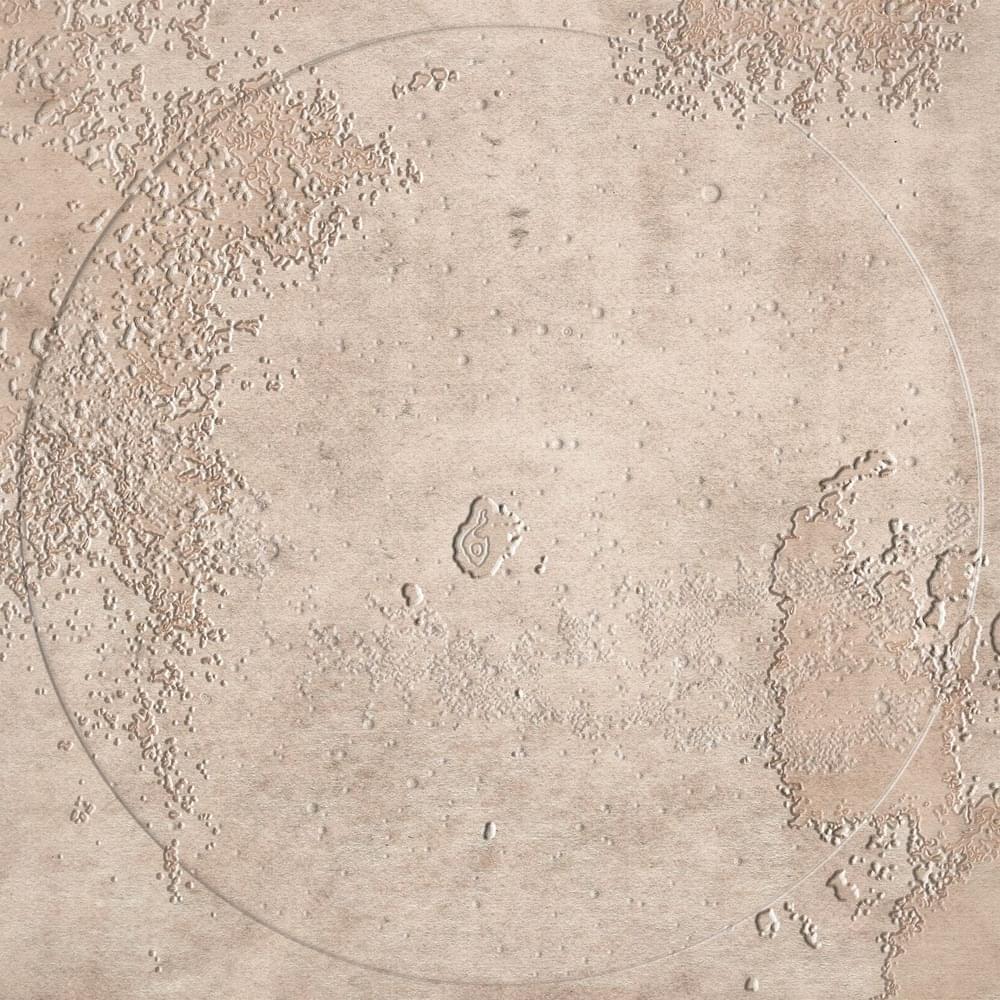
The Mars Volta leak their own album.
Leaked to fans during their recent tour with Deftones, Lucro Sucio; Los Ojo Del Vacio finds the idiosyncratic Texas group taking a step in the right direction, after their equally polarizing and disappointing 2022 self-titled album.
Compared to their last album (excluding the acoustic version of that album, Que Dios Te Maldiga Mi Corazón), Lucro Sucio feels more faithful to The Mars Volta of yesterday, while also pushing forward in their new direction. It has very few songs with English titles, so it’s nice to see the band embracing their Hispanic roots.
While The Mars Volta was well-produced and confident, it veered too far from their experimental side for many fans, alienating much of their fanbase. In hindsight, it was a very accomplished and bold record for the band to make, just not the one fans (myself included) had wanted after a 10 year hiatus.
This time around, the album actually feels like The Mars Volta we all know and love. The album flows, with every song segueing into another, like an album-length version of Cassandra Gemini from Frances The Mute. This allows for the songs to be more easily digestible on their own, or consumed as part of a whole, satisfying both their prog and pop sides.
Fin ironically introduces the album, then leads way to the similarly brief Reina Tormenta, which then transforms into Enlazan Las Tinieblas, showcasing the band’s penchant for Latin jazz and is one of their best new tracks yet. The Iron Rose is the closest to sounding like the pop from their 2022 album and reminds me of 1980s Phil Collins. It’s a little bit cheesy, but it fortunately feels like the last remnant of their self-titled album and does not taint the rest of this LP. Cue The Sun brings back distorted synths (akin to 2012’s The Whip Hand, albeit more tasteful and subtle), and carries on the Phil Collins influence with a chorus reminiscent of Genesis’ 1983 hit That’s All, and is another standout.
Voice In My Knives is a highlight and continues on into Poseedora De Mi Sombra. Celaje grooves through the listener’s ears with a sexy bassline. Morgana is a sensual ballad that finds the band finding the right balance of pop and art. Considering it was one of the best songs on the album, Cue The Sun (Reprise) seems justified and the title track, Lucro Sucio is a jazzed-up closer.
I wish that some of these songs were longer, by combining the songs that have similar musical motifs, but I’m also not going to question the artistic intentions of Rodríguez-López and Cedric Bixler-Zavala, as they have more than earned the right to structure their albums as they please and to move away from the usual 7-15 minute song structures they were once known for. I understand that this album was probably intended to be listened to in one sitting, but there are still certain tracks that stand out well on their own, if thrown into a mix.
A improvement from anything the band has put out since The Bedlam In Goliath (though Octahedron and Noctourniquet aren’t terrible). After their underwhelming self-titled album, I had lost faith in The Mars Volta, but that faith has mostly been restored.
80 / 100
Nick Cave & The Bad Seeds – Live God
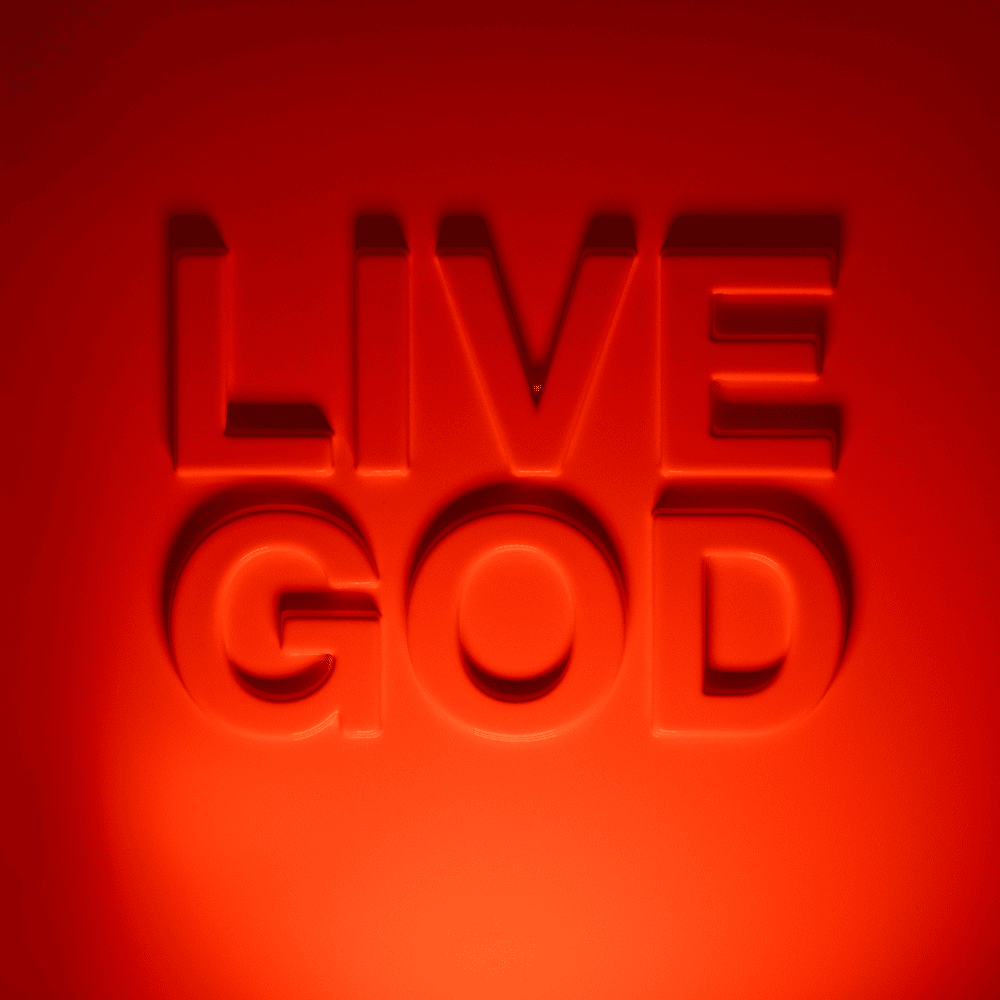
Nick Cave & The Bad Seeds perform songs from their latest LP Wild God, along with a handful of classics.
Recorded live in Paris in 2024, Live God showcases Nick Cave & The Bad Seeds in all their glory on their spiritually-uplifting Wild God tour.
Eight out of ten of the tracks from Wild God appear here, along with ten other classics from the band’s storied, 40 year history, including staples like From Her To Eternity, Tupelo, Red Right Hand and Into Your Arms.
I had the good fortune of seeing the band perform these songs on this tour and it was incredible. You could see and feel Cave’s emotion as he played these new songs to his audience. You could feel his vulnerability and naked soul, bare to thousands of strangers, who really aren’t strangers at all, as the music brought everyone together.
A fantastic document of one of the best live shows I’ve ever seen.
80 / 100
Nine Inch Nails – Tron: Ares
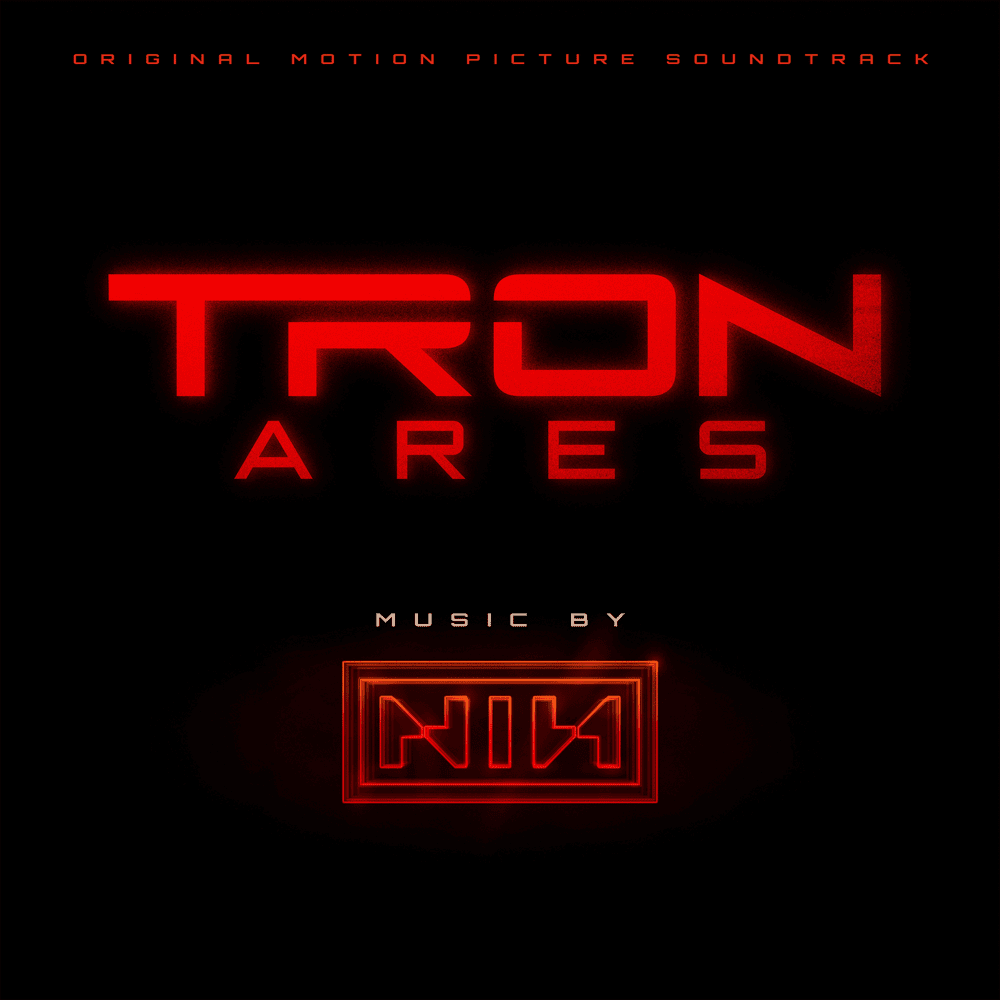
Nine Inch Nails x Tron
While Trent Reznor and Atticus Ross are no strangers to scoring films, having made the soundtracks for The Social Network, The Girl With The Dragon Tattoo, Gone Girl, Mank and The Killer (and those are just the David Fincher films), NIN has never actually been credited for a full original soundtrack, having just released soundtrack songs (Burn for Oliver Stone’s Natural Born Killers and Perfect Drug for David Lynch’s Lost Highway).
Out of the four songs that have vocals, lead single Alive As You Need Me To Be is probably the best and most memorable one, but I Know You Can Feel It and Shadow Over Me are decent tracks too, and should hopefully satisfy NIN fans that haven’t had a proper song with vocals from the band since 2018’s Bad Witch. There’s also the duet with singer Judeline, Who Wants To Live Forever?, which is more take-it-or-leave-it. As for the instrumental tracks, there’s a diverse mix of cyberpunk techno grooves, sparse piano ballads and ambient soundscapes.
Without watching Tron: Ares, I can’t see how these songs work in their intended context, but as far as soundtracks go, it’s fairly diverse and interesting, ranging from cyberpunk techno grooves to sparse piano ballads and a few vocal tracks for good measure.
Tron: Ares is a case of a bad movie with a good soundtrack.
75 / 100
Playboi Carti – MUSIC
Playboi Carti’s long awaited third album arrives after 5 years.
After releasing the influential Whole Lotta Red in 2020, many hip-hop fans have been patiently waiting for a follow-up, with MUSIC finally arriving five years later.
A continuation of the punky trap sound that Carti had pioneered years earlier, MUSIC is a mega-sized album with 30+ songs and some of his most exciting production yet.
POP OUT opens the album with walls of fuzzy distortion, reminding me of the opener to Kim Gordon’s trap-influenced 2024 album, The Collective. The gospel-fried CRUSH features fellow trapper Travis Scott, as does WAKE UP F1LTHY. Kendrick Lamar appears on MOJO JOJO, BACKD00R and GOOD CREDIT, though his deliveries feel a bit phoned-in.WE NEED ALL DA VIBES is a slow jam with vocals from the soulful pairing of Ty Dolla $ign and Young Thug. The Weeknd features on the surprisingly seraphic RATHER LIE. The somewhat eerie EVIL J0RDAN and COCAINE NOSE are certified bangers. CRANK is an alternate take on the instrumental that Ye and NBA YoungBoy Never Broke Again recently used on their track, ALIVE.
As for the bad, the mixing and mastering on CHARGE DEM HOES A FEE sounds awful for a song that has Playboi Carti, Travis Scott and Future all one it — seriously, how does a high profile release like this sound this unfinished? LIKE WEEZY is easily the worst track here though, with some very bizarre production choices that were a terrible idea from the start. There’s also just too many damn songs here. Whole Lotta Red already pushed it at 24 songs, but there are 30 here (34 songs if you are listening to the SORRY 4 DA WAIT version), and that’s just quantity over quality at this point. Kanye West can make a 30 song album interesting, but Playboi Carti is not Ye. The album also loses steam towards the last stretch.
Despite its flaws, MUSIC is probably Playboi Carti’s most interesting and ambitious album yet, seemingly having benefitted from a longer development time and a healthy list of features, as well as more experimental production. Despite what it does well compared to its predecessors, I still found myself having the same level of enjoyment as those albums.
70 / 100
Pulp – More
Pulp returns with their first album in 24 years.
As Pulp’s first album since 2001’s We Love Life, and the first since the untimely passing of bassist Steve Mackey in 2023, More finds Pulp coming together through tragedy to make an excellent return.
Lead single/opener Spike Island is a triumphant disco track. Tina provides a theatrical slice of chamber pop. Slow Jam is indeed a slow jam, with seductive, plucky bass notes throughout — like a drizzle of chocolate over the ice cream of the song. Based on the title, My Sex may initially sound like it would be some erotic romp, but it deals with trans awareness instead.
More comprises of a rich and creamy chamber/orchestral pop sound that has been heard on recent albums like Arctic Monkeys’ The Car, Blur’s The Ballad Of Darren and Beth Gibbon’s Lives Outgrown — come to think of it, James Ford produced all three of those albums (plus he’s a member of the orchestral rock band, The Last Shadow Puppets, so he evidently knows his orchestral music) — and like those albums, Pulp leaves their stamp on the genre too.
Rather than regressing to a nostalgic 90s song, More manages to feel modern, but does not lose sense of the group’s identity in the process either. Jarvis Cocker’s baritone sounds like aged whiskey and the rest of the band sounds like the quarter of a century in between hadn’t even passed.
75 / 100
Queens Of The Stone Age – Alive In The Catacombs
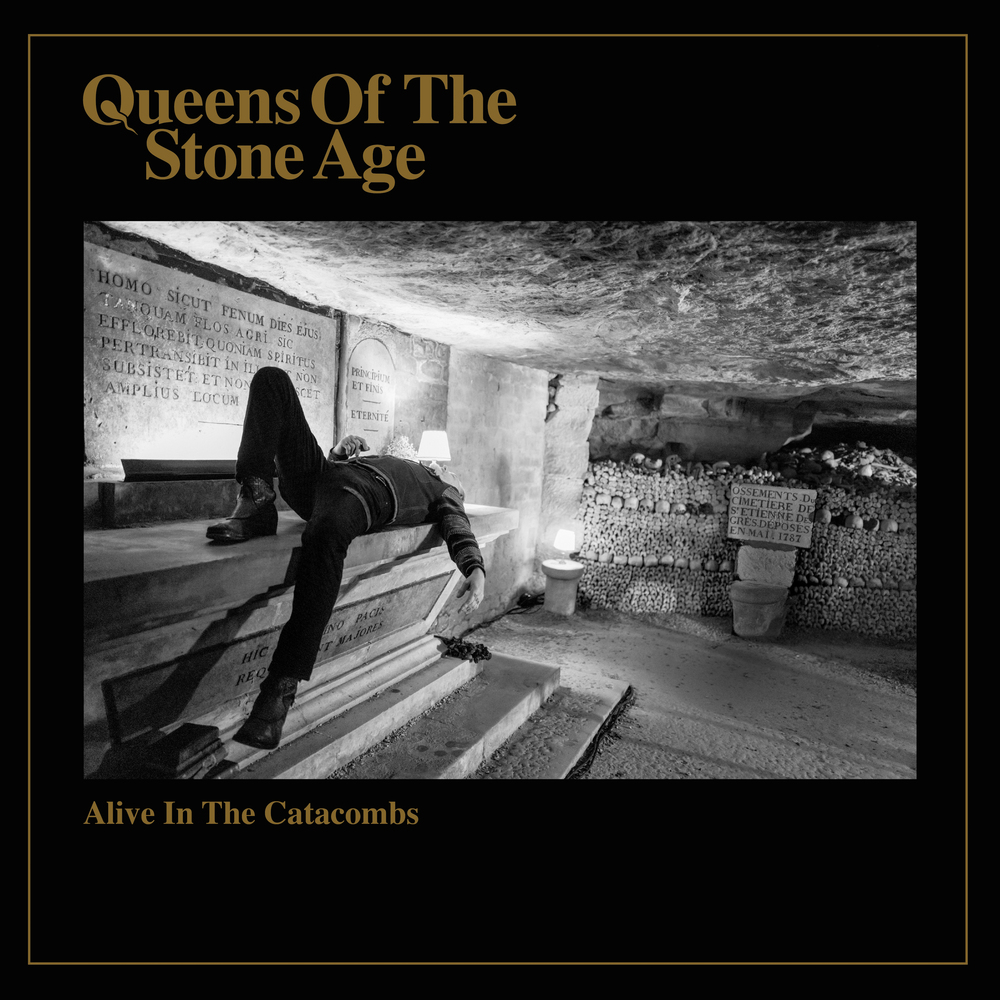
QOTSA records a live EP in the Paris catacombs.
Following Queens Of The Stone Age’s The End Is Nero tour (which launched after the release of their 8th studio LP, In Times New Roman…), the band decided to record a live album in the Paris catacombs, something which had never been done before. In fact, it took frontman Josh Homme nearly two decades to receive permission to record there. This determination led to Alive in the Catacombs and a subsequent tour supporting it.
Released as an EP, the tracklist comprises of acoustic renditions of some of the band’s deepest cuts, including Running Joke (a bonus track on Era Vulgaris), Suture Up Your Future, Kalopsia and Villains Of Circumstance, along with the recent single, Paper Machete.
The only real issue with this project holding it back from a perfect rating, is its length. With a vast catalogue of songs to choose from, an entire album’s worth of material was easily warranted, but seeing how it took the band so long to be allowed to record there, there may have been a short time limit to work within.
Regardless, this is still a unique live project with an interesting choice of songs and a fascinating concept.
80 / 100
Radiohead – Hail To Thief (Live Recordings 2003-2009)
Radiohead releases their second live album.
Arriving 22 years after the original Hail To The Thief, Live Recordings 2003-2009 mostly recreates the tracklist of the original album, though it does omit Backdrifts and A Punchup At A Wedding, unfortunately.
Much like the Live From The Basement video version of The King Of Limbs, HTTT Live might win over some of the fans who felt that the original studio album was a let down and/or fans that yearn for Radiohead’s more guitar-focused side.
Every member of the band is on fire throughout all these recordings, with a shoutout to Thom Yorke’s voice for being just as good as in the studio. These songs don’t change up too much from their studio-counterparts, although there a few differences. Go To Sleep has a funky outro that differs slightly from the studio recording. Where I End And You Begin has lots of interesting guitar going on towards the latter half. The crowd joins along in clapping during We Suck Young Blood. The version of The Gloaming here is particularly fascinating here, taking a one of Hail To The Thief‘s more electronic songs and making it work live. Myxomatosis might sound even better here than the studio version.
It took nearly two decades, but Radiohead’s second Live Recordings album (following I Might Be Wrong: Live Recordings, which captured KID A and Amnesiac tracks) was every bit as fantastic.
90 / 100
Steven Wilson – The Overview
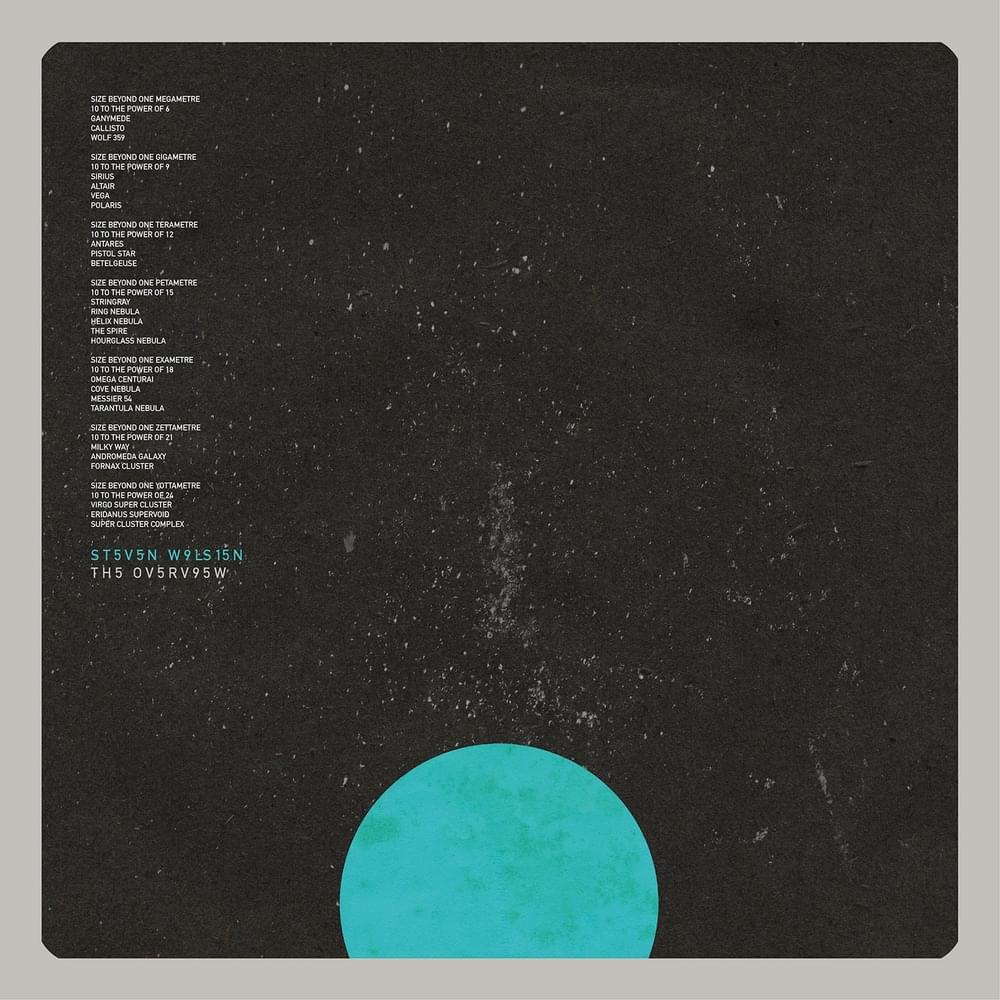
Steven Wilson releases an album with two side-long tracks.
Steven Wilson has spent the better part of the past 10 years pushing himself deeper into pop territory than ever before, despite brief flirtations with pop in the past, heard on Porcupine Tree songs like Piano Lessons or Lazarus or his solo songs like Postcard and Hand Cannot Erase.
2017’s To The Bone was a fairly successful blend of 80s prog pop (think Kate Bush, Peter Gabriel, XTC), although 2021’s THE FUTURE BITES was utter shit; its satirical pop failing to transcend its social commentary (not too dissimilar from Arcade Fire’s Everything Now), and marred by plenty of confounding artistic choices. Wilson then returned with the more warmly received The Harmony Codex, which was much closer to the prog stylings his listeners have come to expect, while still retaining elements of pop.
The Overview consists of only 2 songs, clocking in at 23 and 18 minutes long. Objects Outlive Us begins with some experimental synths that sound like drifting through space. After the intro section, some of Wilson’s trademark piano comes in, before giving way to the song’s first guitar solo. A bridge follows, then calms down and leads to a second guitar solo, that eventually concludes the song. The second solo is more typically Floydian (circa Animals), a worn-on-the-sleeve influence of Wilson’s.
The title track sets itself apart from Objects Outlive Us with a stronger electronic sound, more akin some of the songs off his last album, or like 1995’s The Sky Moves Sideways. After about 5 minutes of electronics and female spoken word (like what was found on The Harmony Codex title track), acoustic guitars are introduced and takes things back down to Earth. After what sounds like some classical guitar, the listener finds themselves back into the vastness of time and space, with the album providing one last come down, through electric piano.
This album is perfectly fine, but doesn’t break new ground for Steven Wilson. And due to the songs’ lengths, I just don’t see myself returning too often.
75 / 100
Tame Impala – Deadbeat
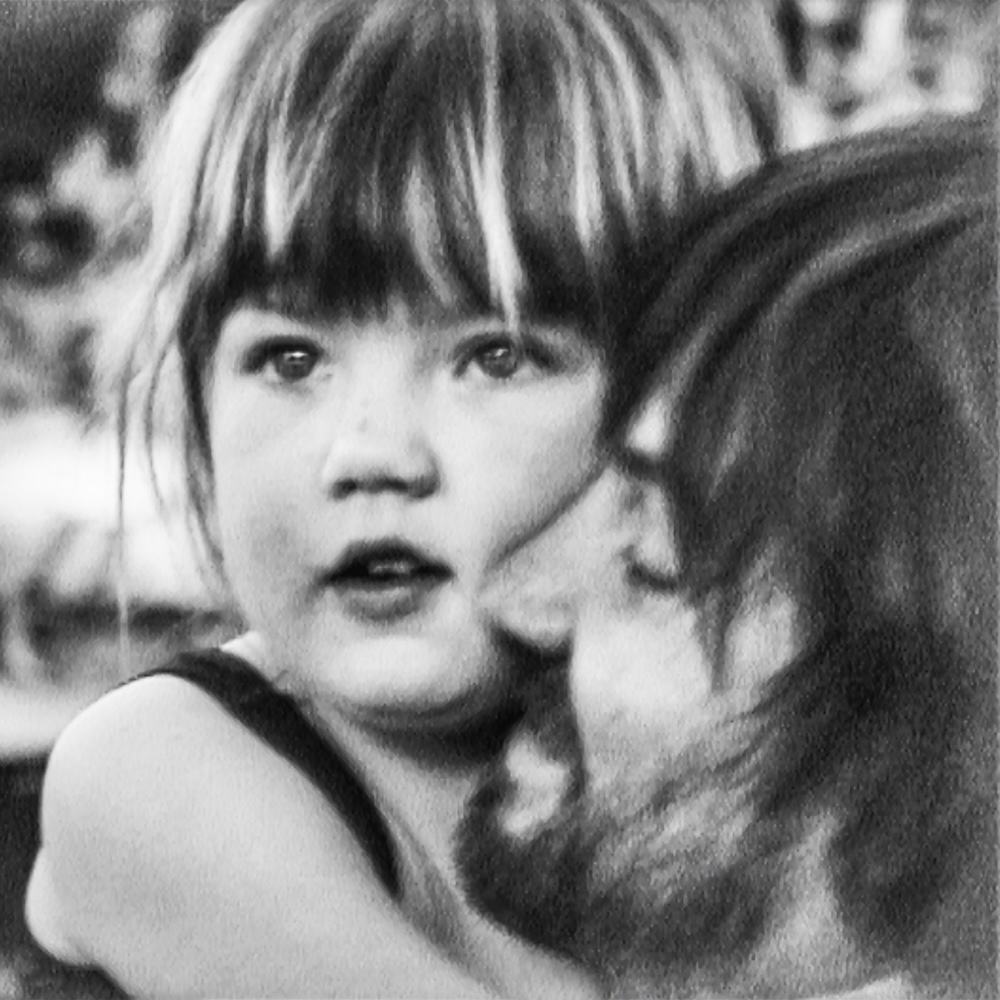
Kevin Parker releases a polarizing techno/house album as his major label debut.
After spending half a decade as a producer for pop stars like Dua Lipa, winning a Grammy award with French techno duo Justice on their track Neverender, collaborating with Thundercat, and making the odd soundtrack song (Barbie, Dungeons & Dragons), Kevin Parker is finally back where fans have wanted him to be: releasing a new Tame Impala album.
It’s commendable that Parker has been spreading his artistic wings and indulging in his producer fantasies, but I’ll be honest in saying that I cared very little for any of his side projects he’s worked on since his last proper LP, 2020’s The Slow Rush, outside of maybe Neverender. By forcing himself to collaborate with others, he was leaving his comfort zone and confronting the challenges of being an introvert. But, being an introvert is part of what made him so appealing to millions of people in the first place.
Following another five long years of waiting (the same amount of time between the last two albums), Parker continues to stray further from the psychedelic rock formula that initially brought him attention in the early 2010s, much to the chagrin of fans yearning for a retread of his earlier albums and a regression to the sounds of his past.
Kevin Parker is anything but regressive though, and like many great artists, he never does the same thing twice. While Deadbeat more or less continues on with the synth pop trajectory set by Currents a decade prior and still incorporates a subtle neo-psychedelic aesthetic, the flavour of this album is primarily house, techno and dance rock, though it never feels restricted by genre conventions, nor does it feel off-brand for Tame Impala. It’s Parker’s least psychedelic affair, but is still interesting production-wise.
My Old Ways is a piano-based opener, which starts with what sounds like a phone memo, before transitioning into its full production. Here, Parker (now a father, as evident by the cover art) sings of falling into bad habits (new person, same old mistakes?), but what are those habits exactly? Do they relate to disillusionment with his domestic life (as his family life growing up was anything but conventional)? Is he becoming bored after half a decade of collaborations and is now retreating to the isolation of his Perth studio? Or is it the habit of changing his sound yet again, which will inevitably alienate more fans?
No Reply carries on the themes of introversion, and switches up halfway into nothing, but delicate, reverb-heavy piano, evoking the sense and peace of being alone, like a zen garden (or in his case, his Perth studio?). Dracula feels like it could have started as a holdover from Dua Lipa’s Radical Optimism (where he co-produced 7/11 of the album’s songs), and features a playful disco beat, Halloween vibes (à la Michael Jackson’s Thriller), references to Pablo Escobar and is one of the funkiest things in the Tame Impala canon. This track seems like it was released just in time for Halloween playlists.
Loser is one of the few songs with guitar in it and finds Parker sinking into self-doubt, despite massive success. According to a recent GQ article, despite being one of the hottest producers of the past decade, Parker still feels like he’s inferior to the other mega-producers around him. He feels like (in his words), a “piece of shit” compared to them. Rather than bask in confidence, his humility shines through his questioning of his own abilities and through self-loathing.
Oblivion bounces by on a reggaeton-like beat and evokes some memories of Currents era songs, (Reality In Motion), as does Piece Of Heaven, a pop song full of airy, heavenly, Enya-like synths. See You On Monday (You’re Lost) is a song without a beat, and instead focuses solely on its synths and Kevin Parker’s voice. These three tracks are by far the poppiest songs on the album, but comes as no surprise, considering Kevin Parker has been open about his love for Max Martin style production and pop songwriting.
Not My World starts off rather minimalistic, until the second half, where Parker flexes his abilities as a DJ, a new venture he has taken on in recent years. Obsolete is bookended with one of the tastiest bass guitar riffs Parker has ever crafted. Ethereal Connection (originally released as an untitled b-side on the vinyl release of lead single, End Of Summer) is the lengthiest composition on the album, and feels like a 12″ extended dance track from the late 80s. The penultimate track, Afterthought, is similar to Dracula, with a funky bassline.
The album closes with End Of Summer, which initially set the tone for the album, when it was released as the first single from the album. Similarly to Let It Happen, it’s a 7+ minute track that slowly evolves and changes throughout its runtime, though its subject matter differs. Instead of letting go of reservations and trusting your instincts, End Of Summer reads to me like an admission that Parker will continue to follow his heart, even if it’s not what his fans want him to do. It’s also one of the best songs on the album.
Some listeners may not embrace the direction of this album, and reviews seem to be quite mixed, but as long as Kevin Parker makes the music he wants to make (and not the music he’s expected to make), then I will keep listening to every new release. With saying that, this is still easily the worst Tame Impala album yet, with a rather inconsistent and vague concept, and is the first time where Parker has seemed a bit lost.
Parker doesn’t go full-on with the house influence, and so the album ends up being a mix of dance pop and house tracks, but this variety kept me interested and made for a more dynamic listen. I loved this album, but it’s just not quite as strong as his generational run from 2010-2020. Despite those criticisms, I still feel compelled to give this a five star rating, because I had such a good time listening to Deadbeat.
90 / 100
The Voidz – Męğż Øf Råm
Julian Casablancas continues his love affair with autotune.
After the backlash to the previous year’s Like All Before You, The Voidz double down on that same formula, but at only four songs, there isn’t room for any fat.
Once Unholy Lover begins, the 80s fetishism and autotuned vocals quickly begin. Blue Demon was a good choice for lead single. The long-teased, fan-favourite Russian Coney Island finally makes an appearance.
If you didn’t enjoy Like All Before You, then you won’t enjoy this. That album was a guilty pleasure for me, so more of that isn’t such a bad thing, especially as this has no room for filler.
75 / 100
Ye – DONDA 2

Ye finally finishes the sequel to his 2021 opus, Donda.
Note: Kanye West legally changed his name to Ye in late 2021, with his new solo music being released under said name, thus why this is categorized under Ye.
In 2022, DONDA 2 was released exclusively on a device called the Stem Player, making it a prime target for filesharing, due to its excessive price tag and general inaccessibility. After releasing some initial updates to the album, Ye soon abandoned the project altogether, making it a lost and forgotten album, outside of a few songs that saw official releases (Eazy, True Love, City Of Gods).
Not only that, but Ye’s business venture with the makers of the Stem Player was short-lived and ended swiftly; the result of his then recent controversies, involving an admiration for a certain 20th century dictator. Other partnerships followed suit (like Adidas), ditching Kanye and his soiled reputation, terminating contracts that Ye had been wanting out of for years.
Three years of Ye’s most intense controversies later and he finally finishes what he started, with the official streaming release of DONDA 2; including an updated and expanded tracklist, finished verses and (slightly) improved mixing and mastering (though it still leaves lots to be desired).
If 2021’s Donda was a celebration of Kanye West’s late mother and his faith, then DONDA 2 is the bitter, resentful divorce album (à la Marvin Gaye’s Here, My Dear). So, why is it named DONDA 2 if it has nothing to do with his dearly departed mama? If Donda was about his mother (arguably the most important woman in his life), then perhaps DONDA 2 is about the other most important woman in his life and the other most important mother to him: Kim Kardashian, the mother of his children.
TRUE LOVE uses a phone recording from the late XXXTentacion, as Ye laments about the restrictions around custody and the process of seeing his children after his divorce. BROKEN ROAD is a sorrowful track featuring Don Toliver and GET LOST is an auto-tune acapella song, with nothing but Ye’s vulnerable voice. People have criticized the latter for how empty it is, but that’s the entire point of the song — it’s just Ye all alone.
KEEP THE FLOWERS references the fact that Ye had sent a truck-load of roses to Kim, only for the gesture to be all in vain, which just makes him bitter and resentful, telling her that she’ll never find someone better than him. While it may initially seem quite egotistic, we all know how truly insecure Ye really is and he isn’t trying to convince anybody, but himself.
TOO EASY‘s refrain of: “Ain’t no one love me, I ain’t even gonna love me, I needed you to love me”, displays Ye’s complex relationship with the juxtaposition between his confidence and his low self-esteem. He constantly acknowledges his musical legacy and yet he needs external validation to feel loved, even though he is (well, was) one of the most celebrated artists of the millennium. The beat on this song is also one of the best on the album.
PABLO continues the comparisons between Ye and Pablo Picasso, whose deconstruction of his art style throughout his life parallels Ye’s musical trajectory. MR MIYAGI (named after the character from The Karate Kid) is back, after being missing from the 2022 version of the album. HAPPY may initially seem like a typical trap song, but Ye saying “Do I look happy to you?” is clearly a cry for help.
SECURITY is an antagonistic banger and has Ye venting about not being allowed to see his children. The drill song CITY OF GOD was one of the few songs released as a single back in 2022 and has an excellent Alisha Keys hook. It’s good, but not quite as good as the similar Off The Grid from the first Donda. 530, which was missing from the Stem Player release is finally on the album, and in a shortened form, compared to the version released last year on VULTURES 2; in this case, less is more.
SCIFI is a minimalistic song built around strings and despite the Kim Kardashian Saturday Night Live dialogue and the Morgan Freeman line (you know the one I’m talking about), it’s a beautiful and tragic song. BURN EVERYTHING and MAINTENANCE are two more new songs on this version of the album and are welcome additions contextually. LOUIE BAGS has punchy drums and a hypnotic loop, as well as a Kamala Harris voice sample and has a finished (AI) Ye verse.
WE DID IT makes use of horns, such as those found years earlier on All Of The Lights (from My Beautiful Dark Twisted Fantasy) and has a similar vibe to We Major (from Late Registration). LORD LIFT ME UP and FIRST TIME IN A LONG TIME end the album with uplifting songs of faith, and could have fit on albums like JESUS IS KING or Donda.
Two of the new additions, JESSE and SUZY don’t really fit the theme of the album, but are decent enough. The Game collab, EAZY was removed from this version of the album; a song that felt misplaced on the original release.
A lot of the songs on DONDA 2 may initially seem empty, but they embrace space. This isn’t a typical rap album, nor is it quite like anything Ye had released prior, though it does share some thematic characteristics with 808s & Heartbreak.
Although Ye can be a bit callous towards his ex-wife on this album, deep down, this is the work of a man who was afraid to lose the other woman who mattered most in his life. At times, Ye seems like a reality TV show character (which he was); at other times, he seems like a vessel for the highs and lows of the human experience.
DONDA 2 does lose some points for taking three years to get a proper release, as well as its use of AI to finish Ye’s vocals, and there’s also some consistency issues with the mixing and mastering, though it ultimately sounds more finished than the original release.
Despite the many flaws of this album and the artist himself, I still found myself enjoying it in its entirety, just as I have enjoyed all the albums that came before it. It’s flawed, but so is Ye.
80 / 100
FIN
Britain Chambers

Leave a comment