Table Of Contents:
- Guns N’ Roses – Chinese Democracy
- Judas Priest – Nostradamus
- Kanye West – 808s & Heartbreak
- The Killers – Day & Age
- The Last Shadow Puppets – The Age Of Understatement
- The Mars Volta – The Bedlam In Goliath
- Metallica – Death Magnetic
- Nick Cave & The Bad Seeds – Dig!!! Lazarus Dig!!!
- Nine Inch Nails – Ghosts I-IV
- Nine Inch Nails – The Slip
- Portishead – Third
- Steven Wilson – Insurgentes
- Tame Impala – Tame Impala
- Vampire Weekend – Vampire Weekend
- Weezer – Weezer (Red Album)
Guns N’ Roses – Chinese Democracy

G N’ R (a.k.a. Axl Rose) finally releases a new album.
After about 15 years without any new music and millions of dollars in studio sessions later, Guns N’ Roses’ ever elusive sixth studio album has finally been released… And it’s outdated and terrible.
Recorded between 1998-2007 in about a dozen different studios, with about a dozen different musicians — none of which were original Guns N’ Roses members outside of Axl Rose, Chinese Democracy was destined to fail… and it pretty much has.
The title track sounds like it has about a dozen guitar tracks layered over each other, probably each from a different session guitarist. Shackler’s Revenge is a nu metal adjacent track — something I never thought I’d associate with the bluesy hair metal band. Better sounds like some late 90s trip hop, though I’ll admit that it is one of the more accomplished experiments here. The rest is basically Axl singing with a G N’ R tribute band and trying his hand at a bunch of expired trends.
This album is about a decade behind the times, primarily comprising of music styles that have already gone out of fashion. There’s hair metal that was already stale by the dawn of the 1990s, there’s trip hop, which was part of the 90s zeitgeist and there’s nu metal, which was already passé when Metallica released St. Anger in 2003.
It seems that Axl Rose added new musical influences as he was working on this album, but because it took so long to come out, these genres had already come and gone from the mainstream. Like with trip hop, it was huge in the 90s, but not so much in the late 2000s. In fact, Portishead (arguably the defining trip hop band, alongside Massive Attack), had just released their long awaited third album earlier in 2008, which had shed their trip hop sound for a more krautrock-influenced electronica. Bands like those think ahead, whereas Axl Rose thinks and lives in the past.
This is as much a Guns N’ Roses albums as Squeeze is a Velvet Underground album — in name only.
45 / 100
Judas Priest – Nostradamus
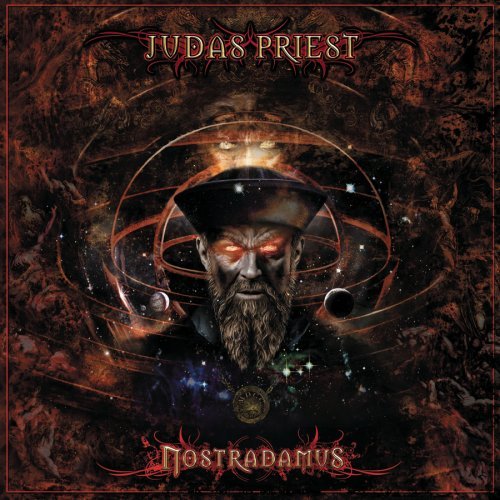
Judas Priest makes an ambitious concept album about the famous astrologer.
On Judas Priest’s second album since reuniting with Rob Halford, the band goes for a symphonic metal sound on this nearly two hour double concept album about famous astrologer, Nostradamus.
While it’s easy to write this album off as being too ambitious for its own good and coming off more like a Spinal Tap-style heavy metal opera parody, it’s surprisingly cohesive and has the band trying something new 30+ years into their career. The band may sometimes sound like they are cosplaying as fellow metal legends Iron Maiden and the synths may seem out-of-place (and even a little dated), but Judas Priest was known for adopting synthesizers in the 80s, so it should come as no surprise to see them popping up here.
At over 100 minutes, Nostradamus demands a lot of attention and endurance from the listener — it’s not one of the band’s best albums, nor does it house any powerhouse singles, but it’s easily one of the band’s most unique, progressive and experimental albums.
70 / 100
Kanye West – 808s & Heartbreak
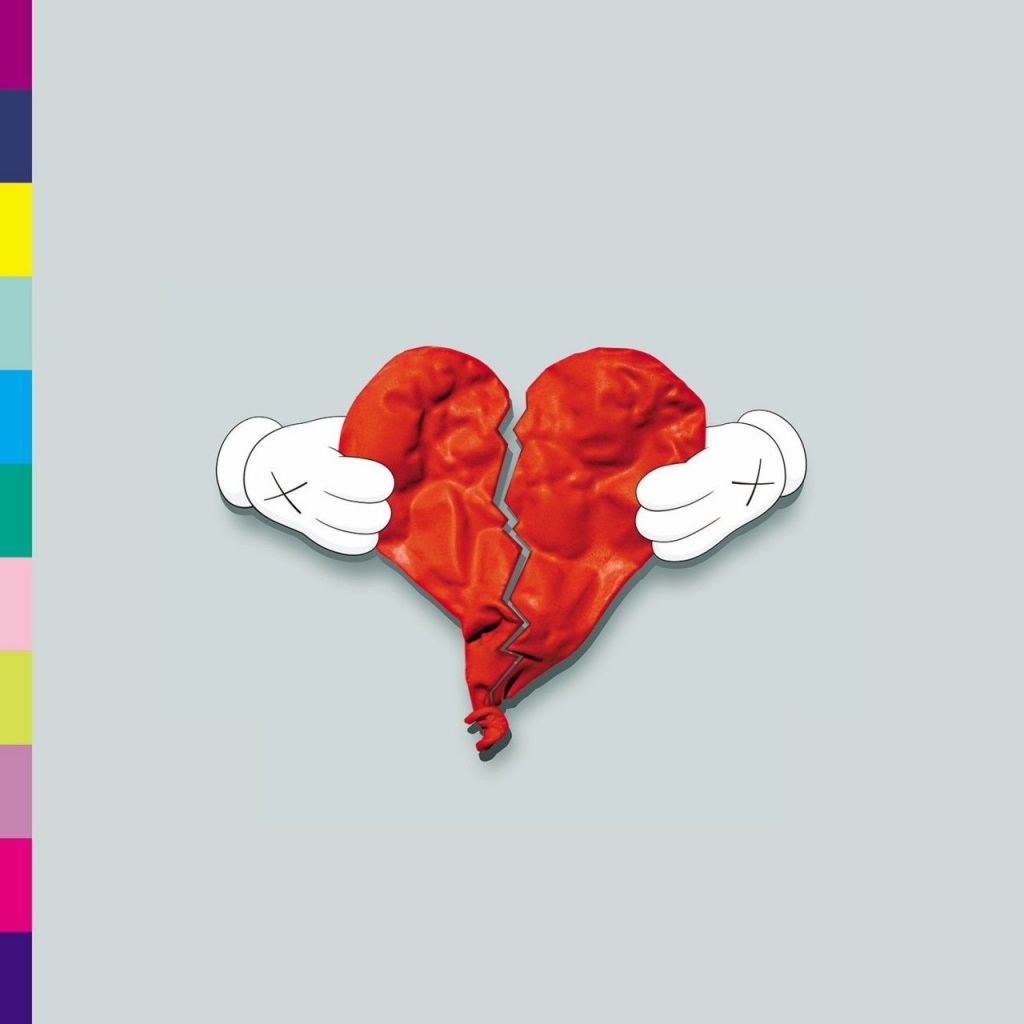
Kanye West creates emo rap, as he grieves from his breakup and the loss of his mother.
After his critically acclaimed and commercially successful “College Trilogy” released between 2004-2007, Kanye West was one of the biggest artists not just in rap, but in all of music. People were finally taking him seriously as a rapper, he had everything he had ever wanted, and his mother (his guiding light) was by his side every step of the way. That was, until late 2007, when Donda West unexpectedly died after a cosmetic surgery. And not only did Kanye lose his mother, but this was around the same time that his relationship ended with Alexis Phifer.
So how does Kanye grapple with the loss of the two women that mattered most to him? By pouring his soul out, keeping the language clean and singing in autotune.
In Kanye’s first three albums, he showed how much he’s willing to experiment by changing up his sound on every album. But even that wasn’t enough to prime fans for 808s & Heartbreak. While the autotune singing might seem like a crutch (as Kanye isn’t exactly a great singer), it actually adds a lot to the album — feeling more like an effect than a cheat, through its tasteful implementation.
Say You Will is a frigid and sorrowful opener, telling listeners that this is not going to be a fun album like Graduation was. Welcome To Heartbreak is a collaboration with Kid Cudi. Heartless was a bonafide hit, along with its rotoscoped music video. Love Lockdown was another massive hit, with its perfect use of the titular Roland 808 drums, pianos and a percussive breakdown. Paranoid sounds like a long lost 80s synth pop classic.
The only weak spot is See You In Your Nightmare with Lil Wayne, but even that song isn’t enough to spoil the album, plus it’s a song you may come around to.
One of the best modern synthpop albums and a well executed detour from typical hip hop.
100 / 100
Trivia: This is Kanye West’s first clean album, completely devoid of any profanities.
The Killers – Day & Age
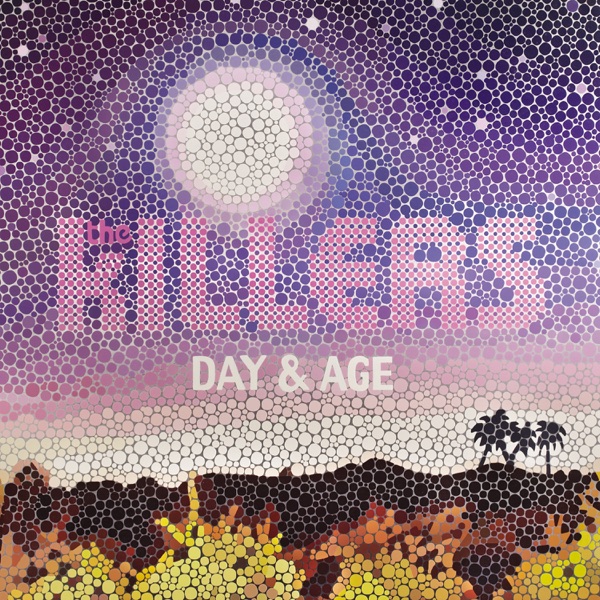
The Killers lighten their sound and go full-on pop rock.
When Sam’s Town was released, The Killers had gone from a British-influenced post-punk revival/new wave band (so much so that people thought they were British), into more of a Bruce Springsteen Americana sound. It was perhaps a jarring change and wasn’t quite as good as their debut, Hot Fuss, but was ultimately bold and rewarding.
On Day & Age, the band changes their sound again, but this time, instead of a bold reinvention, it sounds more like a band selling out, softening up its edges and going for stadium pop status.
Losing Touch is admittedly an interesting and adventurous opener, but the horns can be a bit campy and it pales compared to openers, like the hard-hitting Jenny Was A Friend Of Mine or the mini epic Sam’s Town. The dance pop single Human poses the question of “are we human or are we dancer?”, and while Brandon Flowers defends the song and its lyrics, it’s still a noticeable drop in quality from previous anthems like Mr. Brightside, Somebody Told Me, or When You Were Young. Spaceman is one of the better songs on Day & Age, bringing back some of that post-punk revival charm.
Joy Ride definitively sounds like a Las Vegas song — hollow and vapid entertainment. A Dustland Fairytale is by far the most Springsteen-sounding song that Brandon Flowers has penned yet; his influence becoming increasingly apparent in Flowers’ songwriting. This Is Your Life sounds like a hybrid between U2 and The Lion King (for better or worse, depending on how you feel about that description).
Considering The Killers hail from Las Vegas, it makes sense that this album is full of flashy, colourful sounds and pop-coated production, but it’s just too saccharine and sweet, lacking the edge that the band possessed on their first two albums. I don’t particularly like any of these songs, but there’s some decent variety and pop experimentation on display here.
60 / 100
The Last Shadow Puppets – The Age Of Understatement
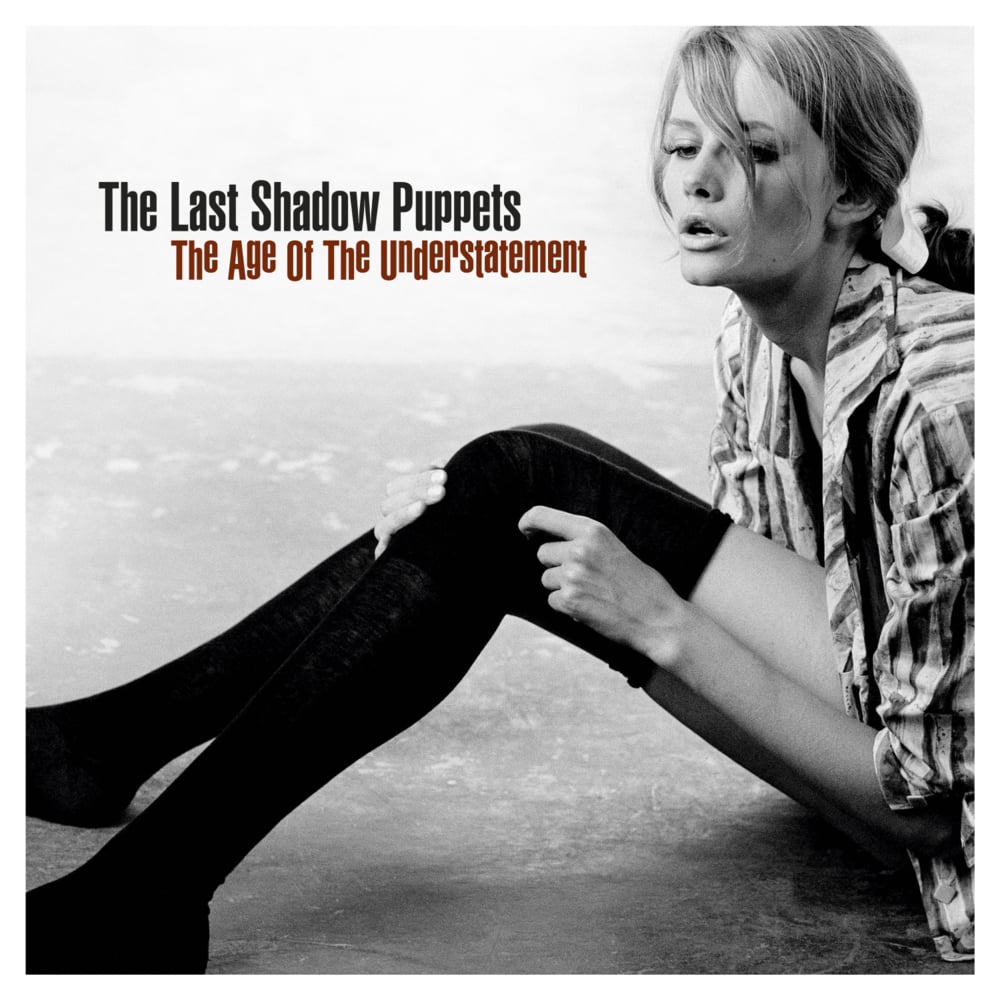
Alex Turner, Miles Kane and James Ford form a band.
Only two years after Arctic Monkeys debut came Alex Turner’s equally high quality side project, The Last Shadow Puppets, which also features friend and collaborator Miles Kane and Arctic Monkeys’ key producer, James Ford. Where Arctic Monkeys was about the present, The Last Shadow Puppets was all about the past, specifically the 1960s.
The title track sounds straight out of a spaghetti western, with its galloping bass and drums and informs listeners that this ain’t Arctic Monkeys 2.0. Standing Next To Me is a love song, full of urgency and intrigue, and the Scott Walker influenced My Mistakes Were Made For You is as cool as it is sexy.
The Last Shadow Puppets successfully fuses together spaghetti western and spy film soundtracks, orchestral, baroque and French pop, and is every bit as enjoyable as Turner’s work in Arctic Monkeys.
85 / 100
The Mars Volta – The Bedlam In Goliath
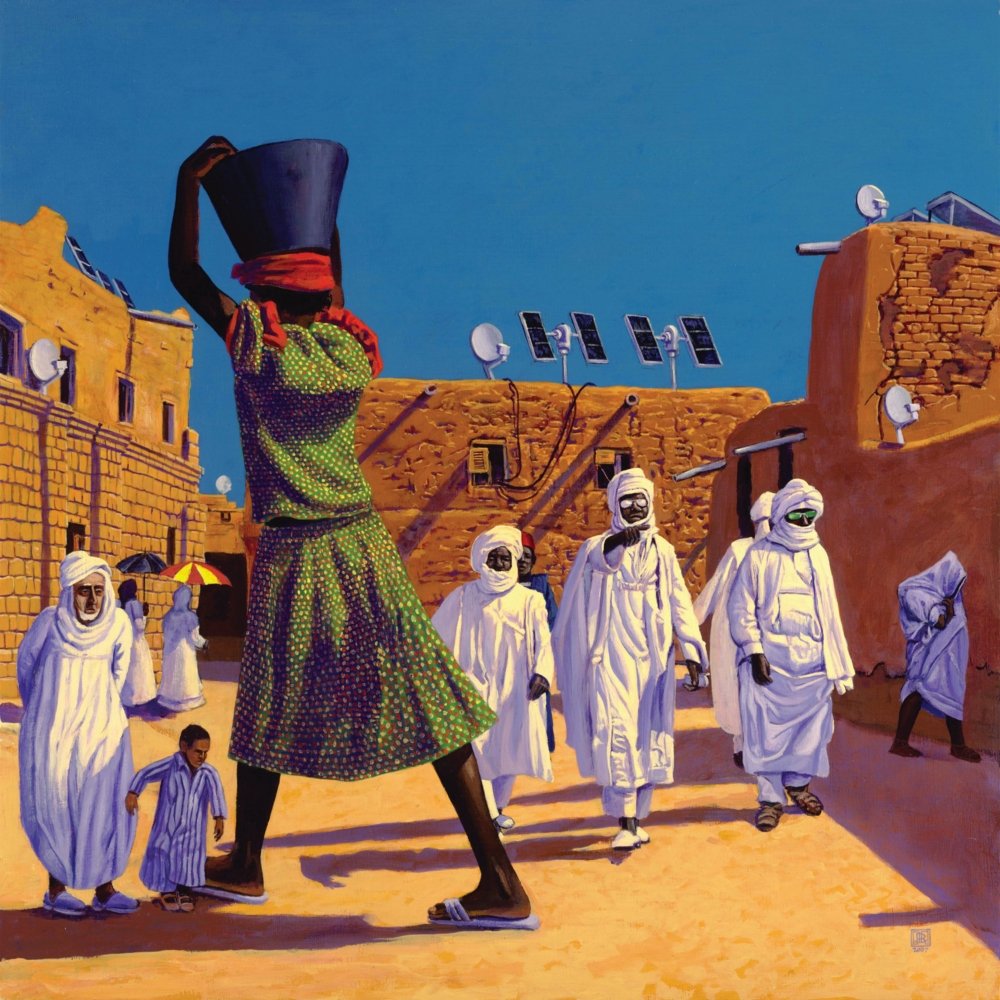
The Mars Volta messes around with a ouija board, cursing themselves in the process.
On The Mars Volta’s fourth album, we see the departure of drumming virtuoso Jon Theodore, but the return of previous key members, including on again/off again Red Hot Chili Peppers’ guitar wizard, John Frusciante.
During the writing and recording of the album, the band would communicate with a ouija board that Omar Rodríguez-López had purchased in Jerusalem, dubbed “The Soothsayer” (also the name of one of the songs), which resulted in strange occurrences happening to the band.
These bizarre instances included the flooding of Omar’s home studio, the need for foot surgery for Cedric Bixler-Zavala, Blake Fleming (Jon Theodore’s original replacement) quitting the band mid-tour, songs randomly disappearing from hard-drives and their audio engineer, departing during the recording sessions, after having a nervous breakdown.
The engineer claimed that Omar Rodríguez-López was doing something very bad with this record, which led the guitarist to breaking the ouija board in half and burying it in an undisclosed location, urging the band to never speak of it again.
Despite the mysterious recording sessions, the band managed to pull through and create their fourth classic in a row, with an album that trimmed the song lengths down, (no songs exceed 10 minutes), while still maintaining their unique brand of chaotic, hard-hitting prog rock, full of diverse influences. In fact, this album might be their maddest yet.
Aberinkula grabs the listener by the balls within the first second of the album, with every subsequent song packing in so much intensity that you might experience whiplash. The only single, Wax Simulacra, clocks in at under 3 minutes, being one of the band’s shortest songs (excluding interludes) and provides something for casual listeners to check out, who may feel daunted by the band’s lengthier tunes.
While De-Loused In The Comatorium and Frances The Mute are the undisputed masterpieces of The Mars Volta, The Bedlam In Goliath is still another stellar work of art, on par with Amputechture and not far behind the first two. Cedric Bixler-Zavala and Omar Rodríguez-López continue to be two of rock’s most impressive and adventurous vocalists and guitarists, respectively.
80 / 100
Metallica – Death Magnetic
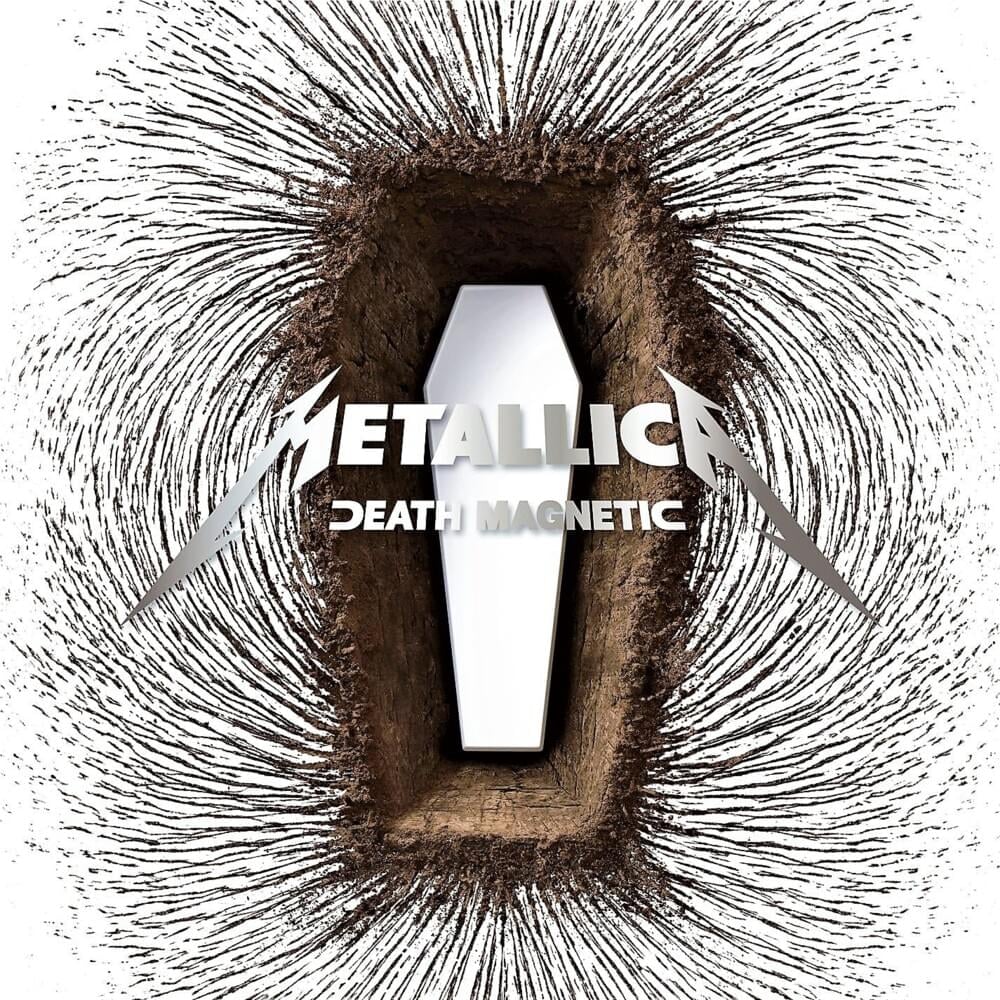
Metallica returns to the thrash metal of their 80s heyday.
Since slowing down their sound on 1991’s Metallica (a.k.a. The Black Album), Metallica fans have been yearning for a return to the thrash metal that they had perfected in the 1980s. In the past 20 years, Metallica has released a pair of alternative blues rock albums (Load/Reload), a covers album (Garage Inc.), a live concert with a symphony (S&M) and even experimented with nu metal (St. Anger). None of these experiments were particularly well-received by fans, though the band still had no problem selling records or tickets, all while trying new things and doing what they wanted to do as a band.
Suffice to say, fans were more than ecstatic to hear that Metallica were returning to the thrash sound that they had abandoned since …And Justice For All, and where most bands would be called regressive for returning to sounds of their past, for Metallica, it was about time that they tried their hand again at the thrash metal genre; this time as older, wiser and as more experienced songwriters and musicians.
Rick Rubin was on board to produce the band, and seeing as he produced fellow Big Four thrash metal band Slayer’s magnum opus, Reign In Blood (along with several other of their albums), it seemed like a match made in heaven. Unfortunately, that’s not the case here, as Rick Rubin absolutely butchers this record with some of the worst, most brick-walled production ever done on a professional level since Red Hot Chili Pepper’s Californication (another Rubin production). This sounds nothing like a product of the 80s (arguably metal’s greatest era) and has some of the most distorted-sounding drumming and guitar that I’ve ever heard.
The unfortunate thing about Death Magnetic is that it’s actually quite good, but the loud and abrasive production makes it a chore to listen to. Honestly, how does something like Master Of Puppets, an album 22 years older than Death Magnetic, sound so much better and more timeless? Shouldn’t production techniques have improved? Anyways, let’s just forget about the disastrous production for a minute and try to look past to the songs themselves.
Much like the template created on 1984’s Ride The Lightning and perfected on Master Of Puppets, the album opener has a calm intro, before exploding into a barrage of thrash riffing (That Was Just Your Life), there is a ballad at track four (The Day That Never Comes) and the penultimate track is an instrumental (Suicide & Redemption). Thankfully, all of these songs are great and stay faithful to the 80s albums the band is paying homage to.
The Unforgiven sees a return for the first time in 11 years, with the piano and strings-laden The Unforgiven III. All Nightmare Long is an easy choice for an album standout, with riffs galore and faster than fuck down-strumming. The End Of The Line, Broken, Beat & Scarred, Cyanide, The Judas Kiss and My Apocalypse are all also riff factories, showing that the band hasn’t lost its magic touch in creating some of the best riffs in metal.
The album does suffer from the usual album bloat that Metallica has dealt with since Load, but at only ten tracks, it makes the music much more digestible than some of their previous albums.
If they ever remastered this album with less grating mastering, then I would bump it up to an 80.
75 / 100
Nick Cave & The Bad Seeds – Dig!!! Lazarus Dig!!!
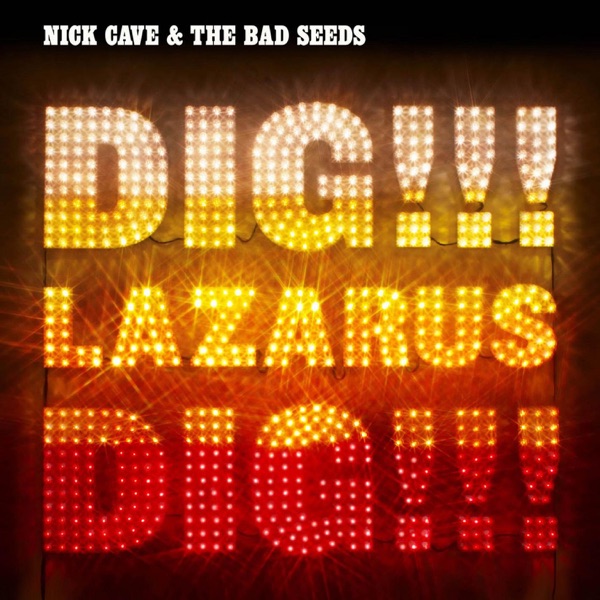
Nick Cave grows a moustache and rocks out.
Straight off the adrenalized resurgences of the hard rocking, gospel-soaked Abattoir Blues / The Lyre Of Orpheus and the first Grinderman album, comes Nick Cave & The Bad Seeds at their most rock n roll in years.
This album is host to many of the band’s most direct and immediately accessible songs, never veering too far into experimentation or minimalism, but still spicing up the instrumentation enough to not sound dull or flat either. The title track, Today’s Lesson, Moonland, Night Of The Lotus Eaters, Albert Goes West, We Call Upon The Author — all great songs.
Perhaps the most celebrated track here is the final song on the album, More News From Nowhere, which is one of Nick Cave & The Bad Seeds’ best songs since the band’s inception in the mid 80s.
Although Dig!!! Lazarus, Dig!!! is the probably the most straightforward and least challenging album in the Bad Seeds’ decades-spanning canon, it still manages to be one of the best, through its immediacy and approachability.
80 / 100
Nine Inch Nails – Ghosts I-IV
Nine Inch Nails releases a double album of instrumental music.
As the band’s first independent release following their split from Interscope, Ghosts I-IV finds Trent Reznor and Atticus Ross indulging their inner Brian Enos, with nearly 2 hours of ambient and instrumental music.
It’s hard to compare Ghosts I-IV to previous NIN albums (though plenty of tracks sound like vocal-less versions of their typical music), but Reznor has always conveyed a certain cinematic quality in his music before, so branching out into the type of music that could soundtrack a film does not seem like strange path for the band to explore.
Ghosts I-IV isn’t exactly an easy listen at nearly two hours and you won’t get Trent Reznor’s anger and despair here, but what you’ll find is some great background music that you can contemplate your own life to.
70 / 100
Nine Inch Nails – The Slip
NIN releases their second album of 2008.
Arriving only two months after the instrumental Ghosts I-IV, The Slip provides a more conventional album experience for fans wanting a proper follow-up to the previous year’s Year Zero.
The ambient 999,999 leads into a surprisingly upbeat 1,000,000. The danceable Discipline, the only single from the album, is another upbeat number; Trent Reznor now unencumbered by major labels or drug addictions. Letting You and Head Down have killer drum loops. Lights In The Sky is a desolate piano piece with whispered vocals, before segueing into the ghostly instrumental, Corona Radiata. Another instrumental follows, The Four Of Us Are Dying, but is a far more structured piece compared to the preceding two tracks. Elsewhere, Echoplex and closer Demon Seed both provide similar thrills to a track like Discipline.
Another great NIN album, and considering it’s their fourth album in three years, it’s all the more impressive.
80 / 100
Portishead – Third
Portishead returns after 11 years with an electronic krautrock masterpiece.
After a decade long hiatus from recording, Portishead returned near the end of the 2000s with an album that swaps out the trip hop sound of their first two albums for a krautrock/electronic-influenced sound, providing one of the band’s most exciting works and my personal favourite.
Silence recalls CAN’s Tago Mago and Hunter sounds like an earlier Portishead song, with a 60s spy film vibe, but twisted with some experimentation. Plastic is another song that sounds somewhat reminiscent of their earlier trip hop sound, before getting experimental towards the end. Nylon Smile is another krautrock jam. The Rip goes from an acoustic song into something more Radiohead-like.
The mechanical Machine Gun, which is built around a repetitive, but evolving drum beat (which resembles a machine gun), is one of the band’s greatest accomplishments, despite its simple premise. We Carry On is a masterclass of krautrock. Small goes into some 60s acid rock territory.
Front to back, this is some incredible stuff and while it may not be influential like Dummy, I think its a superior album and the band’s best album of the three they’ve released.
100 / 100
Steven Wilson – Insurgentes
Steven Wilson releases a solo album and experiments with noise.
After being the driving force behind Porcupine Tree for the past two decades (along with a member of other projects like No Man and Blackfield), Steven Wilson was looking to finally spread his wings and fly solo.
Where Porcupine Tree started as a spaced out, Floydian psychedelic outfit and eventually became the UK’s answer to Tool, Insurgentes sees Wilson using his newfound solo career to explore new sounds, with noise and drone music being the case on Insurgentes. That’s not to suggest that this album is like Lou Reed’s Metal Machine Music or an album by Sonic Youth, but you will find common elements, at least in some songs.
Harmony Korine (named after the film director) was the only single from the album and one of Steven Wilson’s best songs yet, from any project. Abandoner has an industrial edge and crescendos into a noisy climax. No Twilight Within The Courts Of The Sun sees Wilson flex his bass skills. Significant Other sounds like a noisier take on late 90s Radiohead. The title track is a piano ballad that reminds me of the piano pieces on Aphex Twin’s Drukqs.
A great debut album from an artist coming off a string of modern classics with his previous band.
80 / 100
Tame Impala – Tame Impala
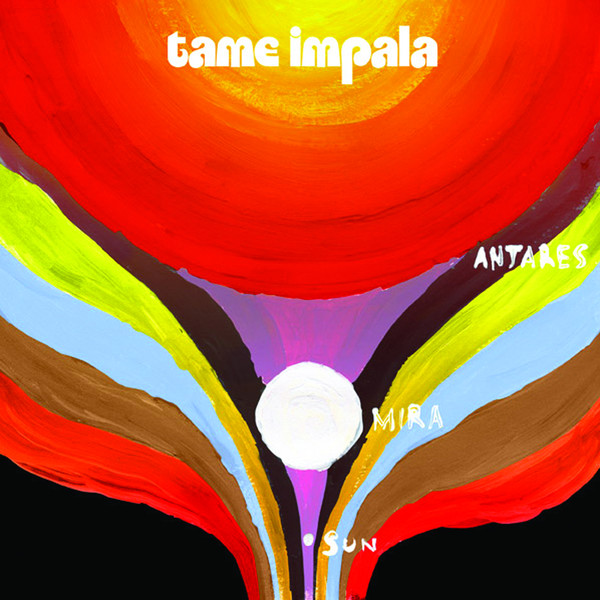
Tame Impala brings vintage psychedelic rock into the 21st century.
Fully written, performed and produced by Australia’s Kevin Parker (other than a couple musical appearances from fellow Australian band Pond’s Jay Watson), Tame Impala is not so much a band, but a one man project for Kevin Parker to showcase a unique sonic world made solely by him.
Desire Be Desire Go is an adrenalized opener, ripe with an air of immediacy and an instantly memorable fuzz guitar riff. The other tracks, Skeleton Tiger, Half Full Glass Of Wine, Forty One Mosquitoes Flying In Formation and Slide Through My Fingers are more stoned and chilled-back songs; all killer.
Tame Impala sounds like it’s from 1968 and not 2008, but without feeling regressive or like some sort of disingenuous cosplay. And while this is just an EP and more of an introduction to Tame Impala, it’s still some of the most satisfying rock music I’ve heard from the late 2000s, and a beacon of whats to come from Kevin Parker.
80 / 100
Vampire Weekend – Vampire Weekend
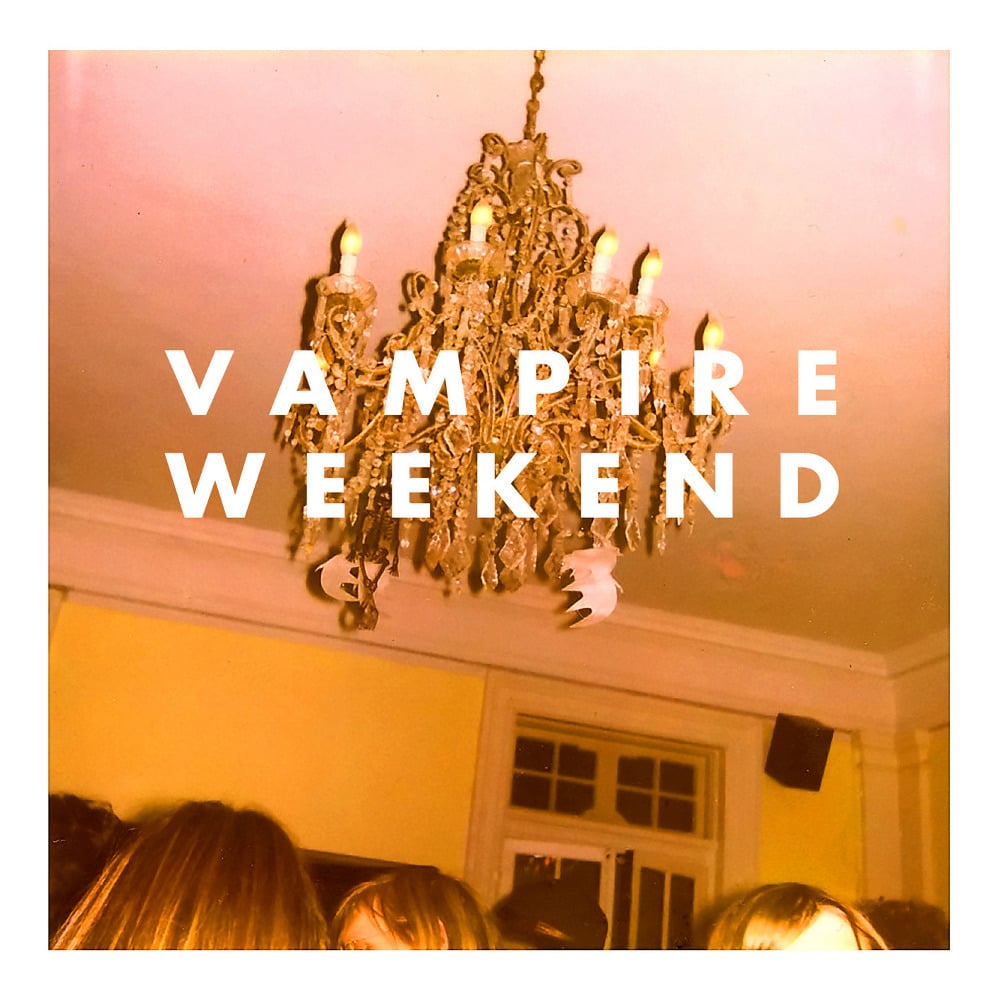
A Paul Simon and Peter Gabriel-loving indie band is born.
Ever since Vampire Weekend blew up and A-Punk started appearing in all sorts of media, the band has been an easy target for detractors. The upbeat world music and fetishization of 80s Peter Gabriel and Paul Simon coming from some preppy college boys rubbed many people the wrong way, but you still can’t deny the musical talent these guys have.
Mansard Roof introduces the band’s style, which is poppy and artsy, yet technical. The aforementioned A-Punk was a supermassive hit. Cape Cod Kwassa Kwassa is guided by Ezra Koenig’s guitar hammer-ons and pull-offs. The Harpsichord and strings-driven M79 is lush and elegant, like something you’d hear as the Titanic is sinking. The Kids Don’t Stand A Chance is a perfect closer to the youthful escapism of the album.
An album that clearly acknowledges its influences, but also sounds unique, with its rich, technical, posh sound. An accomplished debut.
90 / 100
Weezer – Weezer (Red Album)
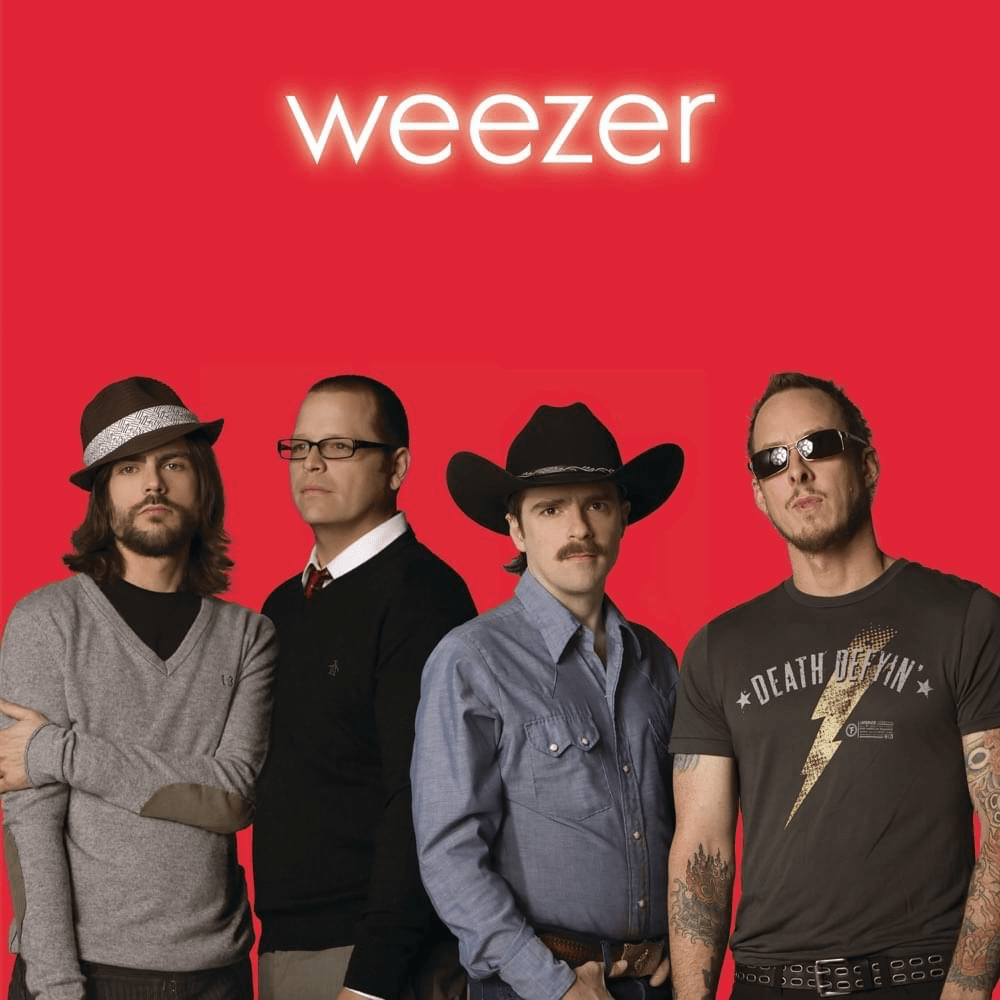
Weezer releases their third self-titled album, following Blue and Green.
On Weezer’s third self-titled album, the band seems to throw several different things at the wall to see what sticks, but like their disharmonious outfits on the cover, the variety here isn’t necessarily cohesive; however, it does make for a somewhat interesting listen.
While it’s got nothing on any of their 90s songs, Pork And Beans is at least one of Weezer’s best songs of the 2000s, and is accompanied by an iconic music video. The mini epic The Greatest Man That Ever Lived isn’t particularly great, but it’s one of the band’s more adventurous songs of the decade. Heart Songs finds Rivers Cuomo serenading the songs that he loves dearly and despite its good intentions, it’s as cheesy and saccharine as you’d expect it to be. Everybody Get Dangerous sounds like a Weird Al parody of the style of Red Hot Chili Peppers. The other members of the band each get one song to sing on the album and lets just say: there’s a reason Rivers Cuomo is the singer in the band.
Weezer (Red Album) is not a very good album and is vastly inferior to the previous two self-titled albums, but it is marginally more exciting than Make Believe was.
50 / 100
FIN
Britain Chambers