- A$AP Rocky – Don’t Be Dumb
- Charli xcx – Wuthering Heights
- Gorillaz – The Mountain
- Kim Gordon – PLAY ME
- Megadeth – Megadeth
- U2 – Days Of Ash
- War Child Records – HELP(2)
- Ye – BULLY
A$AP Rocky – Don’t Be Dumb
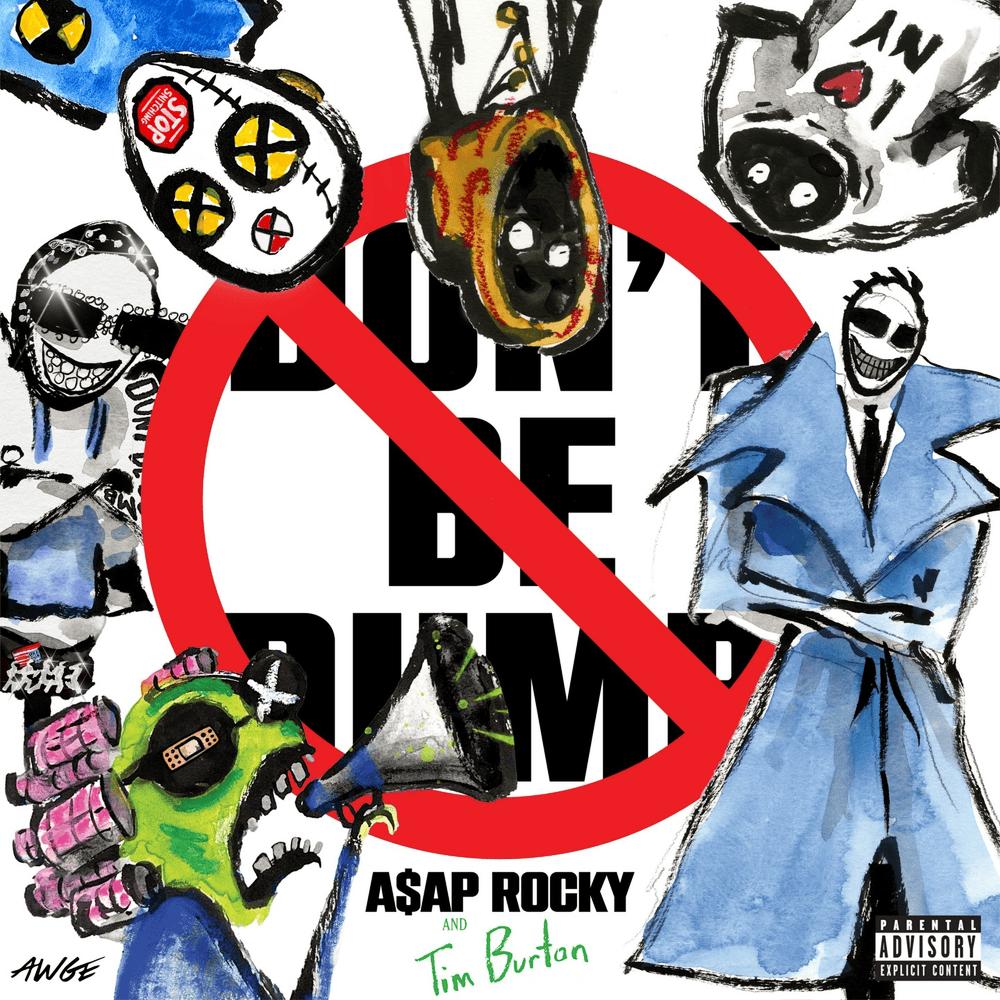
A$AP Rocky finally returns after an 8 year gap.
Since 2018’s TESTING, listeners have been eagerly awaiting A$AP Rocky’s follow-up album, to the point that it had become the thing of legends — but, after 8 long years and plenty of delays later, Don’t Be Dumb is finally out.
On Don’t Be Dumb, A$AP Rocky throws a bunch of different genres at the wall to see what sticks, making for a fascinating, albeit incohesive album — one that feels more like a traditional rap album with some experimental moments, but when he does experiment, the results are mostly quite good and leave you wanting to hear more.
ORDER OF PROTECTION is a pretty tame opener, acting more like an intro, which then takes us to HELICOPTER, which feels like something N.W.A might have made back in the late 80s (808 cowbell and all). NO TRESSPASSING, STOP SNITCHING and STOLE YA FLOW are all menacing bangers. STFU is one of the most interesting and experimental songs here, sounding a bit like a Death Grips track. AIRFORCE (BLACK DEMARCO) is an electronic song that also evokes some Death Grips, until it slows down and sounds closer to something like Purple Rain.
ROBBERY sounds like something you’d hear in a 1920s speakeasy. PUNK ROCKY is best described as an indie rock song, making it the biggest outlier on the album — in fact, I’d love to see an entire album in this style from a major rapper — well, as long as it doesn’t end up like Lil Wayne’s Rebirth.WHISKEY (RELEASE ME) is quite good up until Damon Albarn (Gorillaz) enters, accompanied by several annoying ad-libs (“boo-boo-boom!”, “skrrrrrrrrrrrt!”, “doot doot doot doot”, etc.).
It could have leaned harder into the experimental angle and it didn’t really live up to nearly.a decade of anticipation, but Don’t Be Dumb was still a good listen with a mix of experiments and more traditional bangers.
75 / 100
Charli xcx – Wuthering Heights

Charli experiments with an orchestra on this brilliant and ambitious film soundtrack.
Released as the soundtrack to the newest film adaptation of Emily Brontë’s famous and controversial work, Wuthering Heights sees Charli xcx experimenting with orchestral instruments and noise on this compelling work, which is so much more than just a mere soundtrack.
The opening track, the gothic and haunting House, which features spoken-word vocals from John Cale of The Velvet Underground, minimal instrumentation and a distorted industrial climax, was an incredibly bold choice for a single, let alone the first single since Charli xcx’s critically and commercially successful BRAT era, only two years prior. This song sees a surreal combination of two musicians whom are separated by half a century of age, and from different generations and completely opposing ends of the musical spectrum, but sees Charli thinking outside of the box of pop confines by having sought out a collaboration with such an artist in the first place, seeking a sound that was both elegant and brutal (as John Cale had described VU). Considering John Cale’s production work with the late German chanteuse Nico and with New York City punk rocker Patti Smith (on her seminal 1976 album, Horses), he’s had a legacy of working well with women.
Chains Of Love was a slightly more conventional single that followed House only a few days later, but is no less rich or exquisite. Wall Of Sound is appropriately-titled, with a wall of strings that push up against Charli’s vocals. Dying For You and its delayed synth intro feel like something Kate Bush would have made in the 1980s. Altars is a grandiose romantic ballad with a sensual drum beat. Eyes Of The World sees an appearance from singer/actress Sky Ferreira. Funny Mouth is an epic closer, with some intense industrial flourishes.
Charli promised that her next album would be the anti-BRAT — and this does fit the description, as the instrumentation on Wuthering Heights is primarily vintage, rustic and a little bit industrial, so it doesn’t feel much at all like BRAT, though it does still feel 100% like Charli. There are still flavours of 1980s revivalism throughout the album, and no other song gets quite as dark and strange as House, but this is far more experimental than most pop artists would ever dream of being. If Charli’s goal was to make an album that was both elegant and brutal, I’d say she succeeded. Every track here was immaculate and theatrical and I love seeing pop artists be this adventurous and unpredictable.
Charli xcx’s Wuthering Heights works very well as a standalone album, something many soundtracks fail to do, and while I’m yet to see this music in the context of the film, I can still say that this has the potential to become one of the memorable film soundtracks of all time — that’s how great it is.
100 / 100
Gorillaz – The Mountain
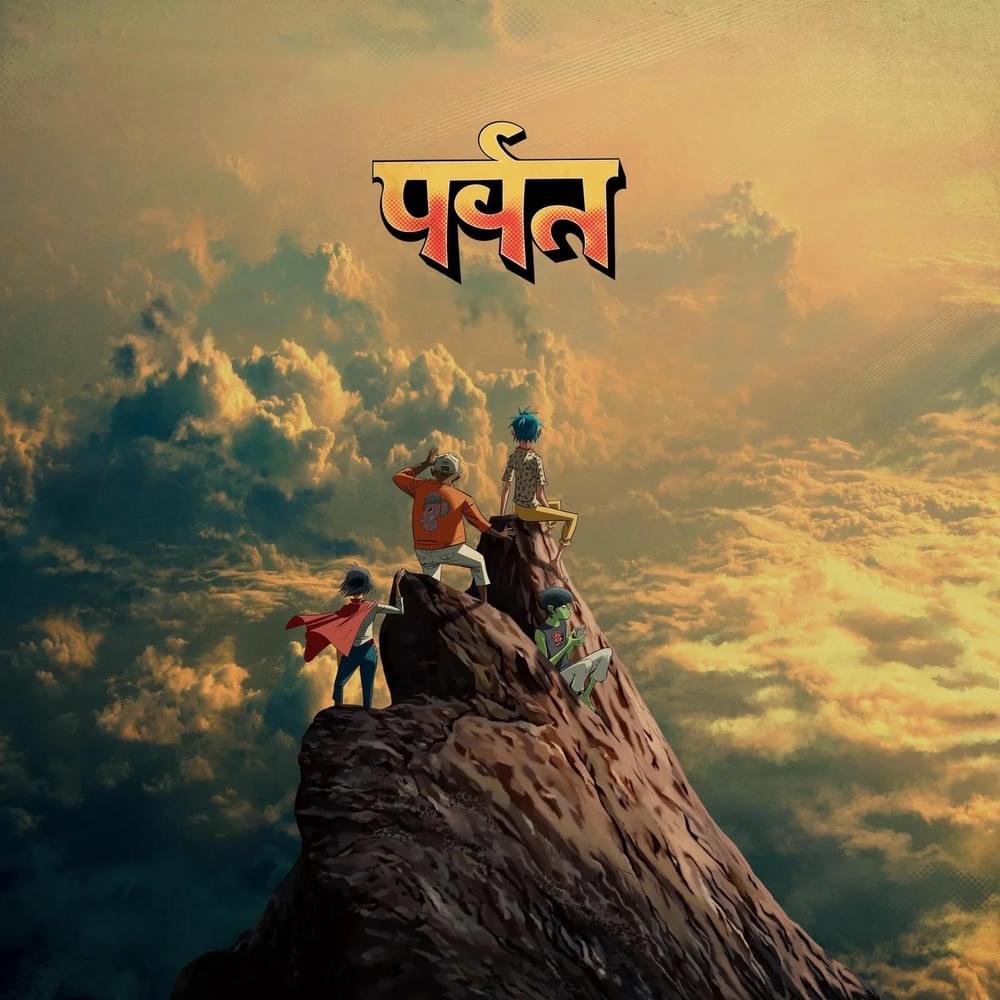
Damon Albarn returns from India.
Following family losses and a spiritual journey to India, Damon Albarn and Jamie Hewlett take Gorillaz up to heights unseen since Plastic Beach on the grand and ambitious The Mountain.
The title track uses classical Indian music and includes a spoken word bit at the end from late actor Dennis Hopper (who previously appeared on the Demon Days track Fire Coming Out Of The Monkey’s Head). The Moon Cave goes a bit funky, with a more typically Gorillaz electropo sound. One’s enjoyment of The Happy Dictator might depend on whether or not you like the campy duo Sparks, (who makes an appearance here). Damon Albarn sings of how hard it is saying goodbye to those you love on the emotionally-packed The Hardest Thing. Orange County‘s upbeat sound and the constant whistling was more annoying than endearing.
The Plastic Guru sounds like a less tripped-out Flaming Lips. The God Of Lying should appease fans of old school Gorillaz. Delirium was a lot like The Happy Dictator, in the sense that you might love or hate the silliness of it. Damascus is a spicy Gorillaz track with a killer Yasiin Bey feature. The almost 50s sounding Casablanca has Johnny Marr (The Smiths) and Paul Simonon (The Clash). The Sad God ends with a bass line that feels like more like it’s from a doo-wop track than anything.
Like most Gorillaz projects, The Mountain is very feature-heavy. Literally every single one of the 15 tracks has features, which is admittedly fitting for a grand project like this. This does bring me to my next point though, which is about the contrast between Damon Albarn’s slow, lethargic voice and everyone else. However, you can feel the sincerity in his voice, and so it works here better than it may have in the past.
The Mountain works fairly well conceptually, with lyrics about life, death and the afterlife and a cohesive use of Indian instruments and vocals. A lot of your enjoyment of The Mountain will also depend on your enjoyment of Indian music. George Harrison’s use of sitar and Indian influence was just a part of The Beatles DNA in the late 60s — here, Damon Albarn fully immerses Gorillaz in an Indian flavour; it’s not my thing, but it is bold and adventurous.
The Mountain doesn’t top the band’s first three albums, but it’s easily their most engrossing work in 15 years. I can’t see myself returning to this often and there were several songs I wasn’t fond of, but it’s still a work of art and passion nonetheless.
75 / 100
Kim Gordon – PLAY ME
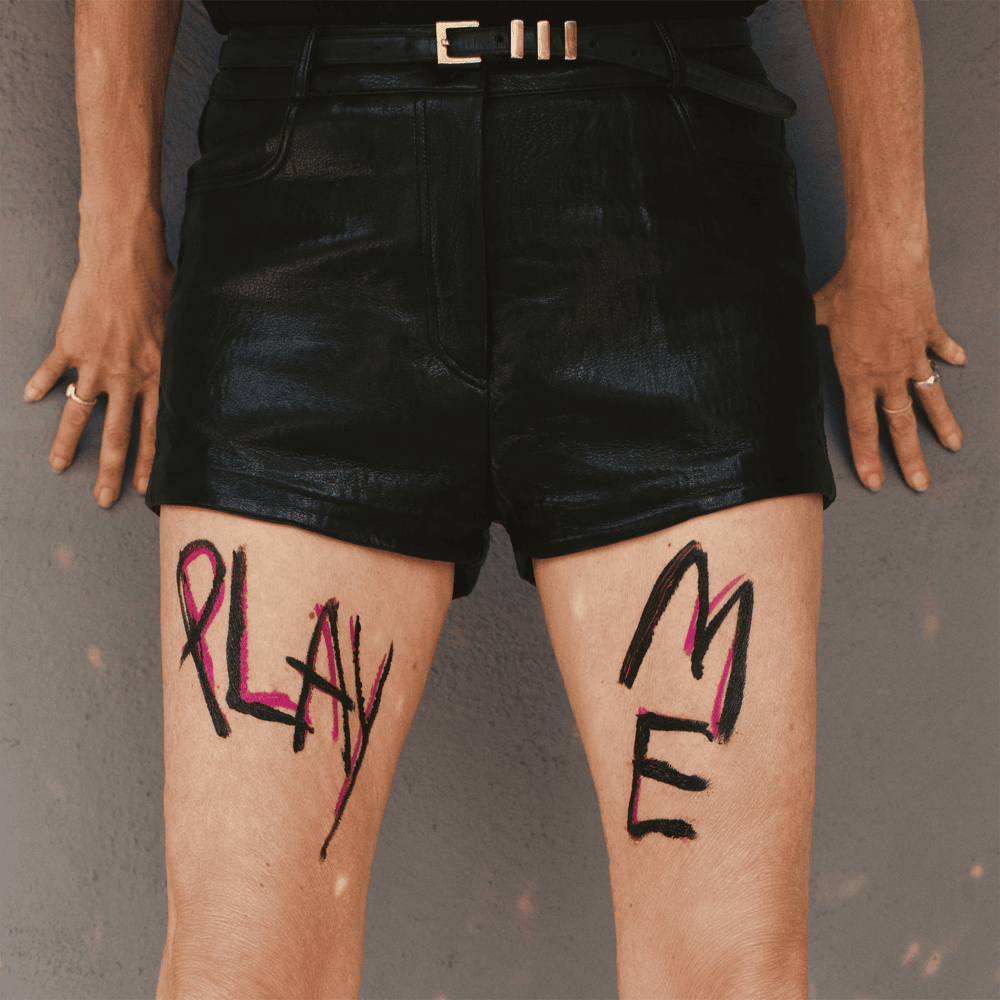
Kim Gordon continues to be the hippest septuagenarian in music.
After fully immersing herself in the trap instrumentals of The Collective, Kim Gordon and returning producer Justin Raisen are back with perhaps her best sounding batch of songs yet.
Much like its predecessor, PLAY ME revolves around criticisms of technology, particularly the recent A.I. push (DIRTY TECH, BLACK OUT) and though detractors of The Collective may write the lyricism off as curmudgeonly, the hysteria and anxieties surrounding technology (and the resulting human redundancy) are more valid than ever.
The title track starts the album off feeling like some sort of dystopian, sci-fi blaxploitation film, making for a riveting opener. The Sonic Youth reminiscent lead single NOT TODAY is a blend of post-punk, dream pop and krautrock; GIRL WITH A LOOK has a similar dreamy instrumental. Dave Grohl provides the beats on the bizarre BUSY BEE. The ire of SUBCON seems to be directed towards a certain tech-obsessed billionaire, criticizing his short-sighted ambitions to have the elite abandon Earth for the substantially less-inhabitable Mars (“You wanna go to Mars and then what?”); then there’s POST EMPIRE which seems to target a particular western world leader. NAIL BITER is full of fuzzed-out, bass.
My one criticism with PLAY ME is BYEBYE25!, a 2025 remake of the opener from 2024’s The Collective, which changes the lyrics to reflect major and controversial topics of that year. It would make more sense to have left it as a non-album single, but seeing as I liked it the first time around (and it still bangs here), then its inclusion isn’t too big of an issue.
Although I preferred The Collective‘s more experimental and overall psychedelic production, PLAY ME refines the admittedly rough edges and abandons the density of that album’s dark sound, making for what’s probably her most rounded (and relatively accessible) solo album yet.
PLAY ME is short at just under 30 minutes and it isn’t as bold or challenging as The Collective was, but this is still an excellent work from the veteran alternative rocker. I was a fan of Kim Gordon long before she went solo, but I still never expected the bassist of Sonic Youth to be one of my favourite major artists of the 2020s and yet, here we are.
90 / 100
Megadeth – Megadeth
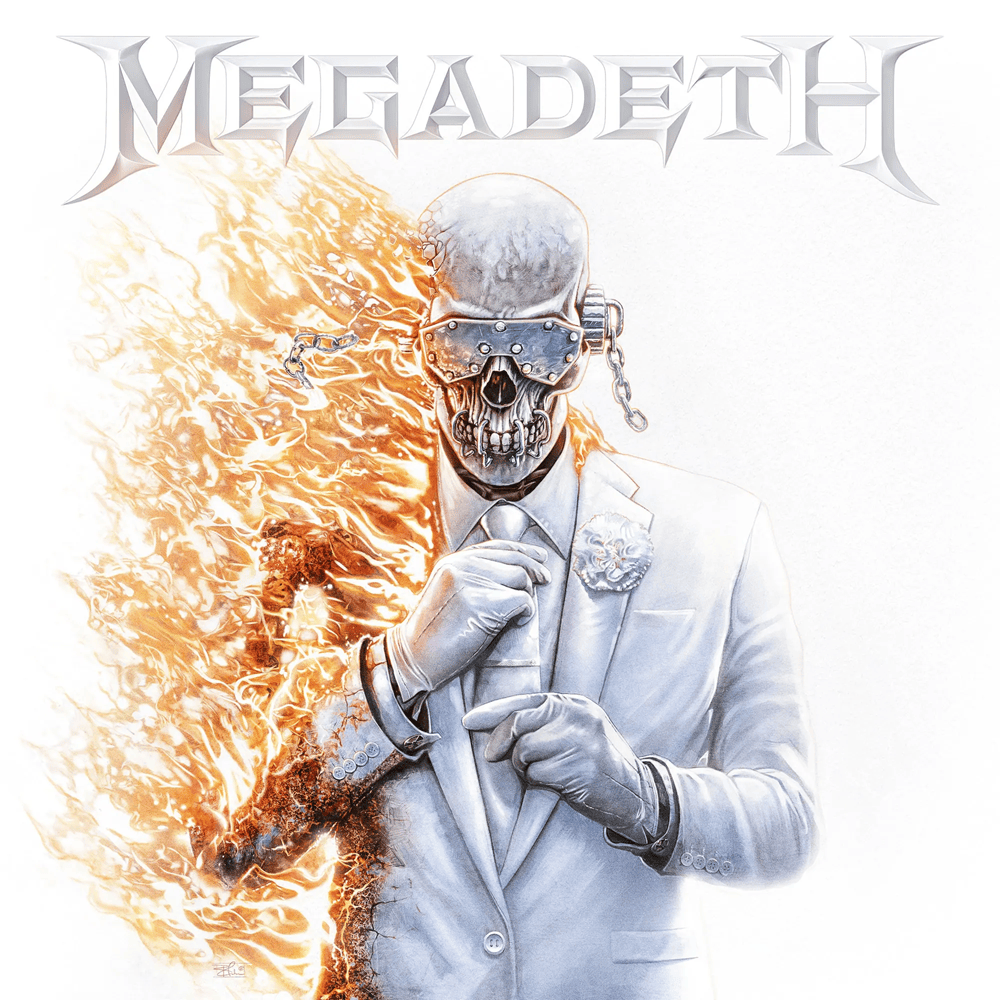
Megadeth releases their final album.
The final album from Dave Mustaine’s Metallica-spite machine, simply titled Megadeth, finds the metal pioneers giving one last hurrah before bowing out after four decades of ass-kicking thrash metal
Tipping Point was a strong lead single that has Megadeth still sounding fierce and fiery. Let There Be Shred shows that age hasn’t slowed down Dave Mustaine’s ability to shred. The album ends with a re-recording of the 1984 Metallica song Ride The Lightning, which Dave Mustaine had co-written while still in the band. It obviously sounds inferior to Metallica’s version, but it’s still nice to see Dave returning to one of his songs that preceded Megadeth.
Yes, Mustaine’s lyrics can be cheesy and his vocals aren’t what they once were, but this is Dave Mustaine, a man who was always known more for his shredding than his lyrics or singing. Even then, considering both the throat cancer that he battled at the start of the decade and his age (64 as of writing), Mustaine’s voice could have sounded much worse.
Megadeth may not be the grand and epic finale that many fans may have envisioned or wanted, but it’s Dave Mustaine doing what he does best and going out on his own terms and it’s still a respectable ending to one of metal’s most legendary bands.
65 / 100
U2 – Days Of Ash
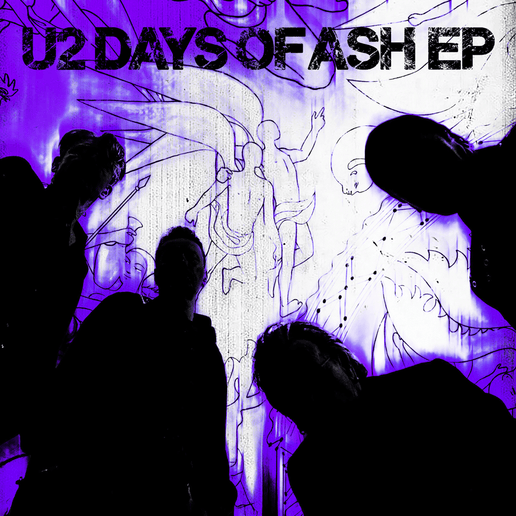
U2 sounds (somewhat) inspired again.
Days Of Ash is the first collection of new music from U2 since 2017’s Songs Of Experience (2023’s Songs Of Surrender was just remakes of several of the band’s greatest songs). Inspired by increasingly worsening geo-political tensions, wars and unpredictable world leaders, Bono feels the most inspired that he’s sounded in over two decades.
Days Of Ash sounds like U2 trying to recapture the protest-powered proto-punk of 1983’s War, but it comes off as U2 trying to recapture War as sexagenarians; regardless the effort is noble.
American Obituary is a decent, politically-charged opener (if not a little cheesy), with the following two tracks also being fairly decent songs. Wildpiece is a 1+ minute long interlude with spoken word vocals and feels random on such a short project. Yours Eternally features Ed Sheeran, but is better than you’d expect.
U2 will never relive the artistic or commercial glories of their nearly perfect body of work between 1980-1993, but they don’t have to; all people want is a half-decent new U2 album and while this is only an EP, it feels like a step in the right direction.
That cover artwork is just awful though.
60 / 100
War Child Records – HELP(2)
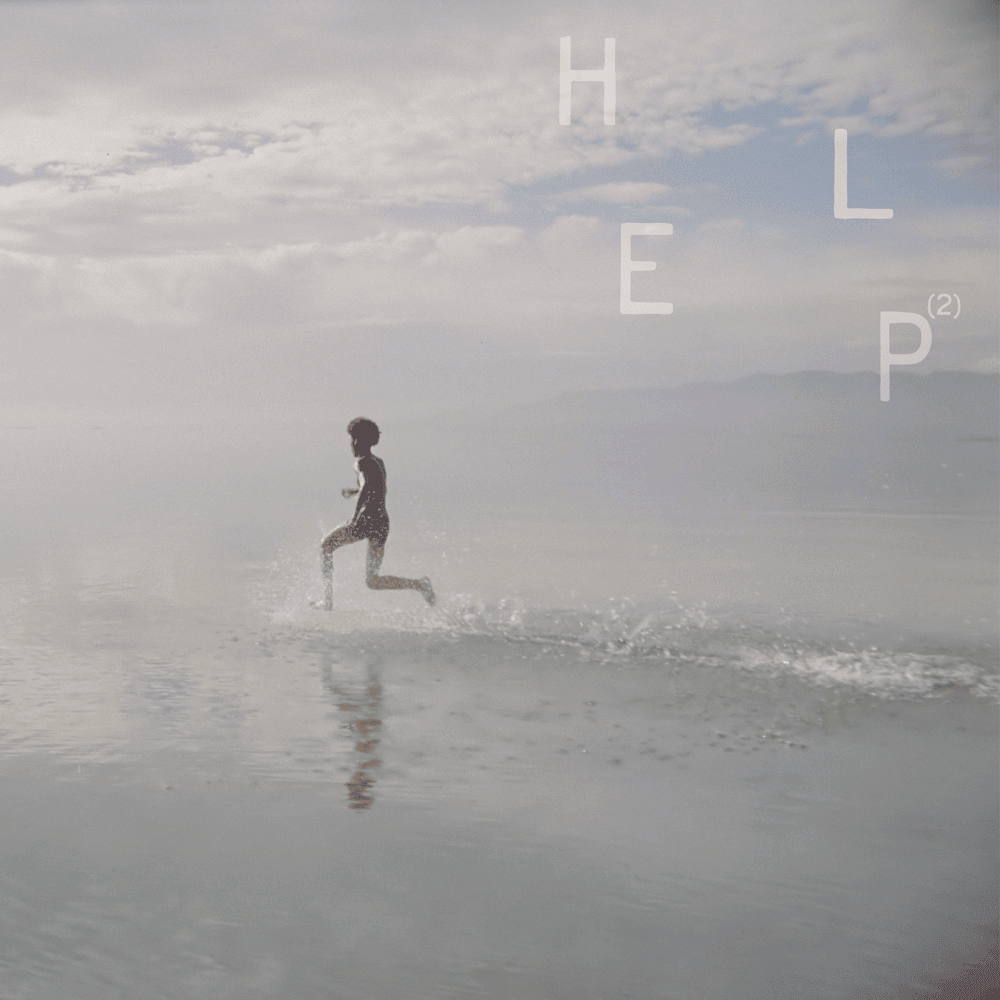
The long-awaited spiritual successor to 1995’s The Help Album.
Produced by James Ford (who has previously worked with several artists here), HELP(2) is the spiritual successor to 1995’s legendary The Help Album, which was released to raise funds for war-stricken areas in the world. Unfortunately, three decades later, the world is still rife with war and geo-political tensions, so it seemed appropriate for a sequel.
Like the first Help album, HELP(2) compiles a dream team roster of some of the biggest acts in music today, including older acts like Arctic Monkeys, Beth Gibbons, Damon Albarn, Graham Coxon, Beck, Depeche Mode and Pulp, as well as newer artists like Black Country, New Road, The Last Dinner Party, Fontaines D.C. and Olivia Rodrigo.
The lead single (and appropriately-titled) Opening Night finds Arctic Monkeys revisiting an old unfinished AM era song, but blends in the more recent sensibilities from their latest LP, The Car — and it’s easily the best and most memorable song here. Flags with Damon Albarn is pretty boring, especially following such a good Monkeys song. Let’s Do It Again! by The Last Dinner Party sounds like it’s going for a glam rock, 1973 era Bowie cabaret vibe. Strangers by Black Country, New Road is a pleasant enough song with electronic piano, but is more of that twee stuff they’ve been doing since last year’s Forever Howlong.
The ever lovely Beth Gibbons performs a warm, sparse and understated cover of The Velvet Underground’s classic 1967 track, Sunday Morning. King Krule’s The 343 Loop is just a brief little instrumental that feels more like an interlude. Depeche Mode does a synthesized cover of (disgraced) singer Buffy Sainte-Marie’s Universal Soldier. Helicopters changes things up with some dub music. Beabadoobee covers Elliott Smith’s Say Yes, but strips it of its torment.
Fontaines D.C. covers Sinéad O’Connor’s Black Boys On Mopeds. Warning by Geese’s Cameron Winter is initially one of the more interesting and experimental songs here, but the music is ruined by his awful, deadpan vocal delivery. Pulp’s Begging For Change is a decent rocker from the recently reunited Britpoppers, but the spelt-out lyrics are a little bit cheesy. Wet Leg sounds less obnoxious than usual here on Obvious.
While I commend HELP(2) for its noble intentions and its charitable nature, there just weren’t enough songs here that interested me when all was said and done, though it does have some good variety. Despite the shortcomings of this album, I hope it performs well and I’d love to see more charitable efforts like this from the music industry.
70 / 100
Ye – BULLY
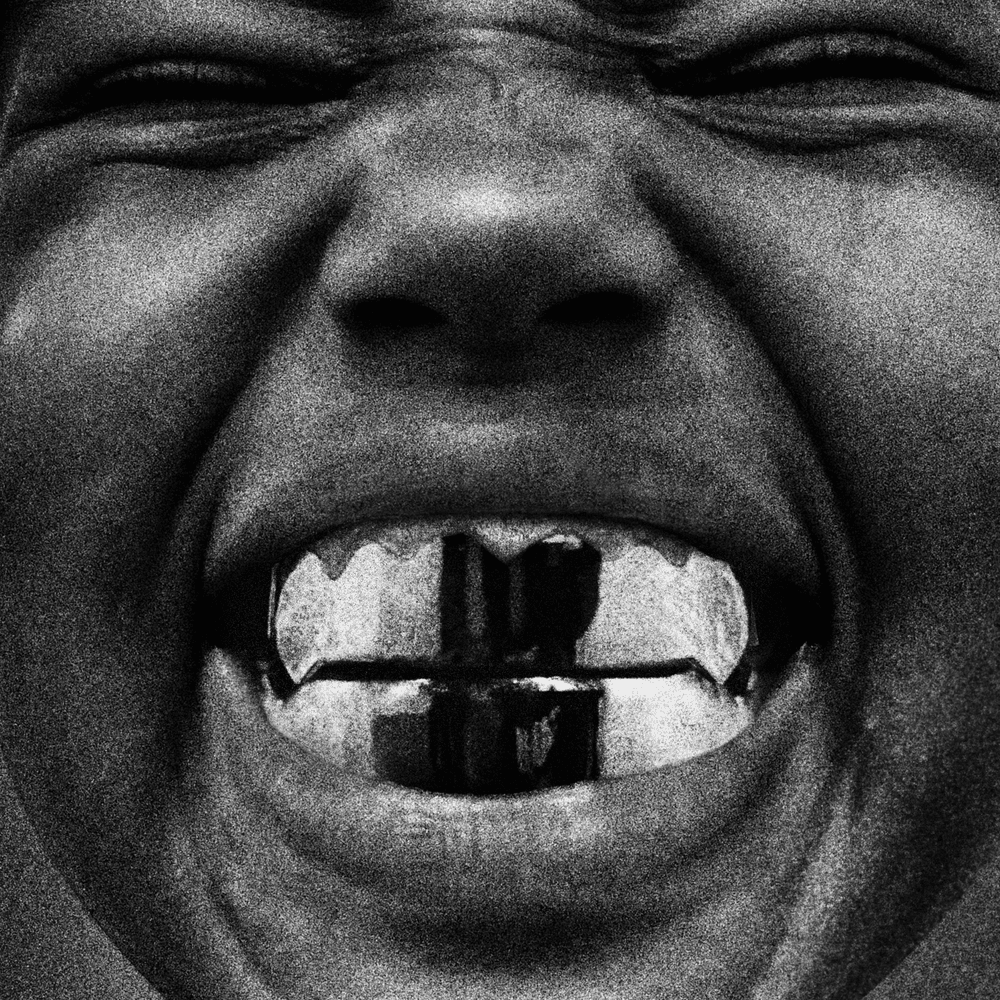
Ye doesn’t even appear on his own album.
After a year of his worst controversies yet, including the releases of the controversial singles WW3, COUSINS and HEIL HITLER from the unreleased WW3 / CUCK / IN A PERFECT WORLD album and his use of A.I. to finish his vocals on recent projects like VULTURES 2 and DONDA 2, as well as about half a dozen delays, BULLY is finally here… well, kind of.
As of writing (March 27th), BULLY is only officially available on CD and vinyl, other than what appeared on a Youtube live stream early this morning. All the tracks on the physical copies still use Ye’s A.I. vocals (which is basically Ye’s voice modulated over reference tracks sung/rapped by other artists), something that he said he was going to remove from the album months ago. Some people claim the physical copies have the old, outdated album (due to the processing times for vinyl and CD orders), thus not considering it canon and yet I’m here with my BULLY CD in hand, so it seems pretty canon to me; can this next iteration of the album not just be BULLY (Deluxe) like what we got with Donda? Is this version of BULLY really that bad?
I’m going to preface the rest of this review by saying that I am in no ways an advocate or supporter of many uses of artificial intelligence, especially in the arts, though there is a time and place for it. Outside of writing about music, I write and compose my own music, so I understand the blood, sweat and tears that goes into creating music; however, this is Ye that we are talking about, a man who is quite possibly the single most important (or at least one of the most infamous and influential) musical figure of the 21st century; I don’t think he is using A.I. because he’s washed, but as a tool — I also enjoyed his past several releases, which were all polarizing, so maybe I’m the crazy one.
Why would Ye hide the fact that the albums had A.I. vocals from fans until a couple days before the release day, when they are inevitably going to find out and make a fuss about it? Was this unethical diversion or artistic intention? Was this always the intended album, with fans only bullying Ye into releasing a “better” version of the album — the version they wanted?
Did Ye always plan to make BULLY with A.I.? Were VULTURES 2 and DONDA 2 just experiments before he could “perfect” it? Are the metal grills that have been adorned to his visage for the past couple of years (and part of the album’s marketing) simply an excuse for not rapping/singing, or are they a red herring, with Ye seeing the artistic potential of A.I. in music, not so different from his influential (but initially controversial) use of autotune on 2008’s 808s & Heartbreak? Does Ye think he can be the earliest adopter once again, being the first to release a major album (and possibly critically acclaimed at that) made with A.I.? Why not? As far as I know, Kanye is often canonized as the first major rapper to break away from the confines of the genre’s gangster roots, the pioneering producer of chipmunk soul, the first rapper to use autotune the way he did and the first major artist to make post-release changes to an album in real time (The Life Of Pablo) — so why is it so hard to fathom that he could use A.I. in an innovative way, rather than a cheat? Again, I’m not a proponent of A.I., and perhaps I’m just playing the devil’s advocate, but we must turn and face the strange, because we may find some beauty in it.
Despite how you may feel about Ye’s use of A.I. on BULLY, it doesn’t suggest that this album is simply the result of somebody typing “create a Ye album” as a prompt for their A.I. model — BULLY is actually quite good, with excellent sequencing, lots of variety and nothing coming off as artificial outside of Ye’s voice or possibly some of the sampling wizardry that may have some artifacts here and there, but none of it actually sounded horrible (and I’ve heard lots of poor A.I.-generated speech and audio recreation). With saying that, I don’t know if all of these samples are true or not (Ye pretty much ruined his good graces with pretty much anyone that would want to license their music to him) or if they are just A.I. recreations, but they sound fine for the most part.
Perhaps I’m biased towards Ye (he’s the musical figure I’ve written the most about of the new millennium), though I try not to be. It’s not like I was always a fan, his music had to win me over — it even made me tolerate his abrasive persona. But even if you strip away the man and the controversies, his albums each paint different sonic worlds, with no one album quite imitating the last; some of his works even border on challenging at times, which is quite rare from such a mainstream artist, and he never refuses to explore the entire emotional spectrum. How is using A.I. any different from what he’s done with autotune? Or am I giving too much credit to someone who might not even have a method to their madness?
PREACHER MAN opens the album with the types of sped up soul samples that Ye initially made his name off of; BEAUTY AND THE BEAST is a similar style song, with a slightly better sound than the single version from 2025, though there is still noticeable surface noise from the sample source, but to my ears, that just adds character. LAST BREATH is sung in a mixture of English and Spanish, though it’s not like Ye actually learnt Spanish for the song as its just A.I. WHITE LINES samples a Stevie Wonder talkbox performance of The Carpenter’s Close To You and has Ye revealing that he feels like a clone of himself, perhaps pointing fun at the fan theory that Ye was replaced with a clone in late 2022/2023, or perhaps its introspective and earnest. I CAN’T WAIT interpolates You Can’t Hurry Love by The Supremes and feels like a continuation of the previous track.
The title track starts with The Simpsons’ Nelson Muntz’ iconic haw-haw laugh, though it sounds slightly off, perhaps just enough to avoid a lawsuit from Disney’s lawyers (shh, you wanna get sued?); the rest of the track uses a sample from a Bollywood track and it’s a total banger, if not a little too brief (like most of the songs on the album). ALL THE LOVE has a drumbeat reminiscent to that of Black Skinhead. There was originally a sample of French singer’s Pomme’s Soleil Soleil on HIGHS AND LOWS, though the sample wasn’t cleared so they whipped up something else that sounds close, but not quite the same; without the knowledge of the original track, this wouldn’t sound so bad in contrast. Half of MISSION CONTROL is a capella. CIRCLES samples Huit Octobre 1971 by Cortex, which was sampled in 2004 by MF Doom on One Beer, though it’s mostly instrumental here. DAMN no longer starts with the Nina Simone sample that was in the 2025 single version, though it’s better off without it.
The closing song, LOSING YOUR MIND, is practically identical to CAN’s classic 1972 song Vitamin C (Ye had previously sampled CAN’s Sing Swan Song on the Graduation‘s Drunk And Hot Girls, so he’s clearly a fan), with Ye’s voice replacing the late Damo Suzuki, added modern production, and changing the chorus from “you’re losing your vitamin C” to “you’re losing your mind”. I initially wanted to hate LOSING YOUR MIND, as it comes off as lazy and even bordering on plagiarism, but perhaps there was a reason Ye chose this as a closer, I just don’t know if Ye’s conscious of it or not — though it’s been removed from the proposed 20 track version of BULLY, so maybe it had no greater meaning, or is he just giving into peer pressure to remove it. Despite it’s flaws and as someone who loves early 70s CAN, the sound of the instruments in LOSING YOUR MIND do sound great, far greater than the most recent remaster I’ve heard of Vitamin C.
Just like VULTURES 2 and DONDA 2, I want to rate this higher than I am based off of my overall satisfaction and enjoyment of the project, but due to the haphazard and patience-grating album rollout (which seemed more like Ye fucking with his fanbase), as well as the fact that this CD that I am physically holding in my hands may not be the final album, I can only give it so high of a score. Still, like everything Ye has released since his now self-titled album, I found myself captivated from start to finish and am bound to admit to liking this more than most people will.
80 / 100
FIN
Brett Nippard