Table of Contents:
American Football – American Football (LP3)
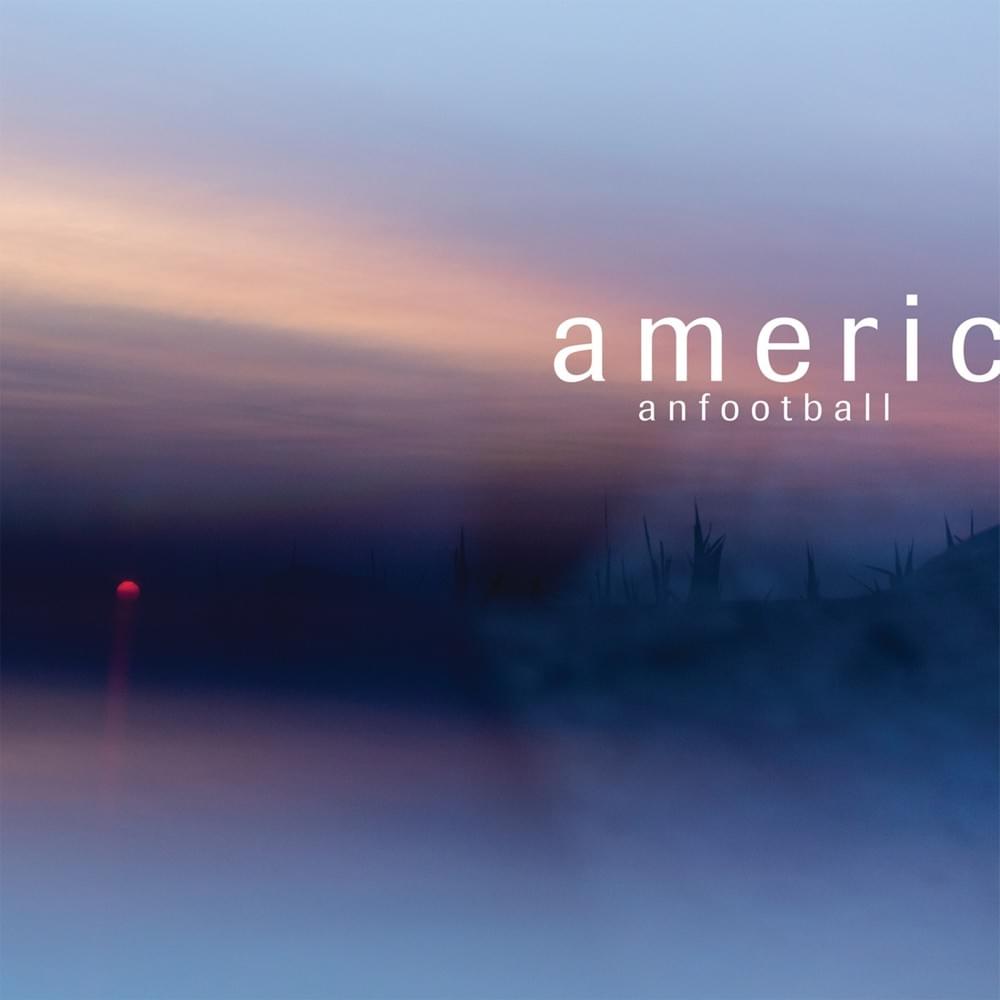
American Football releases their third self-titled album.
After having been dormant for 15 years, American Football made their eventual return with 2016’s American Football. Although the album was far from a failure, it didn’t do enough to set itself apart from their debut, making the decade and a half wait feel somewhat underwhelming. On the third American Football, the band has started to experiment more with their sound, drawing from the realm of dream pop and post-rock.
The glockenspiel introduction to the opening track, Silhouettes, is hypnotic in the way that the opening of King Crimson’s Larks’ Tongues in Aspic Part I was. Every Wave to Ever Rise features Elizabeth Powell, who adds an extra dimension to the melody with her French vocals. There is also an appearance from Paramore’s Hayley Williams on Uncomfortably Numb and Slowdive’s Rachel Goswell sings on the sublime I Can’t Feel You. Heir Apparent has dreamy guitar flourishes that feel like waves crashing upon the shore.
American Football (LP3) is an ethereal delight, being a far more interesting and adventurous album that LP2 ever was. The cult midwest emo band has something new to say two decades later, with this refreshing and revitalized sound.
8/10
Beck – Hyperspace
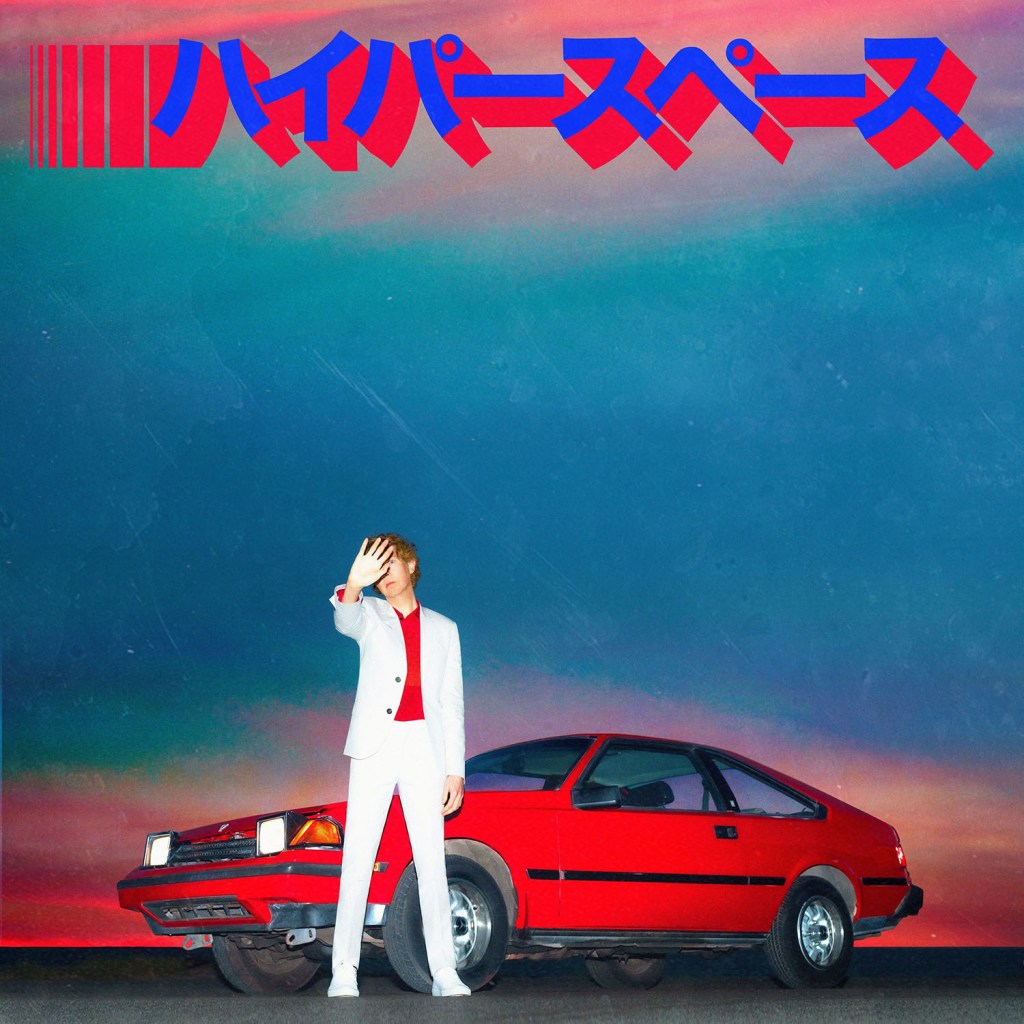
Beck makes a synthpop album.
After the embarrassingly bad Colors saw Beck ditch his idiosyncrasies for mundane mainstream pop music, it seems that Beck hasn’t learnt his lesson, as he’s only digging himself a deeper hole into generic and derivative music with Hyperspace, which attempts (but fails) to capture the zeitgeist.
A superfluous ambient intro leads into the uneventful opener, Uneventful Days. Saw Lightning revisits the slide guitars and pseudo-rapping of Beck’s earlier material, but with some cringe-inducing lyrics and obnoxious “modern” production. Is Die Waiting what we will be doing for another Beck album that isn’t crap? Only time will tell. See Through sounds more like something that Ariana Grande or Justin Bieber would sing than somebody like Beck. The title track features a verse from some unknown rapper, which ends up feeling like some desperate attempt for crossover appeal. Dark Places is where I go when I listen to post 2000s Beck. Everlasting Nothing is an apt title for the closer, as that’s what this album amounts to.
Hyperspace is slightly more interesting than the monotonous Colors was, but it’s still a steep fall from grace from the once great singer-songwriter. I enjoy lots of synthpop, but when compared to an album like Tame Impala’s Currents (which is basically the template for how to modernize retro 1980s sounds into something fresh and exciting), Hyperspace just feels dated and stale, even though it came out four years later. Pharrell Williams’ production also feels run-of-the-mill, especially when compared to what he was capable of with Clipse in the 2000s.
Just like Colors, Hyperspace is a lame experience that just screams “How do you do, fellow kids?”, with Beck going too far out of his comfort zone for his own good. Fortunately, like its predecessor, it doesn’t exceed 40 minutes, so at least there’s some mercy in the length, and the album artwork is an improvement over its predecessor. Hyperspace caps off Beck’s worst decade yet, but at least we can enter the 2020s and begin to forget that his last three albums ever existed.
4/10
black midi – Schlagenheim
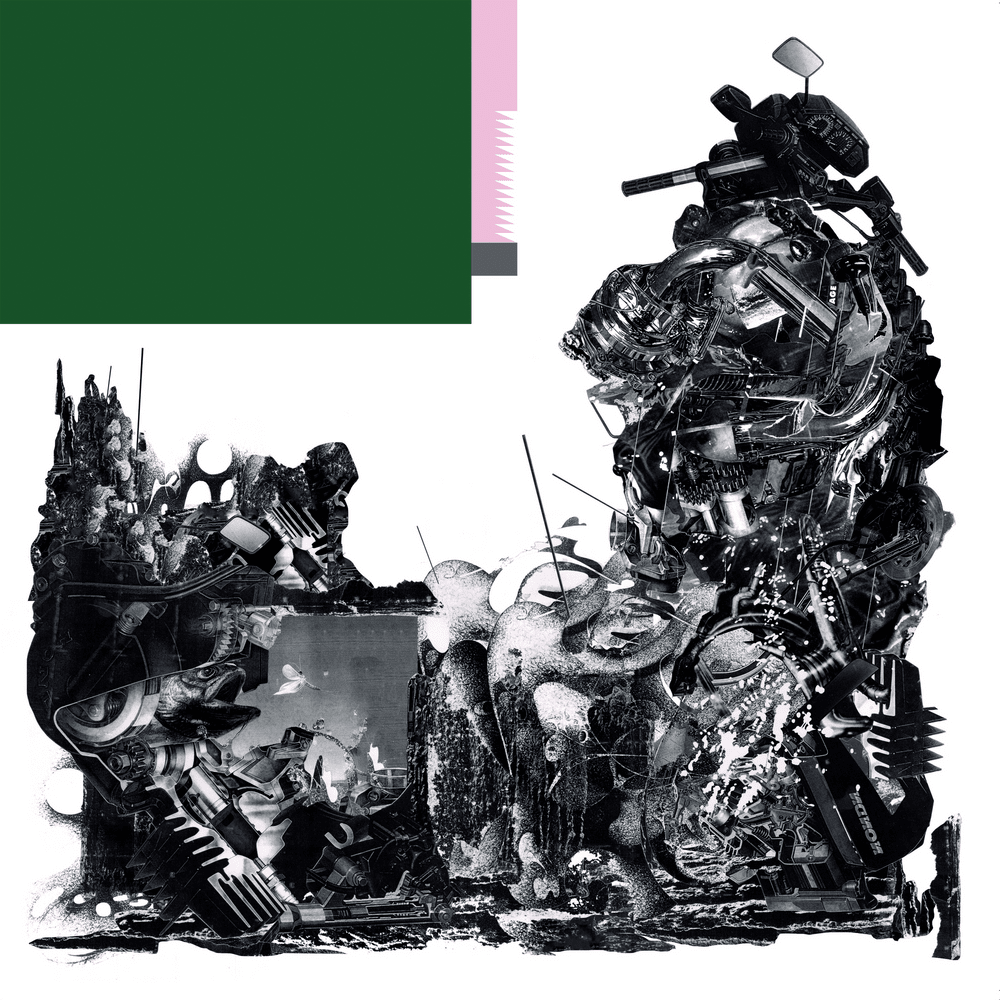
Prog isn’t dead, it just smells funny.
In the vein of legendary weirdo Frank Zappa, black midi is an equally bizarre group with songs full of twisting time signatures, chaotic noises and strange vocal deliveries.
The riffs in 953 hit you head-on, then give way to some Greensleeves-like English folk, before returning to a hellish futurescape. Speedway sounds like its constantly teetering on the edge, nearly about to fall apart, but never quite allowing itself to. Near DT, MI seems to address the controversy of Flint, Michigan’s lead-contaminated water supply, which made headlines back in 2016. Reggae and Western both live up to their namesakes, but still feel coherent within the confines of the album’s sound. Of Schlagenheim and bmbmbm find primary vocalist Geordie Greep sounding like an absolute madman.
Schlagenheim is a must-listen for anyone hungry for some modern prog weirdness.
9/10
Charli xcx – Charli

Charli reinvents herself as an experimental popstar, on her feature-heavy self-titled album.
Despite releasing an EP and two mixtapes in the interim, it had been 5 years since Charli xcx’s last proper LP, which was 2014’s Sucker. Here, Charli reinvents herself with an album that’s more experimental than anything she’s done yet, along with plenty of big features, including Christine and the Queens, Sky Ferreira, Lizzo and Haim.
Next Level Charli is a great opener and one of her best songs. The nostalgic 1999 was the lead single and love letter to the end of an era. Cross You Out (featuring Sky Ferreira) and Gone (featuring Christine and the Queens) are other highlights. Shake It is quite awful and should never have been released in the first place. Blame It On Your Love (a remake of the Pop 2 song, Track 10), is basically ruined by Lizzo, whose annoying performance outweighs any of the song’s merits.
Even though I like it less than the laser-focused four song EP Vroom Vroom, Charli is still a strong album and a great way for Charli xcx to end her first decade with.
8/10
Danny Brown – uknowhatimsayin¿
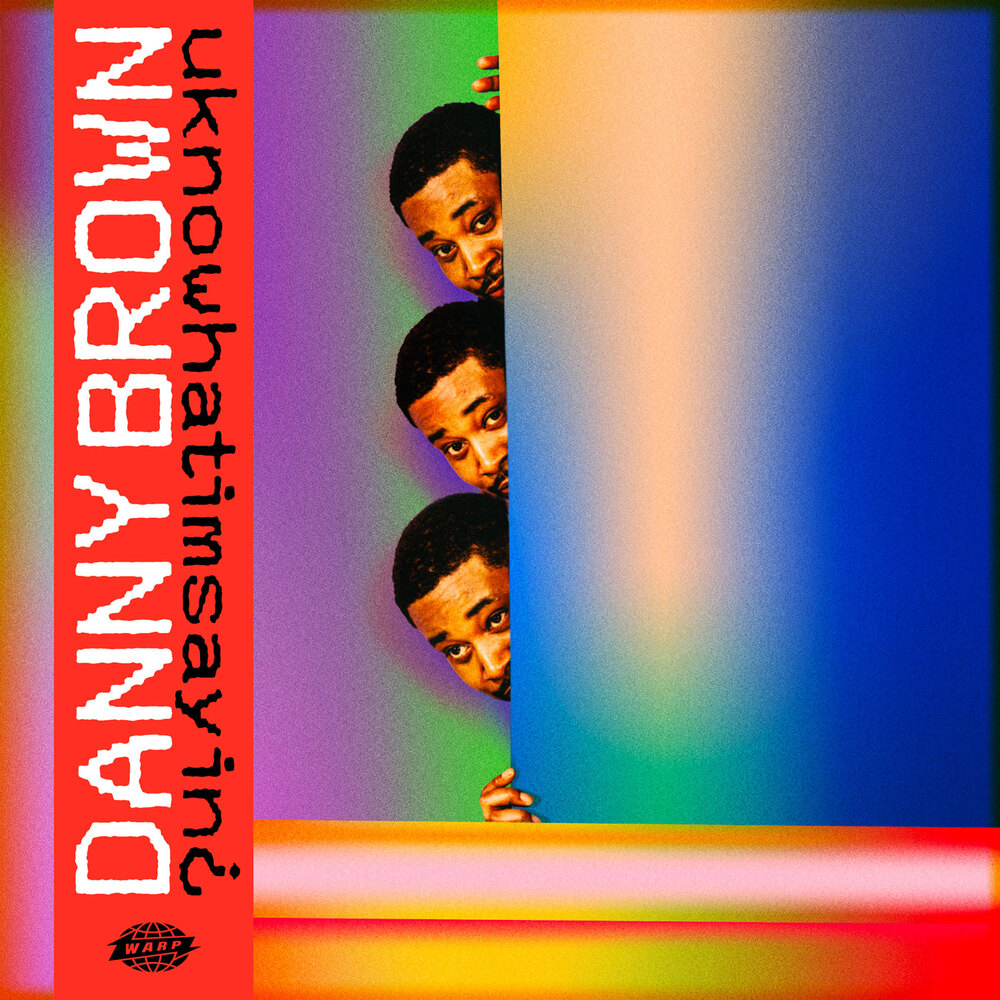
Danny Brown follows up Atrocity Exhibition with a short, but enjoyable album.
Arriving three years after Danny Brown’s dark, psychedelia-soaked magnum opus, Atrocity Exhibition, expectations were high for his next album. But, instead of trying to emulate that album’s dark, psychedelic sonic palette, uknowhatimsayin¿ goes its own way, providing a brief and more conventional hip-hop experience, albeit a very enjoyable one.
The beat to opener Change Up is carried by its dark and menacing bassline. Theme Song makes use of a sample from Dutch actress and singer Josine Van Dalsum, providing an exotic backdrop for Danny Brown’s rapping. The Yoko Ono-sampling 3 Tearz features the always brilliant Run the Jewels. Dirty Laundry has the typical dirty Danny Brown humour that he’s known for. The funky Negro Spiritual features up-and-coming rapper/producer JPEGMAFIA.
uknowhatimsayin¿ isn’t quite as revolutionary as ita predecessor, but it’s still a great album with interesting production, sampling and some great features.
8/10
The Flaming Lips – King’s Mouth: Music and Songs
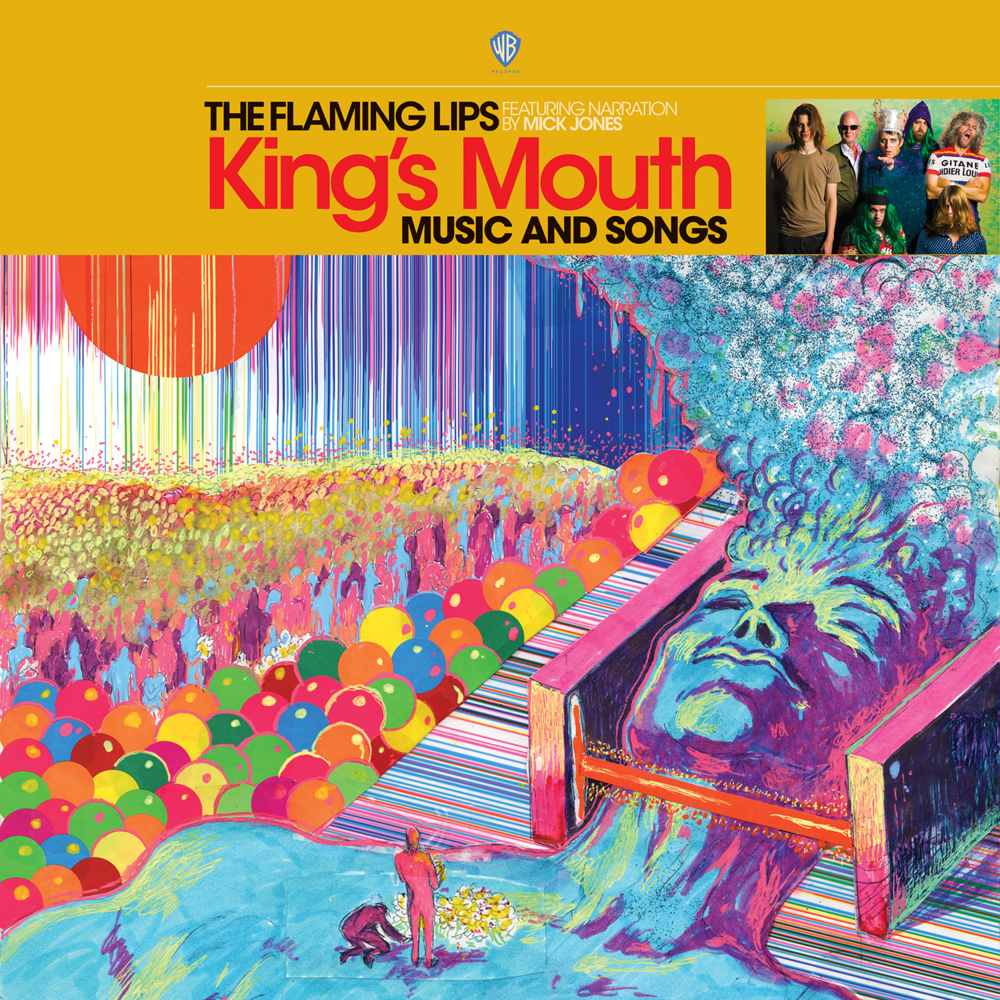
The Flaming Lips make an album with narration from The Clash’s Mick Jones.
On their 15th album, The Flaming Lips return to the storytelling and whimsy of Yoshimi Battles the Pink Robots, this time with narration from Mick Jones of the Clash.
In typical Flaming Lips fashion, the story here is ludicrous. It involves a royal baby, whose birth kills his mother due to the size of his brain. The giant baby ends up saving a city from disaster with said brain and then has his head chopped off and lived inside of by his followers — only Wayne Coyne could come up with something this bizarre.
Other than the novelty of the Mick Jones narration, the album feels a bit regressive and light, arriving after darker (and superior) albums like Embryonic and The Terror. I will give praise to King’s Mouth for its ambition, but otherwise, it doesn’t hold up to the band’s best works.
7/10
Iggy Pop – Free
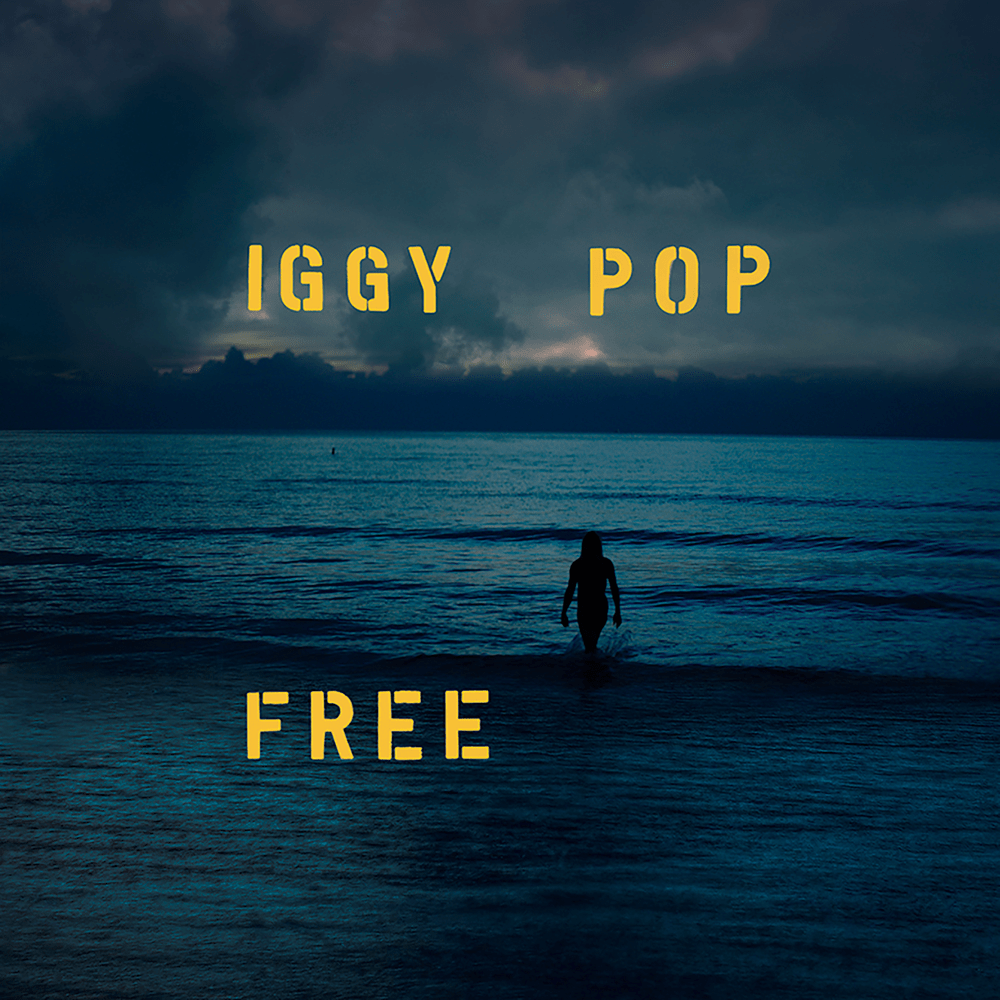
Iggy Pop wants to be free.
After two poorly-received, legacy-tarnishing Stooges reunion albums, Iggy Pop had a comeback with his 2016 album Post Pop Depression, thanks to the influence of Queens of the Stone Age’s Josh Homme (along with his fellow bandmate, Dean Fertita and Matt Helders of Arctic Monkeys). With Free, Iggy Pop is on the comedown of that album’s tour, freeing himself from the stress and commitment that comes with being on the road, as well as freeing himself from rock music and focusing on jazzier instrumentation.
Free is an ambient intro that matches the visual of the album’s cover. Love’s Missing is somewhat reminiscent of the sound of his late friend David Bowie’s Blackstar, and is the only memorable song here. The lyrics to James Bond are quite clunky (“She wants to be your James Bond”, “Nuts melt in her mouth, but not in her hand, no need to figure it out, she just likes M&Ms”), and is a bit confusing (is it about feminism? Gender role reversal?). Dirty Sanchez starts out with some Mexican trumpets, before giving way to some terrible call-and-response vocals and lyrics about online porn, desensitized sluts playing with their butts, and poetic lyrics like, “Just because I like big tits, doesn’t mean I like big dicks”. The last three tracks are spoken-word songs with about as much excitement as sitting in the DMV.
Free starts off strong enough with its first few tracks, but then devolves into some truly awful songs (James Bond and especially Dirty Sanchez) or boring songs (the rest). A disappointment after Post-Pop Depression.
5/10
JACKBOYS & Travis Scott – JACKBOYS
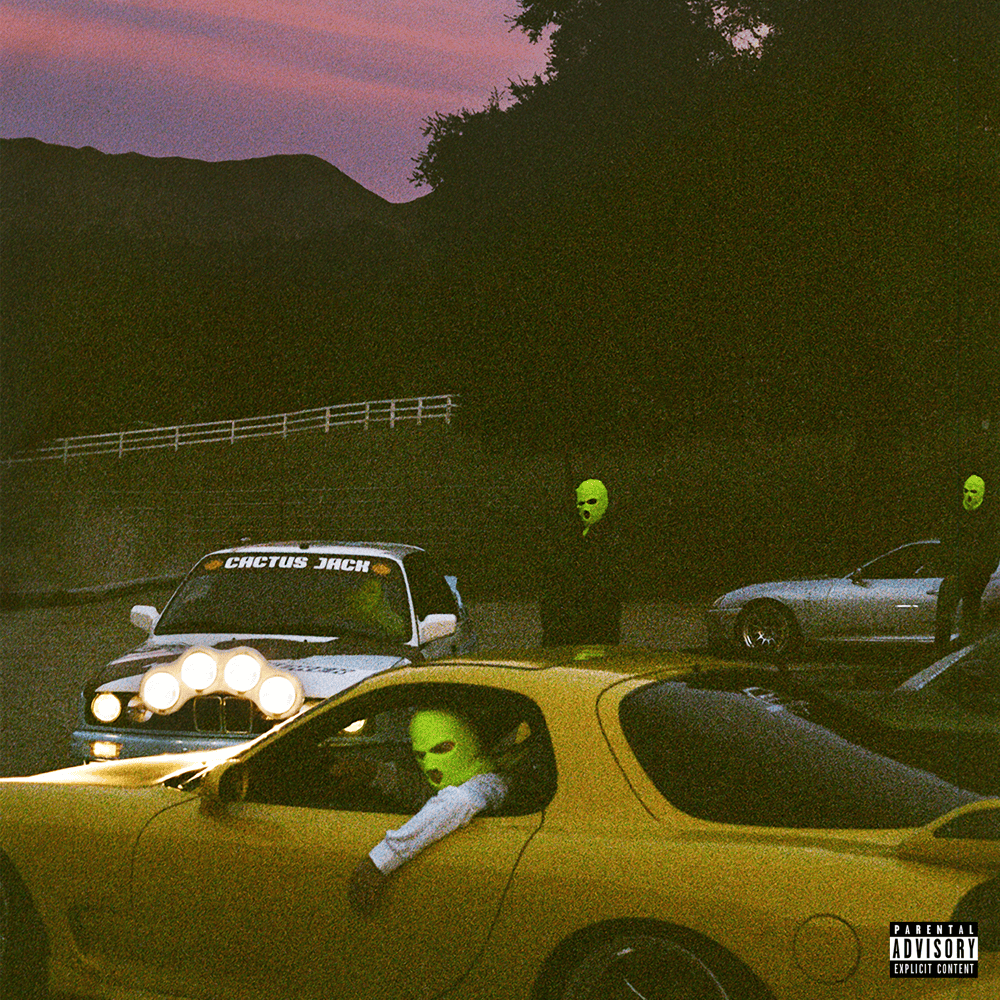
Travis Scott’s Cactus Jack label makes a collaboration album.
Much like how Kanye West curated and released a collection of collaborations with the GOOD Music roster on 2012’s Cruel Summer, Travis Scott seems to be following in his mentors footsteps, but unlike that album, which was rather excellent, JACKBOYS feels more like an empty prelude to something bigger that never comes.
JACKBOYS clocks in at a mere 21 minutes, with only 7 songs, one of which is an unnecessary remix of HIGHEST IN THE ROOM and the titular track is a < 1 minute interlude. Perhaps Scott was aiming for a brief album, like what Kanye West did the previous year with ye, KIDS SEE GHOSTS and Pusha T’s DAYTONA (all under 25 minutes in length), but those albums packed so much into their short runtimes — on JACKBOYS, you are waiting for something to happen and before you know it, it’s already over and you’re left unsatisfied.
There is nothing too terrible on JACKBOYS, but it’s just a bunch of stock trap music that likely wasn’t good enough for Travis Scott’s most recent solo album.
5/10
JPEGMAFIA – All My Heroes Are Cornballs
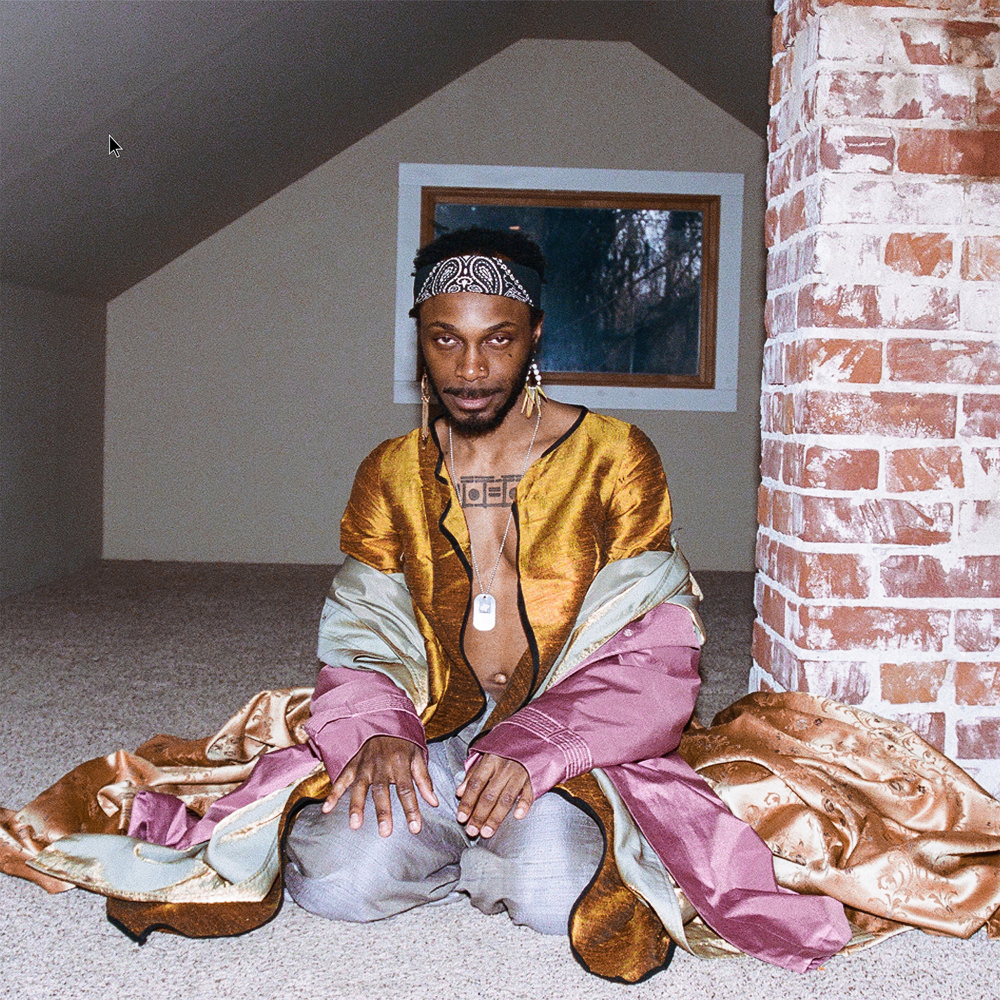
JPEGMAFIA adds a dose of 1990s pop and R&B-inspired melody on his third album.
After his breakthrough release, Veteran, which helped to cement him as one of the most ambitious rapper/producers in late 2010s hip-hop, JPEGMAFIA is back with another collection of pop culture-infused experimental rap songs, although there is a greater emphasis on melody this time.
Jesus Forgive Me, I Am a Thot starts the album with the typical production style that JPEGMAFIA has become synonymous with, though its chorus seems to unveil his love of 1990s R&B and pop (Britney Spears, Backstreet Boys). Kenan vs. Kel (the two guys from Nickelodeon’s cult classic film, Good Burger) sees a hybrid between his smooth production and industrial hip-hop sensibilities, proving that he’s willing to blend up whatever genres he pleases, not only within albums, but within individual songs. Beta Male Strategies has an ethereal-sounding instrumental with electric guitars adding some extra textures to it. Grimy Waifu sounds as if it were inspired by Peggy’s time in Japan.
Like his previous albums, All My Heroes Are Cornballs demonstrates a one-of-a-kind production style in an increasingly oversaturated genre that’s full of cheap imitations and rappers with nothing to say.
9/10
Kanye West – JESUS IS KING
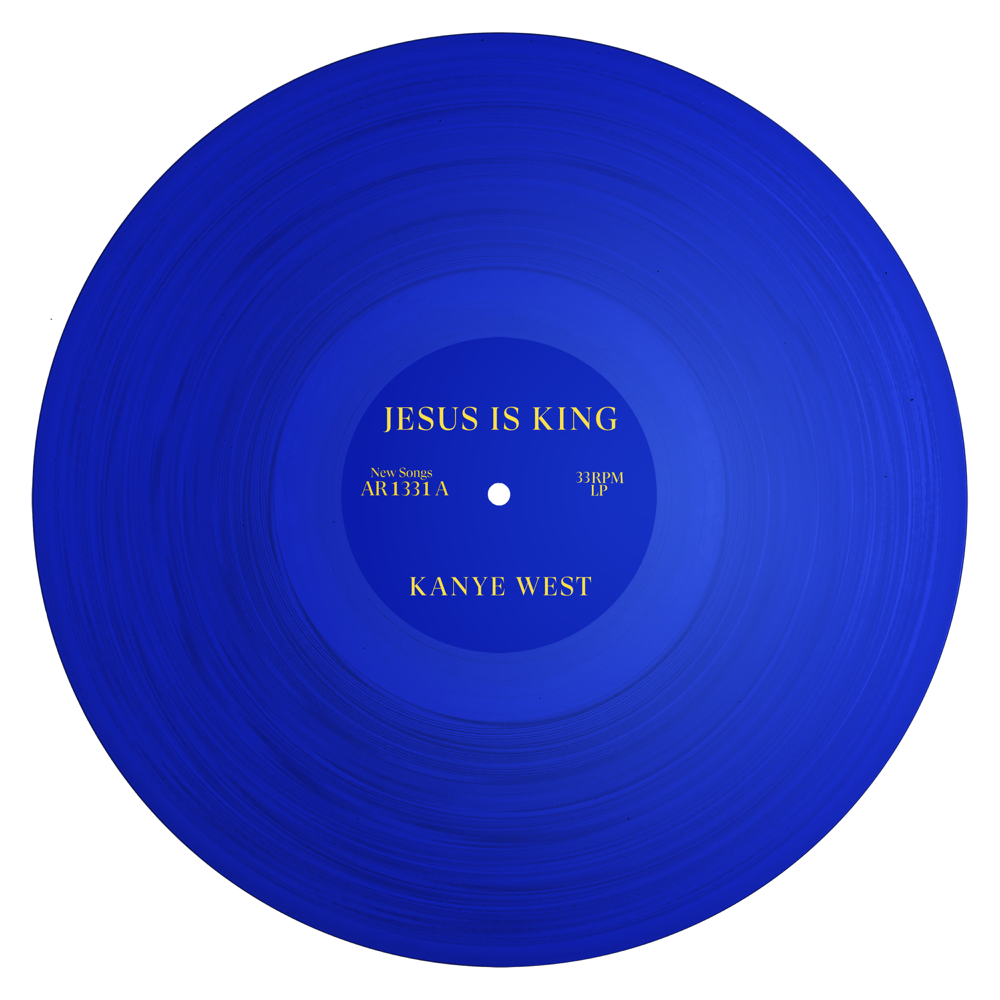
Kanye West goes nonsecular and makes a whole album dedicated to Christian themes.
On JESUS IS KING, Kanye West makes an album with no profanities (his second such album, following 808s & Heartbreak) on an album that’s all about God, Jesus… and Kanye. Now, this direction wasn’t really a surprise, considering one of Kanye’s earliest hits was Jesus Walks — Kanye has always been vocal about his faith, but would fans be open to such an immersion and change?
While JIK can be seen as cheesy (as a lot of religious things come off), it’s still admirable to see a rap artist of Kanye’s celebrity going all in on cleaning up his act and not backing down from doing what he wanted to do as an artist, even if it was bound to alienate a lot of his audience (which it has).
JIK started as a project called Yandhi (similar to Yeezus), which was supposed to arrive a year earlier and which most fans claim is superior (based on the leaks), but this is the album we ultimately got and that’s just how it is. Some tracks morphed and survived, while some have been indefinitely shelved. Like his previous two albums, ye and the Kid Cudi collab, KIDS SEE GHOSTS, JIK is also less than 30 minutes and like those albums, it still manages to pack a lot of sonic colour into such a brief runtime and makes for an album that’s easy to revisit.
Every Hour opens up the album with nothing but gospel vocals and piano — it’s quite bold of an artist with a big ego like Kanye to start his album with a song where he isn’t even present. Selah is intense and feels like you’ve walked into the middle of a sermon; it also addresses the circumstances surrounding the origins and evolution of the album (“Everybody wanted Yandhi, but Jesus Christ did the laundry”). Follow God has a uniquely clipped beat and soul sample that evokes old Kanye. Closed on Sunday might have some silly lyrics, but its finger-picked sample and choir are still breathtaking all the same. On God has synths going off all over the place like ricocheting bullets. Everything We Need features Ant Clemons and Ty Dolla $ign, the latter of whom has appeared on Kanye’s past three projects. Water is sublime and soulful, with one of Kanye’s funniest lines on the album (“What if Eve made apple juice?”). God Is provides a glorious song of faith and another track with old school Kanye vibes from its chipmunk vocals. Hands On is experimental, as its made up of nothing but vocals. Use This Gospel sees Clipse reunite for the first time in a decade in the most unlikely of contexts, as well as including a solo from saxophonist Kenny G.
To clarify, I’m not a man of God and I am not this album’s target audience, but as a fan of Kanye’s, I was willing to open my mind to something new and enjoy this album for what it is. I know this is nowhere near the level of his greatest works and it can feel short, rushed and unfinished at times, but JESUS IS KING is still a vibrant and colourful album and yet another interesting release in Kanye’s chameleonic career.
8.5/10
Trivia: JESUS IS KING won Best Contemporary Christian Music Album at the 63rd Annual Grammy Awards.
Kim Gordon – No Home Record
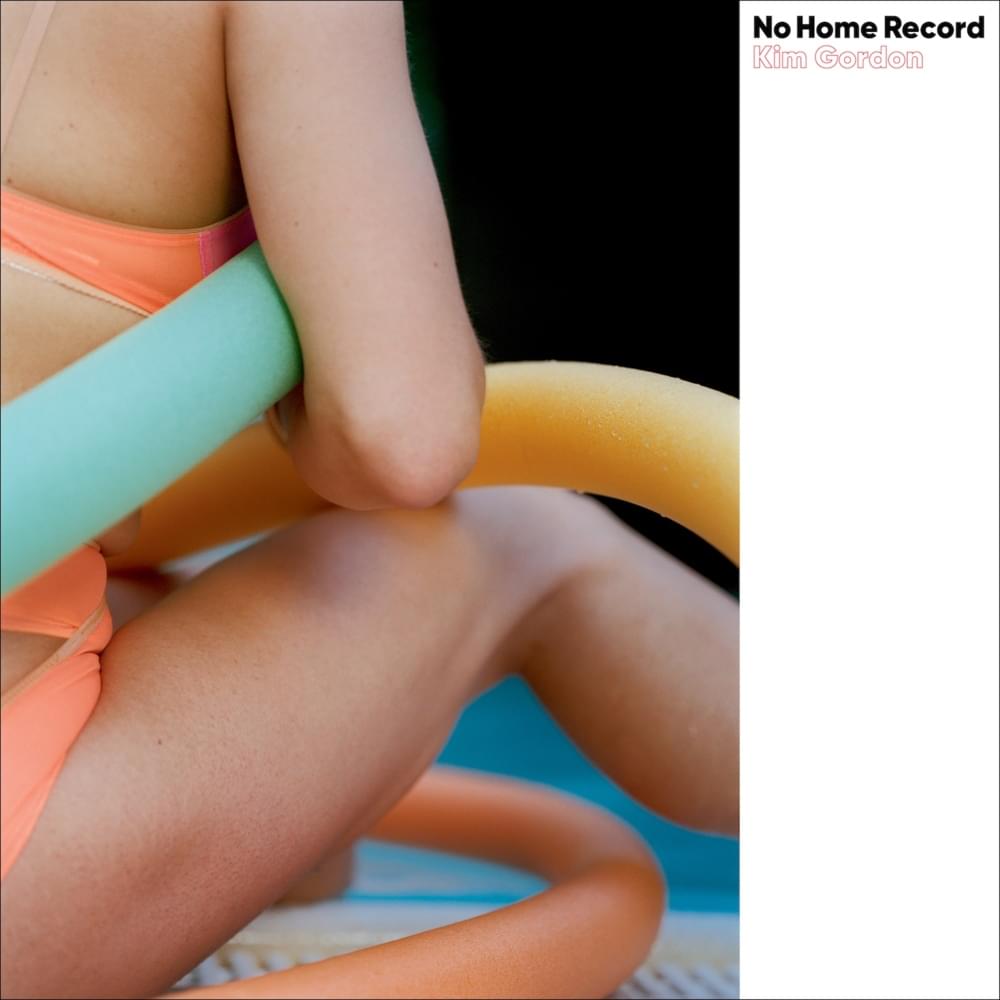
Kim Gordon goes solo.
After being married to her fellow Sonic Youth band member Thurston Moore and releasing several classic and influential albums with him over the course of three decades, it all came to an end in 2011 when the band and relationship dissolved. This closed the books on one of the greatest alternative rock bands of all time and one of the most iconic husband and wife musical collaborations since Paul and Linda McCartney. Releasing a decade after the final Sonic Youth album, Kim Gordon’s debut album finds the veteran rockstar keeping the dissonance and noise of her former band, while injecting some industrial, hip-hop and trap sensibilities into it.
Sketch Artist is a bold opener, with it distorted bass warbles and generally experimental nature. Air BnB is probably the most Sonic Youth-sounding song here, with guitar noise that also recall some of the great post-punk bands of yesterday, like Gang of Four and Wire. Paprika Pony sounds like straight-up trap music. Murdered Out is carried along on a groovy bass line. Don’t Play It sounds like a muffled nightclub. Cookie Butter is a bass-heavy industrial hip-hop song with a beat like a factory. Hungry Baby sounds like The Stooges style proto-punk.
The last couple of tracks drone on a bit and the album never fully commits to the industrial hip-hop sound, with one foot still rooted in the alternative door, but this adds a nice variety to the album and doesn’t necessarily break cohesion. No Home Record is a stellar debut album that finds the alt rock legend restless to push her artistic boundaries, undeterred by age.
8/10
King Gizzard & The Lizard Wizard – Fishing for Fishies
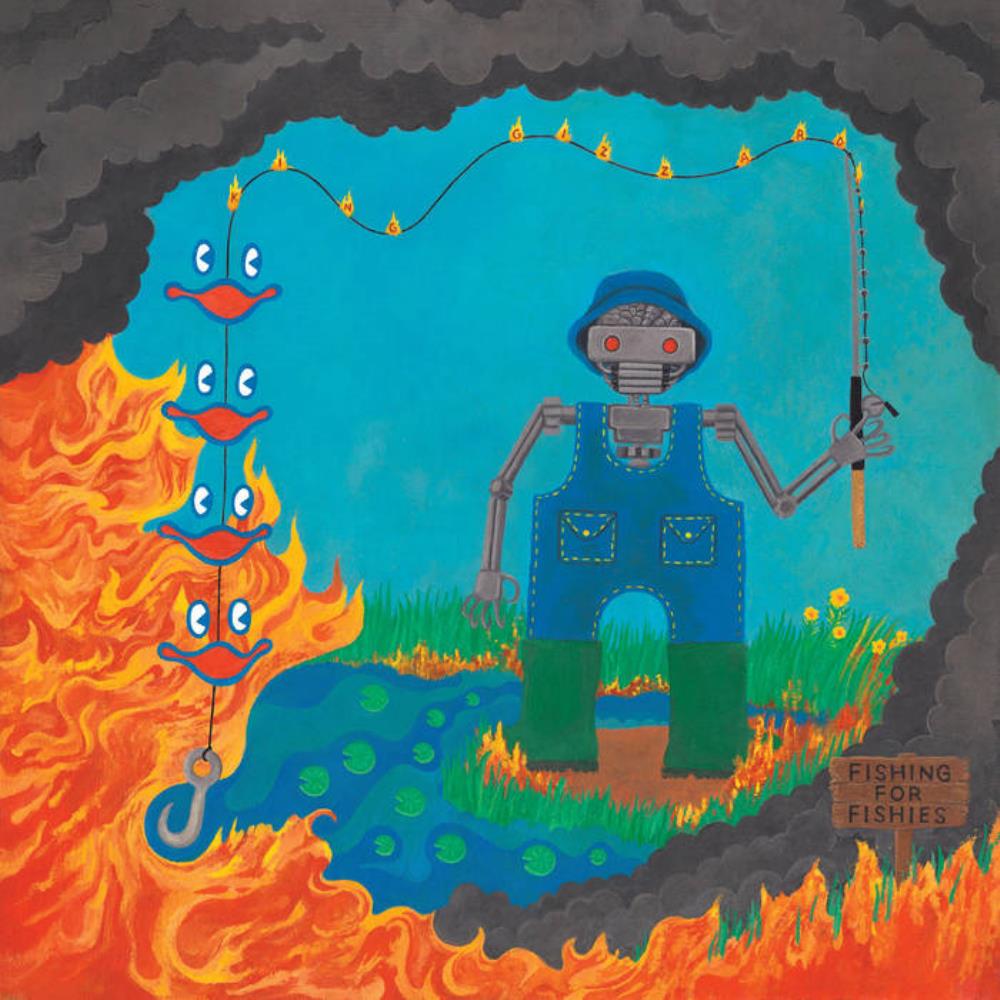
Album #14: Boogie Rock / Blues Rock
Following 2017, in which King Gizzard & The Lizard Wizard released a whopping five albums (all of which were excellent), the prolific Australian rock band is back at it again, with the environmental boogie rock of Fishing for Fishies.
The shuffling title track is a peaceful anti-fishing plea that PETA would be proud of. Boogieman Sam puts the boogie in boogie rock. On The Bird Song, Stu Mackenzie questions “To a bird, what’s a plane?”, alongside a nice piano groove. The ZZ Top boogie-woogie of Plastic Boogie has the band addressing the wayward plastic pollution that’s exponentially growing globally, with a group vocal of “Fuck all of that plastic”.
The Cruel Millennial is the album’s Kenny Ambrose-Smith song, with plenty of his trademark harmonica (though it appears through much of the LP). The bluesy Real’s Not Real is one of the harder rocking songs here. Joey Walker takes lead vocals on This Thing. As the penultimate track, Acarine begins to shift away from the more traditional sounds of the album with its synthesizers, making way for the robot rock of Cyboogie.
You’d think that their 14th album in 8 years would have the band burnt out or running out of ideas, but Fishing for Fishies is yet another inspired and authentic venture into new territory, with the band sounding as revitalized as ever after their brief (one year) hiatus from recording. Though it may not quite crack their top five records (something that’s becoming harder to do with each release), Fishing for Fishies is still fantastic fun.
8/10
King Gizzard & The Lizard Wizard – Infest the Rats’ Nest
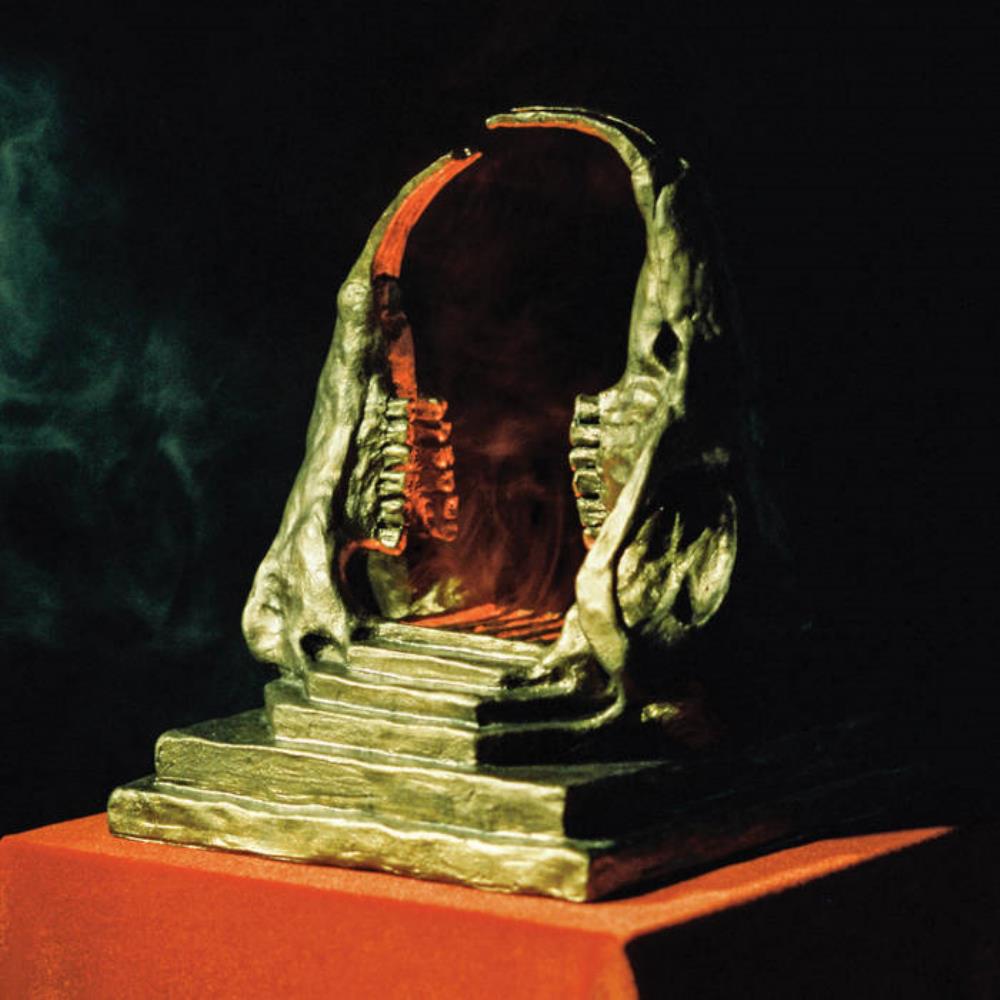
Album #15: Thrash Metal / Stoner Metal
After teasing a metal sound in 2017, with the fan favourite song The Great Chain of Being, King Gizzard & The Lizard Wizard have taken a full plunge into heavy metal, with one of their best and most rewarding experiments yet: Infest the Rats’ Nest.
At 15 albums and a knack for changing genres with every release, King Gizzard & The Lizard Wizard are no strangers to dipping their toes into new waters, but the thrash metal of Infest the Rats’ Nest is their boldest immersion yet, pushing themselves to new extremes, but without sacrificing their trademarks either (e.g. Ambrose Kenny-Smith’s harmonica, the “woos”).
As the follow-up to Fishing for Fishies, Infest the Rat’s Nest couldn’t be more different in terms of sonics, but both records share a strong pro-environment message, instantly noticeable on the opening track, Planet B, where an angry Stu Mackenzie is criticizing the corporate degradation of the planet in the name of profits. Mars for the Rich is a propulsive Motörhead style banger, which continues the criticisms of the elite from the previous track — denouncing those who are busy planning to colonize Mars, whilst the poor remain on a decaying and exploited Earth. Organ Farmer has a Slayer-like chaos to it, with lyrics about human butchers. The band channels Sleep on the slow blues of Superbug, where Mackenzie is warning of the dangers of antibiotic resistance (a very real danger that needs addressing).
Venusian 1 and Venusian 2 shift focus from Mars to Venus. During the bridge of Perihelion (the point where the Earth is closest to the sun), the band finds a perfect spot to insert some of Kenny Ambrose-Smith’s harmonica, an instrument you’re unlikely to find anywhere else in thrash metal. Self-Immolate is an absolute beast of a song, with countless riffs, drum fills and balls-to-the-wall madness. The album ends with Hell, whose chorus gives some context to the mysterious album cover (“remember where to enter, the door to hell is amber”) — the song also has an outro section which provides one final rush before the album wraps up.
Stu Mackenzie’s guttural vocals perfectly suit the music, and Michael Cavanagh’s drumming here is arguably some of his best yet. Stu Mackenzie, Cook Craig and Joey Walker’s guitar/bass playing is also some of their most intense yet, showing off just how versatile and talented these guys are on the fretboard, turning things up to 11.
Infest the Rat’s Nest isn’t just a great King Gizzard album, it’s a great thrash metal album, one that will sit comfortably in the company of other classic records of the genre from bands like Metallica, Megadeth, Slayer, and Anthrax.
10/10
Leonard Cohen – Thanks for the Dance
Leonard Cohen’s posthumous goodbye.
During the recording sessions for You Want It Darker, Leonard Cohen had recorded vocals for a handful of other tracks, but was unable to finish the project before his passing. With the help of his son Adam in completing the album, the posthumously-released Thanks for the Dance feels like a continuation of the Canadian poet’s final album and provides one last hurrah from one of the greatest songwriters of our time.
Happens to the Heart is comprised of sublime acoustic guitars and eerie piano notes. Moving On is musically-similar to You Want It Darker’s Travelling Light due to its emotionally-stirring mandolins. The Night of Santiago recounts a romantic encounter, with imagery where the narrator’s lover’s nipples “rose like bread”. The title track is a serene waltz. The deep bass plucks of It’s Torn bring to mind the iconic bass tone of the famous 1960s session band, The Wrecking Crew. The Hills has a haunting beauty to it, along with ghostly backing vocals. Listen to the Hummingbird caps off the album, with imagery of the titular bird, which has become synonymous with Leonard Cohen.
Thanks for the Dance is sparse and is a brief album at just 29 minutes, but it’s still almost as stunning in execution as its predecessor. Even though it lacked Leonard Cohen’s input on the music, Adam Cohen’s faithful completion of his father’s work makes for a fitting epilogue to the legacy of Leonard Cohen.
8/10
Mac DeMarco – Here Comes the Cowboy

Mac DeMarco strips his sound down to its basics.
After ditching much of his early jangle pop sound for something more acoustic on 2017’s This Old Dog, Here Comes the Cowboy sees Mac DeMarco continue to strip back his sound even more.
The title track and Choo Choo might come off as overly silly to many, but this is Mac DeMarco after all, the Canadian slacker/goofball who has always had a good sense of humour. For reference, check out Backer, a video he released before he became famous, where he portrays a backer (somebody who helps people back out of their parking space) at the West Edmonton Mall. Even though this album has some gag tracks, you still get some of the more emotional songs like K, Nobody and Preoccupied, all of which are beautiful acoustic songs. Heart to Heart and On the Square both evoke a similar synth style that Mac had explored on previous songs, like Chamber of Reflection, For the First Time and On the Level.
If you take Here Comes the Cowboy for what it is and not what you want it to be, then you’ll find a good Mac DeMarco album here and while it’s rather slow and slightly uneventful, it’s still an enjoyable part of his artistic evolution if you listen to what it is and not what it’s not.
8/10
Nick Cave & The Bad Seeds – Ghosteen
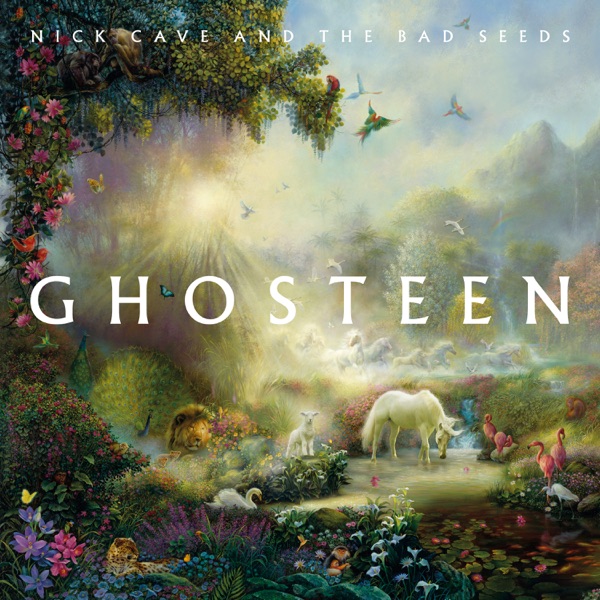
Nick Cave grapples with the loss of a child, on this tender and emotional double LP.
Simultaneously the most tragic and beautiful Nick Cave & The Bad Seeds album, more-so than even Skeleton Tree, Ghosteen was written a few years after the death of Cave’s son Arthur, resulting in an album that is cathartic and therapeutic; an album that feels like Cave is processing his grief through these songs.
Like the two albums that preceded it, Ghosteen is very much an atmospheric album and has plenty of ambience, ghost-like synths and heavenly backing vocals, such as on the divine Bright Horses. The first disc is comprised of shorter tracks, whereas disc two features two 10+ minute songs with one short song as a buffer in between. The title track and Hollywood are both masterful epics and the entire album is absolutely exquisite in its sound and emotion.
While Ghosteen is a devastating and sorrowful album, it feels like the silver lining to a sky of dark clouds.
9/10
Thom Yorke – ANIMA
Thom Yorke bounces back after a slightly weak sophomore album.
Tomorrow’s Modern Boxes was proof that not everything Thom Yorke touches turns to gold, as that album was one of his few albums that wasn’t a critical success. It was not a bad album by any stretch of the imagination, but it just didn’t cover any new ground for the restlessly inventive artist. Thankfully, Thom Yorke has been on a hot streak since, with Radiohead’s A Moon Shaped Pool, his soundtrack for Suspiria and now ANIMA.
Dawn Chorus is devastating in its serenity. I Am a Very Rude Person feels like a holdover from Atoms for Peace, with it’s awesome basslines. Twist makes use of a cool vocal sample, which calls back to Yorke’s early days of voice modulation on Radiohead’s game-changing KID A.
ANIMA is another great solo Thom Yorke ablum, one that easily gives The Eraser a run for its money.
8/10
TOOL – Fear Inoculum
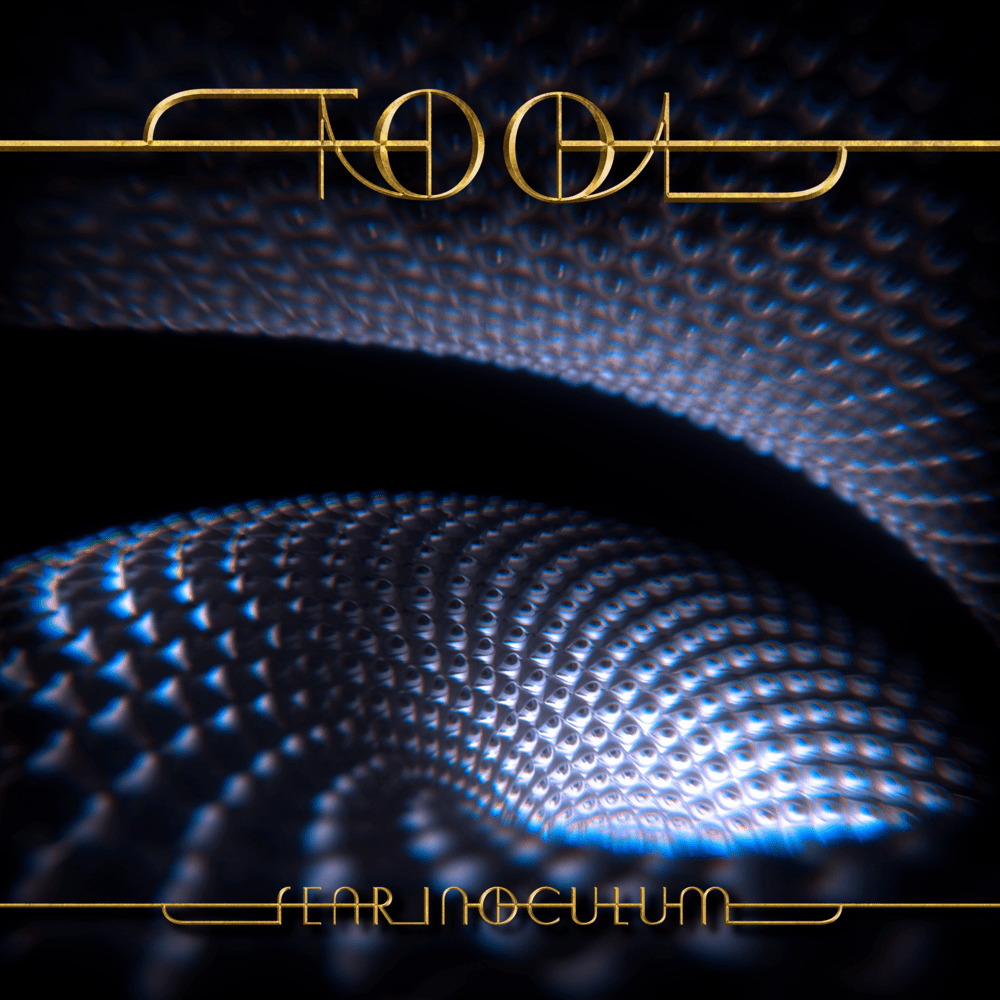
TOOL returns after 13 years.
After several years of TOOL teasing that they were working on the follow-up to 10,000 Days with no developments, many fans had basically given up all hope that the band would ever release their elusive fifth LP, but 13 years later, it finally arrived. Expectations were sky high, so was it worth the wait when they finally dropped their fifth album?
My first impression of Fear Inoculum was that the album feels like TOOL emulating TOOL — it ticks all the boxes of what a TOOL album should sound like, and other than the concept of every song being 10+ minutes long, it doesn’t really do enough to stand out on its own from Lateralus or 10,000 Days, the latter of which was already somewhat derivative of the former. With saying this, there is still some absolutely phenomenal musicianship and songwriting on display here all the same.
The title track was a fairly strong lead single and felt like a fever dream when it finally released. 7empest is a hell of an final track, with some of Adam Jones’ best guitar parts on the album. Pneuma features some impressive percussion from Danny Carey, even by his standards. Elsewhere, it sounds like there’s a few recycled riffs and Maynard sounds like he’s phoning it in somewhat. Then there’s the three interlude songs (which weren’t available on the CD), which are completely pointless and do nothing for the album; even the interludes on an album like Ænima had more meaning and context. Chocolate Chip Trip is also a jarring choice on the album and seems like a filler song to bring the total number of songs up to 7.
It feels like TOOL has done everything they can do with their formula and maybe that’s why this album took so long to come out. Fear Inoculum is still a complex and expertly crafted album, but it suffers from a case of “been there, done that” and felt like the band didn’t really have anything to say, caving into the fan demand for a new record. Still, it feels unfair to give this less than four stars, despite the disappointment of expectations, as it’s still incredible in many ways.
8/10
Vampire Weekend – Father of the Bride

Ezra Koenig releases a solo album disguised as a Vampire Weekend album.
A solo Ezra Koenig album in all but name (none of the other band members appear, other than Rostam Batmanglij on one track), Father of the Bride is a sprawling, diverse, adventurous and eclectic collection of songs and sketches. Some people found the kitchen sink approach tiring or unfocused, but others like myself found it charming and unpredictable.
Harmony Hall is gorgeous with its acoustic guitar hammer-ons and pull-offs, which then leads to an uplifting chorus. Unbearably White and Sympathy both feature some of Vampire Weekend’s tastiest guitar work yet. Sunflower almost feels like something out of a Frank Zappa album. Married in a Gold Rush incorporates elements of country music, previously unheard of on the band’s other albums.
The only complaint towards Father of the Bride is the albums loses a bit of steam towards the end with the last few tracks, but nothing is outright bad. All things considered, it’s a very consistent album for being 18 songs long and it’s very diverse in style, making for one of Vampire Weekend’s most eclectic releases, even if it’s just the Ezra Koenig show.
8.5/10
Trivia: Father of the Bride won Best Alternative Music Album at the 62nd Annual Grammy Awards
Weezer – Weezer (Teal Album)
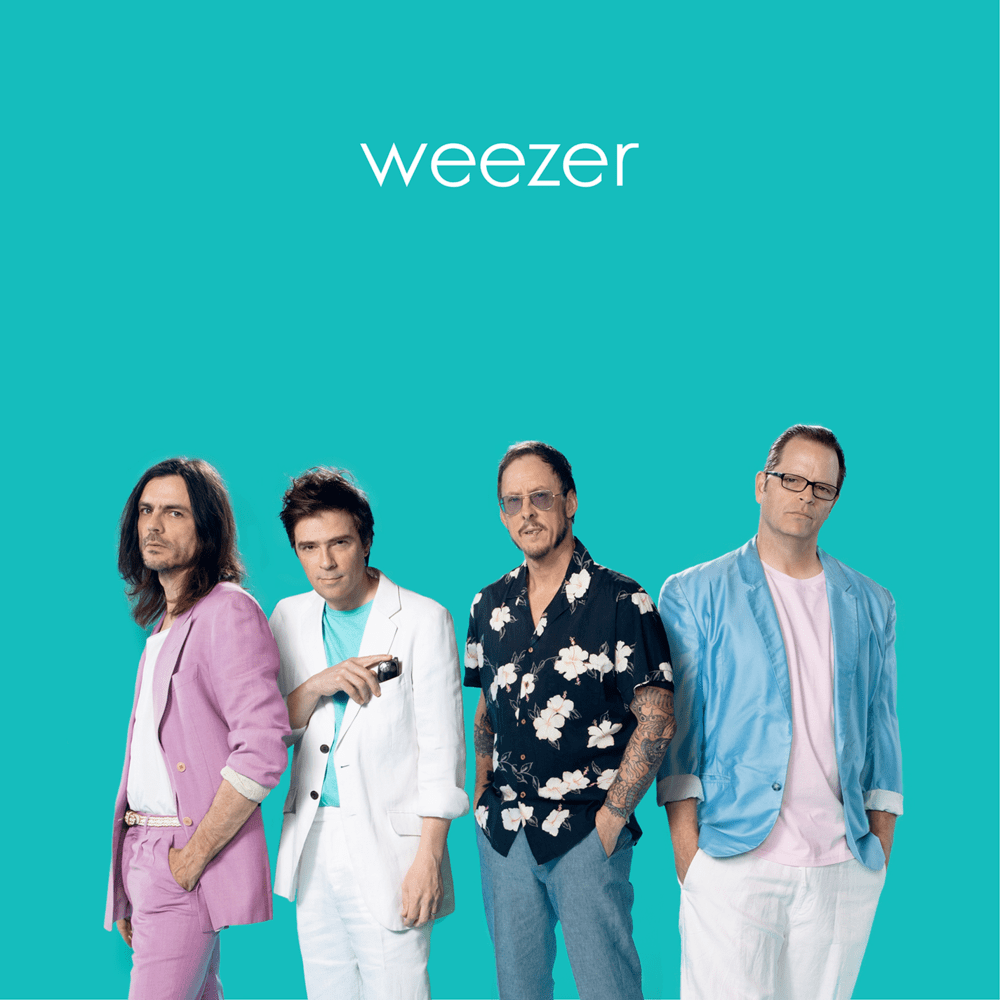
Weezer turns a meme into a whole uninspired cover album.
Following an internet campaign to get Weezer to cover Toto’s Africa, and after responding with a joke cover of another Toto song (Rosanna), Weezer (unsurprisingly) acquiesced to fan demand. This led to the idea to record an entire covers album, where Rivers Cuomo used Spotify data to determine what songs would be the most popular to cover — that tells you all you need to know about this album.
There are no surprises in the tracklist. Every song is well-known and none of the covers diverge from the original, other than being of an inferior quality. For all that Weezer (Teal Album) does wrong though, it’s admittedly quite funny to hear Cuomos singing songs like No Scrubs and Beat It.
Weezer (Teal Album) is basically just 36 minutes of Weezer doing karaoke. There is no reason for this to exist, other than for Rivers Cuomo to lean into being a meme and trying to appear hip.
4/10
Weezer – Weezer (Black Album)
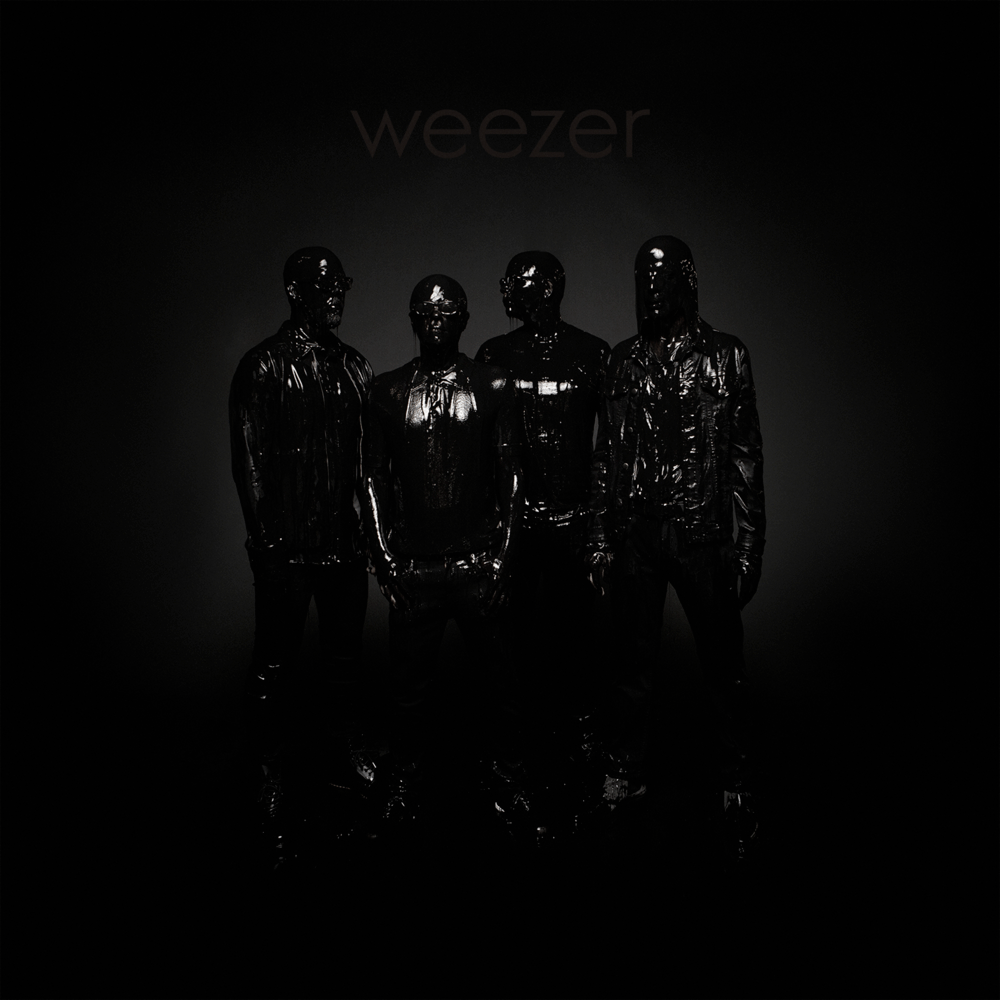
Weezer makes their worst self-titled album yet.
Following the surprise release of Weezer (Teal Album), Weezer was determined to make an even worse self-titled album than that, with Weezer (Black Album). One might assume that the Black Album would be dark and heavy, maybe something along the lines of Pinkerton or Maladroit, but no, this is just Weezer making more uninspired, run-of-the-mill modern pop slop.
Those “hasta luegos” in the trying-so-hard-to-be-funky Can’t Knock the Hustle are frankly quite embarrassing. Zombie Bastards sounds like something a pubescent boy would think of while playing Call of Duty, high on Mountain Dew. High as a Kite would be somewhat tolerable, if it wasn’t so over-produced. Living in L.A. sounds like more of the pop trash of Pacific Daydream. Piece of Cake has these annoying “Doo doo doo doo doo doo doos” from Rivers Cuomo, and should have been titled Piece of Crap instead. The stretch of songs from I’m Just Being Honest to Byzantine isn’t exactly good, it’s just significantly less cringey than the first half of the album. California Snow has Rivers Cuomo rapping and is as laughably bad as you’d expect — he’s about as cool of a rapper as Will Smith is.
Like Raditude before it, Weezer (Black Album) is also the worst album of its respective decade. Also, are the band covered in paint or wearing gimp outfits on the cover?
3/10
The Who – WHO
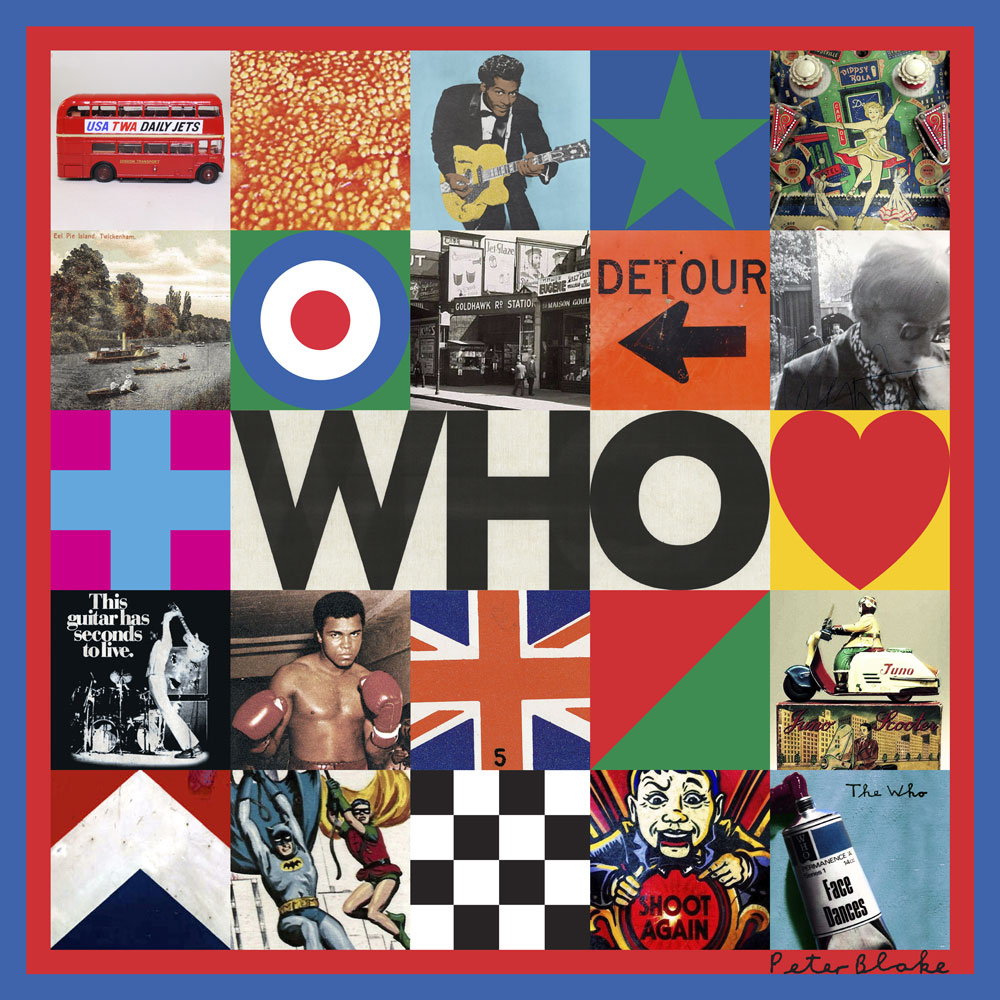
The Who revisits the sounds of their past.
Arriving 13 years after their last album, WHO finds the veteran rock band foregoing modern music trends by revelling in the past instead, as evident by the nostalgic cover artwork. Compared to their last album, Endless Wire, WHO ditches the rock opera experimentation and acoustic guitars for a more traditional-sounding and conventional Who LP, which revisits their hard rock sound from the 1970s.
The album starts out fairly strong with songs like All This Music Must Fade, Ball and Chain, and I Don’t Wanna Get Wise, before slightly derailing with Beads on One String (which recalls the dated synthesizers of an album like Who Are You), and Hero Ground Zero (whose strings sound tacky and unnecessary). The album closes with She Rocked My World, which is a jazzy ballad with piano, and one of the more interesting tracks here.
WHO isn’t some late career classic or anything that will rival the band’s work from their first decade, and it suffers from being front-loaded, but it’s a more enjoyable experience than the fairly flaccid Endless Wire was. For all its flaws, WHO is a enjoyable project from a band 55 years into their career and is a testament to their staying power.
6.5/10
FIN
Brett Nippard