Table Of Contents:
- Animal Collective – Here Comes The Indian
- Blur – Think Tank
- David Bowie – Reality
- Deftones – Deftones
- Iron Maiden – Dance Of Death
- King Crimson – The Power To Believe
- The Mars Volta – De-Loused In The Comatorium
- Metallica – St. Anger
- Muse – Absolution
- Nick Cave & The Bad Seeds – Nocturama
- Pearl Jam – Lost Dogs
- Radiohead – Hail To The Thief
- Red Hot Chili Peppers – Greatest Hits
- Sleep – Dopesmoker
- Stone Temple Pilots – Thank You
- The Strokes – Room On Fire
- Ween – Quebec
- The White Stripes – Elephant
Animal Collective – Here Comes The Indian
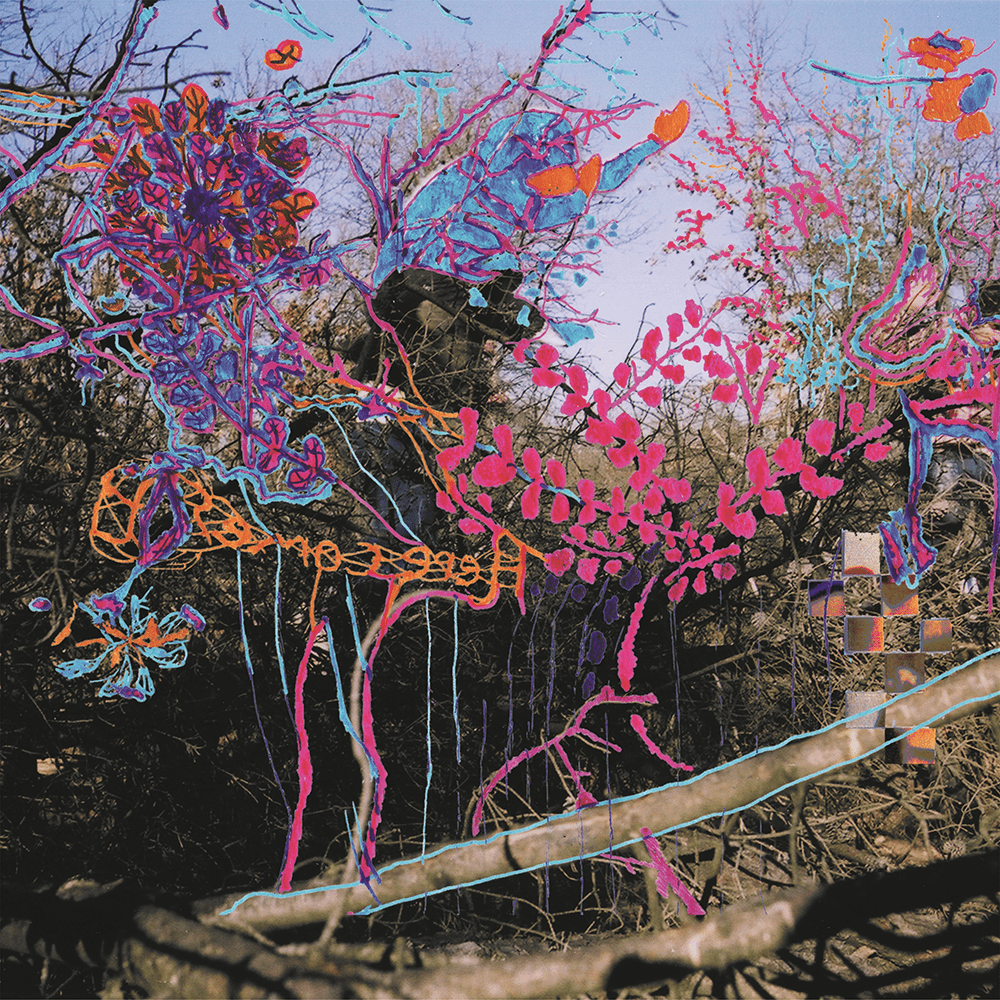
Animal Collective makes a bunch of experimental noise.
I’m not opposed to noise in theory — I’ve been a metal head all my life and enjoy bands like Sonic Youth and my bloody valentine, but with Animal Collective’s debut album, Here Comes The Indian, it just sounds like a bunch of formless, improvised, stoned-out noise.
There aren’t really any proper songs here. There are no hooks, there are no riffs — there is nothing to hold onto. I’m sure there’s a crowd out there that would enjoy such an album, but to me, this brought no pleasure. I mostly enjoyed Spirit They’re Gone, Spirit They’ve Vanished (AnCo members Avey Tare & Panda Bear’s debut), but this feels like a regression.
40 / 100
Blur – Think Tank
Blur returns for one more album before taking an extended hiatus.
Following the release of Damon Albarn’s new hip-hop-influenced project, Gorillaz, Think Thank finds Albarn continuing to expand his musical interests and palette on one of Blur’s most distinctive records yet.
With guitarist Graham Coxon being in rehab during much of the recording and contributing little to the album, it’s the only album where he isn’t listed as a member (he only appears on Battery In Your Leg).
Opener Ambulance makes use of what sound like tribal drums. Lead single Out Of Time is a fantastic acoustic piece and one Blur’s best tracks. Crazy Beat sounds more like 90s Blur, with its more alt rock sound. The punky We’ve Got A File On You is barely a minute long. Moroccan Peoples Revolutionary Bowls Club sounds about as exotic as you’d expect — reminiscent of the dub of The Clash’s 1980 album Sandinista!.
The band split up shortly after this album, with Albarn shifting focus to Gorillaz, but had it been their final record, it would have been a pretty good one at that.
75 / 100
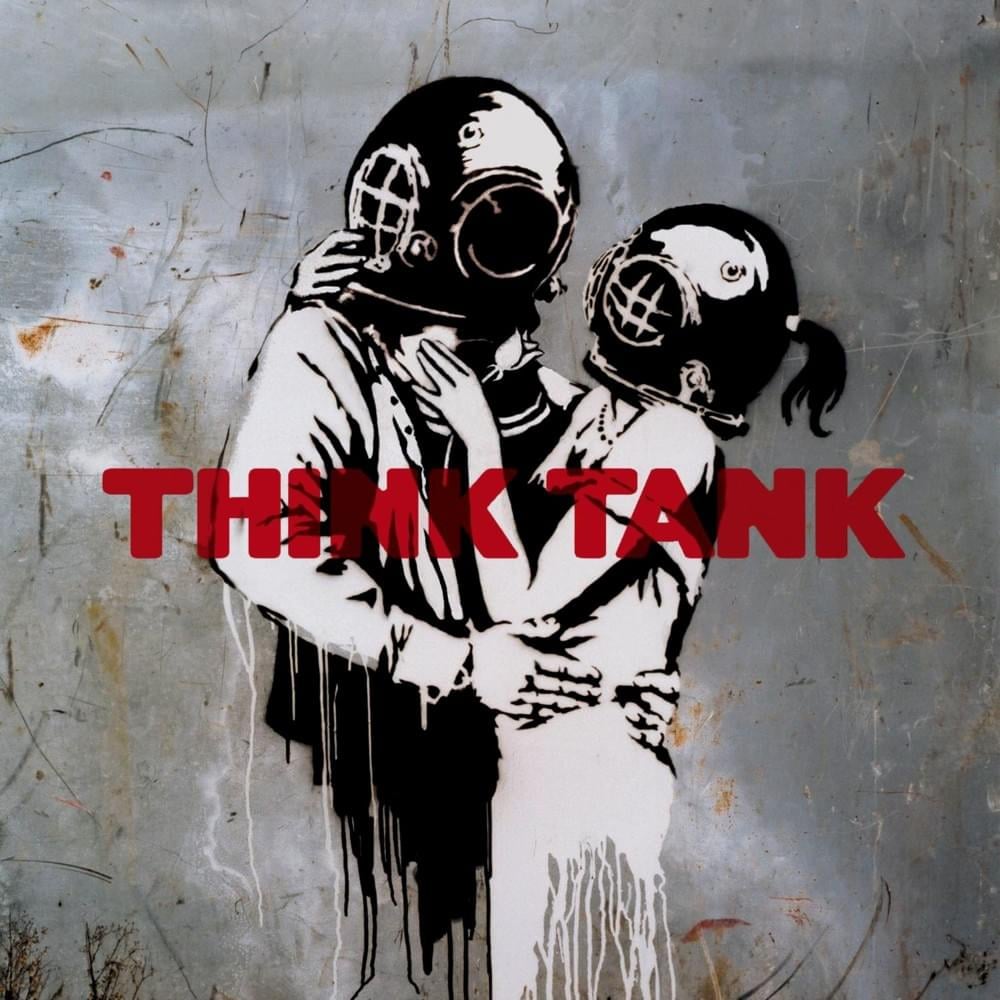
Trivia: the album artwork is by famous street artist Banksy.
David Bowie – Reality
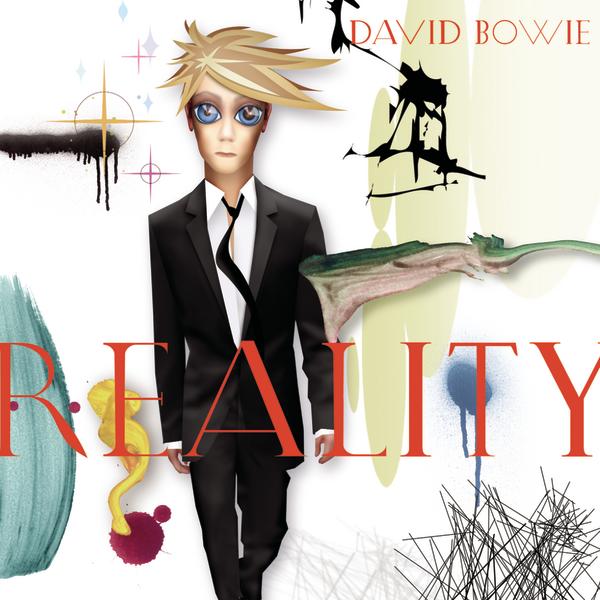
David Bowie makes a fairly straightforward rock album.
After the surprisingly good Heathen, David Bowie was already back in the studio with a new batch of tracks only one year later.
The lead single and opening track, New Killer Star, has the album starting on a high note, though it goes downhill from here. There’s covers of The Modern Lovers’ Pablo Picasso and George Harrison’s Try Some, Buy Some — neither of which is very good at all and then a lot of filler until the closing track, Bring Me The Disco King, which sees Bowie flirting with a new genre (jazz) and is easily the best song on Reality (an otherwise plain album that lacks in all and any experimentation or musical curiosity).
Reality is a fairly inconsistent and boring album from the once exciting and explorative David Bowie, with only a couple of highlights, which bookend the album. Nothing here is atrocious like the worst material on Tonight, Never Let Me Down or ‘hours…’, but it’s also quite milquetoast for a Bowie project.
David Bowie suffered a heart attack a year later, which resulted in his (temporary) retirement from music. It’s a good thing that Reality didn’t end up as David Bowie’s final album.
60 / 100
Deftones – Deftones
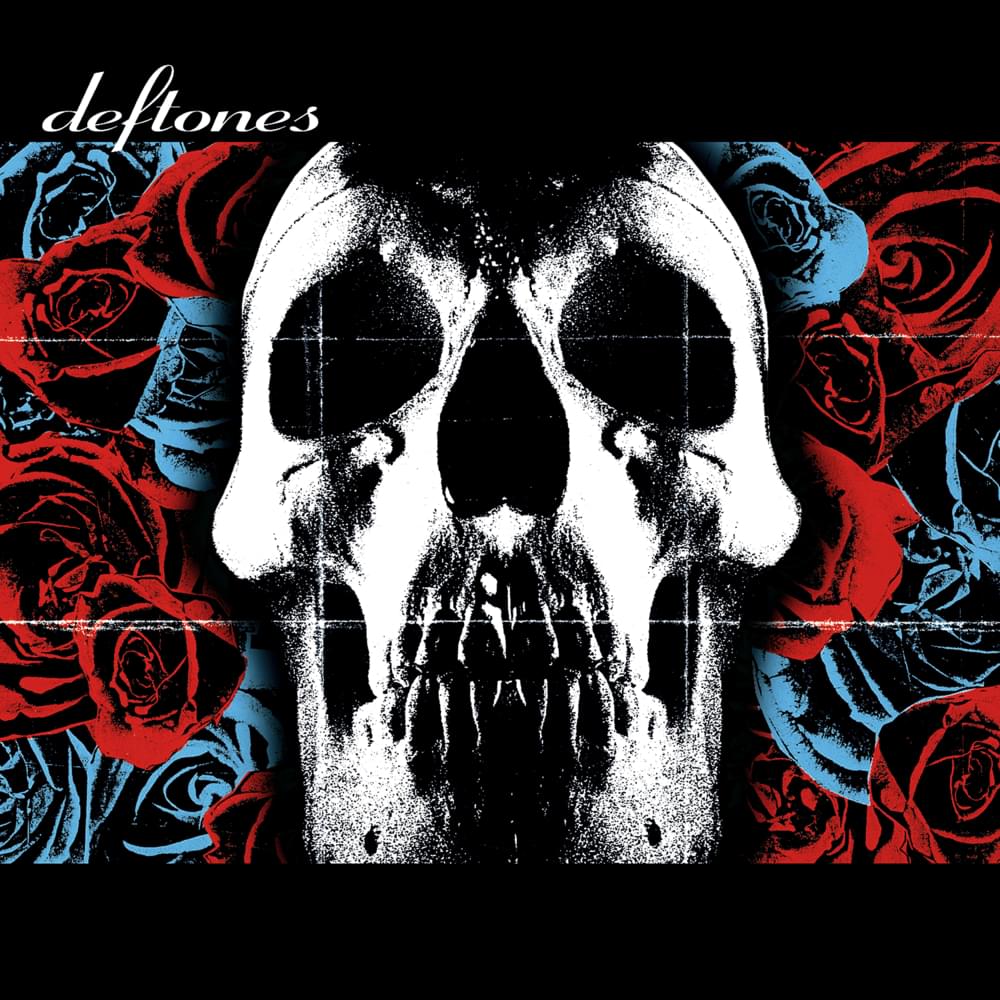
Deftones releases their eponymous album.
Following their 2000 opus: the genre-bending, instant classic White Pony, Deftones’ eponymous album finds the band at perhaps its heaviest yet, but still makes room for some of the experimentation of its predecessor.
Hexagram and Minerva are essential Deftones singles, with the former going from an alt rock verse into an absolutely crushing chorus and the latter finding the band at its most shoegazed yet. Lucky You is an industrial detour, that sees the band channel Pretty Hate Machine era Nine Inch Nails and Depeche Mode. When Girls Telephone Boys is perhaps the band’s heaviest track yet, though this album has no shortage of those. Needles & Pins and Deathblow are a couple of other highlights.
Though it may lack some of the immediacy of Around The Fur, or the more trip-hop influenced sounds of White Pony, Deftones is still a worthy addition into the Deftones canon and a suitable album to have been named after the band.
85 / 100
Iron Maiden – Dance Of Death
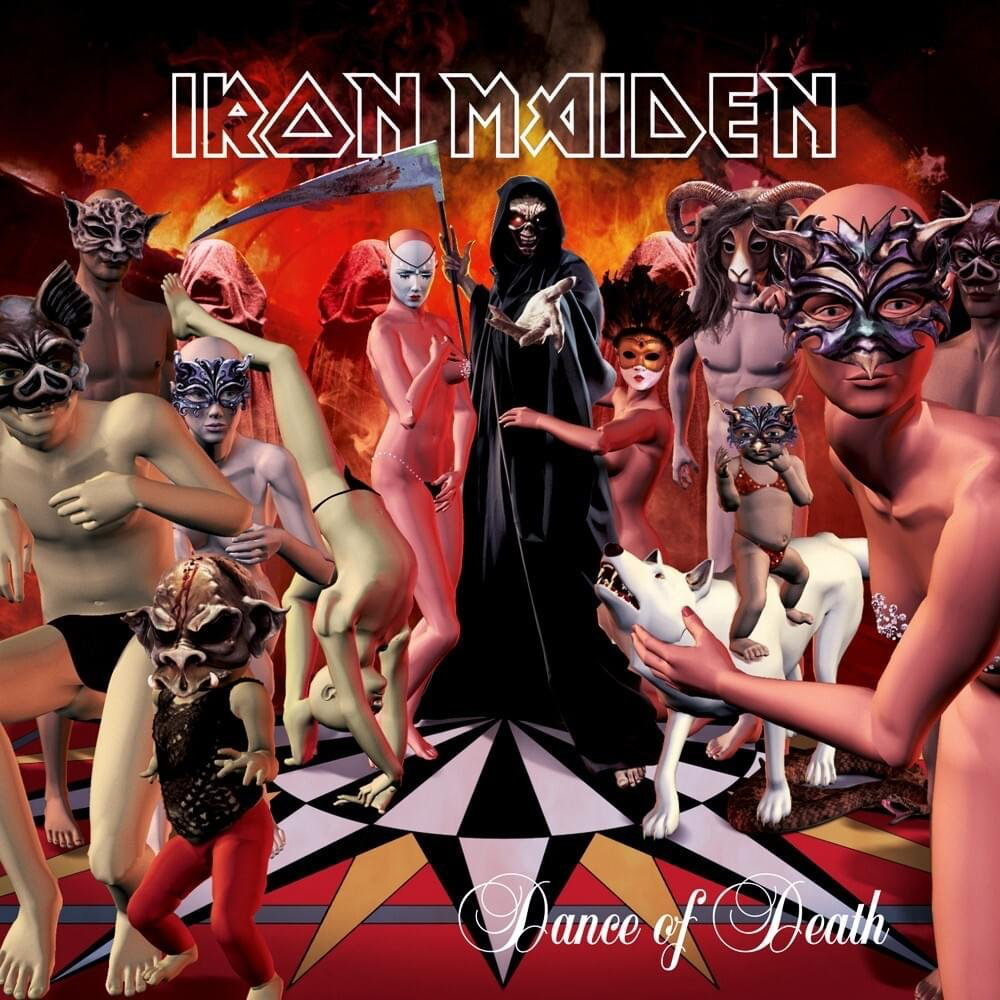
Iron Maiden makes one of the worst album covers in history.
After the successful reunion between Iron Maiden and Bruce Dickinson on 2000’s Brave New World, the band had acquired a second life and was making the most of it, as Dance Of Death is another strong work from the veteran metal pioneers.
Lead single and opener Wildest Dreams is a decent enough rocker, if not a little bit paint-by-the-numbers when compared to the other single, Rainmaker. No More Lies has a slow-building intro, before exploding into its verses and chorus. Montségur is a heavy metal banger. The epic 8 and a half minute title track is the centrepiece of the album, along with the also 8+ minute WWI song, Paschendale (which is about the titular battle that took place in Belgium in 1917) — both of these songs are fantastic.
Dance Of Death may not be quite as good as Brave New World was, and some songs are better than others, but it still finds the British metal icons doing very well in their third decade as a band.
Iron Maiden is probably one of the few bands you’ll find on a list of both the best and worst album covers of all time. The poorly-made CGI artwork for Dance Of Death is so bad that the artist asked not to be credited on the album — Oof. They should have just gone with Derek Riggs…
75 / 100
King Crimson – The Power To Believe
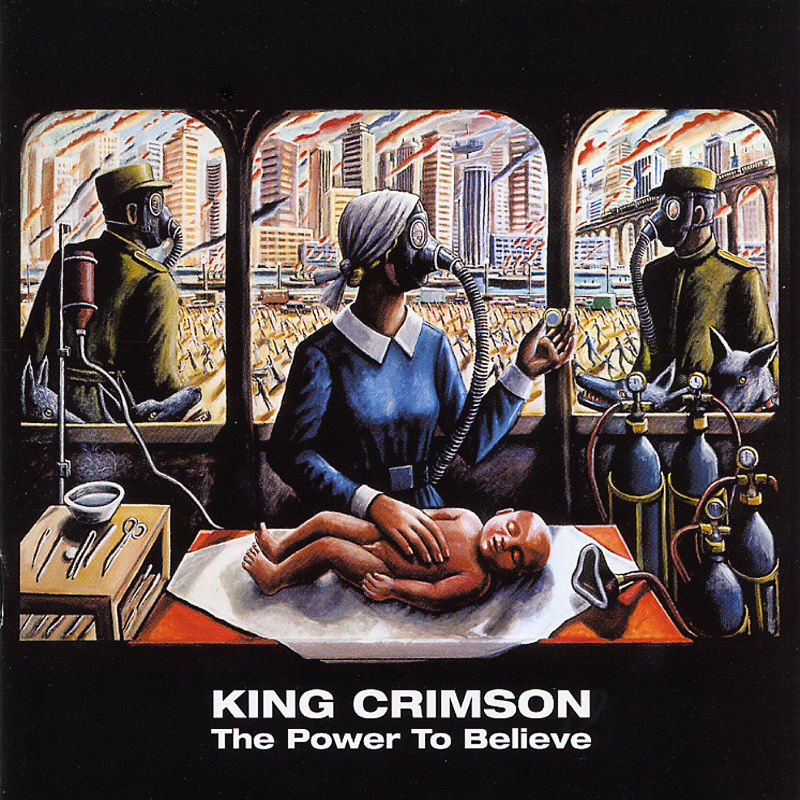
King Crimson releases their final album (for now?).
Following the disappointing The ConstruKction Of Light (the band’s worst album by far), The Power To Believe isn’t quite a return to form, but is still a vast improvement on that album.
Level Five acts as the fifth installment of the Larks Tongues In Aspic series, which debuted on the album of the same name in 1973. Eyes Wide Open is a ballad along the lines of the band’s 1980s material like Waiting Man and Matte Kudasai. Elektrik is another instrumental, which displays the band’s virtuosity. Facts Of Life and Happy With What You Have To Be Happy With are the more conventional tracks here, with the latter being a released in an EP the previous year. Some of the Power To Believe tracks have an autotuned Adrian Belew, which come off less experimental and more like dinosaurs using new tech.
There’s not much here to come back to outside of a few more instances of Robert Fripp’s incredible guitar playing.
60 / 100
The Mars Volta – De-Loused In The Comatorium
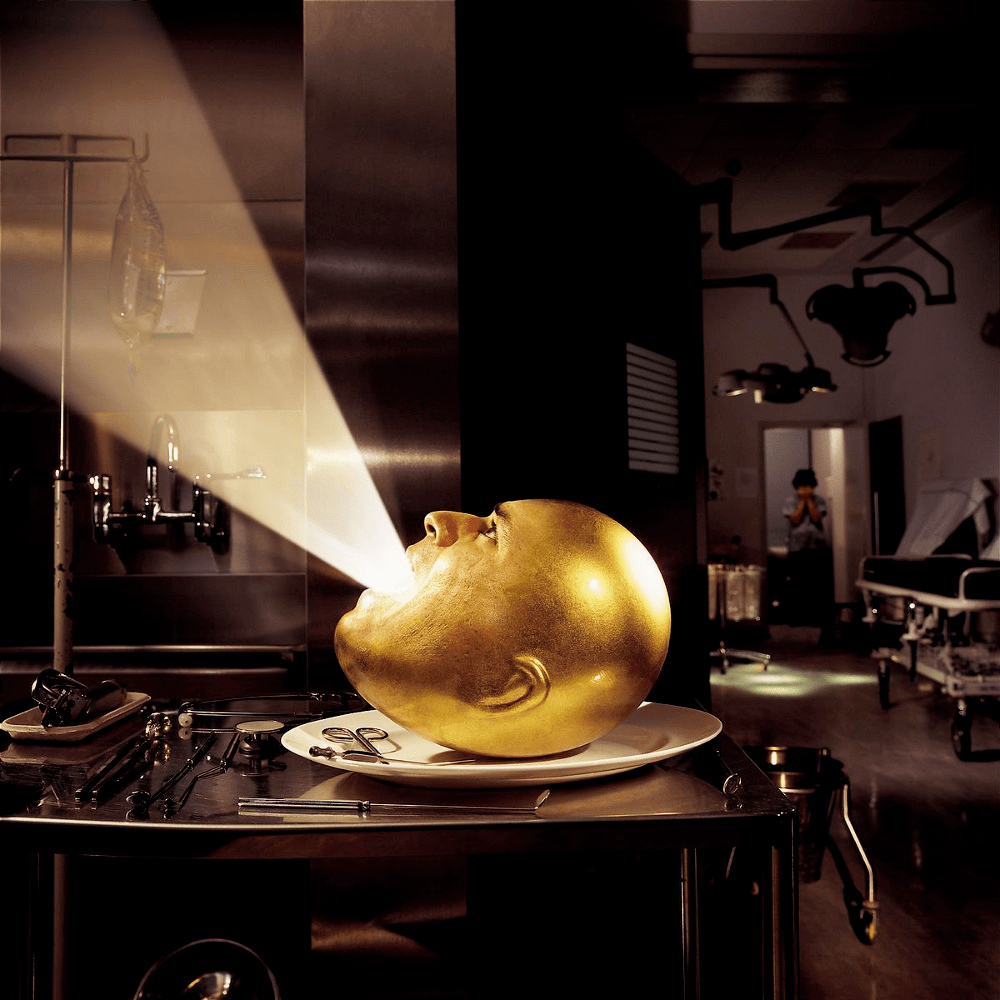
The remnants of At The Drive-In result in a modern prog classic.
After the release of their best album yet and one of the greatest albums of the early aughts, 2000’s Relationship Of Command saw post-hardcore legends At The Drive-In hit an all time high. But, the band soon burnt out and dissolved, resulting in the creation of two new bands. Jim Ward, Paul Hinojos Tony Hajjar went on to form Sparta and Cedric Bixler-Zavala and Omar Rodríguez-López formed The Mars Volta, a progressive rock powerhouse that’s every bit as good as what came before, albeit more experimental and out-there.
The Mars Volta allows for the duo of Bixler-Zavala and Rodríguez-López to indulge and flex all of their most extreme musical ambitions, adding in plenty of Latin flavours, complex time signatures and lengthier tracks than what they had done with At The Drive-In.
After a brief intro (Son et Lumiere), Intertiatic E.S.P. takes the album’s energy straight to 100%, with some of Bixler-Zavala’s best vocals and an assault of guitars. Roulette Dares (The Haunt Of) wastes no time in keeping the momentum going, but also knows just when to cool things down. Drunkship Of Lanterns is another scorcher of a track, with intense and intricate rhythms.
Eriatarka is more of a ballad that makes use of atmospherics and impassioned vocals. Cicatriz E.S.P. is the longest track on the album and has an ambient bridge section, as well as the usual guitar pyrotechnics present all over the album. This Apparatus Must Be Unearthed is another showcase of Bixler-Zavala’s abilities with a microphone and has one of the best choruses here. Televators is a Latin-tinged track that keeps things calm and relaxed through the whole song, before going all out once more on the final track Take The Veil Cerpin Taxt, which closes the album.
Many of the album’s songs have experimental outros, providing a comedown for the listener, before being thrown right back into the fire again. Most of this album is also an all-out onslaught of pushing the boundaries of prog rock and giving nothing less than 100%, but it never feels pretentious, because it’s just so damn impressive and memorable. Bixler-Zavala’s lyrics are completely nonsensical, and yet they still manage to paint such vivid imagery inside your head; his lyricism matching the insanity of Rodríguez-López’s musical mind.
And I’d be remiss to not mention that Flea and John Frusciante from Red Hot Chili Peppers appear on the album.
This album is further evidence of Omar Rodríguez-López being one of the greatest guitarists of our time, with a sound as unique as and impressive as veteran prog rock guitar legends, like Robert Fripp and Alex Lifeson.
This entire album is flawless. It’s phenomenal. It’s up there in the upper echelons of prog rock, alongside the best albums by pioneers of the genre, like King Crimson, Rush and Yes, as well as contemporaries like Porcupine Tree.
100 / 100
Metallica – St. Anger
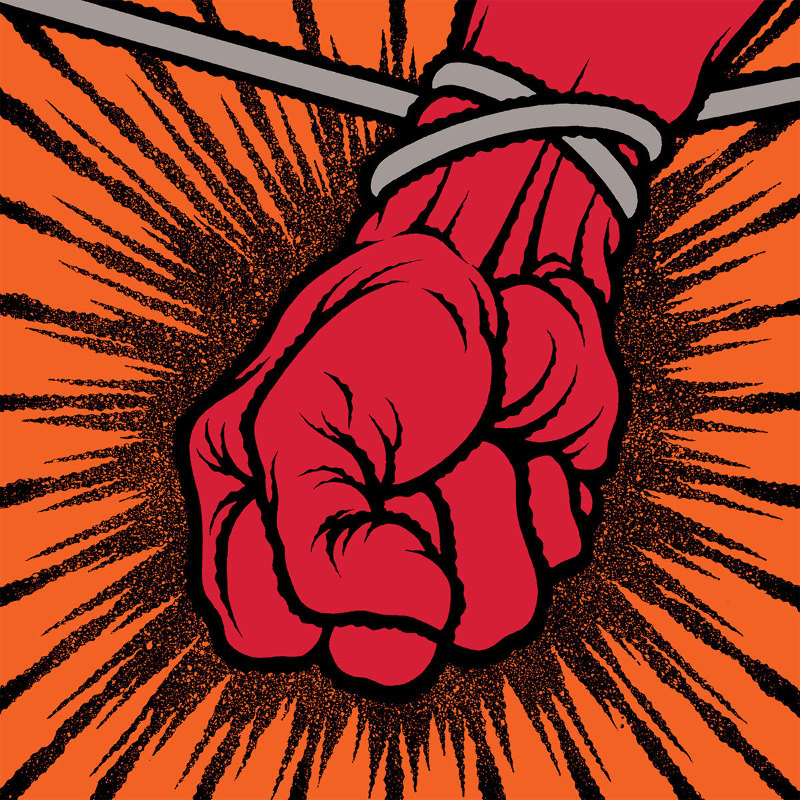
Metallica goes nu metal and forgoes guitar solos.
With Jason Newsted leaving the band, James Hetfield entering rehab and the entire band fighting amongst themselves and with producer/temporary bass player Bob Rock, St. Anger was doomed from the start. But, where some people see a mess of an album that’s easy to ridicule, I see genuine angst and singularity in this bizarre album.
St. Anger is most infamous not for the vocals and lyrics, not for the lack of guitar solos, not for the late-to-the-game nu metal experiment, but most of all for the sound of Lars Ulrich’s snare, which sounds like the lid of a garbage can. But I have something to say: what other album has that drum sound? For better or worse, it is unique.
As for the songs themselves, Frantic is a truly frantic opener, with the unintentionally humorous lyrics of “frantic tick-tick-tick-tick-tick-toc” and “my lifestyle determines my death style”. The chaotic title track has James Hetfield screaming out that he’s “madly in anger with you”. The doomy Some Kind Of Monster is a total groove and you can even hear the hi-hats and cymbals shaking from the guitar distortion at the start. There’s also Dirty Window, Invisible Kid, My World, Shoot Me Again, The Unnamed Feeling, Sweet Amber, Purify and All Within My Hands — all underrated and over-hated songs. There’s a plethora of under-appreciated riffs on St. Anger.
Both Metallica fans and general music listeners in general will be quick to state that St. Anger is not just Metallica’s worst album, but one of the worst albums of all time — to the point that it’s become somewhat of a cliché. It’s different than the rest of their body of work and its easy to lose sympathy for a group of millionaire musicians in-fighting (especially after the Napster incident), but it still has lots to offer if you give it a chance. Also, people accused Metallica of selling out in the 90s and this is anything but selling out — nothing about St. Anger screams commercially-viable.
St. Anger might not be a classic, but it’s still a lot of fun if you can get past the production and the difference in style from the band’s previous works.
The making of St. Anger is almost as notorious as the album itself, with it being documented on the Some Kind Of Monster documentary — a documentary worth a watch.
80 / 100
Muse – Absolution
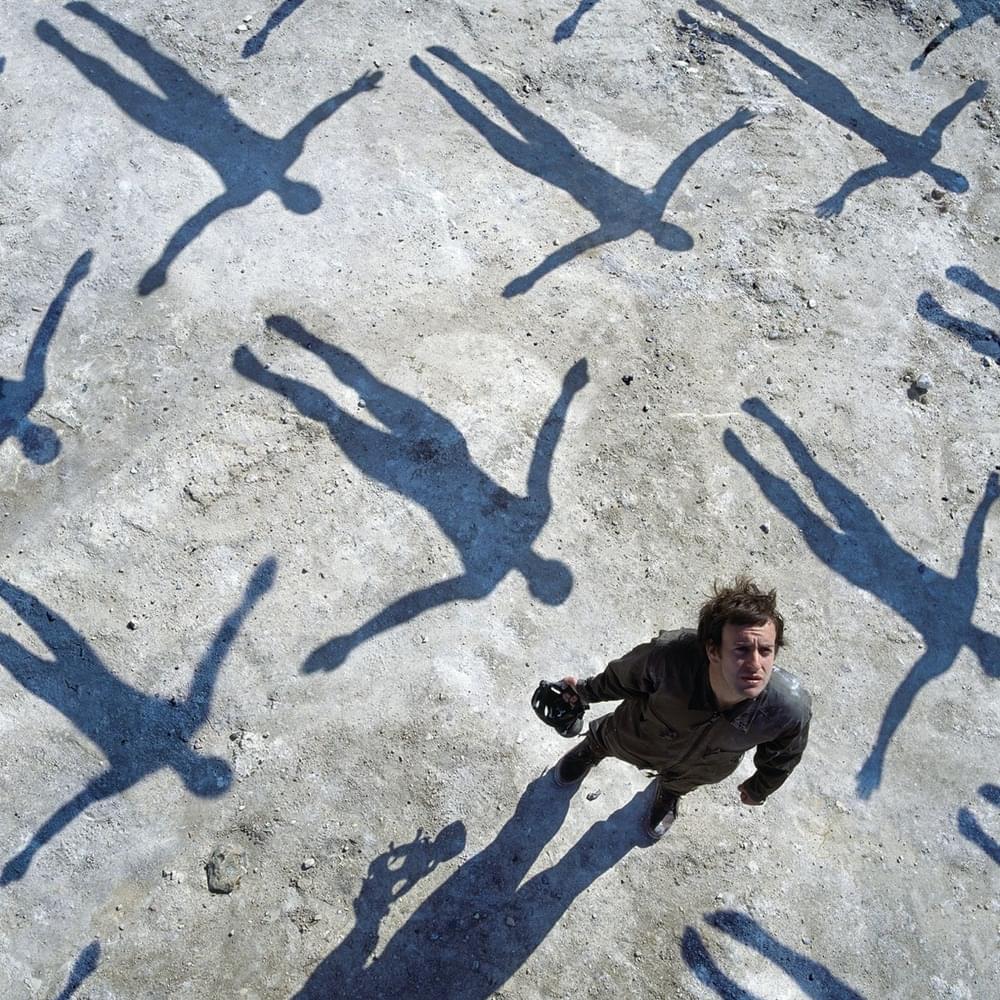
Muse follows up Origin Of Symmetry with an equally stellar album.
After shedding some of the Radiohead comparisons that plagued them early on, Muse’s sophomore LP, Origin of Symmetry was a more distinct affair than their 1999 debut, Showbiz. With a theatrical, Queen-like grandiosity and a more metal-influenced sound than Radiohead, Muse was coming into its own. Absolution takes that growth even further, with an album that’s equally as admirable as its predecessor.
Apocalypse Please is true to its name, with a sound that’s apocalyptic and grand, thanks to it’s stormy piano chords. Time Is Running Out and Hysteria are both bolstered by sexy slinks and memorable choruses, courtesy of frontman/vocalist/guitarist Matt Bellamy. Sing For Absolution and its droplets of resonating piano notes are gorgeous. Stockholm Syndrome is one of the album’s most metallic moments.
Another album that showcases the expert musicianship of one of England’s greatest power trios since Cream or The Police.
90 / 100
Nick Cave & The Bad Seeds – Nocturama
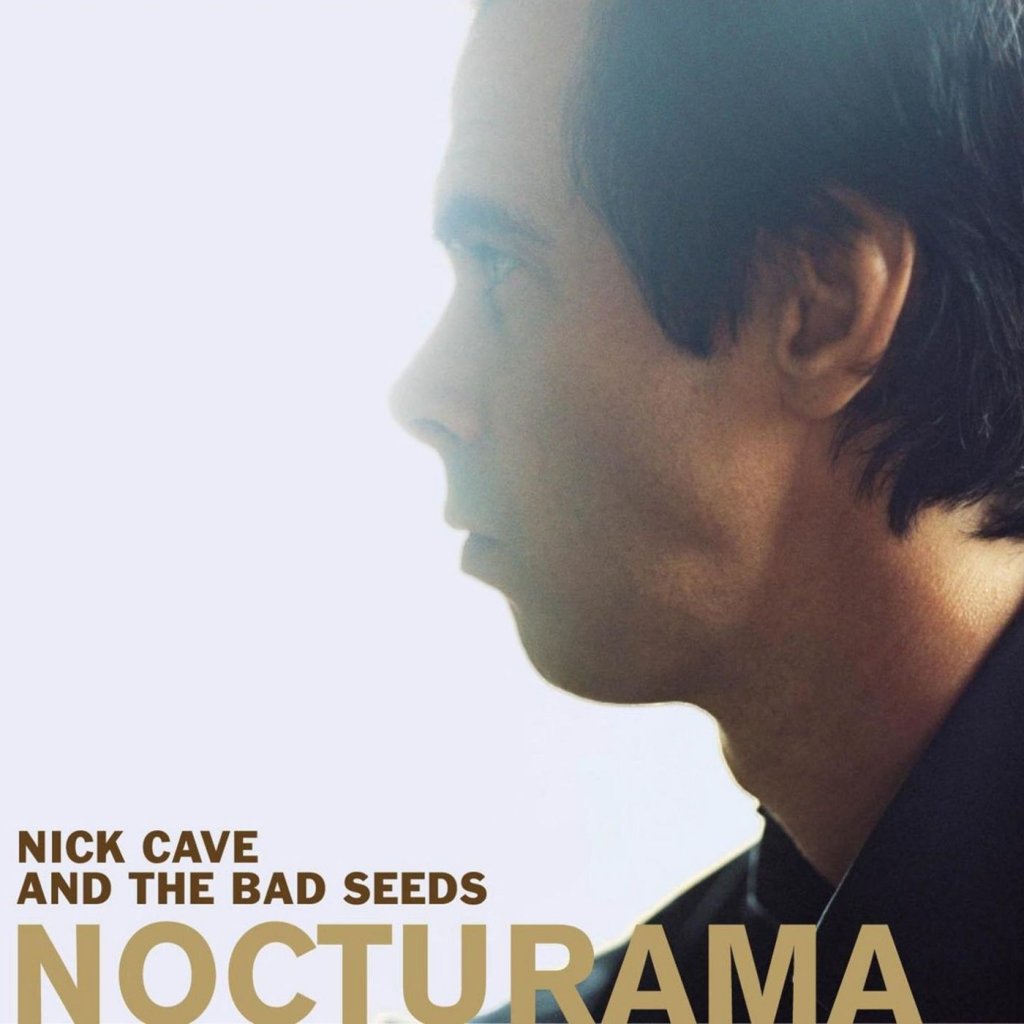
Nick Cave & The Bad Seeds release their most underwhelming album yet.
Following two decades of consistently great records and countless evolutions, Nocturama (which was recorded in just one week) is the first time where the band feels like they are spinning their wheels and have nothing new to say. There are some quality tracks, like Bring It On and the nearly 15 minute-long Babe, I’m On Fire, but there’s nothing here that the band didn’t already do better on 2001’s superior No More Shall We Part.
Nocturama is far from a bad album, it’s just below the band’s usual standard of excellence and is rather drab and dull, much like the album artwork.
65 / 100
Pearl Jam – Lost Dogs
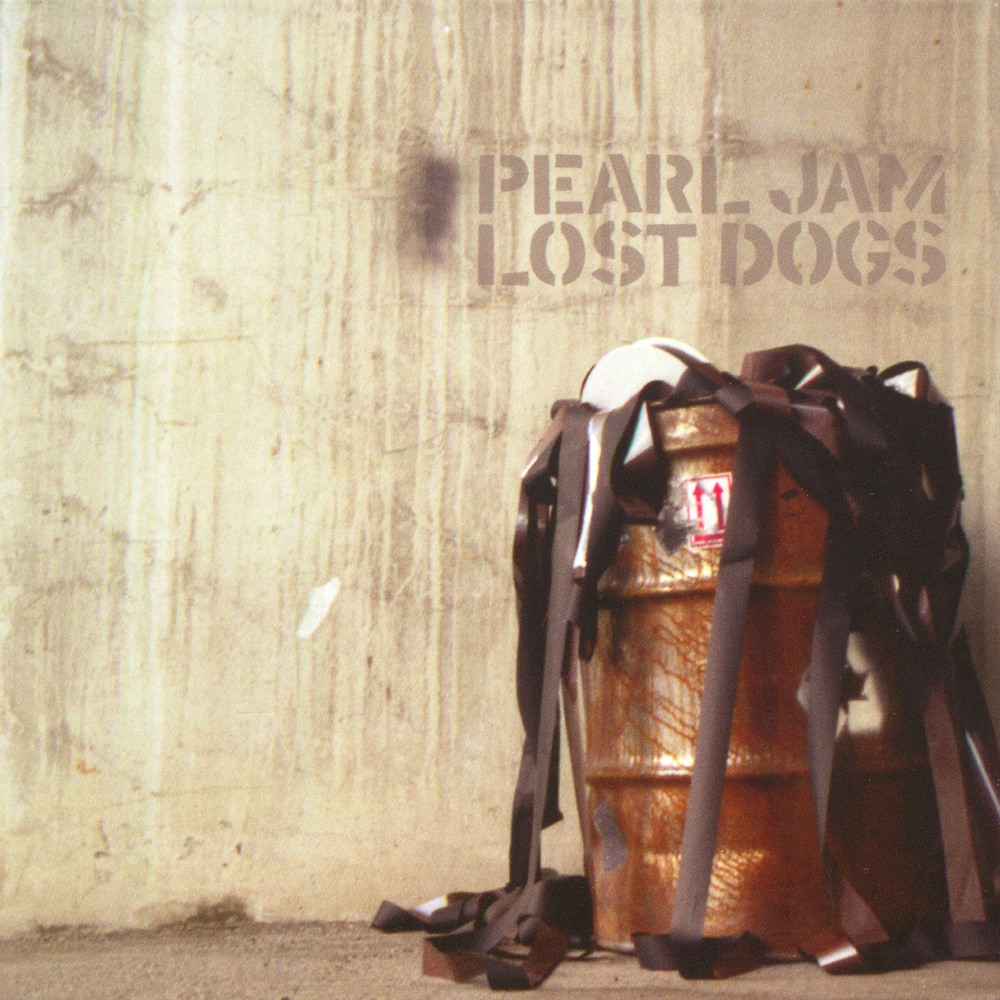
Pearl Jam releases a 2 disc b-sides and rarities compilation.
Consisting of various b-sides, as well as fan club singles and other non-album tracks, Lost Dogs has all the deep cuts a PJ fan could want, all in one convenient place.
For songs from the era of 1991’s Ten, there’s the classic Hendrix-influenced Yellow Ledbetter and Footsteps (both from the Jeremy single), as well as Dirty Frank (Even Flow) and Wash (Alive). Hold On and Brother were Ten outtakes, but did not appear on any singles. The only song from the 1993 Vs. sessions is Alone from the Go single. Nothing here originates from 1994’s Vitalogy. All Night and Don’t Gimme No Lip are No Code (1996) outtakes, with Black, Red, Yellow and Dead Man being from Hail, Hail and Off He Goes, respectively. U is the only track from 1998’sYield, having been the b-side to Wishlist. Sad, Hitchhiker, In The Moonlight, Education, Fatal and Sweet Lew are all Binaural (2000) outtakes. For 2002’s Riot Act, Down and Undone are here, both from the I Am Mine single, along with Other Side from the Save You single. The rest of the tracks are non-album songs from fan club Christmas singles and various artists’ compilations, including the band’s famous cover of Wayne Cochran’s Last Kiss.
There is a lot of interesting songs across this compilation and while there isn’t too much on par with the band’s absolute greatest songs (outside of Yellow Ledbetter), it’s still a document of how prolific and diverse Pearl Jam were in their most commercially successful period that spanned from 1991-2002.
80 / 100
Radiohead – Hail To The Thief
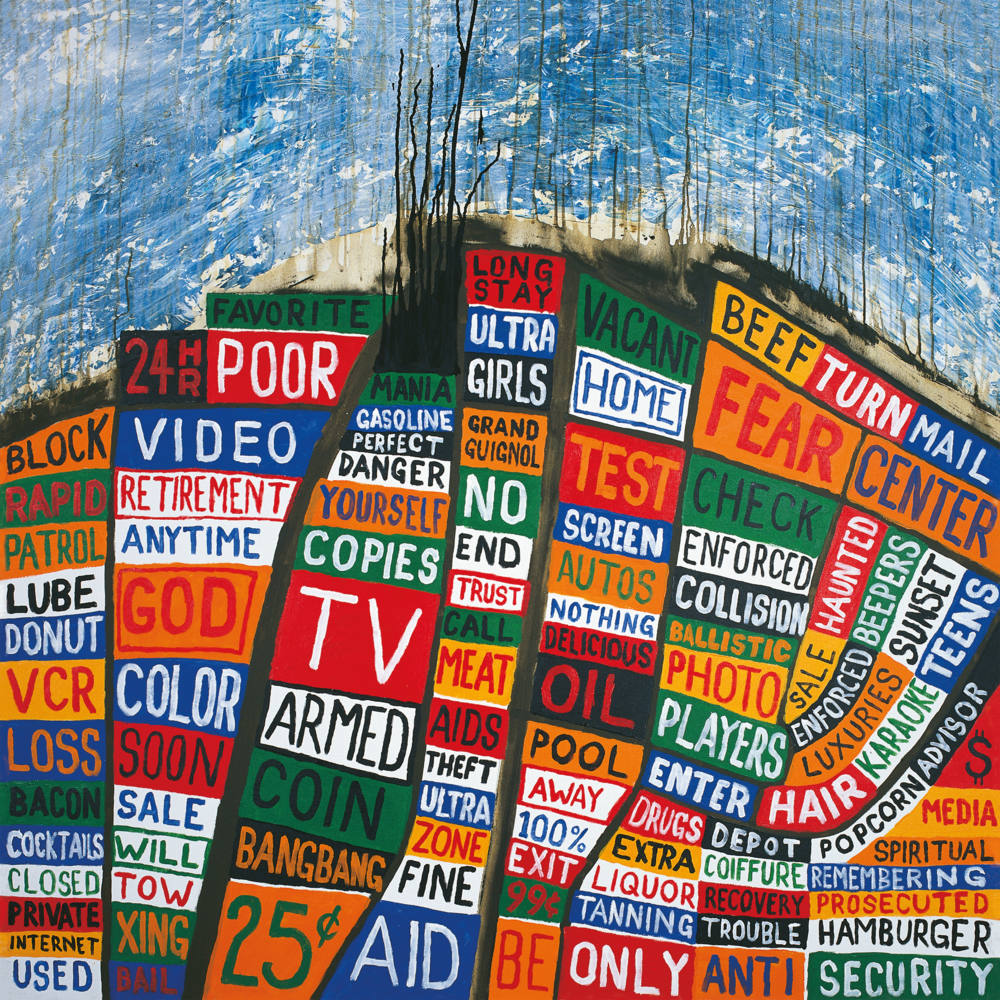
Radiohead gets political.
Arriving only two years after the experimental one-two of KID A and Amnesiac, Radiohead was right back at it with the politically-charged, Hail To The Thief — an album that blends together the guitar-driven sound of their 90s work and the electronic experimentation of the previous two LPs.
Where albums like The Bends were introspective and OK Computer dealt with the impending alienation of a modern, tech-obsessed world, Hail To The Thief is a political response to the Bush Administration and the war on terror, using fairytale-like lyricism to describe the socio-political injustices that Thom Yorke was witnessing in the world, sparked by the paranoia of being a father in an increasingly corrupt and dangerous society, dealing with the world his children will grow up in.
The George Orwell, Nineteen Eighty-Four referencing opener, 2 + 2 = 5, is one of the band’s best guitar-based tracks in years and has an incendiary outro. Sit Down. Stand Up. is nervous and frantic, building up and exploding into a tense outro. Sail To The Moon drifts along softly, like a hushed lullaby of piano and falsetto. Backdrifts and The Gloaming bring back the electronics of KID A and Amnesiac.
Go To Sleep is reminiscent of prior acoustic rockers like Just and Optimistic and should satisfy fans of the Britpop stylings of The Bends. There, There, the lead single of the album, is one of the band’s most gut-wrenching songs, with cynical and tragic musings like: “Just ’cause you feel it, doesn’t mean it’s there” and “We are accidents waiting to happen”.
Myxomatosis takes fuzz to the extreme, with a guitar tone that melts like chocolate. I Will is the track that was reversed and used as the basis of Amnesiac’s, Like Spinning Plates. A Wolf At The Door is a gothic ending to Radiohead’s most serious and bleak album yet.
Hail To The Thief’s singles should immediately appease fans, but the deep cuts get better with subsequent listens. An underrated album in Radiohead’s discography.
100 / 100
Red Hot Chili Peppers – Greatest Hits
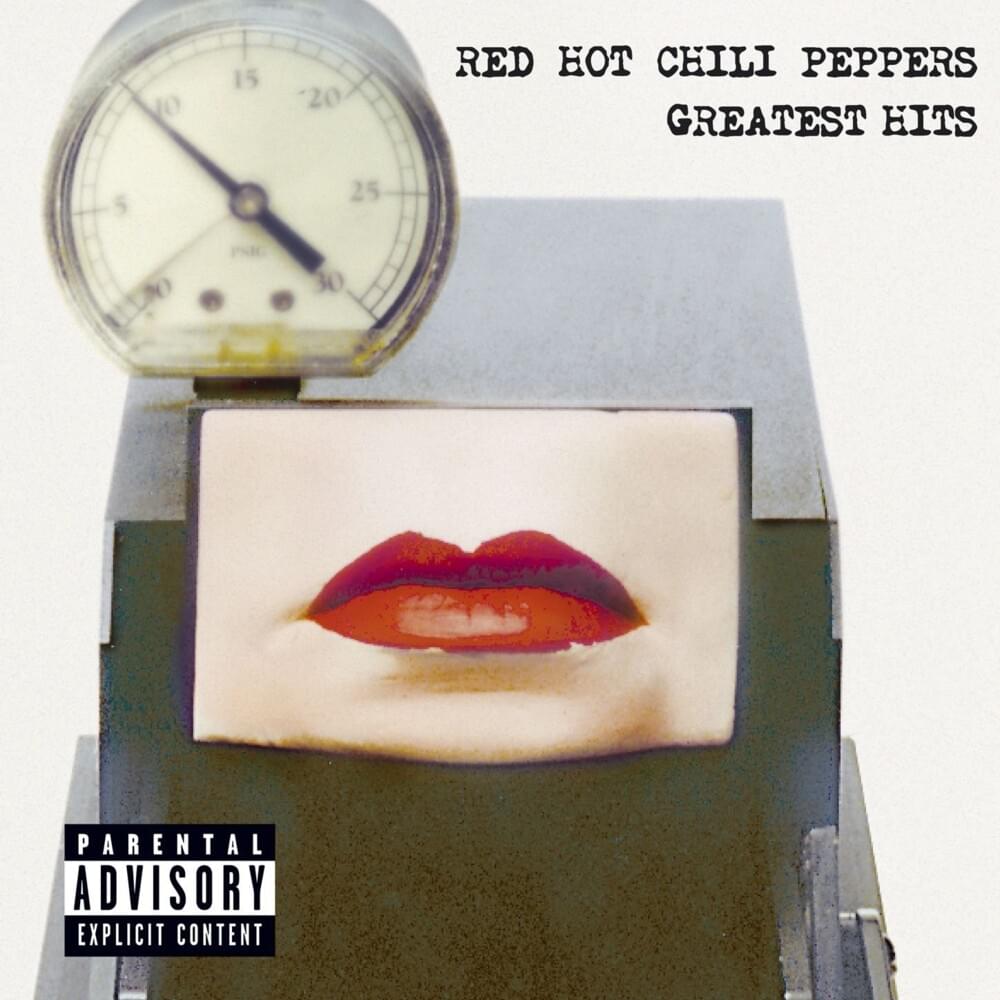
Red Hot Chili Peppers release a greatest hits for their most critically and commercially successful era (1989-2002).
Consisting of several singles from the band’s most commercially viable period (1989-2002), Red Hot Chili Peppers’ Greatest Hits captures all of the essentials of the (mostly) John Frusciante era of the band. You’ve got Under The Bridge, Give It Away, Breaking The Girl and Suck My Kiss from 1991’s Blood Sugar Sex Magic and then Californication, Scar Tissue, Other Side, Parallel Universe and Road Trippin’ from the 1999 blockbuster hit, Californication. The title track for 2002’s By The Way is obviously here, but Can’t Stop isn’t — though, Universally Speaking is still a fair choice in its place. The only song from One Hot Minute is My Friends, so don’t expect Aeroplane.
The peak b-side Soul To Squeeze is here, as is the band’s cover of Stevie Wonders’ Higher Ground, which was featured on their 1989 album, Mother’s Milk, which saw the introduction of guitarist John Frusciante into the band. There’s also two new songs, Fortune Faded and Save The Population, which are both really quite good.
This collection is all killer, no filler. I may not be the biggest RHCP fan, but this compilation is just them firing on all cylinders. Not including Can’t Stop hurts it, but it’s still such a great curation of songs.
100 / 100
Sleep – Dopesmoker
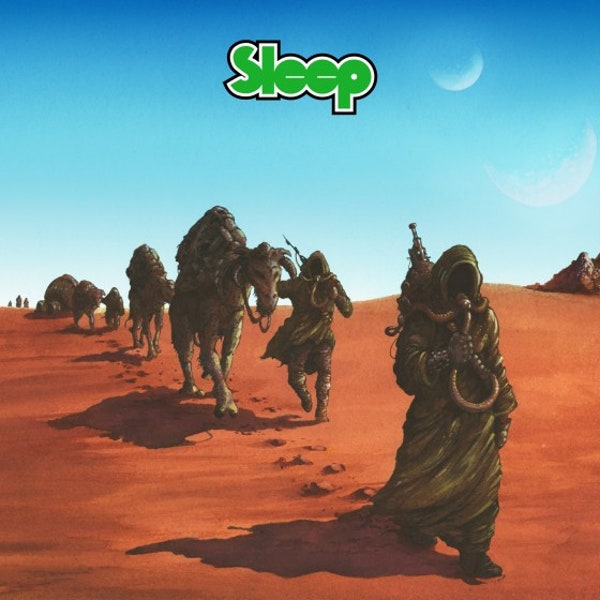
Sleep releases a one hour long song.
Originally released as Jerusalem in 1999, where the album was chopped up into shorter songs, Dopesmoker is the long-awaited album as it was originally intended, in it’s hour-long glory.
Yes, Dopesmoker is just over 63 minutes in duration. It drones on for over an hour, with the same riff — slight variations scattered across the desert-like sonic soundscape. It’s also incredible — almost like an experience., but you have to listen to it the proper way.
A remarkable accomplishment that took years to create and release.
90 / 100
Stone Temple Pilots – Thank You

Stone Temple Pilots releases a greatest hits compilation.
Consisting of all of the band’s singles from their first five albums (Plush, Creep, Sex Type Thing, Interstate Love Song, Big Empty, Vasoline, Trippin’ On A Hole In A Paper Heart, Big Bang Babies, Lady Picture Show, Down, Sour Girl andDays Of The Week) with the exception of Hollywood Bitch and the addition of Wicked Garden, a live acoustic version of Plush from MTV Headbanger’s Ball and a new track, All In The Suit That You Wear, Thank You has all the STP essentials for somebody just discovering the band, other than maybeDead & Bloated from Core — but otherwise, this is pretty much as perfect of a greatest hits as you can get from STP.
100 / 100
The Strokes – Room On Fire
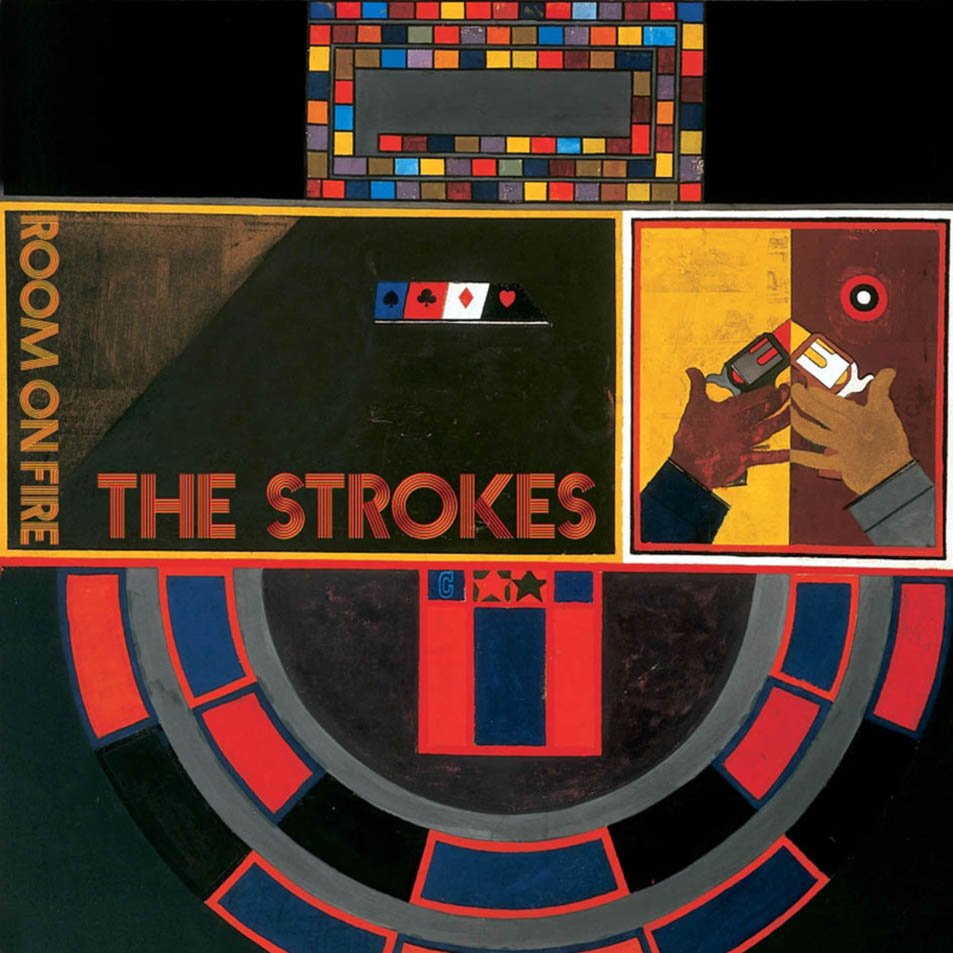
The Strokes follow-up their landmark debut with a noble effort.
On The Strokes’ sophomore album, Gordon Raphael returns as producer (after unsuccessful recording sessions with Radiohead’s producer, Nigel Godrich) and just like their debut, Julian Casablancas wrote every song here (other than an Albert Hammond Jr. co-write on Automatic Stop).
Where Is This It was deeply rooted in the 1970s New York City punk rock of artists like Ramones, Lou Reed and Television, Room On Fire plays around with a more new wave influence, such as on 12:51 and The End Has No End (The Cars) or the reggae-tinged Automatic Stop and Between Love & Hate (The Police, The Clash). Elsewhere, You Talk Way Too Much, Meet Me In The Bathroom, The Way It Is and I Can’t Win, sound like possible holdovers from Is This It and evoke more of that aforementioned NYC sound.
And then there’s Reptilia, an instant classic, capable of holding a candle to anything from their debut. In fact, Reptilia might be THE definitive Strokes song if there had to be only one.
Room On Fire has enough strong writing and variation to not feel completely derivative of Is This It, or devoid of any evolution. It doesn’t reinvent the wheel or change the indie rock landscape the way its predecessor did, but it will scratch that itch that their debut record had given.
90 / 100
Ween – Quebec
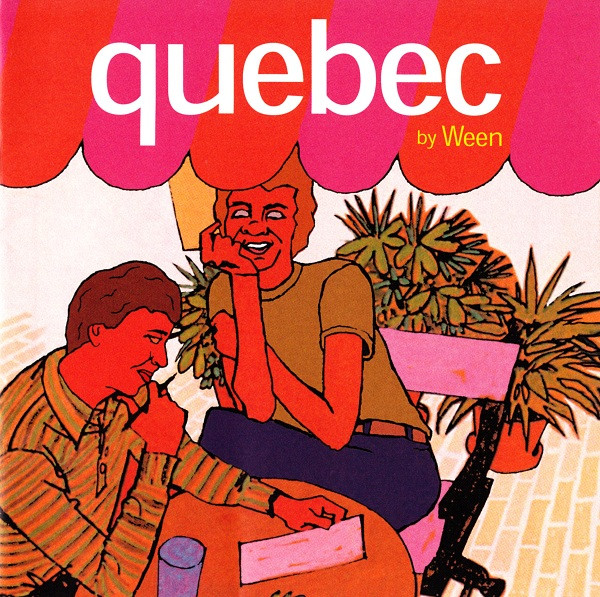
Ween follows-up the relatively straightforward White Pepper with an album that blends the bands’ seriousness and silliness.
On 2000’s White Pepper, Ween almost sounded like a normal band. Where they spent the entirety of the 90s being the weirdest duo of that decade, they entered the new millennium with a rather sincere work. With Quebec, there are still poignant moments, but there are also lots of the bizarre songs you’d anticipate on a Ween album.
The opening track, It’s Gonna Be A Long Night, sounds like Ween channeling Motörhead. Zoloft is an elevator music-sounding song about the titular anti-depressant, and I imagine this is what it feels like to be on a prescription of said drug. Transdermal Celebration is one of Ween’s best songs in their entire discography and one of their more serious rock songs, as are Tried And True and The Argus. Among His Tribe is an acoustic track that feels like something the band would have written while on an Ayahuasca trip. So Many People In The Neighborhood, Happy Colored Marbles, Hey There Fancypants and The Fucked Jam are more typically-strange Ween songs that you’ve come to expect.
Quebec is a fantastic Ween album and an easy choice for a top three record from the band. I might enjoy the overall quirkiness of Chocolate And Cheese or The Mollusk more, but Quebec is perhaps a more accessible starting-point for new fans of the band.
80 / 100
The White Stripes – Elephant
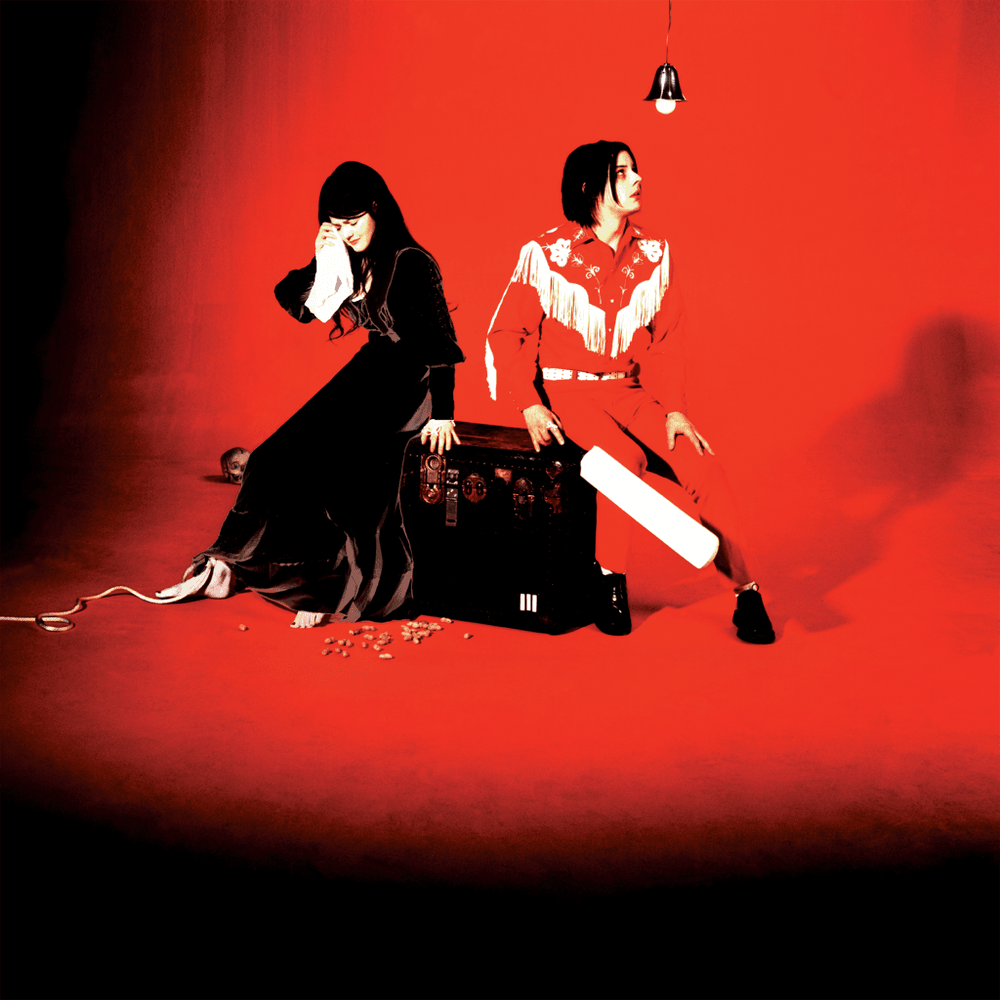
The White Stripes release their blockbuster hit.
After building up a reputation as one of the leading bands of the rock revival of the 2000s, with simple, but effective hit singles like Fell In Love With A Girl and Hotel Yorba and a deliberate, tasteful aesthetic, The White Stripes break out with their biggest album yet, led by the monumental single, Seven Nation Army.
Seven Nation Army is instantly recognizable, with one of the most memorable guitar riffs in recent times, sure to cement Jack White as one of the greatest riff-makers in rock history. The Burt Bacharach penned, Dusty Springfield cover, I Just Don’t Know What To Do With Myself has as much authenticity and conviction as the band’s earlier cover of Jolene. Black Math is one of the duo’s heaviest and most chaotic tracks. Ball & Biscuit is a 7 minute blues epic. The Hardest Button To Button showed that there was room for another smash hit on the album, with a music video equally as iconic as that of Fell In Love With A Girl. The punky Girl, You Have No Faith In Medicine is another standout.
Although every White Stripes project up until now has been equally consistent and strong, Elephant is the moment where the stars all aligned for the Detroit duo.
100 / 100
Trivia: Elephant won Best Alternative Music Album at the 46th Annual Grammy Awards.
FIN
Brett Nippard