Table of Contents:
- Audioslave – Audioslave
- Clipse – Lord Willin’
- David Bowie – Heathen
- The Flaming Lips – Yoshimi Battles the Pink Robots
- Foo Fighters – One By One
- Nirvana – Nirvana
- Porcupine Tree – In Absentia
- Queens of the Stone Age – Songs for the Deaf
- U2 – The Best of 1990-2000
Audioslave – Audioslave
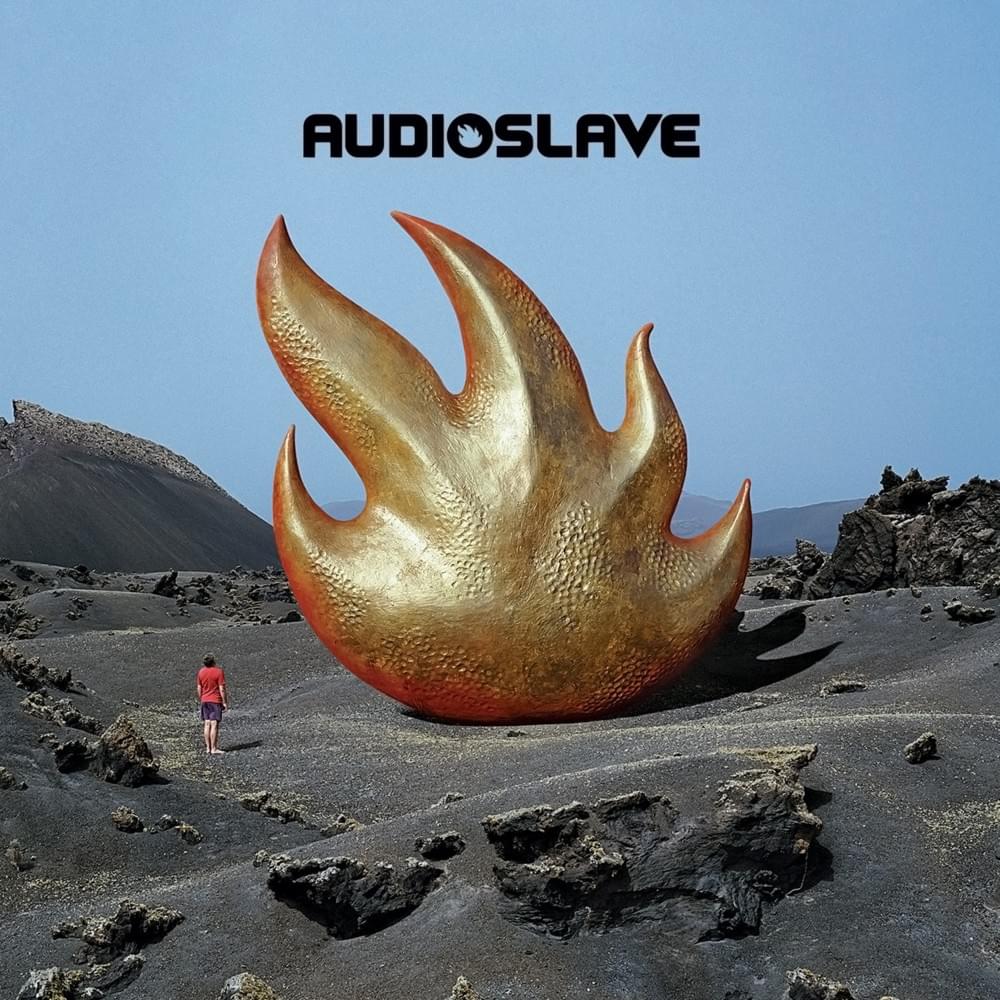
Soundgarden x Rage Against the Machine.
Following the dissolution of both Soundgarden and Rage Against the Machine, Chris Cornell was without a band and Rage Against the Machine was without a vocalist; based on a suggestion from producer Rick Rubin, Chris Cornell auditioned for the band and the chemistry between the four musicians was instantaneous, with the band’s name coming from Cornell, who said it had came to him in a vision. Chris Cornell adds melodic dimension to the rhythm section that Tom Morello, Tim Commerford and Brad Wilk provide, something that Zach de la Rocha simply couldn’t do as a rapper within the musical context of R.A.T.M.
The opening track/debut single, Cochise, storms out of the gate with guitar that sounds like a helicopter propeller, followed by an almost tribal-like drum beat, before Tom Morello’s guitar riff gives way to Cornell’s wails and unforgettable chorus. Show Me How to Live has more killer riffs, another stellar hook and an outro where Chris Cornell does this vocal inflection, which is achieved by karate-chopping his throat while he sings. Like a Stone is an emotionally-charged ballad with an impassioned Chris Cornell vocal and a memorable guitar solo. I Am the Highway is another powerful ballad. The aforementioned songs were all the singles, though album tracks like What You Are, Shadow on the Sun and Gasoline also shine.
Audioslave is a little long at 14 tracks and feels a bit repetitive by the end, but there’s still plenty to enjoy on the supergroup’s debut album. It might not be as great as Soundgarden or Rage Against the Machine’s best albums, but it provides some of the better hard rock you’ll find on mainstream radio in the early 2000s.
8/10
Clipse – Lord Willin’
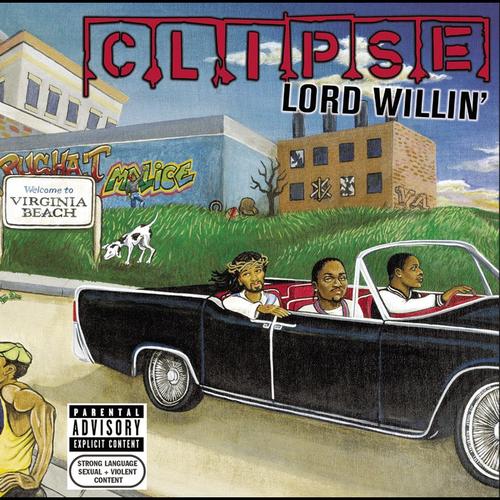
Clipse releases their official debut.
After having met Pharrell Williams in Virginia Beach in the early 1990s, brothers Gene & Terrence Thornton, known professionally as Malice & Pusha T, began to work with Williams and Chad Hugo (known as The Neptunes) throughout the decade, with the production duo going on to produce their intended 1999 debut album, Exclusive Audio Footage. Due to their first single failing to chart, their debut album was indefinitely shelved by Elektra records, who subsequently dropped the duo. Enter Lord Willin’, Clipse’s official debut album (now with Star Trak/Arista), which was released three years later in 2002.
With Malice previously being a cocaine dealer, much of the subject matter on Lord Willin’ revolves around the illicit substance, but the beats and the rhymes are so much fun that it doesn’t ever feel stale or contrived. Compared to the gangsta rap of the previous decade, Lord Willin’ plays more like a cartoon than a gangster flick.
An almost tropical-sounding intro introduces the Virginia duo to the world, followed byYoung Boy, where Pharrell Williams proves himself to be a fantastic singer in addition to being one of the most interesting producers in hip-hop. Virginia paints some moodier vibes with its instrumental. Grindin’ is perhaps the most quintessential song on Lord Willin’, with it’s simple but effective drum beat that drives the song. The duo gets Faith Evans for a feature on Ma, I Don’t Love Her. Rapper FamLay appears on the bangin’ FamLay Freestyle. When the Last Time has some synthesizers that sound straight out of a video game. Tracks like Ego and Comedy Central sound like updates of late 90s rap. Cot Damn and it’s punny title is another highlight.
The rapping and interplay between Malice and Pusha T is fantastic and while the two brothers do sound quite similar, there’s a slightly different intonation in their voices to differentiate from each other. Regardless, for my money, they have two of the best voices and most unique flows in rap.
Lord Willin’ is one of the best rap debuts of the 2000s and shows plenty of potential between Clipse and The Neptunes.
9/10
David Bowie – Heathen
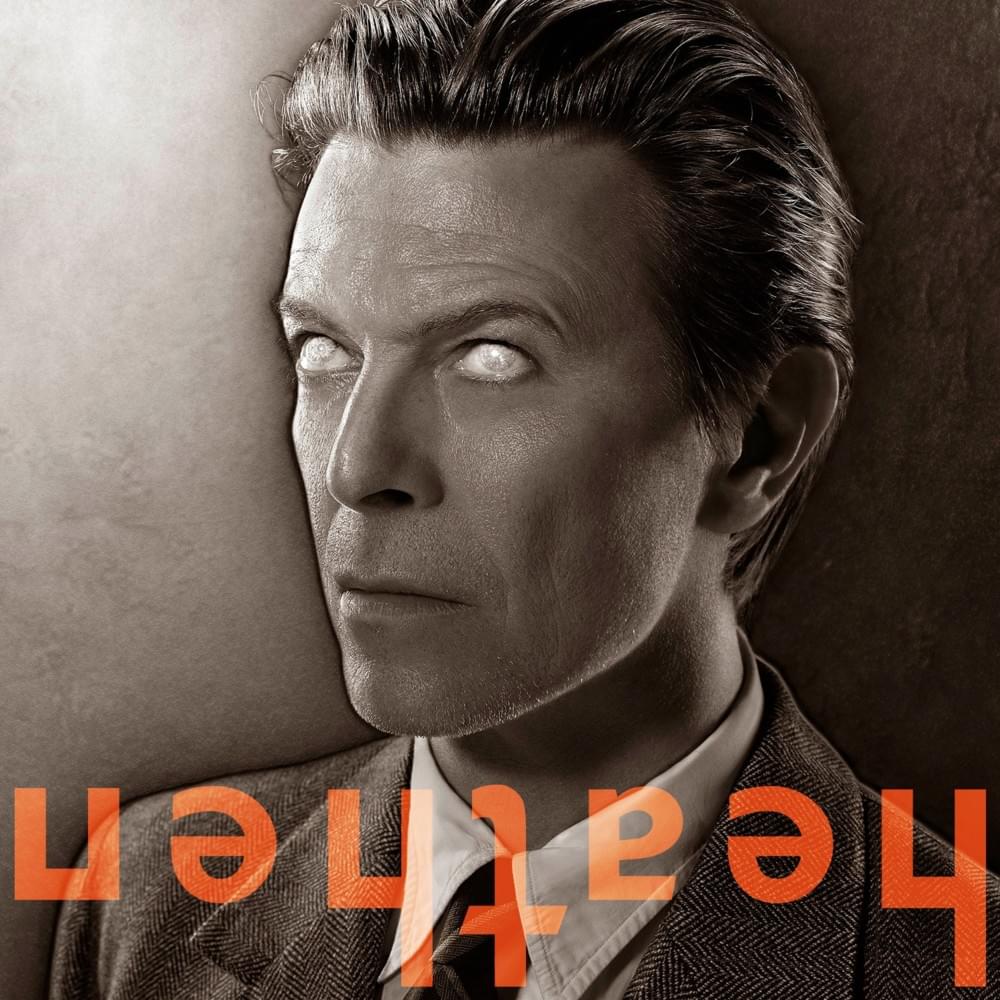
David Bowie reunites with Tony Visconti for his best album in years.
Following two decades that saw some of David Bowie’s worst albums (Tonight, Never Let Me Down, Black Tie White Noise), as well as some of his most experimental ones (Outside, Earthling), Heathen feels like Bowie returning to a more down-to-earth sound, while also reuniting with longtime producer, Tony Visconti.
In 2001, Bowie originally planned to surprise release Toy, an album of remakes of various songs that Bowie had originally released in the 1960s and early 70s. However, his label rejected the idea and the album was scrapped, which lead to the creation of Heathen, one of Bowie’s darkest albums yet. This is evident in the mysterious electronic opener, Sunday, in which Bowie states that “everything has changed, nothing has changed” — it’s one of his most impactful lyrics. There’s a cover of Pixies’ delightfully demented classic, Cactus, where Bowie cheekily swaps out the spelt out P-I-X-I-E-S bit for D-A-V-I-D and while it doesn’t surpass the original, it’s good to know that Bowie also appreciated the somewhat underrated track (at least when compared to other songs on Surfer Rosa). The entrancing Slip Away (which originally started life as the Toy track, Uncle Floyd) is another highlight, with its climactic sound and synthesizer passages.
Slow Burn sees a return of The Who’s Pete Townsend, who had previously guested on Bowie’s Scary Monsters era track, Because You’re Young — the guitar, sax and chorus make for one of the album’s standout tracks. Afraid (another track meant for Toy) is an anxious guitar-based cut. I’ve Been Waiting for You is a cover of a Neil Young song from his debut album and compared to Bowie’s cover of Cactus, it does give the track a nice update with its modern production. I Took a Trip on a Gemini Spaceship is the album’s third cover, this time of a little-known artist named The Legendary Stardust Cowboy, whom had inspired the name of Bowie’s Ziggy Stardust persona; the song sounds a bit like an Earthling track with it’s drum n bass sound and definitely feels otherwordly. Everyone Says ‘Hi’ is quite pleasant, sounding like an ‘hours…’ track.
Heathen doesn’t quite top anything from Bowie’s classic run of albums from 1970-1980, but it’s one of the albums that comes closest (along with the Brian Eno-reunion, Outside). Heathen is strong start to the new millennium, showing that Bowie isn’t willing to relinquish his artistry, even in old age.
8/10
The Flaming Lips – Yoshimi Battles the Pink Robots
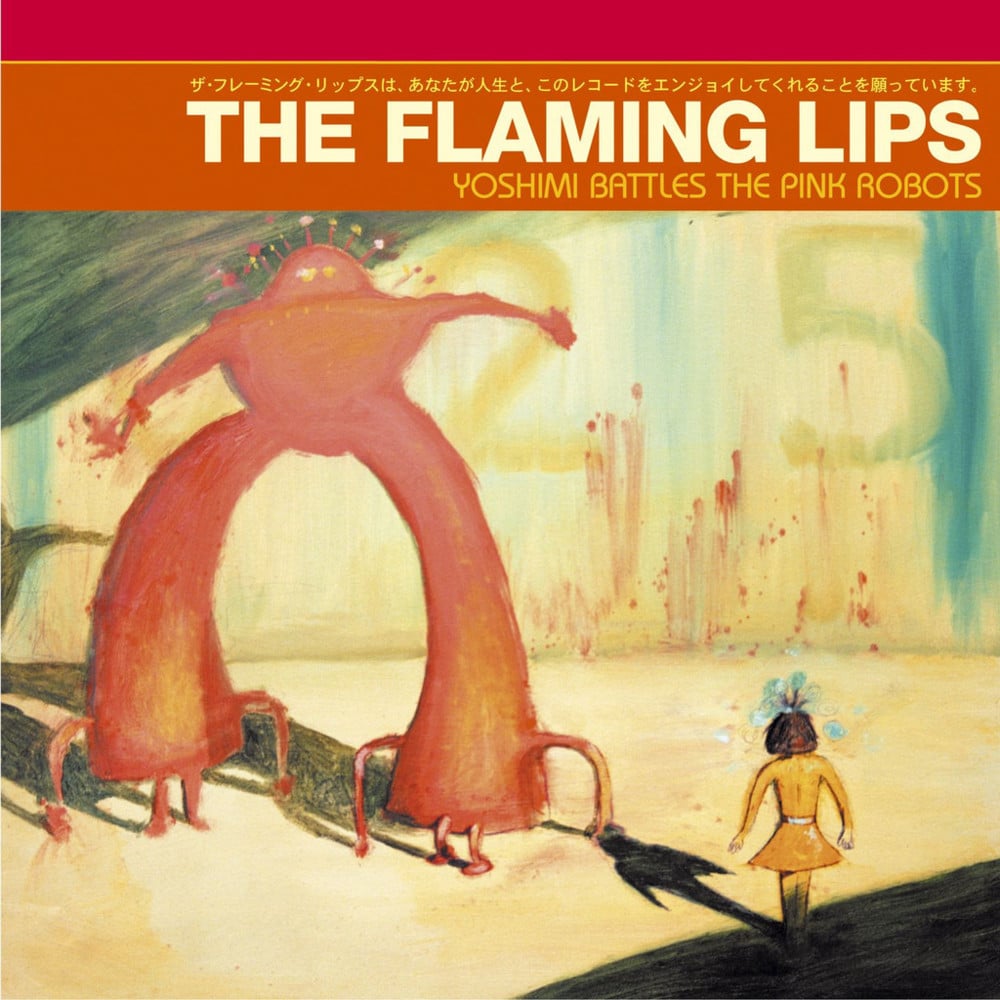
The Flaming Lips follow up their masterpiece with another one.
After releasing their magnum opus, The Soft Bulletin, The Flaming Lips were finally a force to be reckoned with within the alternative rock sphere. Where they were previously known for novelty tracks like She Don’t Like Jelly and less commercial psychedelic experiments (and the occasional great album, like Clouds Taste Metallic), everything finally lined up on The Soft Bulletin, an album that was simultaneously both their most pop-oriented and artistically successful album to date. And that’s what makes Yoshimi Battles The Pink Robots all the more impressive.
The Flaming Lips managed to catch lightning in a bottle twice, but without imitating the formula of its predecessor. Compared to The Soft Bulletin, Yoshimi has a more electronic and hip-hop influenced sound and as per usual, neo-psychedelia guru Dave Fridmann is back as producer.
Fight Test is an uplifting opener that Cat Stevens sued the band over, for its similar chord progression to his song Father and Son, with Stevens now receiving most of the royalties to the song. Are they similar? Perhaps. Did they deserve to be sued over it? Not really, but Cat Stevens — I mean, Yusuf Islam’s bank account was probably drying up (much like his cultural relevance). One More Robot/Sympathy 3000-21 has a moodier atmosphere and is carried along by its bass guitar, like wings on the wind. Yoshimi Battles the Pink Robots, Pt. 1 returns to the heavenly optimism of Fight Test, with Pt. 2 of the song being a more hip-hop influenced instrumental track. Do You Realize?? was the lead single to the album and juxtaposes the reality of death and the joy of life.
Yoshimi Battles the Pink Robots is a gorgeous psychedelic experience that has The Flaming Lips once again at the peak of their powers — it’s just as great of an album as its predecessor was and is a classic in the neo-psychedelia genre.
10/10
Foo Fighters – One By One

Dave Grohl returns to Foo Fighters after a brief stint in Queens of the Stone Age.
Following drummer Taylor Hawkin’s overdose and his subsequent recovery, Dave Grohl had put Foo Fighters on a short hiatus and joined Queens of the Stone Age as their drummer. After playing on their seminal record, Songs for the Deaf (released two months prior), Dave Grohl had returned to Foo Fighters, with Chris Shiflett being added to the line-up on lead guitar.
After scrapping the original album, the One By One that we know was recorded in just two weeks. The first four tracks of the album were all the singles, making for a really top heavy album. The raging All My Life (an ode to cunnilingus, as confirmed by Dave Grohl) and its simple but effective riff make for a classic opener. Times Like These and its optimistic sound are reminiscent of Learn to Fly. Have It All and Low, while not as memorable as the other two singles, are still competent bangers and some of the band’s heaviest songs to date.
As for the rest of the album, there’s Disenchanted Lullaby and its arpeggio verses, which makes for one of the more interesting album tracks. Tired of You has an appearance from Queen’s Brian May, though his talents seem wasted on the rather sleepy track. The stretch from Halo to Burn Away is quite boring, with the production doing the songs no favours. Fortunately, the ~8 minute Come Back is indeed a comeback, so at least the album doesn’t end on a low.
From the dull, over-compressed production and the generally uninspired songwriting to the lame artwork from Black Flag’s artist, Raymond Pettibon (seriously, what a waste of potential), One By One really does feel like it was made in two weeks, though it at least boasts two of the band’s best singles and and a heavy sound that makes it stand out from its predecessors.
Trivia: One By One won Best Rock Album at the 46th Annual Grammy Awards.
7/10
Trivia: the album cover was created by Ray Pettibone, known for designing Black Flag’s artwork.
Nirvana – Nirvana

Nirvana releases a career retrospective.
Released 8 years after Kurt Cobain’s death, Nirvana is a concise selection of the songs that made Nirvana arguably the biggest band of the 1990s and that made Kurt Cobain one of the most celebrated musicians of all time.
The compilation begins with one previously unreleased track, You Know You’re Right, which was recorded shortly before Kurt Cobain’s death and only performed live once in 1993. Unsurprisingly, it’s an excellent song and a final parting gift from the band. The rest of the album is in chronological order, with one track from Bleach (About a Girl), two from Incesticide (Been a Son, Sliver), four from Nevermind (Smells Like Teen Spirit, Come as You Are, In Bloom, Lithium), four from In Utero (Heart-Shaped Box, Pennyroyal Tea, Rape Me, Dumb) and two from MTV Unplugged in New York (All Apologies, their cover of David Bowie’s The Man Who Sold the World) — all these songs are essential listening for any rock music fan.
Nirvana is pretty much a perfect distillation of the band’s greatest moments, though I’d have included a few extra songs, like Blew, Drain You and Something in the Way (though the MTV Unplugged version of the latter is on the Japanese CD). If you need one convenient package to convince somebody that Kurt Cobain was one of the greatest songwriters of his generation, then they’re bound to find enlightenment with Nirvana.
10/10
Porcupine Tree – In Absentia
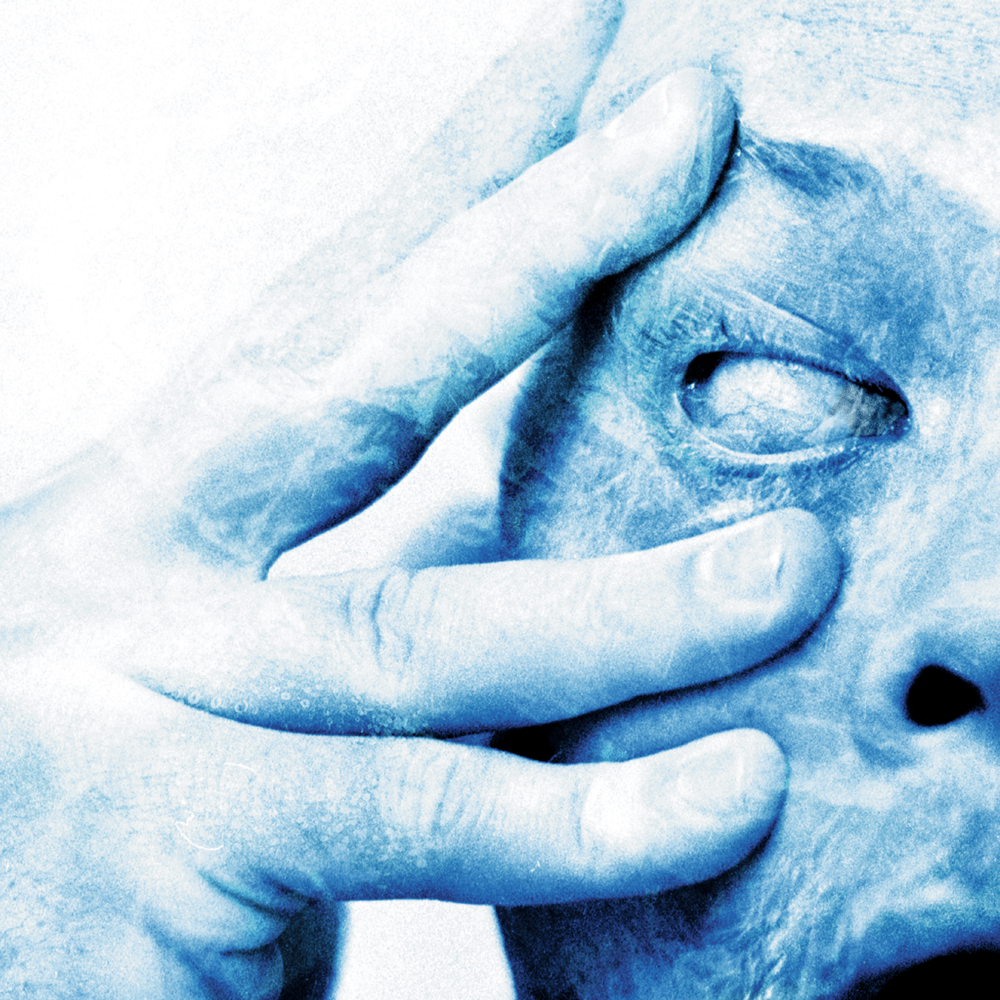
Porcupine Tree goes alt metal on their best album yet.
After working with Opeth as a producer on their seminal album Blackwater Park, that band’s heavy and metallic sound began to influence Steven Wilson. This brings us to In Absentia, Porcupine Tree’s boldest leap in evolution yet. The addition of drummer Gavin Harrison was also crucial in the hard-hitting sound of this record, with him replacing Chris Maitland.
Where previous albums like The Sky Moves Sideways and Signify were indebted to space rock and psychedelia, or an alt rock and britpop sound like what inhabited Stupid Dream and Lightbulb Sun, In Absentia dives head-first into alternative metal territory, making for Porcupine Tree’s most intense album yet and something that can rival a band like TOOL, but despite these new influences, In Absentia is still very much a Porcupine Tree album.
Opener Blackest Eyes introduces the listener to this new iteration of Porcupine Tree, with a crunchy riff and disturbing lyrics sung from the perspective of a serial killer. Trains is a moving ballad, evoking imagery from Wilson’s fascination with the titular locomotives. The Sound of Muzak is a criticism of the brainless, formulaic pop music that fills shopping malls and radio stations, doubling as an expression of disillusion, as Porcupine Tree had released a string of several critically-acclaimed albums, which were followed by little commercial success. Richard Barbieri’s atmospheric synthesizers elevate the first half of Gravity Eyelids, before giving way to a crushingly-heavy second half. New drummer Gavin Harrison gets to show off throughout the chaotic track, The Creator Has a Mastertape. Heartattack in a Lay By is a devastating ballad filled with Wilson’s ghostly vocal harmonies. Strip the Soul is guided by Colin Edwin’s bass riff.
While Porcupine Tree were nearing greatness with their past few albums, In Absentia was the album where all the pieces came perfectly together and is without a doubt their first true masterpiece.
10/10
Queens of the Stone Age – Songs for the Deaf
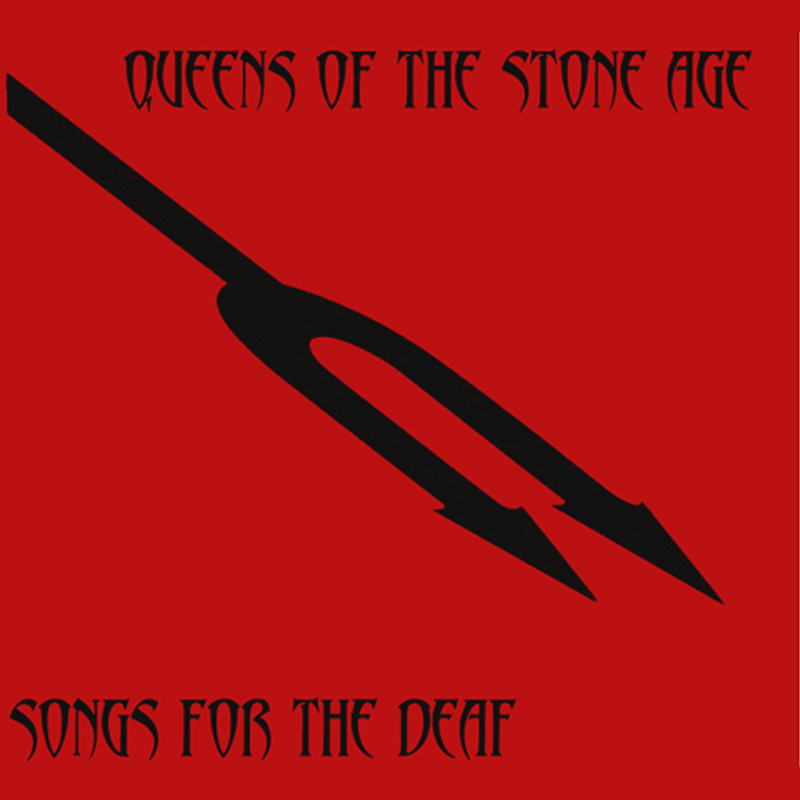
Josh Homme returns to the desert with help from Dave Grohl and previous collaborators, Nick Oliveri and Mark Lanegan.
Touching on the desert rock sounds of Josh Homme and Nick Oliveri’s previous band Kyuss, Songs for the Deaf is a concept album that’s supposed to sound like a drive through the California desert, while flipping through radio stations and commercials.
You Think I Ain’t Worth a Dollar But I Feel Like a Millionaire starts as if you’re just entering your car and inserting the key into the ignition, when you’re inevitably confronted by Nick Oliveri’s screaming vocals over fuzzed-out guitars. Lead single No One Knows is one of Queens of the Stone Age’s most recognizable songs, with a guitar rhythm based on polka of all things (a major influence on Josh Homme’s guitar style). The driving and dramatic Go With the Flow was another single and one of their most iconic songs. First It Giveth was the final single and incorporates some mariachi-style acoustic guitars. Do It Again probably could have been another single, though three was plenty. Dave Grohl pays homage to Black Flag by lifting the drum intro from their 1984 song Slip It In for the intro to A Song for the Dead, which features a Mark Lanegan vocal. Mark Lanegan also sings on the bangin’ Hangin’ Tree and the mesmerizing God Is in the Radio.
Josh Homme’s heavenly baritone paints the skies throughout the dreamy The Sky is Falling. The madness of Nick Oliveri returns on the deranged hardcore punk of Six Shooter, though he swaps out the chaos with something more restrained on Gonna Leave You and the carnivalesque Another Love Song. The doom-laden A Song for the Deaf acts as a climax for the album with a reprise of Feel Good Hit of the Summer playing after some silence, though the vocals are swapped out for laughs. Mosquito Song is a “hidden track” and provides an epilogue with acoustic guitars, accordion and piano — it’s one of the best songs QOTSA has ever recorded.
Songs for the Deaf is a watershed moment in 2000s rock music and one of the greatest albums of the decade, with a cohesive sound, a consistent and well-executed concept and enough variety in its tracklist to never lose your attention. If only the radio was actually this good.
10/10
U2 – The Best of 1990-2000

U2 releases their second greatest hits package, focusing on their second decade as a band.
Following 1998’s The Best of 1980-1990, U2’s second greatest hits album chronicles most of the singles from their reinvented 90s era, as well as some soundtrack songs and one new track.
1991’s Achtung Baby, which saw U2 ditch the earnest Americana of their late 80s work for self-ironic alternative dance rock, is represented by Even Better Than the Real Thing, Mysterious Ways, One, Until the End of the World and The Fly (UK and Japanese releases only); all of these tracks are essential, with One being one of the most emotionally-gripping singles of the entire decade. Zooropa features its three singles, Stay (Faraway, So Close!), The Edge-sung Numb and The First Time, and while they aren’t quite on par with the songs from Achtung Baby, they are still excellent songs from a fairly underrated album. The three tracks from the more polarizing Pop are in remixed form, and while I don’t really care for Gone or Starting at the Sun, Discothèque is admittedly quite groovy.
The Batman Forever soundtrack song Hold Me, Thrill Me, Kiss Me, Kill Me is here and was one of the few good things to come out of that film. The Hands That Built America is another soundtrack song, this time from Martin Scorsese’s period piece, Gangs of New York. There’s also Miss Sarajevo from a Brian Eno/U2 collaboration project, a new track called Electrical Storm and two songs from their most recent album and reunion with Brian Eno and Daniel Lanois, All That You Can’t Leave Behind (the mega-hit Beautiful Day and Stuck in a Moment You Can’t Get Out Of).
While I would recommend anyone with good taste to listen to Achtung Baby in full (one of the best albums of the 1990s), The Best of 1990-2000 still has all the necessary hits to convince somebody that U2 didn’t fall off in their second decade
8/10
FIN
Brett Nippard

Leave a comment