Table of Contents:
- Black Country, New Road – For the First Time
- black midi – Cavalcade
- David Bowie – Toy
- Foo Fighters – Medicine at Midnight
- Hayley Williams – FLOWERS for VASES / descansos
- Geese – Projector
- Iron Maiden – Senjutsu
- JPEGMAFIA – LP!
- Kanye West – Donda
- The Killers – Pressure Machine
- Nick Cave & the Bad Seeds – B-Sides & Rarities Part II
- Nick Cave & Warren Ellis – Carnage
- Royal Blood – Typhoons
- St. Vincent – Daddy’s Home
- Steven Wilson – THE FUTURE BITES
- Weezer – OK Human
- Weezer – Van Weezer
Black Country, New Road – For the First Time

Ladies and gentleman, for the first time… Black Country, New Road.
Though the album cover may not suggest it, this album is actually quite dark and unsettling, infused with a blend of post-punk, post-rock, math rock, jazz and neurotic vocals.
The suitably-titled Instrumental begins the album with a chaotic, jazzy exhibition; like a marching band playing to the apocalypse. Athens, France begins with a nervous, angular guitar riff and concludes with smooth, soulful playing. Science Fair is driven by an anxiety, like a fear that something is about to explode in your face. Sunglasses is the albums longest track, slowly building up to its climax. Track X is the album’s most gentle piece, with backing vocals from bassist Tyler Hyde — her sweet, feminine vocals contrasting nicely against Isaac Woods’. Opus is a fitting ending to the album, and makes you want to restart and re-listen front to back.
BCNR’s expert musicianship is notable across the entire album, with the entire septet daring to take the listener to interesting places and in unexpected directions. This album could easily be called pretentious, but it isn’t — it’s just really incredible and memorable stuff.
For the First Time is one of the best and most distinctive debuts of the decade.
10/10
black midi – Cavalcade

black midi progresses their style.
On black midi’s sophomore album, the prog group expands upon the sonic palette set by their 2019 debut, Schlagenheim, with something even jazzier.
The album starts off with the chaotic John L (L as in 50), which musically sounds like a descendent of King Crimson’s 1974 track The Great Deceiver. Marlene Dietrich has the band slow things down, with some sensual jazz and lyrics about the titular actress/singer. Chondromalacia Patella and Slow are two tracks straight out of the Frank Zappa playbook and I like to think that they would have made the notoriously critical and dismissive musician proud. Hogwash and Balderdash is another track of absolute madness, followed by the calmer acoustic guitars of Ascending Forth.
Cavalcade is a fantastic follow-up to black midi’s debut, adding even more ingredients to a recipe that was already strong to begin with.
9/10
David Bowie – Toy
David Bowie’s legendary lost album finally sees the light of day.
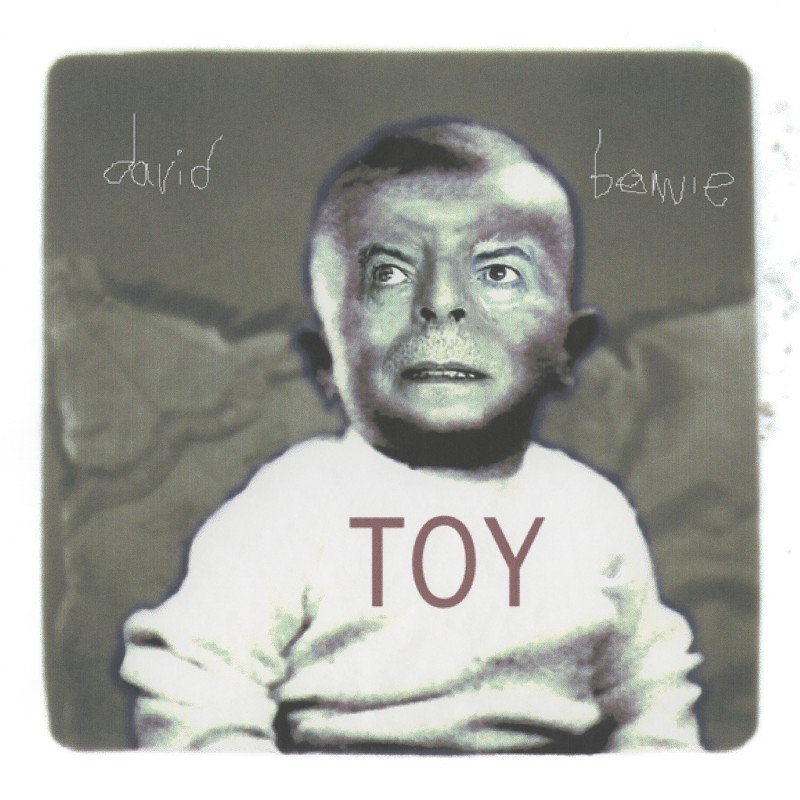
Originally set to surprise release in 2001, Toy, an album comprising of remakes of various older Bowie songs from the mid 1960s to the early 1970s, was shelved by Bowie’s label, who were unable to accommodate such a fast-paced and unconventional release (oh, how ahead of the times Bowie was). Frustrated with the red tape of record labels, Bowie scrapped the project for Heathen, with a few songs eventually releasing over a decade later on the Nothing Has Changed compilation (Shadow Man, Let Me Sleep Beside You and Your Turn to Drive). 20 years after it’s intended releases, Toy is finally here, though the album art is the thing of nightmares (and was apparently designed by the man himself).
I Dig Everything is a bright-eyed rocker, seen through the eyes of a naïve hippie, with songs like You’ve Got a Habit of Leaving, The London Boys, Karma Man and Silly Boy Blue all feeling like something written by a stoned-out flower child. Conversation Piece is a remake of the b-side to the single version of The Prettiest Star, though I quite like the original. Shadow Man was originally written during the Ziggy Stardust sessions, though you’d be hard-pressed to guess that without the prior knowledge.
David Bowie’s pre-Space Oddity music is often excluded from his canon (and usually for good reason), so it made sense for him to want to give these forgotten songs a new life and Toy mostly does them justice. These songs still fail to capture the brilliance of his classic body of work, though they provide improved production to what Bowie was capable of in the 1960s, as well as a snapshot in time of a musician who was still finding his voice and figuring out what kind of artist he was going to be. Was it worth 20 years of waiting? Not really, but it’s still an interesting project that Bowie once seemed quite passionate about.
7/10
Foo Fighters – Medicine at Midnight
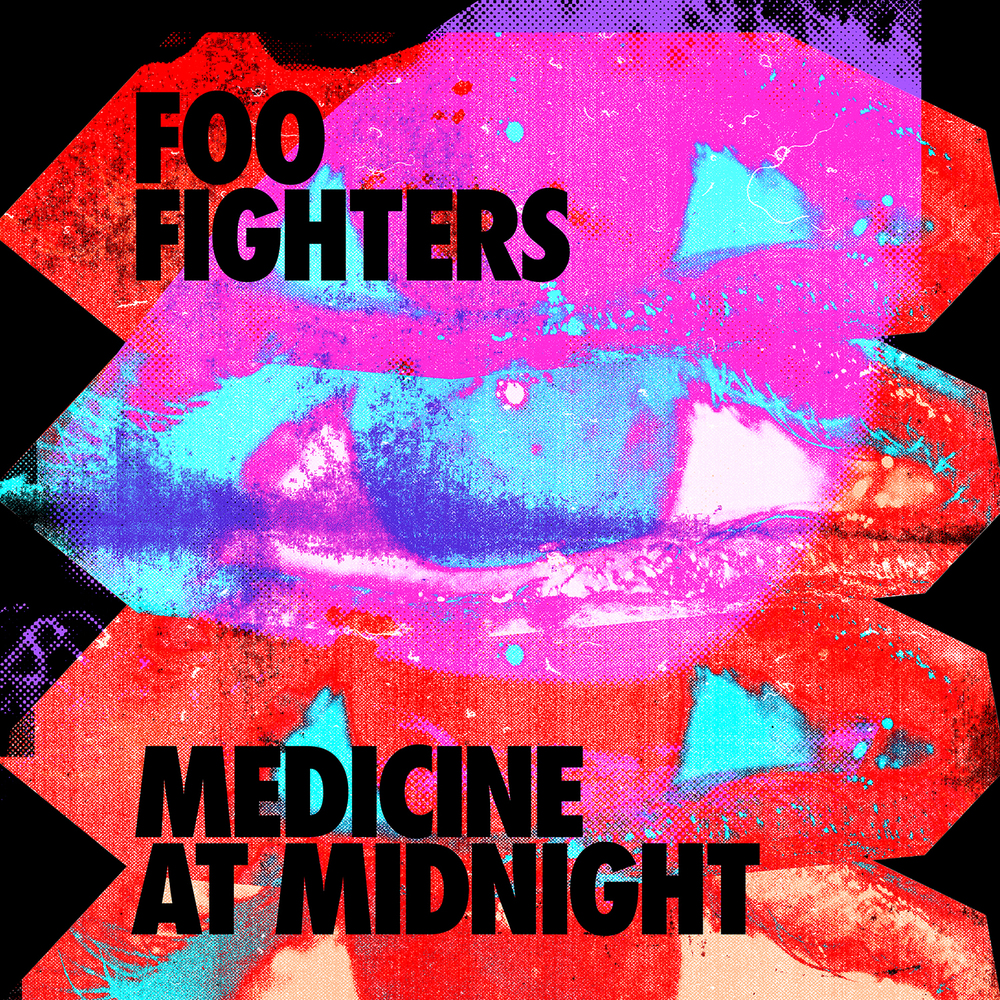
Foo Fighters stumble on the dancefloor.
After the releases of Sonic Highways and Concrete and Gold, Foo Fighters were due for a comeback. Those last two albums weren’t bad, but they were far from the heights of their last great album, Wasting Light, which was already a decade old by 2021 and Dave Grohl & company were in danger of being past their prime.
In the recent Foo Fighters film, Studio 666 (which is actually quite underrated), the band is trying to find inspiration for album number ten, which leads to them writing and recording in a haunted house, where Dave Grohl eventually becomes possessed and starts killing his bandmates. You’d think that this premise would lead to one of the band’s most aggressive or experimental albums, but instead, we got a milquetoast dance rock album that has as much intensity as a bowl of corn flakes.
Making a Fire features Dave Grohl’s daughter Violet and is as likely to start a fire as a bucket of water is — this is by far the worst Foos opener yet. Cloudspotter is a funky rocker that feels more like a midlife crisis than something you’d want to boogie to. Waiting on a War is a schmaltzy, overproduced ballad. Shame Shame and No Son Of Mine are two of the better songs here, but still light years away from any of the band’s best songs.
Medicine at Midnight is Foo Fighters’ worst album yet and a forgettable attempt at doing something new. It feels like Dave Grohl has absolutely nothing to say other than “let’s whip up an album as an excuse to tour” — he has it all and when life is too perfect, there’s not much to inspire one’s art. After the premise set up by Studio 666, this was an even greater disappointment than I could have foreseen.
5/10
Trivia: Medicine at Midnight won Best Rock Album at the 64th Annual Grammy Awards.
Hayley Williams – FLOWERS for VASES / descansos
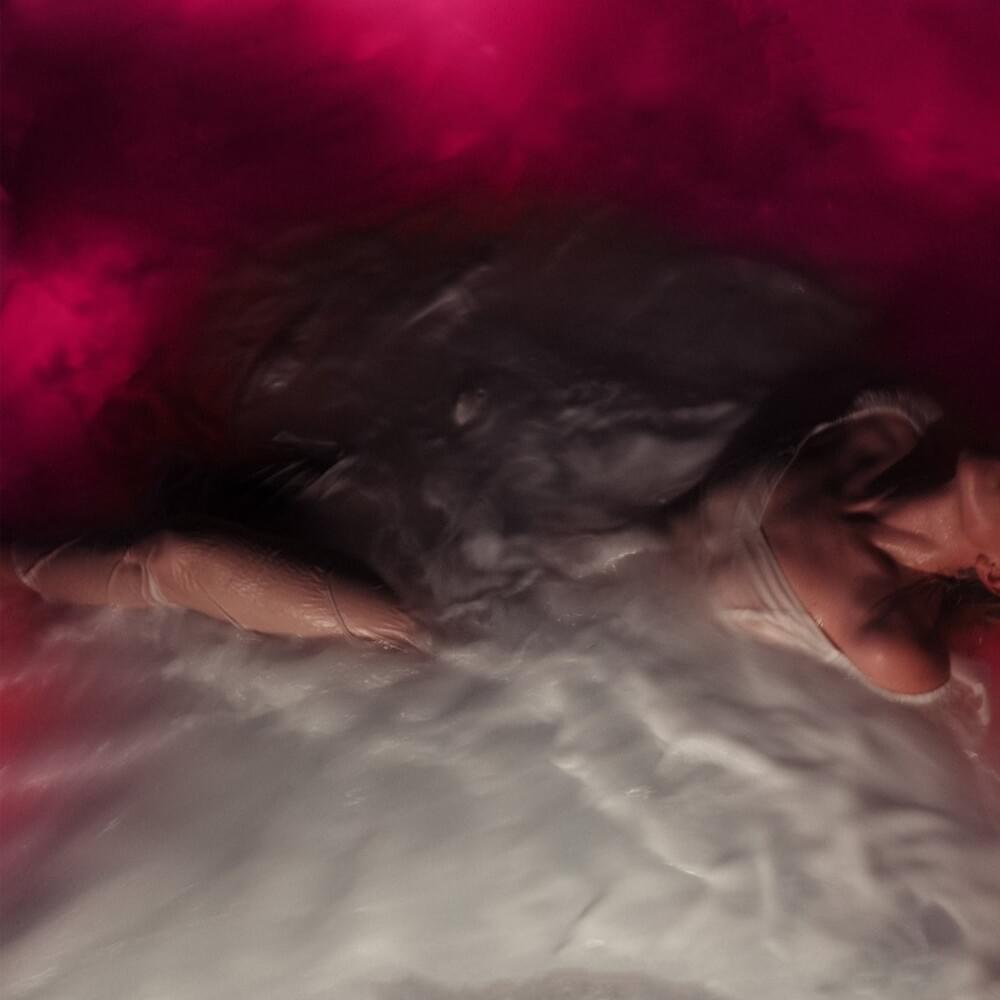
Hayley Williams plays every instrument on this stripped-back folk album.
Recorded at home during COVID lockdown,
FLOWERS for VASES / descansos is a solo album in the truest sense — Hayley Williams wrote every song and plays every instrument here; this also makes for her prettiest, folkiest work yet, with very stripped back, intimate instrumentation and perhaps her most personal lyrics she’s ever penned.
FLOWERS for VASES / descansos may not be quite as exciting or fun as Hayley William’s debut Petals for Armor, but this is still a fantastic work from her all the same, showcasing how talented she is and how much she can do with sparse arrangements.
7/10
Geese – Projector
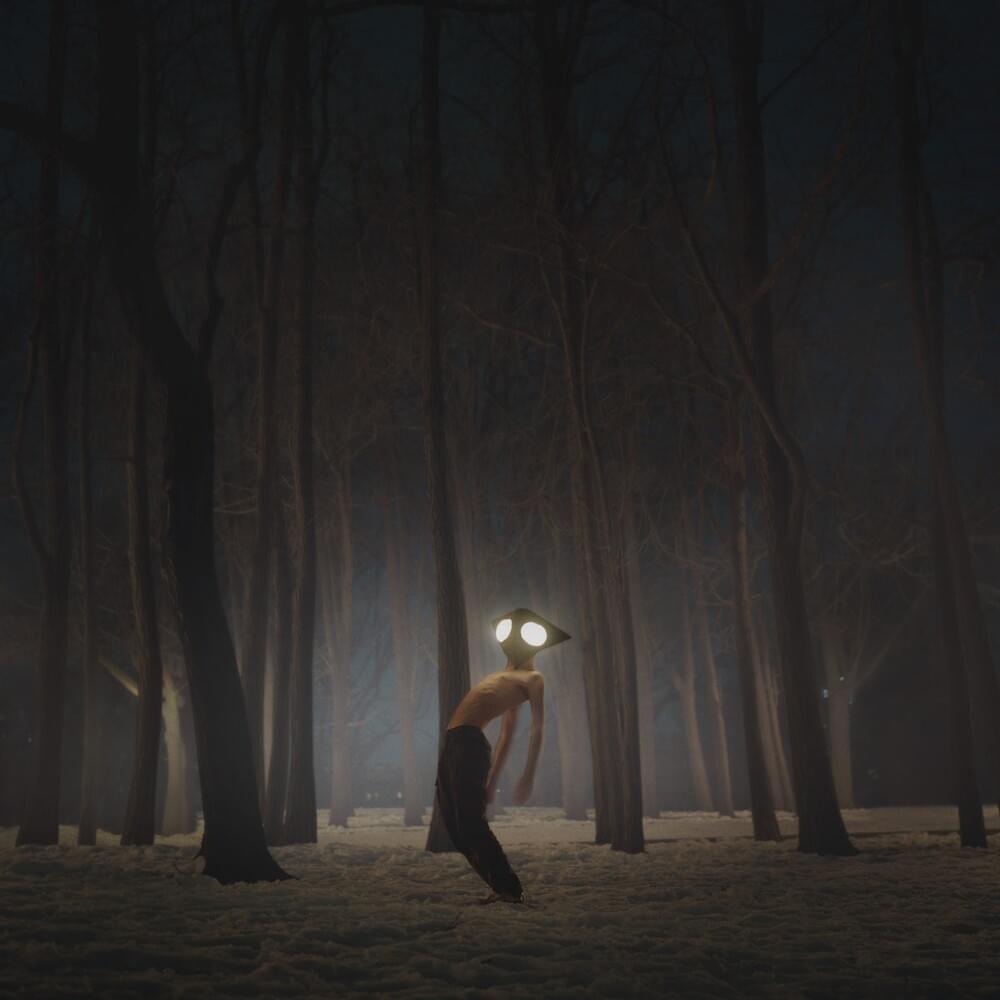
A new generation of NYC post-punk.
Following 2018’s A Beautiful Memory, which has basically been scrubbed from existence (the band member’s were around 16 at the time of its release and obviously don’t look back on it fondly), Projector finds the young Brooklyn-based rock band making Gen Z post-punk music and it’s actually quite good, even if they might wear their influences on their sleeves and feel fairly derivative.
Rain Dance is a high energy opener that brings the post-punk energy of fellow New York City bands like The Strokes, Television and Interpol. Low Era sees the band go a dance rock route à la LCD Soundsystem (yet another NYC stalwart). Songs like Fantasies / Survival, Disco and the title track are all excellent post-punk tracks, displaying the band’s penchant for Television-like guitar interplay. Bottle sounds a little Pixiesque.
Projector may adhere closely to its NYC post-punk roots, but Geese still adds their own unique elements wherever they can to this formula and they have impressive chemistry, with Cameron Winter’s voice being quite malleable and his lyricism being relatable to many. This group of friends was barely in their 20s when this dropped and though it’s no Is This It, Turn on the Bright Lights or Marquee Moon, it’s still an impressive album and shows that rock n roll still has a place in the 2020s.
7/10
Iron Maiden – Senjutsu
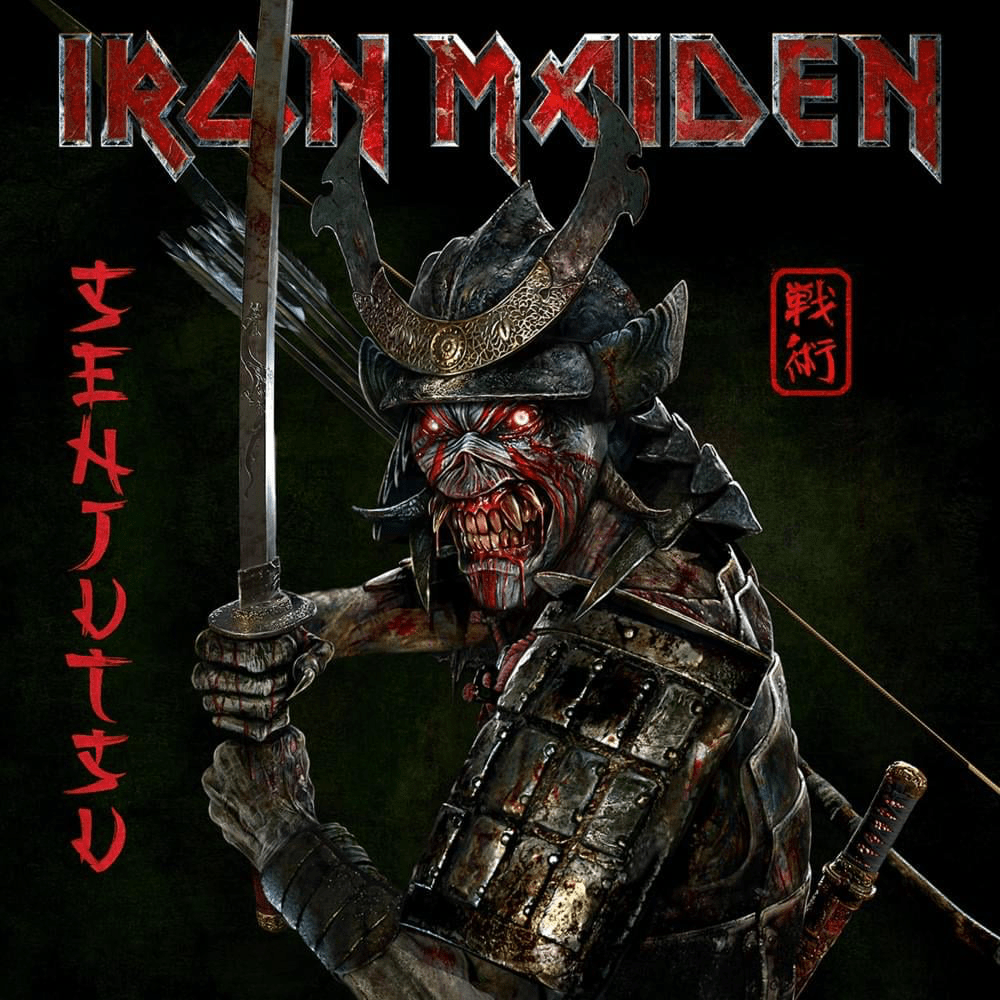
Iron Maiden continues to make reliable metal late into their career.
Iron Maiden is one of those classic metal bands that still releases strong music in their older years, even if it’s not quite as exciting as it once was. Other than a few missteps in the 1990s, they haven’t really released anything bad, with their rekindled relationship with vocalist Bruce Dickinson having yielded very positive results.
The singles, The Writing on the Wall and Stratego, proved that the band still has their mojo. The band also continues with making 10+ minute long compositions (Death of the Celts, The Parchment, Hell on Earth), which have been mainstays since the 2010s and gives their newer material something distinct from their past works (outside of the odd classic epic, like Rime of the Ancient Mariner or Seventh Son of a Seventh Son).
Senjutsu is another solid Iron Maiden album from the NWOBHM legends and though it might not be as exciting as their best works, it’s still an impressive record for an ageing band nonetheless.
7.5/10
JPEGMAFIA – LP!
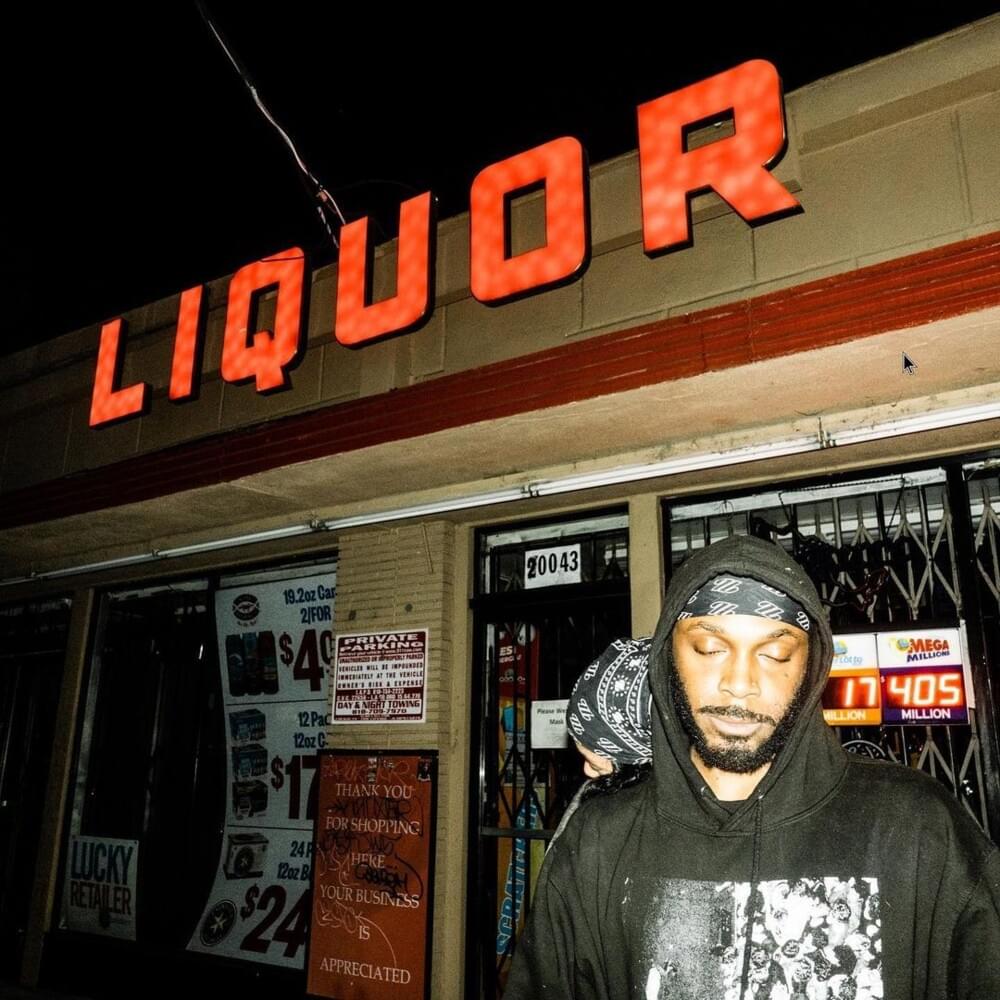
MASTERPIECE!
After building a reputation as one of the most unique, ambitious and inventive rapper/producers of the late 2010s, JPEGMAFIA’s LP! is the culmination of his restless creativity and determination to be the next generation’s Kanye.
LP! was released in two different versions: an ‘offline version’ and an ‘online version’, and other than losing BALD!, the BALD! remix (with Denzel Curry) and CUTIE PIE! (which were already available on EP!), the ‘offline version’ of the album is vastly superior and more cohesive, adding HAZARD DUTY PAY!, DIKEMBE!, GOD DON’T LIKE UGLY, 💯 and UNTITLED, along with other subtle changes (song lengths, titles, samples, etc).
TRUST! and its cascade of synths make for an opener every bit as instant as Veteran‘s 1539 N. Calvert was; DIRTY! and NEMO! also make use of colourful synthesized backdrops for Peggy’s rapping. END CREDITS! is a powerhouse of rap metal, doing plenty in it’s < 2 minute runtime. HAZARD DUTY PAY! and GOD DON’T LIKE UGLY! implement more soulful samples in their instrumentals. WHAT KINDA RAPPIN’ IS THIS? has that 1990s R&B vibe that Peggy seems to love, which is also evident on THOTS PRAYER!, which interpolates Britney Spears’ 1999 hit …Baby One More Time.
💯 and NICE! both have no vocals from Peggy, effectively acting more like interludes than anything, but they are no less interesting from it. OG! is one of the more percussion-based, old school sounding hip-hop tracks. 🔥 is another song with a synthesizer instrumental, providing those tasteful icy synths, similar to the ones found throughout Tame Impala’s crossover hit, Currents. BMT samples Björk’s Earth Intruders. THE GHOST OF RANKING DREAD! starts like a slow jam, before transforming into something much harder hitting in the latter half. Songs like R U HAPPY?, REBOUND and UNTITLED have the type of beats and production that made an album like Veteran so memorable, except Peggy’s production is even better three years later.
LP! is one of the best and most inventive and idiosyncratic rap albums of the 2020s so far, with experimental production that never fails to intrigue.
10/10
Kanye West – Donda

Kanye West releases a 2 hour-long, nonsecular, gospel rap opus dedicated to his mother.
After 2019’s disappointing (but over-hated) JESUS IS KING, which disappointed many fans for replacing/rewriting the beloved leaked version of Yandhi and for its focus on religious themes (while abstaining from cursing), came a grand slam of an album, as opposed to JIK’s relative bunt. Following up a 27 minute long album with a hour-and-a-half-long album (2+ hours for the deluxe edition, which may as well be the definitive version, despite its inferior sequencing) seemed quite generous, but how much of it would be filler? Unsurprisingly, not much of it.
Donda (named after Kanye’s late mother — his guiding light) is an album full of spirituality and love, and although some songs may not fit the overall context/theme of the album, the album still mostly achieves its goal as an homage to his mother (including voice recordings of her) and I’m sure it would have made her proud as a mother.
This album is home to some of Kanye’s best songs, and despite the hate that the press gave the album (which seemed more targeted at Kanye West, his views and his collaborators, than the music itself), this album is actually another crown jewel in Kanye’s musical canon — in fact, one can argue that it’s his magnum opus.
Jail opens the album with a lonesome guitar riff, verses from Kanye and a post-retirement JAY-Z and a tasteful In the Air Tonight-like drum fill only appearing at the very end of the song. God Breathed sounds like the 808s track Say You Will put through a Yeezus filter, with an extended droning outro. Off the Grid is a wildly successful take on drill. Praise God starts with a sample of Donda talking, where she imposes the wisdom of “even if you are not ready for the day, it cannot always be night”. Hurricane sees The Weeknd returning after a feature on the 2016 Life Of Pablo track, FML and is a track that should shut up those who claim that Kanye is past his prime. Believe What I Say samples Kanye’s hero Lauren Hill.
Come to Life is perhaps the most touching song in the entire Kanye oeuvre, with songs like Moon, No Child Left Behind and the gospel-led 24 all providing additional doses of emotion and faith. Jesus Lord is a soulful epic, which samples a recording of Larry Hoover Jr., pleading for his father (an ex Chicago crime boss) to be released from prison. There’s also Ok Ok (a shot at derivative new age rappers), the born again antics of New Again and tracks like, Pure Souls, Remote Control, Heaven and Hell, Lord I Need You and Keep My Spirit Alive… Donda is an absolute beast of an album with no shortage of gems.
The deluxe edition of the album includes the gorgeous JESUS IS KING holdover, Up From the Ashes, as well as the André 3000 featuring Life of the Party, with one of the best verses about mothers and a welcome return to rapping after years of radio silence — it is one of Kanye’s greatest songs ever and one that any detractor would struggle to dislike.
The biggest criticisms of Donda seem to be about the bloated tracklist and the addition of Pt. 2 versions of songs, but Kanye has always been good at maintaining a pulse throughout lengthy projects, like on The College Dropout, Late Registration and The Life of Pablo, and the alternate versions of these songs tend to feature different artists, so it’s somewhat understandable why they weren’t cut. The interlude-like Tell the Vision is extremely misplaced, but perhaps it was more of a tribute to the late Pop Smoke than anything. No matter how you look at it though, there are still at least 25 enjoyable songs on this album, and for a project this long, it’s quite incredible that the album doesn’t really overstay its welcome. Had those aforementioned songs been removed, it could have ended up marginally better, but the inclusion of said songs can be seen as part of its charm, thus why I am not detracting points here.
This album is sitting at a 53/100 on Metacritic, which is an absolute joke and is further proof that many modern music journalists have their judgements clouded when it comes to separating the art from the artist. If this is a 5/10, then I’m the fucking president of the United States.
10/10
The Killers – Pressure Machine
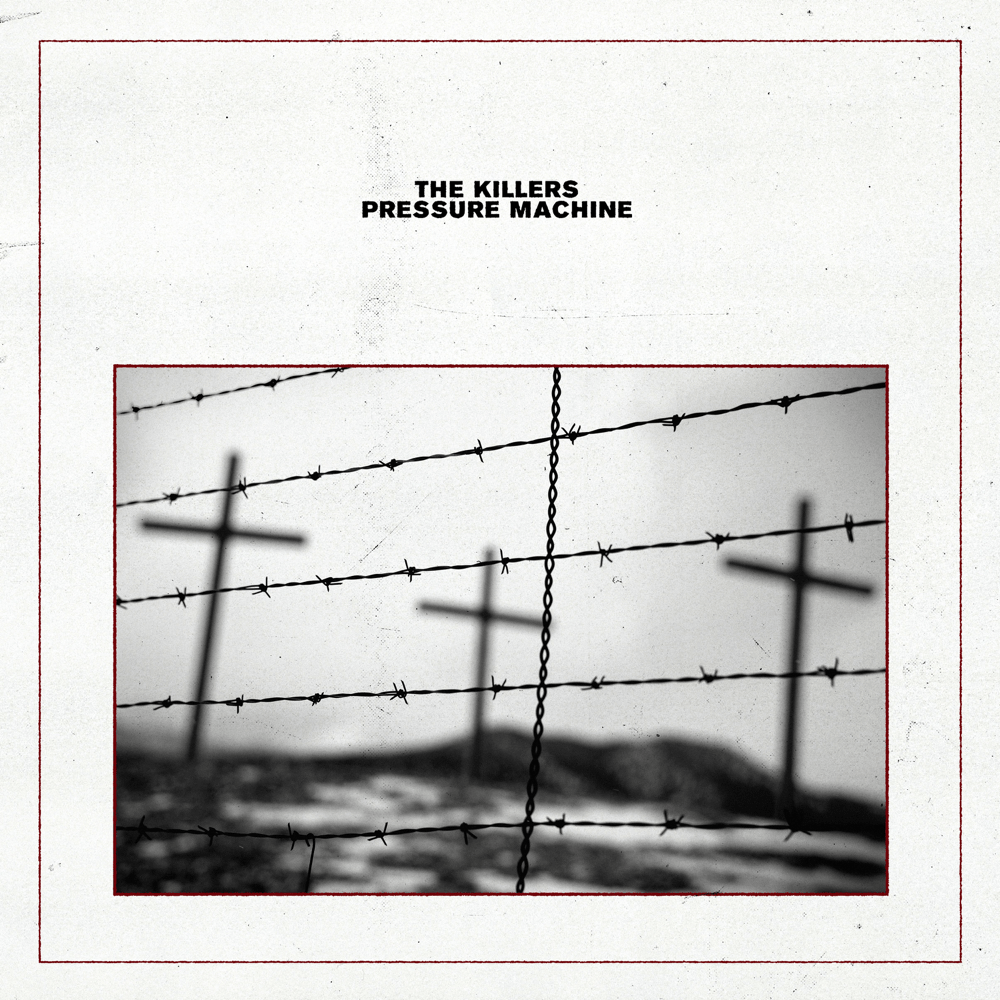
The Killers make a concept album about rural Utah life and the opioid crisis, crafting their most artistic album yet in the process.
In the mid naughts, songs like Somebody Told Me, Mr. Brightside and When You Were Young were inescapable. The Killers were massive and were the next big thing in alt rock, with crossover success into pop, but then came Day & Age, which was a huge step down in quality, verging too far into schmaltzy pop territory. It took four years for a follow-up, Battle Born, which was a Springsteen-worn-too-much-on-the-sleeve snooze-fest. When Wonderful Wonderful came out in 2017, it didn’t really win anyone over either, despite containing some of the best songs they’ve put out since Sam’s Town (The Man, Wonderful Wonderful, Tyson vs. Douglas, Run for Cover), though the other half of that album was typical of post-2007 era Killers, where it seemed like Brandon Flowers was trying to appeal to teenage girls with sappy ballads more than anything. Three years later, Imploding the Mirage came out. and though critics weren’t enamoured with that album, it felt like they were on the righ track, with solid tracks, like My Own Soul’s Warning, Caution and Dying Breed. Not even a year later, they already announced a new album, Pressure Machine.
Pressure Machine was the most consistent, artistic, well-produced and most passionate project that Brandon Flowers had ever written. Made with analogue recording equipment, there’s a warmth and authenticity to this album, and although it may mirror Brandon Flowers’ hero Bruce Springsteen on Nebraska in its execution, it’s very much a different vibe than that album. It also incorporates full arrangements, and is not just acoustic guitars, although it utilizes them more than ever within the band’s repertoire.
Most songs on the album begin with spoken word introductions from various small town folks, talking about things ranging from the impacts on society of opioid addictions, going hunting and people getting run over on train tracks. It adds a conceptual narrative through the album, and shows how Flowers wasn’t going for accessibility, and wasn’t afraid to detail serious topics.
West Hills sees Brandon Flowers sing his heart out, resulting in a crescendo that displays the sort of passion that was poured into this album. The title track is an ode to Flowers’ youth. In the Car Outside is one of the greatest Killers songs yet, making use of some incredibly tasteful synths over top of electric drums —in fact, that’s one of my favourite things about this record; it’s primarily a heartland rock album, but they still find a few places to add electronic elements, without making it seem jarring or inappropriate.
This album won me over as a fan beyond the first two records, and has made The Killers a band that I look forward to hearing more new music from. Bravo, Brandon Flowers.
9/10
Nick Cave & the Bad Seeds – B-Sides & Rarities Part II
Nick Cave & the Bad Seeds release a treasure trove of later era non-album tracks in this second volume of b-sides and rarities.
The follow-up to 2005’s B-Sides & Rarities Part I, this collection focuses on recordings made between 2006-2019, ranging in sound from the straightforward rock of Dig!!! Lazarus Dig!!! to the ambient, electronic tones of Push the Sky Away, Skeleton Tree and Ghosteen.
Needle Boy, Lightning Bolts and Animal X are some of the band’s earlier examples of electronics, preceding their mid to late 2010s works and are all very interesting. Free to Walk features Debbie Harry of Blondie. Opium Eyes would have fit nicely on Push the Sky Away. A few early versions of songs from Skeleton Tree and Ghosteen appear and give insight into the progress and changes that the songs went through.
A rather fascinating collection of b-sides and curios that showcases how dynamic and ever-evolving The Bad Seeds truly are.
8/10
Nick Cave & Warren Ellis – Carnage

Nick Cave & Warren Ellis make an album without the other Bad Seeds.
Recorded by Nick Cave and Warren Ellis during COVID lockdown, Carnage may not be a Bad Seeds album, but it still has lots in common with the few albums that preceded it, where ambience and texture are key.
Hand of God lets listeners know that this album won’t be far removed from the past few Bad Seeds albums. The title track sounds melancholic, but hopeful. White Elephant is quite the scorcher of a song, and is absolutely incendiary as the song progresses along. Old Time sounds a bit Radiohead-esque.
Although it’s not a Bad Seeds album, songs like Carnage and White Elephant have made their way into the band’s setlist and have become some of Nick Cave’s best songs of his late career.
8/10
Royal Blood – Typhoons
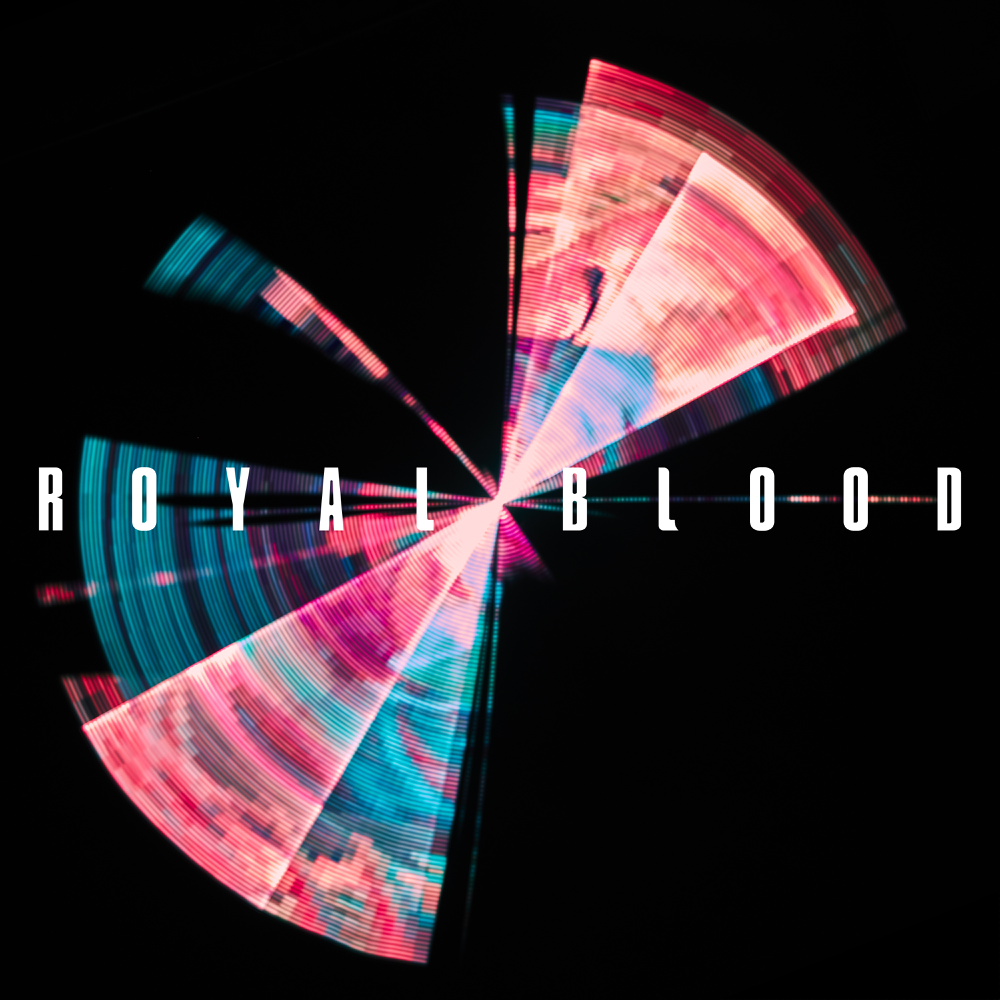
The drum + bass rock duo put on their dancing shoes.
Following their sophomore album, How Did We Get So Dark, which did little to distinguish itself from their debut, Royal Blood shake things up a bit with Typhoons, going into a dance rock direction.
I saw Royal Blood open up for Queens of the Stone Age on their Villains tour in 2018 and the album in which it was supporting was produced by Mark Ronson and took the band in a dancier direction, so it seems as though that influence had rubbed off on Royal Blood, allowing them to tweak their formula for their next record.
Trouble’s Coming goes head-to-head as the duo’s signature song with their breakout hit, Out of the Black, displaying a successful injection of dance elements into their drum and bass rock sound. Tracks like Oblivion, Limbo and the title track all do this dance sound justice too. Josh Homme (of the aforementioned Queens of the Stone Age) produces Boilermaker, which has a notably different production style from the other tracks, but still fits the overall theme, as well as the bonus tracks, Space and King. The closing song, All We Have Is Now is just piano and vocals and feels quite misplaced, though I’m not opposed to ending the album the way they did.
I think I enjoy this album more than a lot of other people did, though it’s still no classic. I find the drum and bass combo limited in scope, but this is still some decent meat and potatoes modern rock. It is more interesting than its predecessor and more of a success than a failure.
7.5/10
St. Vincent – Daddy’s Home
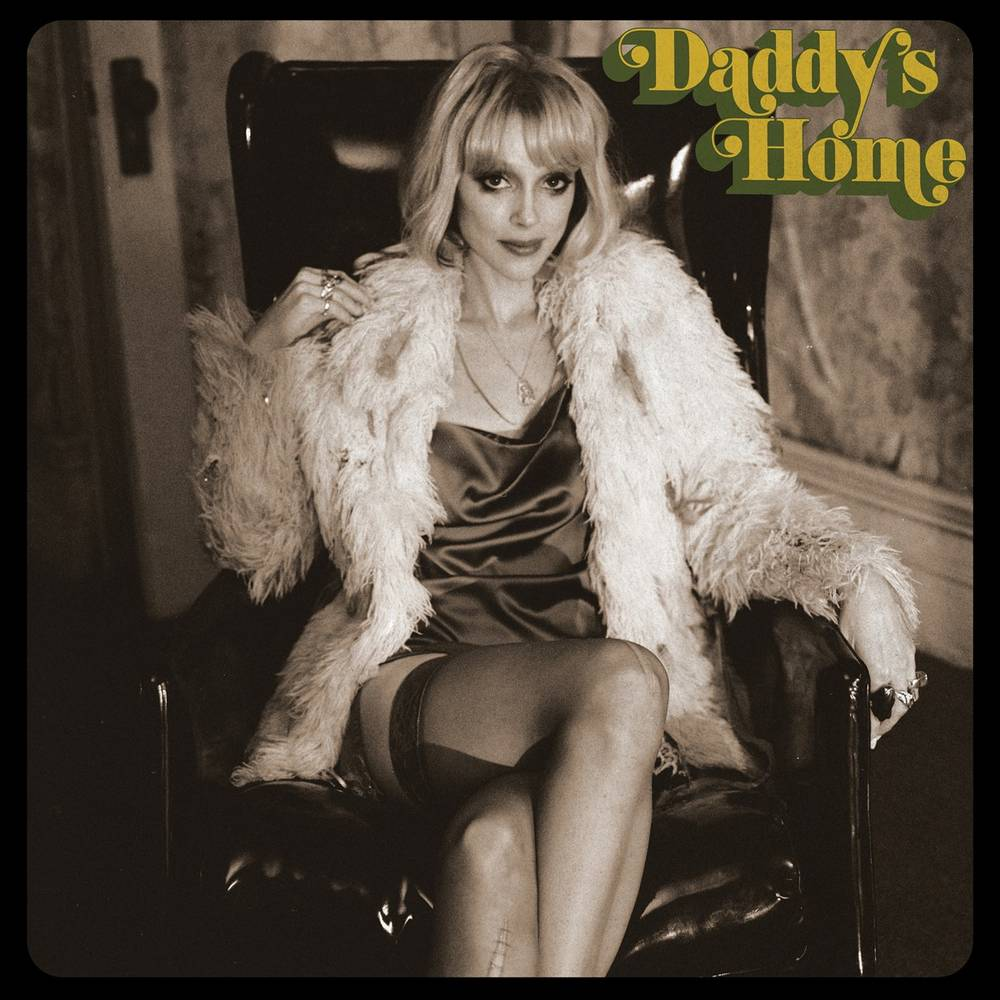
Annie Clark goes back to the 1970s.
Named after the fact that Annie Clark’s father had recently been released from prison after having been convicted of conspiracy, fraud and money laundering near the beginning of St. Vincent’s career, Daddy’s Home finds the artsy singer going back to the 1970s — a time when lounge pop, funk and soul were in their prime. If St. Vincent is this generation’s female David Bowie, then this is her Young Americans era.
Like on Masseduction, Jack Antonoff is back in the producer’s chair and like that album, this one sounds just as pristine. Pay Your Way in Pain is a lot of fun with it’s fuzzy synths. The title track features some really wonderful whiskey-throat screams from Annie and Live in the Dream has a mellow psychedelic vibe that builds up to a Pink Floyd-like guitar solo, and then a gentle release.
Despite the usual high quality of a St. Vincent release, Daddy’s Home is not quite as exciting or dynamic as albums like Strange Mercy or St. Vincent, but Daddy’s Home is still a worthy reinvention and another successful artistic evolution that’s of a similar quality of its predecessor. Definitely one of Annie Clark’s sexiest eras too.
8/10
Trivia: Daddy’s Home won Best Alternative Music Album at the 64th Annual Grammy Awards.
Steven Wilson – THE FUTURE BITES
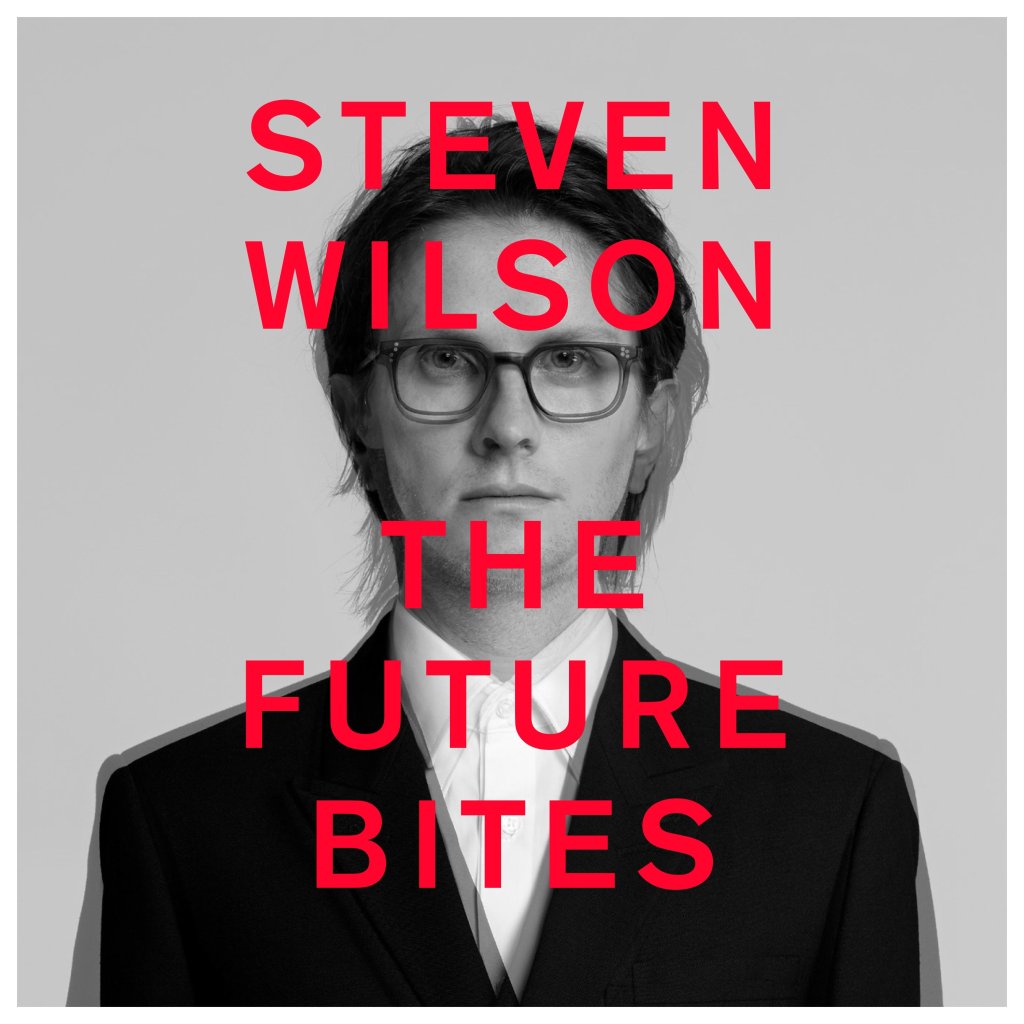
Steven Wilson releases a pop album that parodies pop albums… and just ends up sounding like a bad pop album.
I’m all for Steven Wilson experimenting with new sounds and even going in a more pop-leaning direction, like what he did on To the Bone or past songs like Postcard and Hand Cannot Erase, but this was just a flat-out failure. Nearly every track has these neo-soul backing vocals that overtake Steven Wilson’s own singing, to the point that it doesn’t even sound like he’s doing anything vocally — it ruins songs like EMINENT SLEAZE and PERSONAL SHOPPER. If it were on one song, I’d be more forgiving, but it’s across the entire album.
UNSELF is an intro that doesn’t really do anything other than exist, before leading into SELF, which is quite embarrassing. MAN OF THE PEOPLE is okay, until you realize it pretty much just rips of Pink Floyd’s Welcome to the Machine and seeing as they are arguably Wilson’s holy grail band, there is no way he wasn’t aware of such blatant imitation. KING GHOST is held back by Wilson’s whiney and abysmal falsetto. PERSONAL SHOPPER is probably the best song here, but is ruined by those aforementioned “backing” vocals and it can do without the spoken word Elton John section.
The first and last tracks are basically just an intro and outro, leaving only seven tracks. Of these, there were five that had already been released as singles, none of which were particularly well-liked. THE FUTURE BITES was delayed by a year, but considering that I had already heard most of its songs, I can’t say that I was that disappointed either. Despite the albums flaws, the production can still be nice during some instrumental sections.
How Steven Wilson thought this album was a good idea is beyond me. THE FUTURE BITES is the worst thing he’s ever done since Porcupine Tree’s experimental debut, On the Sunday of Life, but that album deserves more slack, as it was released at the start of his career. By now, we know just what Wilson is capable of, having released a string of great albums in the 2000s and 2010s without missing a beat. And sure, this album has great production for the most part, but it is ruined by everything else, tainting any form of enjoyment.
A low point for the career of Steven Wilson.
4/10
Weezer – OK Human
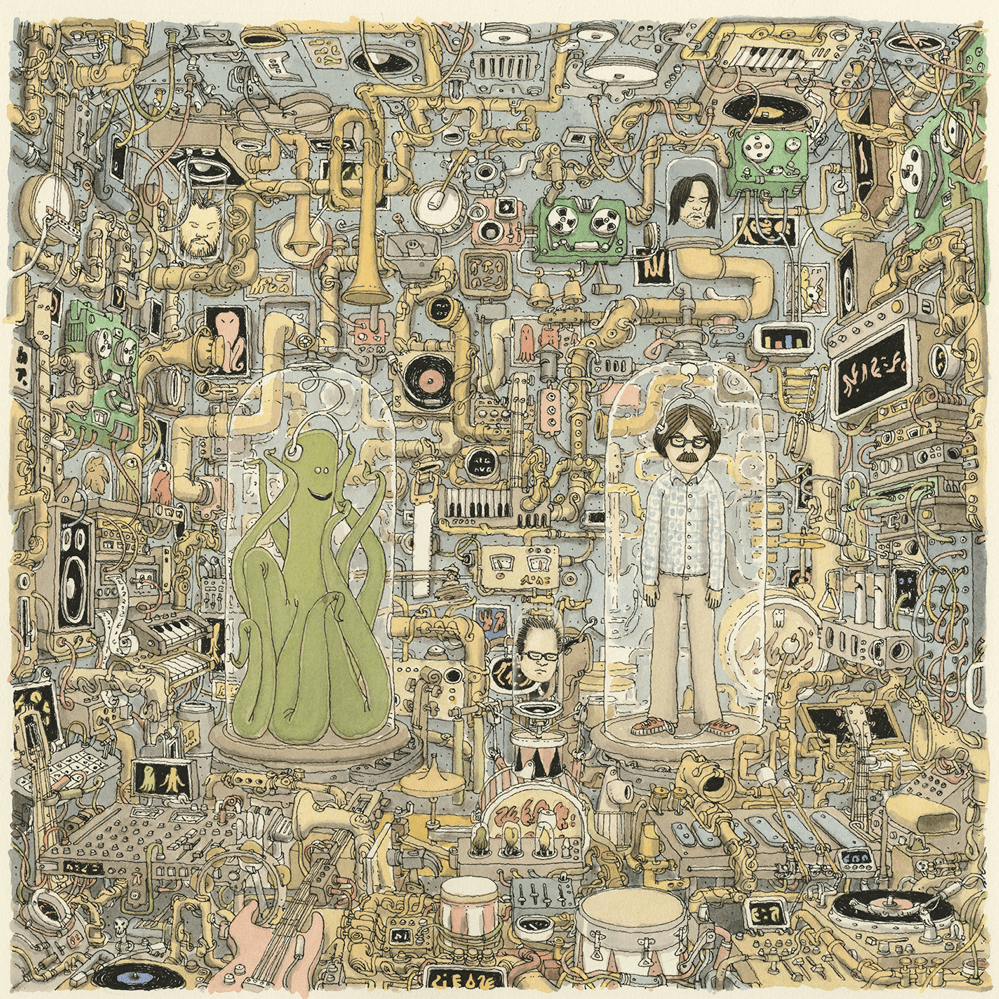
Weezer makes an album with strings.
Releasing during the height of the COVID pandemic, OK Human (Radiohead reference?) is a pleasant and upbeat album that seems designed to help battle the winter lockdown blues. All the songs on here are accompanied by a string section and it actually sounds quite nice, like Rivers Cuomo is actually trying for the first time since Weezer (White Album) .
All My Favourite Things is a decent opener, if not a little bit too twee and saccharine. Grapes of Wrath is an ode to the Audible version of John Steinbeck’s classic novel. Numbers is a song for those who dread mathematics.
The album still indulges in the pop tendencies that the band has refused to shed since Weezer (Green Album), but it’s easily one of their best post-90s works and wins them back some dignity and respect… Until their next album reversed that only a few months later.
7/10
Weezer – Van Weezer
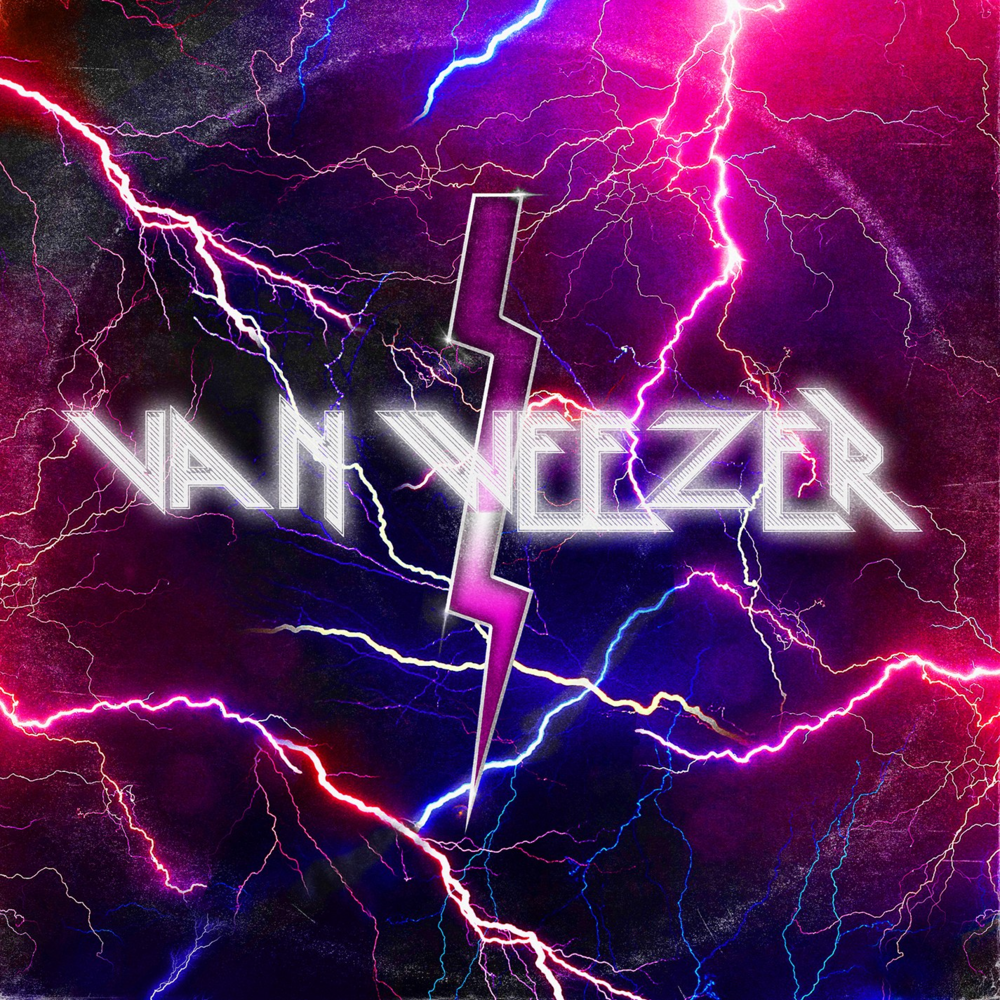
Weezer wastes a great album title and concept on this collection of lacklustre garbage.
When Weezer announced Van Weezer, I was foolish enough to believe that the band would sidestep the usual pop vomit that they’ve been spewing out for two decades with a love letter to metal music. Considering that the gatefold to their debut album showed a poster of Judas Priest’s British Steel, along with the chunky power chords of their early works, metal music was a big influence on Weezer’s metallic power pop. The band had just released OK Human to the best reviews they’ve gotten in years (though it was far from a classic), but it signalled some hope for the future of the band. Maybe the 2020s would be Weezer’s decade… Oh, how I was wrong.
Van Weezer is an utter embarrassment (and not of riches); this is definitely one of Weezer’s five worst albums. Hero sounds like the kind of pop punk song you’d hear in some long-forgotten 2000s teen sex comedy. All the Good Ones could have been on Pacific Daydream, which is not a compliment at all. Blue Dream rips off Ozzy Osbourne’s Crazy Train, defecating and pissing all over it in the process. The only song here that didn’t make me want to punch Rivers Cuomo in the proverbial face was Precious Metal Girl, only because it reminded me faintly of Butterfly, one of the most beautiful songs of the 1990s, back when Cuomo wrote from the heart and not from the insecure desire to be accepted by everybody. How he went from writing The Blue Album and Pinkerton to this is shameful and pathetic.
Leave it to Weezer to ruin a nod to Van Halen.
2/10
FIN
Brett Nippard

Leave a comment