Table of Contents:
Arcade Fire – Everything Now
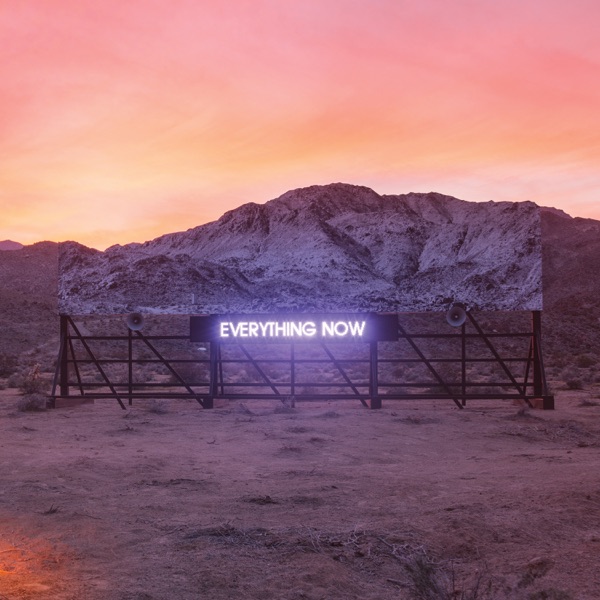
Arcade Fire doubles down on the dance elements of Reflektor and makes a satirical pop album in the process.
Following the reinvention Arcade Fire experienced on Reflektor, Everything Now sees the band digging their feet deeper into dance, with an album that’s more pop-oriented than anything the band has done before. In addition to the music, there’s also a hint of irony throughout Everything Now, though that line can become blurred at times with the band sometimes falling victim to their own satire.
The title track channels ABBA, and features production from Steve Mackey of Pulp and Thomas Bangalter of Daft Punk, who both also provide production on the extra groovy Signs of Life, the slinky Electric Blue and Put Your Money on Me. The cheerful Creature Comfort also features production from Mackey, in addition to Geoff Barrow of the legendary trip hop pioneer band, Portishead. Good God Damn (yet another Mackey produced track) sees Arcade Fire getting down with the funk. Songs like Peter Pan, Chemistry and Infinite Content paint themselves as easy targets, but if you remember that Everything Now is supposed to be satirical of consumerism and commercialism, then you might be able to see past the silliness of the record and embrace the production instead.
I do feel like this album’s satirical premise has overshadowed the music itself for most listeners, but if you take away the band’s societal cynicism and focus on the music itself, this is a very rich and vibrant, candy-coated album, with lots of hooks and memorable moments. It certainly can’t rival any of the band’s previous works, but it’s still a mostly successful indie pop album.
7.5/10
At the Drive-In – in•ter a•li•a
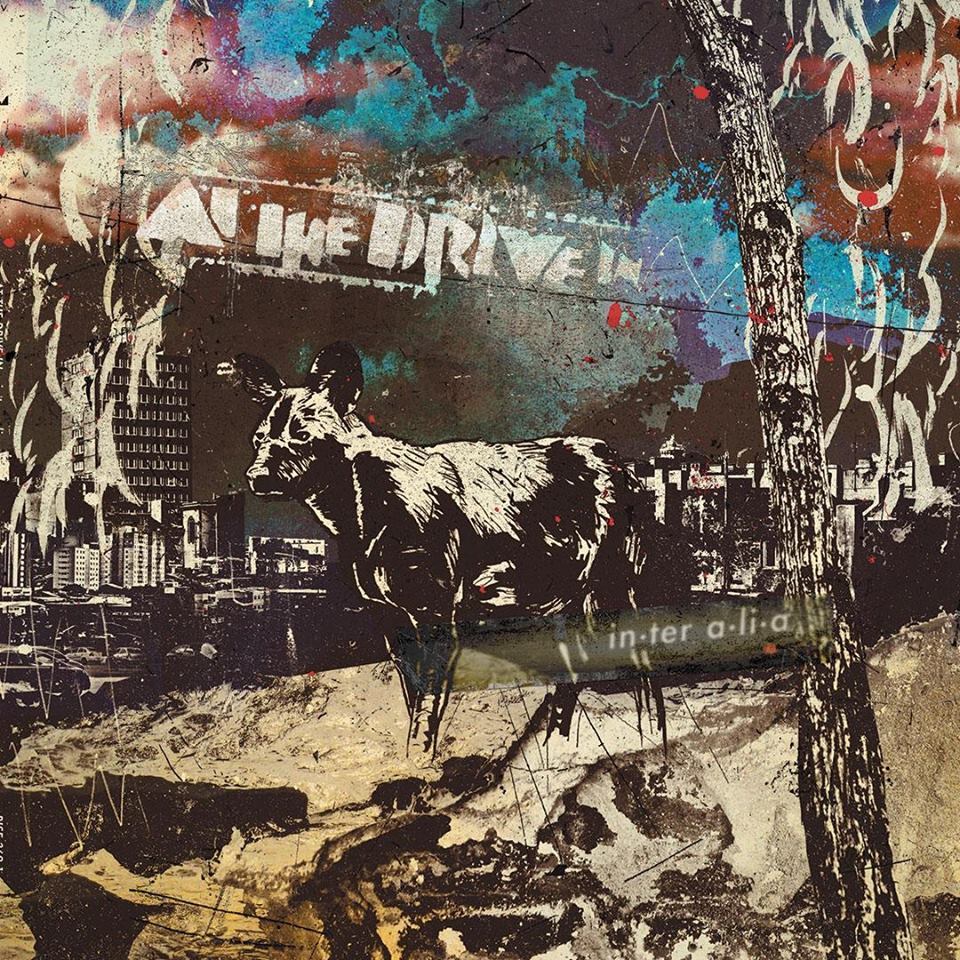
At The Drive-In returns after 17 years.
Between the release of in•ter a•li•a and At the Drive-In’s landmark Relationship of Command, vocalist Cedric Bixler-Zavala and guitarist Omar Rodriguez-López had formed the highly successful prog rock outfit, The Mars Volta and the rest of the band had gone on to form Sparta. It was uncertain whether the band would reunite, but that changed 17 years later.
Though they reunited in 2012 for Coachella and Lollpalooza, it would take another several years before new material had emerged from ATDI. Cedric Bixler-Zavala and Rodriguez-López were joined by previous members Paul Hinojos and Tony Hajjar, although guitarist Jim Ward did not return and was replaced by Keeley Davis (another member of Sparta).
No Wolf Like the Present storms out of the gate, like the band had never gone away. Continuum continues the momentum with a powerful chorus, showing that Cedric Bixler-Zavala can still wail like he used to in the 90s. Incurably Innocent rips along with its fiery guitars. Ghost-Tape No. 9 slows things down a little, giving a break from the full-frontal attack of the rest of the album.
A good return from At the Drive-In, that doesn’t tarnish the band’s legacy, though its absence of Jim Ward was unfortunate.
7.5/10
Beck – Colors
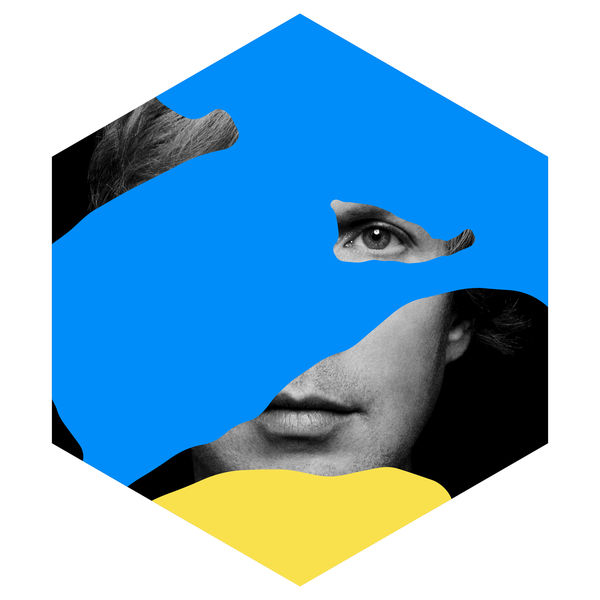
Beck goes pop.
After somewhat undeservingly winning both Album of the Year and Best Rock Album with 2014’s overrated Morning Phase, Beck has decided to reinvent himself once more, this time as a mainstream pop singer, with the ironically bland Colors (notice that there are only two colours on the cover?).
The title track opens up with album with some generic mid 2010s mainstream pop production, with pitch-shifted vocals and flutes — it’s about as lame as you’d expect it to be, but at least the album is only 40 minutes long. Seventh Heaven is as schmaltzy as the 2000s television drama of the same name. The chorus to I’m So Free sounds like something that a post-90s Weezer’s Rivers Cuomo could have written (that’s not a compliment). Despite winning two Grammys a few years ago and the praise of critics, Beck sings “dear life, I’m holding on”, which has about as much sincerity as a prostitute telling you that she loves you.
No Distraction sounds more like Maroon 5 than Beck. Dreams was released two years prior to the album, channeling the worst tendencies of the post-Sam’s Town era of The Killers, and commits the heinous sin of mid 2010s wordless vocals, something that U2 has also been guilty of doing in recent years. Wow might just be the worst song here and will have you muttering “wow” to yourself, but for all the wrong reasons (e.g. “wow, this is really bad”).
Colors is full of lyrics and song titles so cheesy that a lactarded kid would shit themselves just from hearing them — seriously, I’m So Free, Dear Life, Up All Night… how much more uninspired can you get? Beck seems to be aiming to be relatable and empowering, but his lyrics just end up sounding like something that a teenager mistakes for being profound. Was this album written by Dan Reynolds of Imagine Dragons or the guy who wrote Sea Change 15 years ago? Has Beck been killed and replaced with some Scientology robot?
The worst thing about Colors is that it sounds like anyone could have made it. Beck’s pre-Morning Phase music was so distinctly Beck, whereas an album like Colors is so paint-by-numbers, that it sounds like any shitty 2010s pop group could have shat this out (Imagine Dragons, Maroon 5, OneRepublic, etc.). Even if this album lacks the humour and quirkiness of most of Beck’s work, a serious album like Sea Change worked, because it had conviction, emotion and far more colour in the compositions than anything here.
Colors is the nadir of Beck’s post-Mellow Gold discography and evidence that the once great weirdo rockstar has lost his way.
3/10
Charli xcx – Number 1 Angel

Charli releases her first mixtape of 2017.
Compared to the somewhat dark and experimental Vroom Vroom EP, Charli is a little more grounded in pop on Number 1 Angel, though the deep bass and influence of that EP is still present here.
Number 1 Angel can get a bit repetitive throughout its runtime and it does feel a but regressive from Vroom Vroom, but tracks like Dreamer, Blame It on U and ILY2 are all solid pop songs and the general production is still fantastic across the mixtape.
7.5/10
Charli xcx – Pop 2
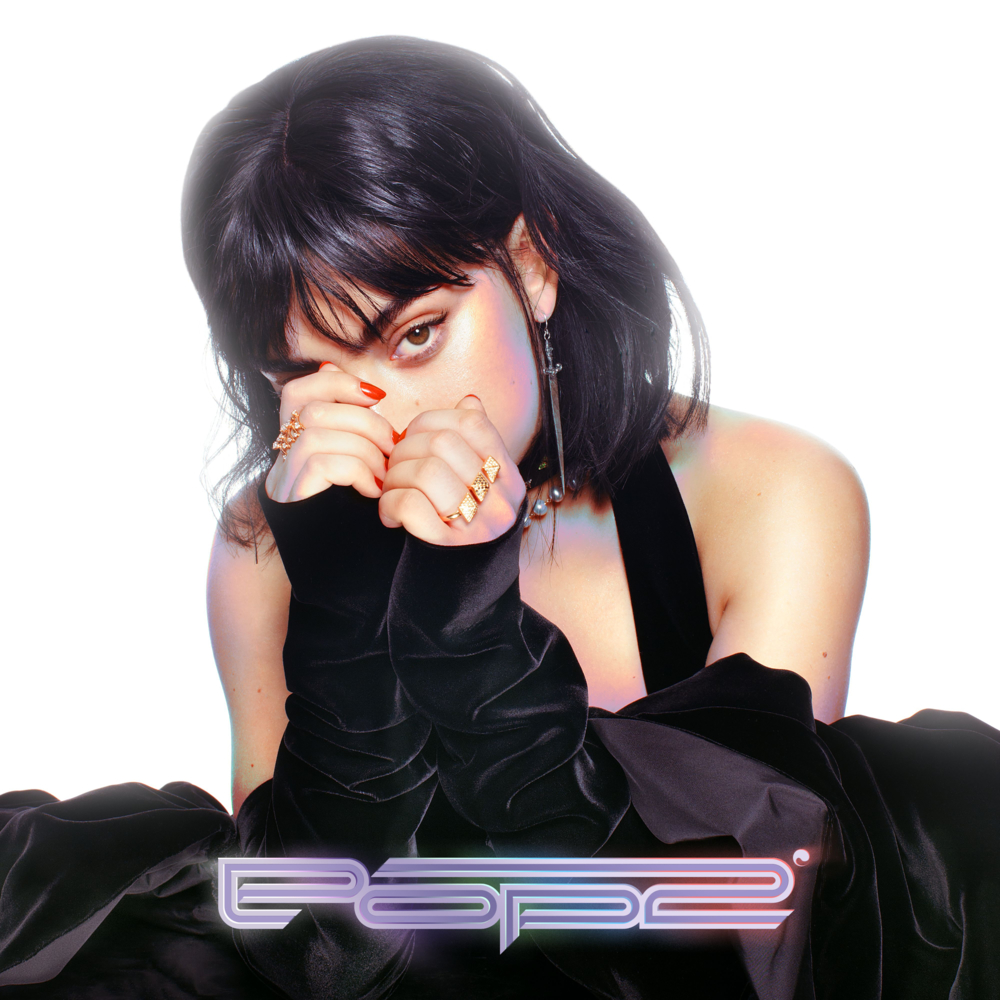
Charli releases her second mixtape of 2017.
Released about half a year after Number 1 Angel, Pop 2 has Charli continuing with the electropop sound of that mixtape and includes a long list of features, including, Carly Rae Jepsen, Caroline Polachek and Kim Petras.
The Carly Rae Jepsen featuring opener, Backseat, is a romantic love song told from the back of a car — it’s one of Charli’s best songs yet and both women sound dynamic together here. Porsche continues with Charli’s obsession with fast and stylish cars. Femmebot is a tale of synthetic love. I Got It has hard hip-hop beats and shows Charli leaving her comfort zone.
Pop 2 is an improvement over Number 1 Angel and is signalling towards pop greatness from Charli xcx.
8/10
David Bowie – No Plan

The accompanying EP to David Bowie’s swan song, ★.
Consisting of songs written for a musical called Lazarus, including the ★ (Blackstar) track of the same name, as well as three new songs, No Plan is an excellent companion piece to David Bowie’s final album, giving fans one last taste of the magic that Bowie was conjuring up in his last years.
The title track is a starry ballad that gives some calmness between the dark jazz of Lazarus and the almost metallic Killing a Little Time, the latter of which is one of the heaviest songs he’s made since anything from 1970’s The Man Who Sold the World. When I Met You starts with a hip-hop style beat before segueing into a more typical Bowie-esque ballad that wouldn’t have sounded out of place on The Next Day.
No Plan is a fantastic coda to Bowie’s career and should satiate those wanting another taste of the dark jazz of ★.
8/10
The Flaming Lips – Oczy Mlody
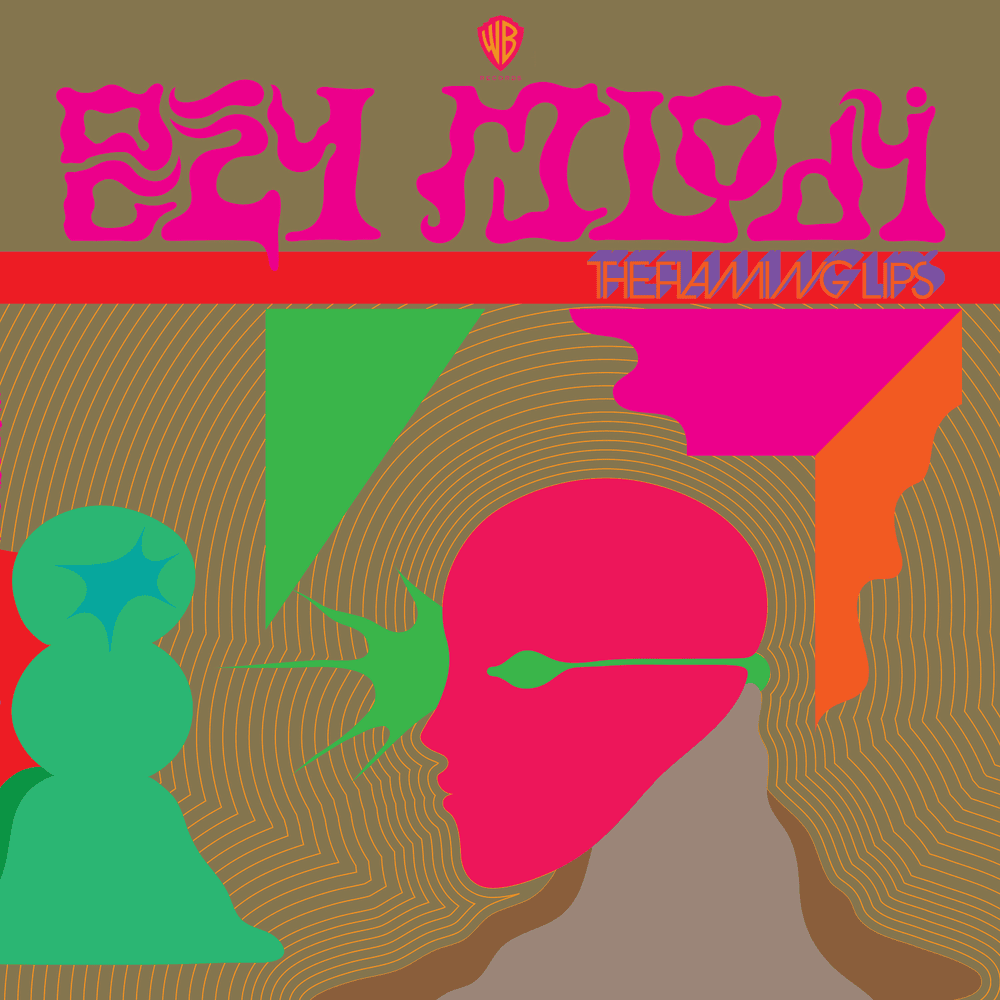
The Flaming Lips make their most electronic album yet.
After the depressing, defeating nihilism of 2013’s The Terror, The Flaming Lips continue to dive deeper into the darker side of electronica on Oczy Mlody.
How?? feels almost as hopeless as anything from The Terror and along with the intro title track, sets the tone for the album’s electronic-heavy sound. Do Glowy might throw listeners off, with Wayne Coyne’s autotuned and pitch-shifted vocals and the childish lyrics. We A Famly features a return from Flaming Lips disciple, Miley Cyrus. There Should Be Unicorns and The Castle are other highlights.
Oczy Mlody has a lot of repeating motifs, resulting in some of the songs blurring together, as well as a near absence of guitars, so it’s likely to polarize fans wanting another Soft Bulletin or Yoshimi. Despite the somewhat underwhelming nature of Oczy Mlody, it’s still got some interesting experiments and sounds, making for a an interesting enough record, though it’s hardly essential.
7/10
Foo Fighters – Concrete and Gold

Foo Fighters experiment with their sound.
Three years after the Foo’s last album, the conceptually ambitious, but generally dull Sonic Highways, the band starts aiming for greater accessibility and reach, with the band’s most experimental album yet.
The not quite minute-and-a-half T-Shirt manages to spend half of its already brief time as just Dave Grohl and his guitar, while the other half is anthemic and loud. Run combines metal-adjacent verses with big choruses and is one of the band’s heaviest songs — it’s also one of their best singles yet. Make It Right and La Dee Da are bluesy rockers. The Sky Is a Neighbourhood sounds like the band was going for an Imagine Dragons-type song with an anthemic singalong chorus and while it’s not as bad as you’d expect it to be, it’s still a bit jarring all the same. Arrows is your typical Foo Fighters, but with slightly more interesting production than usual. Happy Ever After (Zero Hour) is an almost McCartney-like acoustic track — and speaking of whom, Sunday Rain features Paul McCartney on drums of all things. The title track has a Pink Floyd-like grandiosity to it and makes for a fitting ending on the album.
Concrete and Gold finds Foo Fighters at their most adventurous and experimental since 1999’s There Is Nothing Left to Lose and while it may not be one of the band’s best albums, it’s still good to see the band fighting complacency and trying new things.
7/10
Kendrick Lamar – DAMN.
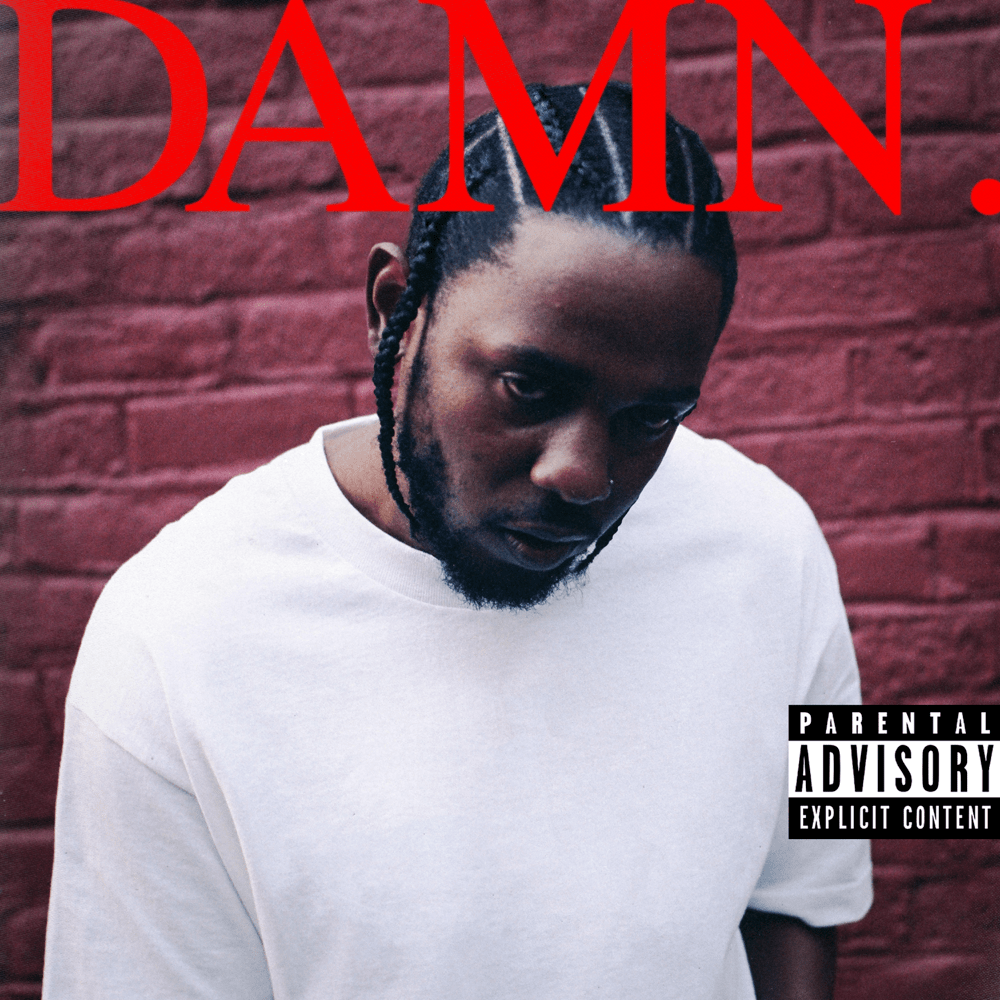
Kendrick Lamar wins a Pulitzer Prize.
Coming off two legendary albums and an excellent companion piece, Kendrick Lamar had become one of, if not the biggest players in rap. The expectations were riding high with DAMN. and while some may see it as inferior it its two predecessors, it’s still one of the best hip-hop albums of the decade and far from a decline.
Compared to the genre-bending To Pimp a Butterfly, which played like a greatest hits of 50 years of African American music, DAMN. is slightly more straightforward and accessible album than its predeccesor. There are smooth R&B tracks like LOYALTY. and LOVE. and club-ready bangers, like HUMBLE., but DAMN. is still chock-full of poetic, hard-hitting lyricism and themes, diverse samples, fantastic production and crossover appeal (see the U2 feature, XXX.)
DNA. is built around exotic synths and utilizes a clever Rick James voice sample. YAH. is as suave as it is cool — the perfect song for driving around at night to. ELEMENT. has a sensual kind of ominous vibe to it. FEEL and PRIDE. are both soulful, melting like butter in the ears. LUST. is a bedroom jam for the ages. FEAR. and GOD. add thematic weight towards the end of the album.
On the final track, DUCKWORTH., Kendrick recounts a story where his father survived a robbery at the chicken shop he was working at, by getting in the good graces of a local robber, by always giving him free biscuits. That robber went on to create Top Dog Entertainment, which was the label that Kendrick Lamar helped make famous. That fateful interaction was the moment that could have prevented Kendrick’s career from ever even getting off the ground in the first place and just goes to show how one decision can greatly affect the future.
After the enormous heights of good kid m.A.A.d city and To Pimp a Butterfly, DAMN. was destined to fall short in one way or another, but I think it’s the exact album it needed to be.
10/10
Trivia: Kendrick Lamar went on to win a Pulitzer Prize for this album, which made DAMN. the first non jazz or classical album to ever do so. DAMN. also won Best Rap Album at the 60th Annual Grammy Awards.
The Killers – Wonderful Wonderful
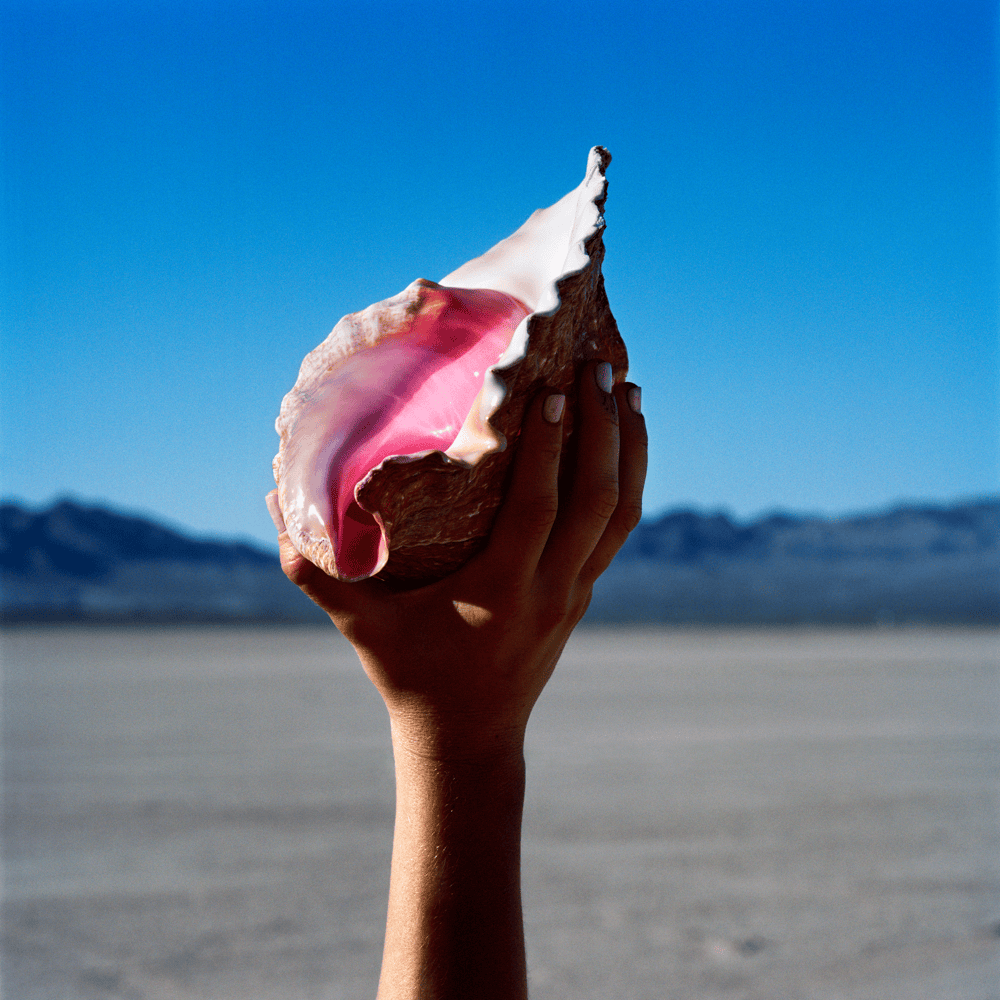
The Killers are back, with an album that’s only half good.
After a 5 year absence since the dreadfully milquetoast Battle Born, Brandon Flowers and The Killers are back with Wonderful Wonderful, which is a huge improvement over its predecessor, though it still falls short of the standard set by Hot Fuss and Sam’s Town.
The Man is a silly funk song, but its also one of the most fun singles The Killers have released in over a decade; it portrays modest Mormon, Brandon Flowers, as some hot-headed playboy and while it could have easily came off as corny, it manages to be endearing instead.The title track is a fairly epic opener and one of their most sonically-visceral songs, though it’s a little too similar to U2’s Bullet the Blue Sky. The robotic swagger of The Calling recalls Depeche Mode’s Personal Jesus. Run for Cover and Tyson vs. Douglas have the band revisiting their post-punk revival roots. Songs like Rut, Life to Come and Have All the Songs Been Written? fall into the sappy pop ballad category that plagued Day & Age and Battle Born
Wonderful Wonderful isn’t quite a comeback for The Killers, as only half of the songs here are interesting — it’s a far cry from the peaks of The Killers’ early days, but it’s far more engaging than anything else they’ve released in the past decade and has a handful of excellent tracks.
6.5/10
King Gizzard & The Lizard Wizard – Flying Microtonal Banana
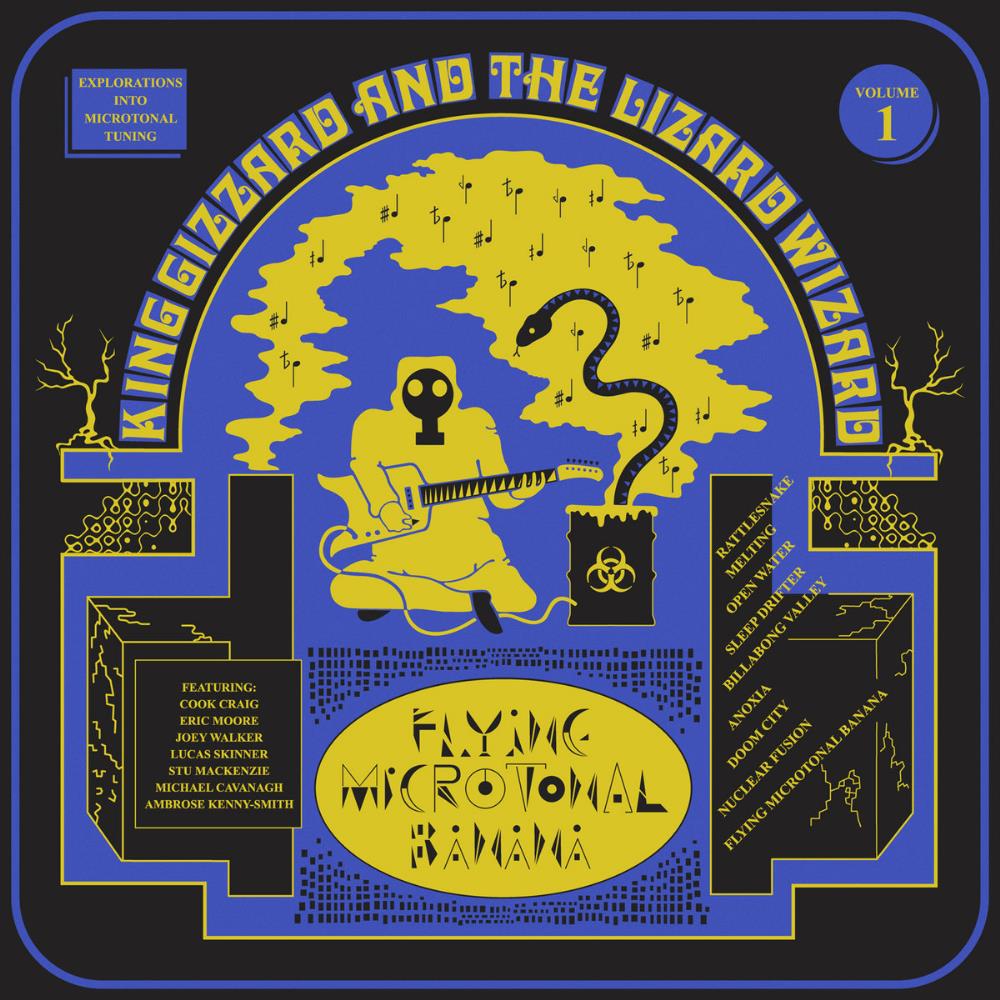
Album #9: Microtonal Rock / Krautrock
Following their 2016 breakout album Nonagon Infinity (which was also the first time since 2012 where they only released one album), the Aussie rockers decided to up the ante, by promising to release five albums throughout 2017. The first of the five albums is Flying Microtonal Banana, which explores microtones first hinted at on Nonagon Infinity‘s opener, Robot Stop.
Rattlesnake and Open Water are two of the band’s best immersions into krautrock yet, with their repetitive and driving rhythms. Melting has a hypnotic riff that has the listener feeling like they too are melting. Billabong Valley is this album’s Ambrose Kenny-Smith song. The title track is an instrumental that fully embraces the microtones and eastern influence. Sleep Drifter, Doom City and Nuclear Fusion are all superb tracks as well.
Microtonal Flying Banana doesn’t quite top Nonagon Infinity as the band’s definitive album, but it’s definitely one of their best albums yet.
9/10
King Gizzard & The Lizard Wizard – Murder of the Universe
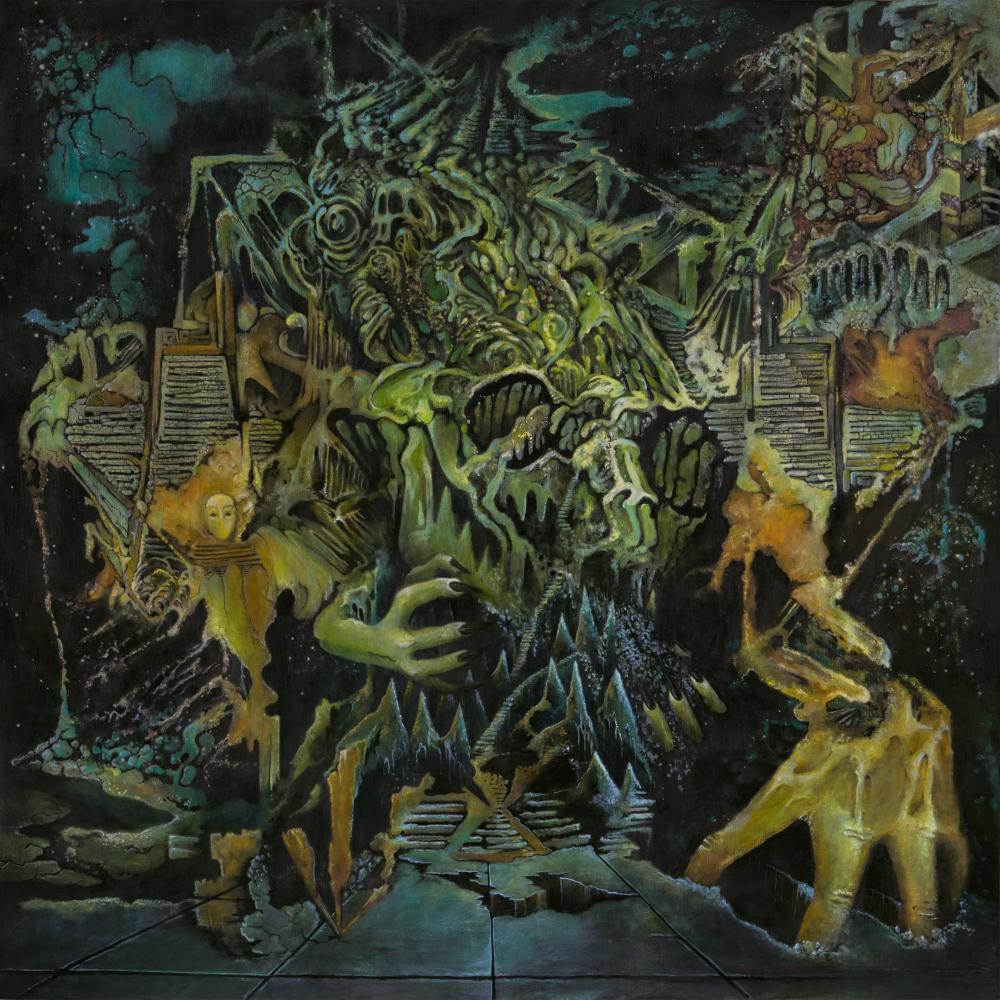
Album #10: Spoken-Word / Heavy Psych
Consisting of three separate spoken-word suites (The Tale of the Altered Beast, The Lord of Lightning vs. The Balrog, and Han-Tyumi and the Murder of the Universe), Murder of the Universe is certainly one of King Gizzard & The Lizard Wizard’s strangest, but most creative albums yet.
The Altered Beast suite (a reference to the 1988 arcade game of the same name) alternates between three versions of Alter Me and four versions of Altered Beast, and contains more of the same heavy psych sound from Nonagon Infinity, with narration from Australian folk musician, Leah Senior (who also narrates the second suite of songs). The Lord of Lightning is perhaps the most quintessential (and straightforward) KGATLW track on the whole album, though The Balrog also provides plenty of thrills. The final suite on the album is narrated by a text-to-speech application (who voices Han-Tyumi), and while this is the weakest suite on the album, Digital Black and Vomit Coffin are solid tracks.
Murder of the Universe is a bizarre and grotesque record, reflected by the vomit-like colours of its artwork, and is likely to polarize many listeners. Although the narration may hold it back from having as much replay value as the band’s other albums (much like Eyes Like the Sky), Murder of the Universe still has some of the band’s best and heaviest moments yet.
8/10
King Gizzard & The Lizard Wizard with Mild High Club – Sketches of Brunswick East
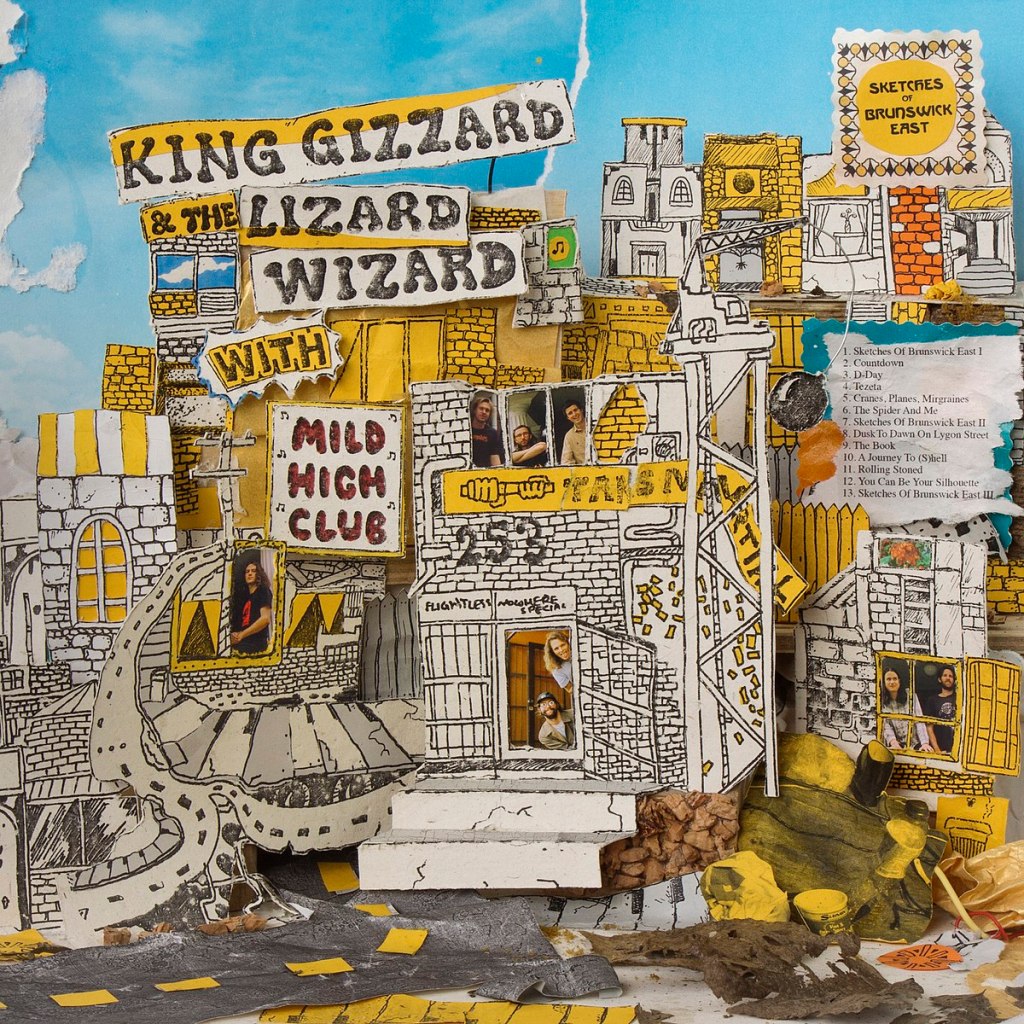
Album #11: Jazz Fusion
Referencing the similarly-titled 1960 Miles Davis classic, Sketches of Spain, King Gizzard & The Lizard Wizard’s Sketches of Brunswick East takes the band through an immersion into jazz fusion, with help from Alex Brettin of Mild High Club.
Unsurprisingly, the band adapts very well to jazz fusion, though there have been jazz influences before on previous KGATLW tracks (like The River). Guitarist/lead vocalist Stu Mackenzie also gets to whip his flute out throughout the album (the first time since Paper Mâché Dream Balloon), with all the other members trying their hands at various instruments as well.
As King Gizzard & The Lizard Wizard’s third album of 2017, the band is still yet to miss, with the smooth Sketches of Brunswick East being yet another fantastic record in the band’s ever growing discography.
8/10
King Gizzard & The Lizard Wizard – Polygondwanaland
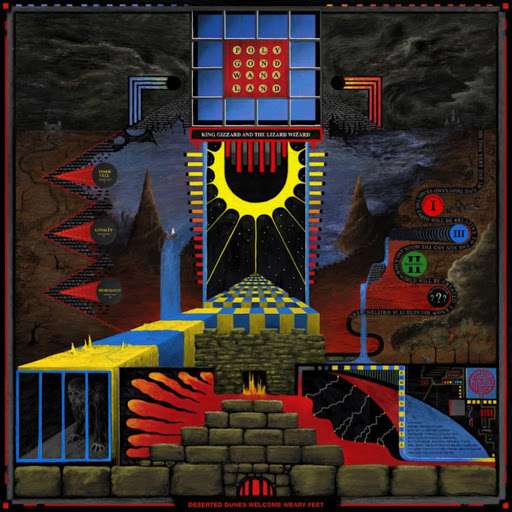
Album #12: Progressive Rock
With King Gizzard & The Lizard Wizard’s fourth album of 2017, the band conquers the various time signatures and polyrhythms of progressive rock, on the colourful and complex, Polygondwanaland.
The nearly 11 minute-long Crumbling Castle is one of the band’s most impressive openers, using a mix of time signatures, such as 7/8, 4/4 and 5/4. Leah Senior returns for spoken-word vocals on Castle in the Air after having been featured on Murder of the Universe. Deserted Dunes Welcome Weary Feet is one of the most chaotic and kinetic tracks on an already eccentric album. Loyalty opens with a Tron-like synth passage. The ominous Searching… evokes the eastern-influences that permeate much of TOOL’s material.
King Gizzard & The Lizard Wizard’s Polygondwanaland is the sound of the perpetually-experimental Aussie rockers mastering yet another genre — add this to the band’s ever-expanding list of best albums yet.
9/10
King Gizzard & The Lizard Wizard – Gumboot Soup
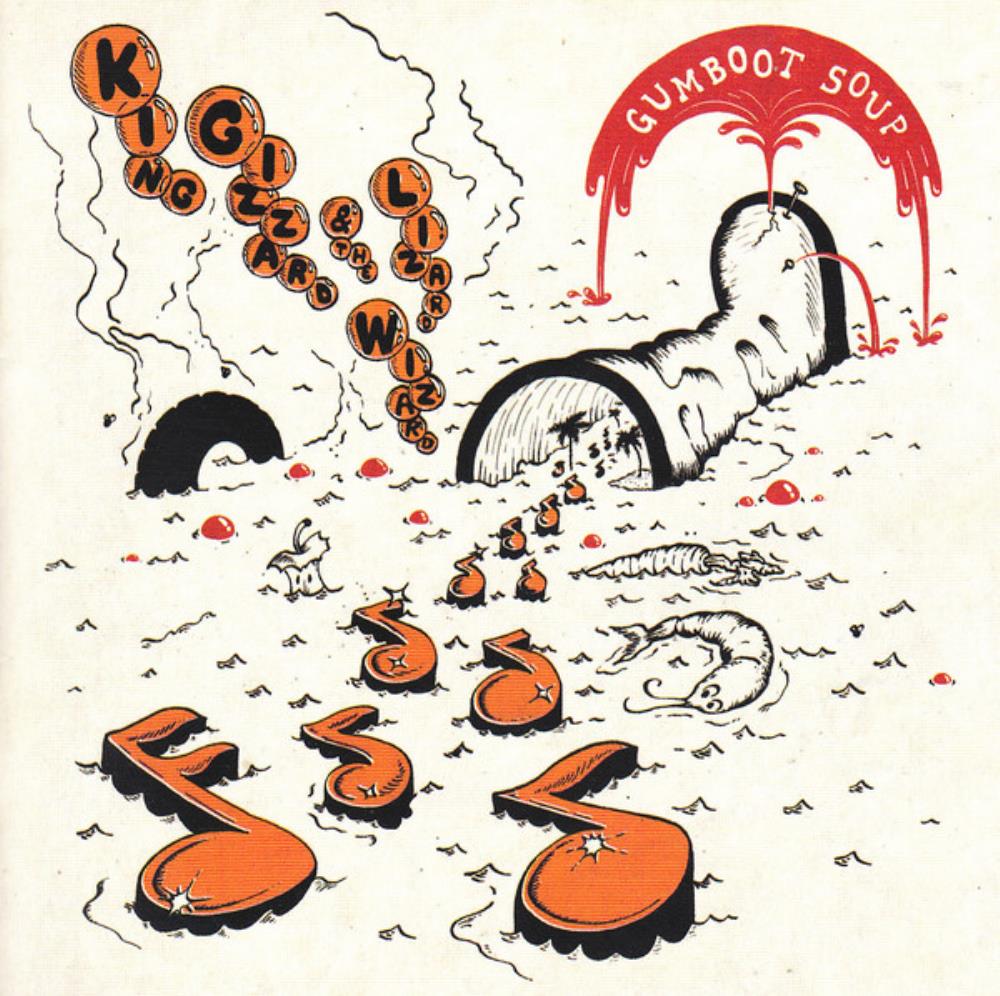
Album #13: Psychedelic Pop / Jazz Fusion / Stoner Metal / Microtonal Rock
As promised, King Gizzard & The Lizard Wizard delivered five albums in 2017, with the final one arriving on December 31. Following the concept of 2014’s Oddments, which was a collection of warmed-over leftovers from King Gizzard & The Lizard Wizard’s then previous albums, Gumboot Soup is another spring-cleaning of tracks that didn’t make it onto the other four albums that the band had released earlier in 2017.
The album opens with the psychedelic pop of Beginner’s Luck, with I’m Sleepin’ In being another similar style track. Greenhouse Heat Death and All Is Known sound like they could have come from the Flying Microtonal Banana sessions, whereas Down the Sink, The Last Oasis, and The Wheel have more in common with the jazz fusion of Sketches of Brunswick East; Superposition is the only song here that could have been a Polygondwanaland cut. Though the band are no strangers to heavy music (much of their best work verges on heavy metal), The Great Chain of Being is the band’s first full-immersion into metal, with sludgy guitars and deep vocals from Stu Mackenzie.
Just because these songs didn’t fit onto the band’s other albums does not mean that they are inferior or b-side quality, as Gumboot Soup has some of the band’s best songs yet and is one of their most varied and diverse releases in their impressive catalogue.
8.5/10
LCD Soundsytem – american dream
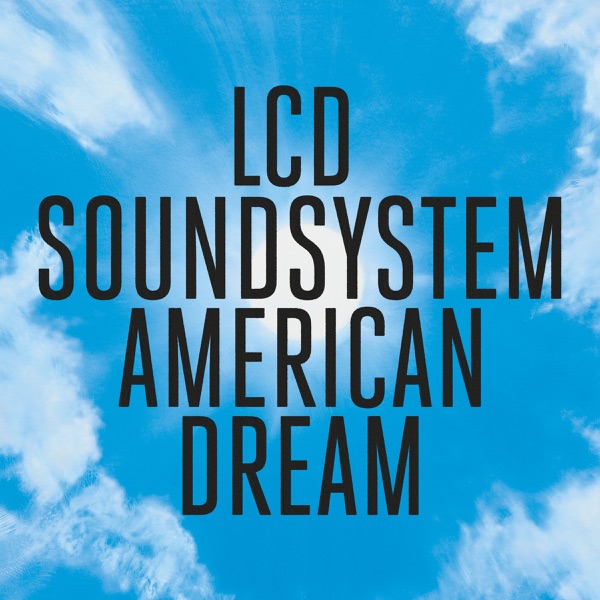
LCD Soundsystem (briefly) returns from the dead.
It had been 7 years since This Is Happening came out and only about a dozen years since LCD Soundsystem’s debut — the band seemed to have come and gone just like that, but they were finally back for one more album in 2017 with another stellar collection of dance rock.
oh baby opens the album like a call from the heavens. other voices is delightfully funky. James Murphy criticizes and satirizes cliché dance songs on the humorous tonite, with the song managing to elevate itself above its target. i used to and the title track are full of dreamy synths. change yr mind sounds like Scary Monsters era Bowie meets Talking Heads. how do you sleep? is a moody piece that slowly unravels over its 9 minute runtime. call the police is a slice of post-punk goodness, as is emotional haircut, which has a Joy Division-type factory repetition to it. The album ends with the 12 minute epic, black screen, which includes a lengthy piano outro.
american dream is a welcome return from LCD Soundsystem, even if it was short-lived. Until the next reunion.
8/10
Mac DeMarco – This Old Dog
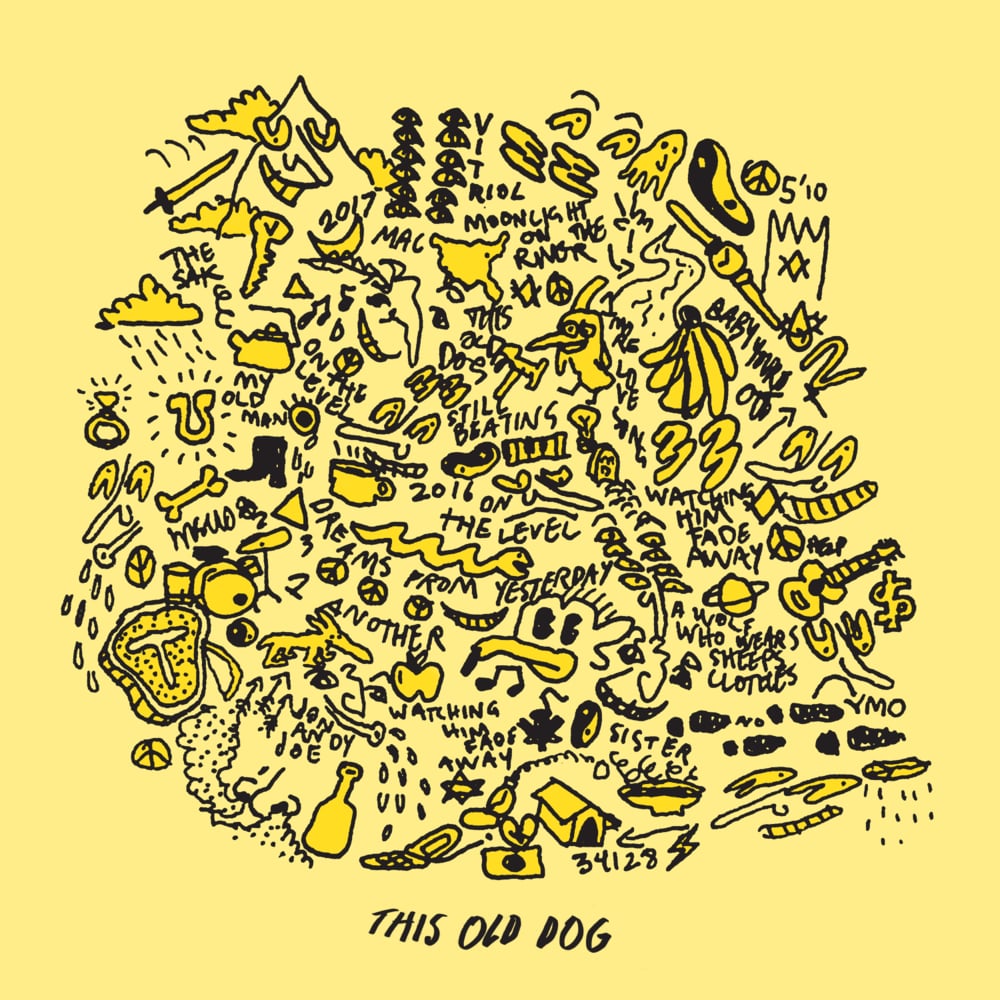
Mac gets his most vulnerable yet.
2 was the proper introduction of Mac DeMarco to the world and Salad Days only improved upon Mac’s bedroom guitar pop formula. On This Old Dog, Mac starts stripping things down, utilizing more acoustic guitars, but he also increases his use of synthesizers and even gets a little experimental, like on the penultimate track, Moonlight on the River and its noisy, abrasive, climax.
My Old Man starts off with a midi drum track (in contrast to live drums on previous albums) and explores Mac’s relationship with his estranged father, with Mac acknowledging how he can’t outrun his own blood and will continue to see his father in him. The folky title track evokes the spirit of legendary Canadian rocker, Neil Young. Baby You’re Out sounds like it could have been on 2015’s Another One. For the First Time and On the Level recall the sound of the previous album’s Chamber of Reflection with their glistening synths. One More Love Song is one of Mac’s moodiest, most heartfelt ballads. Watching Him Fade Away is a tragic, gentle outro, where Mac comes to terms with his father’s passing.
This Old Dog is definitely Mac DeMarco’s most grown up work, as well as his most sonically-diverse album and while it’s not initially as immediate of an album as 2 or Salad Days were, it’s probably his most rewarding album upon subsequent listens.
9/10
Nine Inch Nails – Add Violence
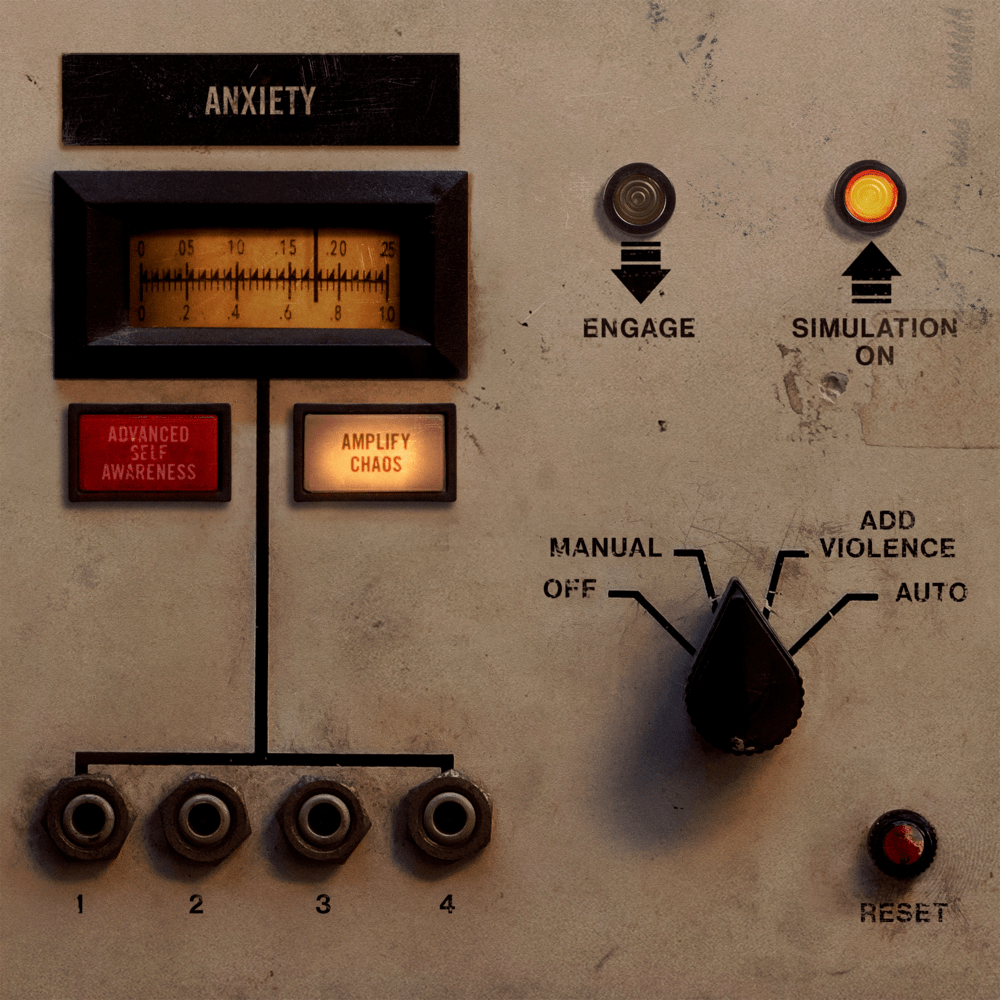
Nine Inch Nails release the second EP in a trilogy.
Following Not the Actual Events, Add Violence is the second EP of a proposed trilogy of EPs and is just as good as its predecessor. Less Than is a new classic. The Lovers finds Trent Reznor doing some spoken-word vocals. The Background World has a 7 minute-long droning outro that loops and progressively gets more distorted.
Add Violence is yet another excellent EP in Nine Inch Nails’ discography, with the band being 3/3 so far.
8/10
Paramore – After Laughter
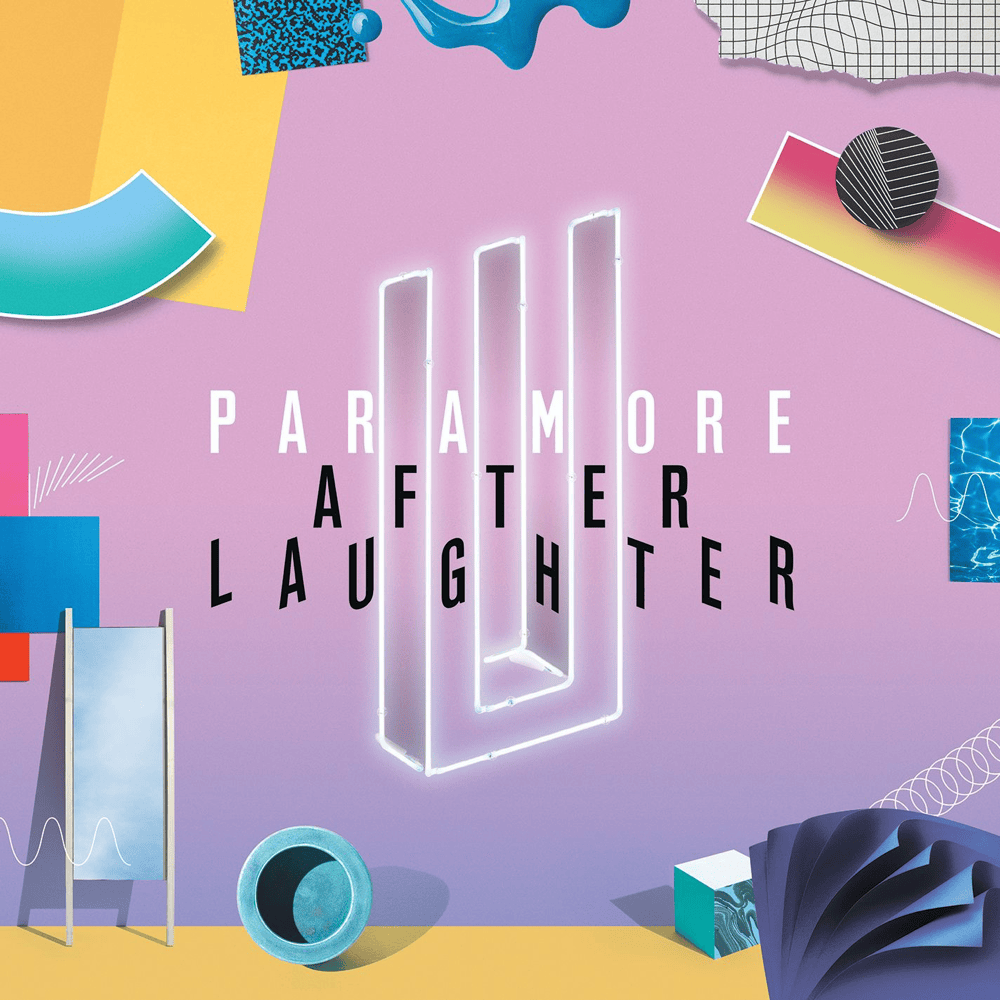
Paramore paints themselves in a coat of neon new wave.
After mostly moving away from the emo/pop punk of their first three albums, 2013’s Paramore saw the band experimenting into new wave and it’s darker sibling, post-punk. Comparatively, After Laughter finds the band in the new wave side of the punk spectrum, on this colourful and vibrant record. However, behind the upbeat music lies some of Hayley Williams darkest lyrics yet.
Lead single and opener Hard Times leaps out with its bright palette and tropical vibes. The other singles, Rose-Colored Boy, Told You So, Fake Happy and Caught in the Middle are all fantastic slices of pop. 26 is an acoustic, almost fairytale-like song. No Friend has guest vocals from Aaron Weiss, but they are mixed very low and the song just feels out of place. Tell Me How is a piano-led closer.
After Laughter is another excellent Paramore album that shows the band successfully branching off into new sonic directions, unwilling to be painted as a one trick pony.
8/10
Primus – The Desaturating Seven
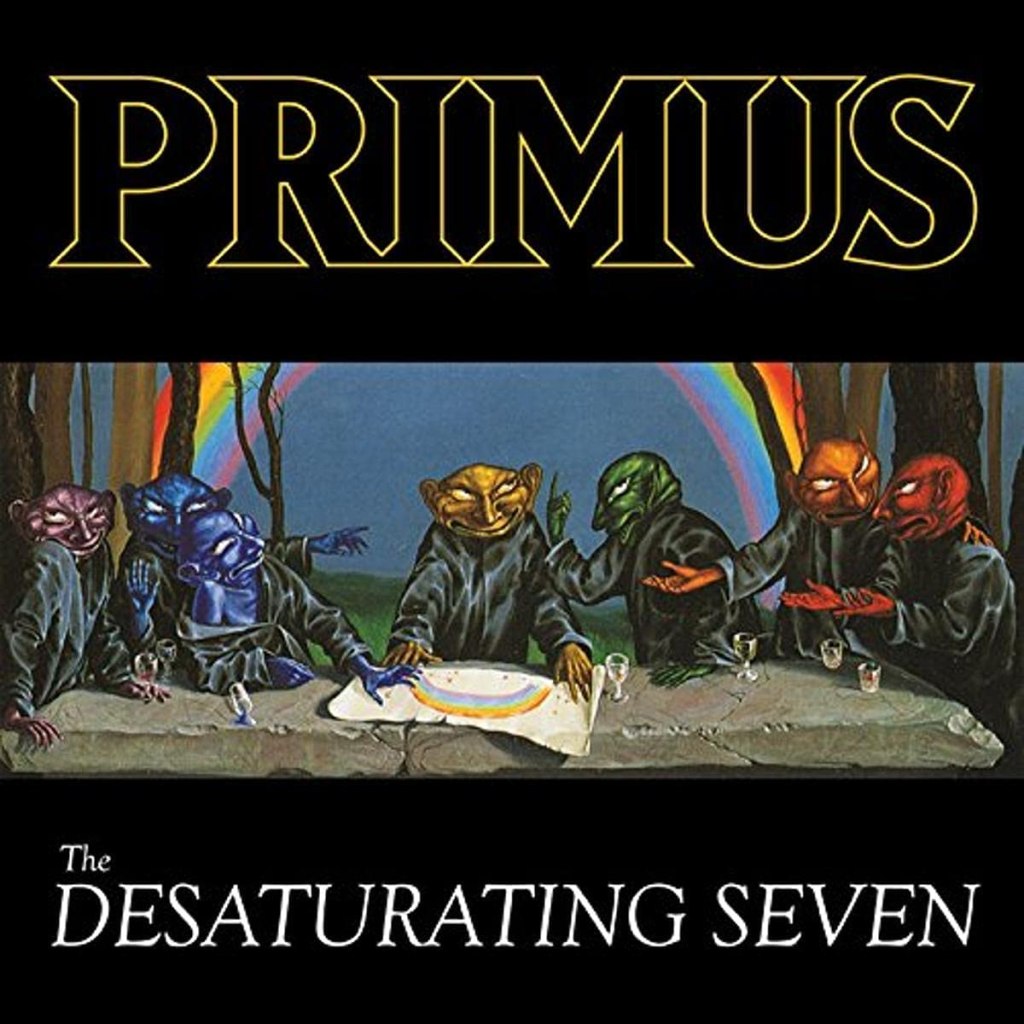
Primus makes a concept album based on a children’s book about goblins that steal colour from the rainbow.
Like Primus’ last album, Primus and the Chocolate Factory, The Desaturating Seven is also based on an existing story, this time a 1978 children’s book called The Rainbow Goblins.
Primus has always had a prog rock disposition in their music (particularly Rush, with Geddy Lee having a major influence on Les Claypool’s bass playing), but they lean into it more than ever here. The music is fantastic as always, though the vocals and spoken word narration may not appeal to everybody, but then again, you should know what you’re getting into on a Primus album.
The Desaturating Seven may not be the most remarkable Primus album, nor is it particularly long either, but it’s still an interesting experiment with some typically virtuosic musicianship and a concept that’s suitably weird for the band.
7/10
Queens of the Stone Age – Villains
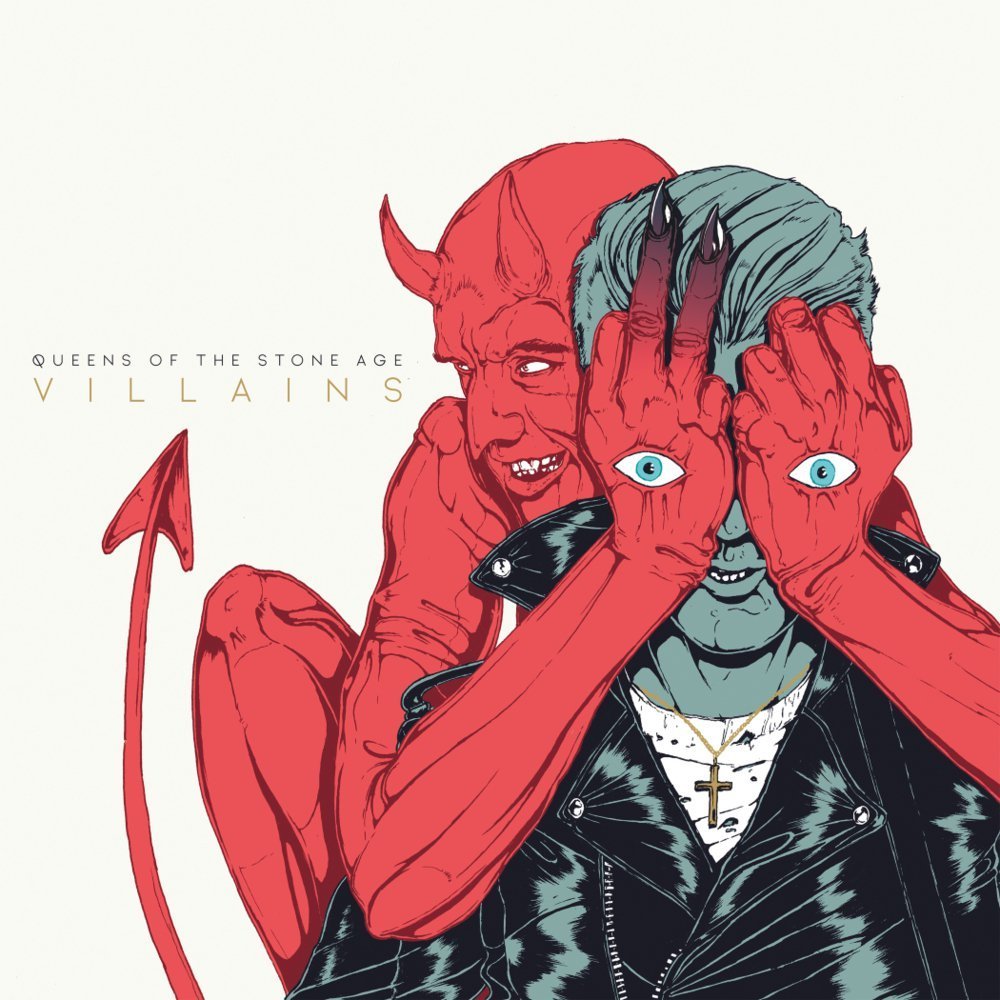
Josh Homme hires Mark Ronson to produce.
After surviving death, which eventually led to the phenomenal …Like Clockwork and making an album with Iggy Pop in 2016 (alongside fellow Queens of the Stone Age member Dean Fertita and Arctic Monkeys drummer Matt Helders), Josh Homme was back on top of the world and as relevant as ever.
On Villains, Homme takes the band into a boogie/dance rock direction, though it still very much contains traces of darkness; after all, this is Queens of the Stone Age and this album is called Villains. This new direction actually makes sense, considering Josh Homme has swagger and swing, and had done similar music with Eagles of Death Metal. This new direction led Homme to hiring Mark Ronson (Uptown Funk producer), which led to a polarized reaction from fans and criticisms of selling out.
Feet Don’t Fail Me builds up for nearly two minutes before the music explodes into its verse — it’s a strong opener and a great introduction to the sound of the album. The Way You Used to Do sounds like EODM boogie rock, and though it’s perfectly fine and pretty groovy, it’s easily the band’s weakest lead single yet. Domesticated Animals is like riding a carousel, about to fall off, but never quite letting go. Fortress, Hideaway and Un-Reborn Again are all ballads, but don’t fall too far into pop territory. Head Like a Haunted House has twisting guitars and a funhouse vibe. The Evil Has Landed is delightfully devilish. Villains of Circumstance is an emotional closer, with lyrics that I suspect are in relation to the 2015 Bataclan terrorist attack in Paris, which took place during an Eagles of Death Metal concert (though Homme wasn’t on tour with them then).
If you don’t like synthesizers and dance rock, then you may not like this album, but if you’re willing to let the band goof of a bit, then you might have some fun with Villains.
8/10
Trivia: This is the second QOTSA album cover designed by graphic artist, Boneface.
Royal Blood – How Did We Get So Dark?
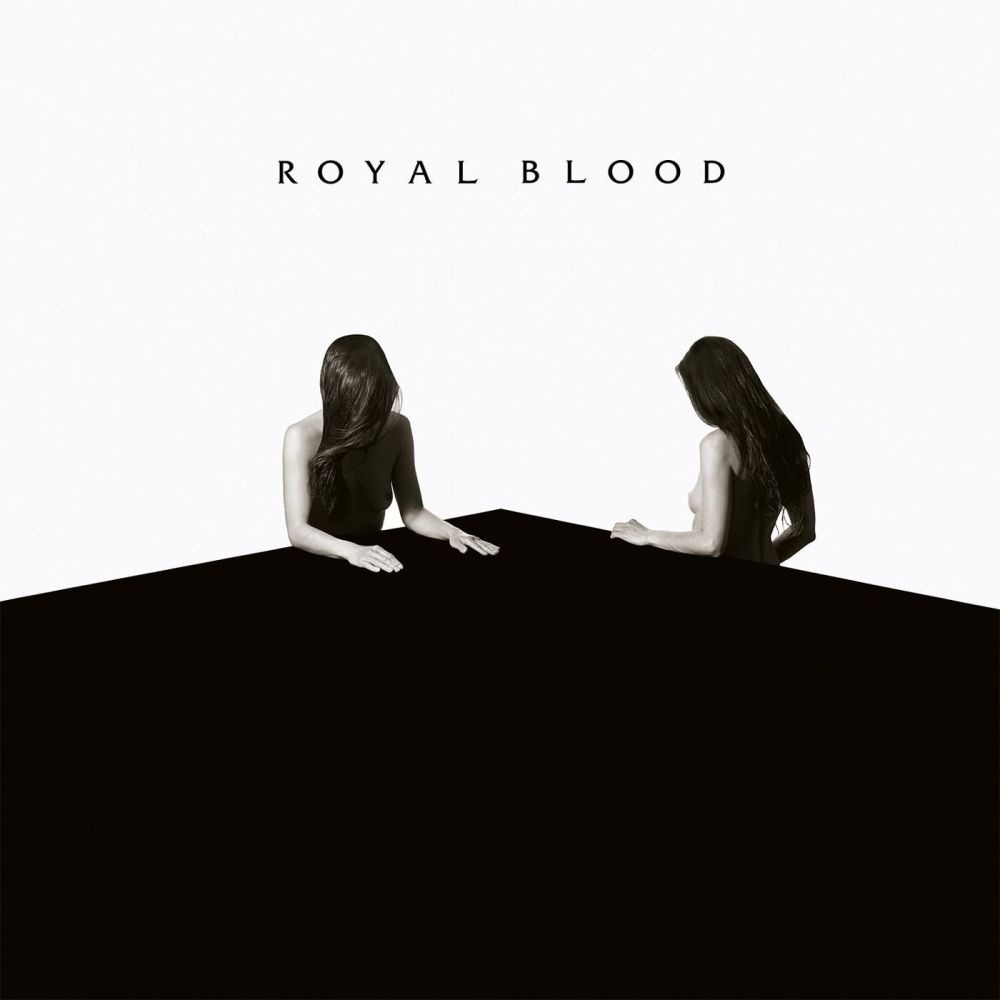
The British rock duo releases their sophomore album.
In the same vein of their self-titled debut, How Did We Get So Dark? is musically similar to its predecessor, with a simple combo of drums and bass guitar. It doesn’t reinvent anything, but manages to provide some more of that decent, meat n’ potatoes hard rock.
The singles are among the more memorable songs here (the title track, Lights Out, I Only Lie When I Love You), though the rest of the songs are absolutely fine. The album often falls into blues-based rock with plenty of bass riffs and competent drumming.
Royal Blood’s debut was good, but not great, and the same goes for this record. Solid rock music, if not a little basic, but nothing more. With saying that, it’s still nice to see this kind of rock music alive and kicking, even if it’s a bit drab for me.
7/10
St. Vincent – Masseduction
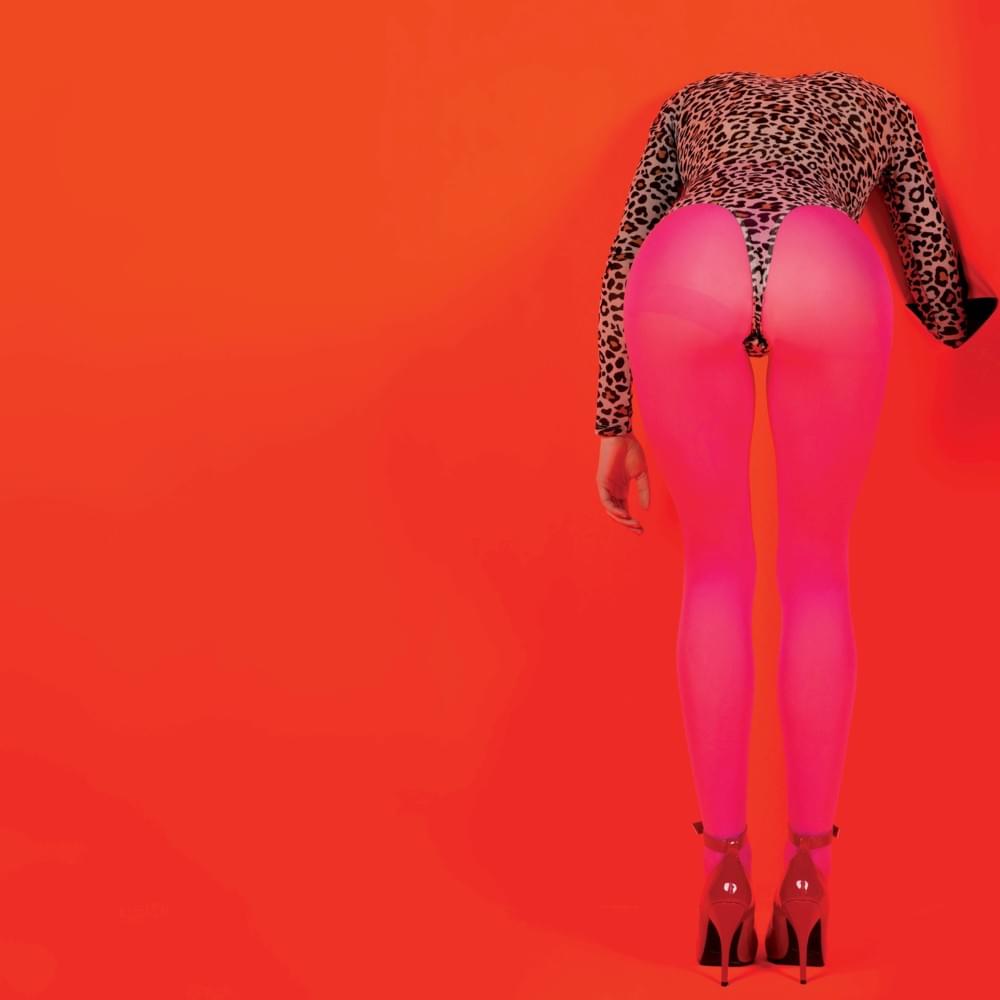
Annie Clark makes a pop album, with help from Jack Antonoff.
Annie Clark had spent the early half of the 2010s becoming an indie rockstar and a critical darling, with a trio of critically-acclaimed albums and even a collaboration with David Byrne of Talking Heads. She was rising fast and decided it was time to make her Jack Antonoff pop album. According to her, Strange Mercy was “housewives on pills” and St. Vincent was “near-future cult leader” and this time, the music was something more personal, despite the pop direction.
Hang on Me is a chilled back intro before going headfirst into the absurdity of Pills. The title track is St. Vincent at her most seductive and sexual. Sugar Boy is a hyperactive dance track. The plastique critique, Los Ageless, is another highlight.
Despite abandoning her indie rock sound for a descent into pop, Masseduction manages to still feel like a St. Vincent album and finds her successfully exploring yet another genre.
8/10
Steven Wilson – To the Bone
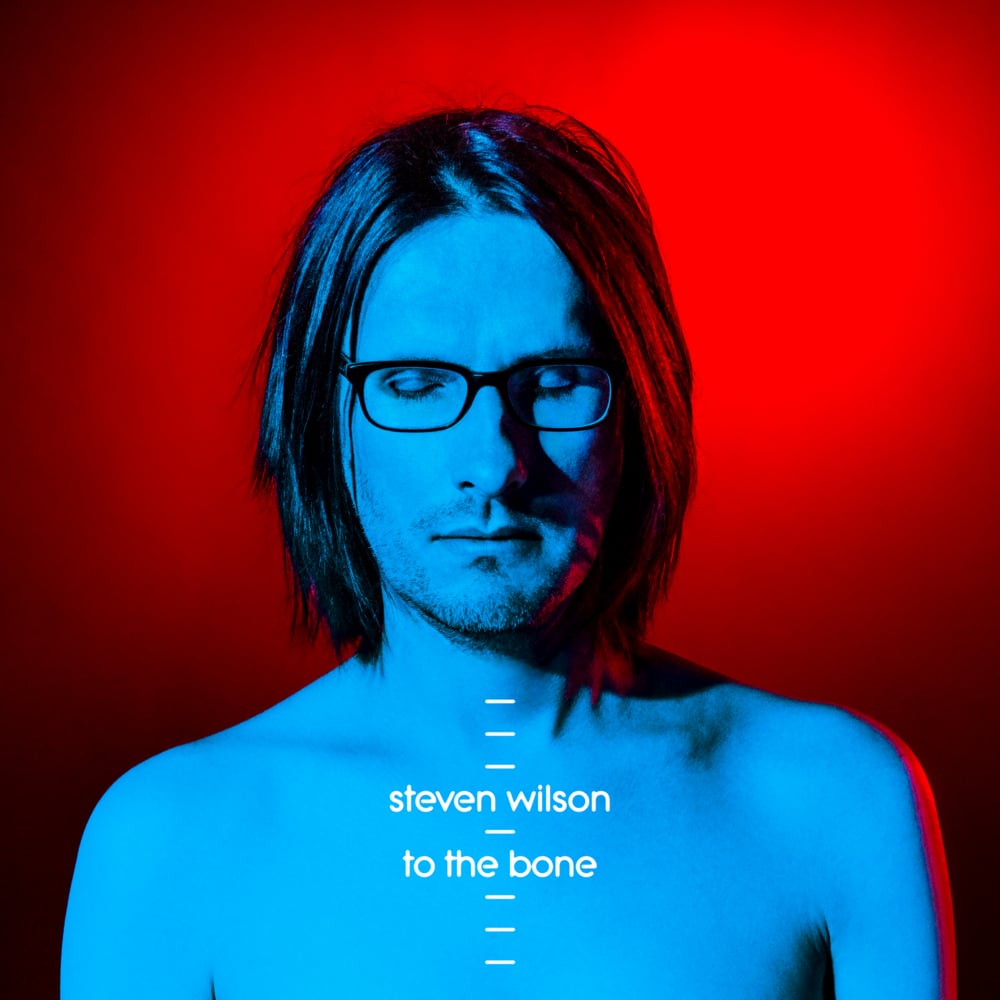
Steven Wilson makes a progressive pop album.
After a strong run of four solo albums that leaned hard into prog rock, To the Bone finds Steven Wilson fusing together a hybrid of prog and pop, inspired by the 1980s works of artists like Peter Gabriel, Kate Bush and XTC.
The title track successfully evokes the 1980s art pop/prog pop sound that Steven Wilson seems to be going for. Nowhere Now has a hint of country in it. Pariah and Blank Tapes both feature the return of Israeli singer, Ninet Tayeb, who had previously appeared on Wilson’s previous album, Hand. Cannot. Erase. The Same Asylum as Before and People Who Eat Darkness are radio-friendly rockers. Permanating sounds like an attempt at an ABBA song. Song of I leans into an electronic direction. The 9 minute-long Detonation proves that even a more accessible version of Steven Wilson isn’t willing to omit longer, more experimental compositions from the album.
While To the Bone might not rival any of Steven Wilson’s many masterpieces (including Porcupine Tree albums), it’s still an under-appreciated album that is far from selling out or dumbing down his sound.
7.5/10
U2 – Songs of Experience

U2 continues their descent into mediocrity.
Despite receiving some of the worst reviews of their career with Songs of Innocence, along with the iTunes fiasco where the album was automatically and permanently loaded onto everyone’s iTunes accounts against their will, U2 were undeterred by the bad reception and continue to work with OneRepublic’s Ryan Tedder on Songs of Experience.
Love is All We Have Left starts the album off with an autotuned Bono, which sounds just as bad as you’d expect; where an artist like Kanye West cleverly uses autotune to elevate the music, Bono just comes off sounding like the “how do you do, fellow kids?” meme. You’re the Best Thing About Me is surprisingly catchy and though it’s rather lightweight when held up to U2’s greatest songs, it’s definitely one of the better recent U2 songs. American Soul features a spoken-word intro by Kendrick Lamar, who had sampled the song earlier in the year on his superior track XXX. Summer of Love feels like typical mid 2010s pop rock slop. Red Flag Day feels like an homage to the post-punk of War and while it’s not necessarily bad, it’s not even close to being as effective as anything off War either. The Showman (Little More Better) is one of U2’s most embarrassing songs yet, with a chorus that’s got more cheese on it than a pizza. Bono does some grating wordless vocals throughout Love Is Bigger Than Anything in Its Way. 13 (There Is a Light) does provide a light, as its the last track on the album.
Songs of Experience is marginally better than Songs of Innocence, but it’s still pretty damn bad.
5/10
Weezer – Pacific Daydream
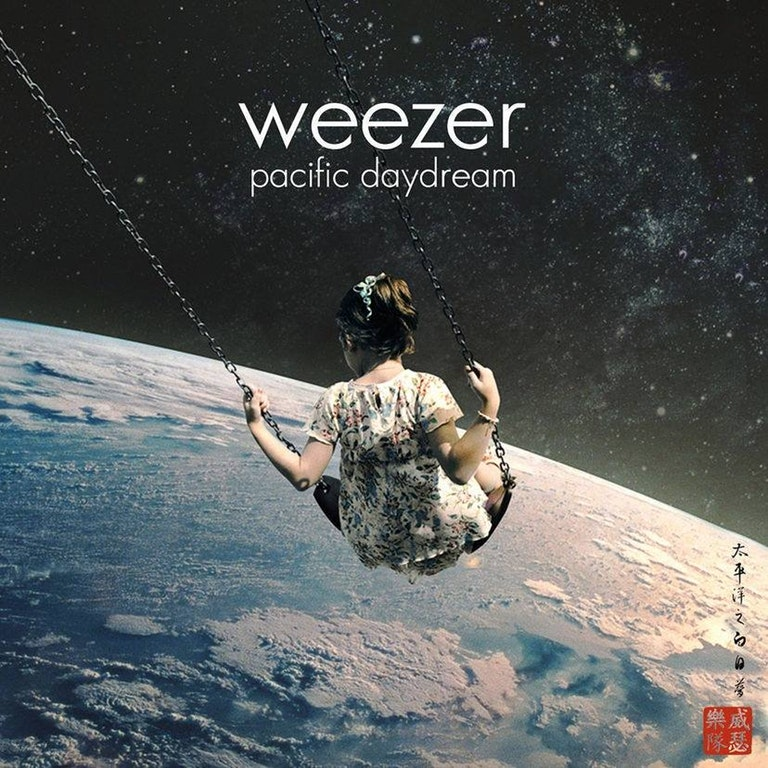
Weezer aims for the Billboard Top 100 and embarrasses themselves in the process.
Starting with 2014’s better than expected Everything Will Be Alright in the End, Weezer was set for a long overdue comeback after nearly a decade of poor reviews and declining quality. This theory was reaffirmed when they released Weezer (White Album), which was easily their most memorable and sincere work in years, doing well with both fans and critics. It wasn’t as great as Weezer (Blue Album) or Pinkerton, but that’s also an impossible standard for the band to hold up to 20 odd years later.
Pacific Daydream fails to even match the standards set by The White Album one year prior and any of the goodwill that it had generated for the band has been completely destroyed with this album. Pacific Daydream strips away any of White Album‘s best traits and leaves only the Billboard-yearning pop elements and Rivers Cuomo’s “How do you do fellow kids?”, out-of-touch longing to be this cool musician who writes these perfect, Excel spreadsheet pop songs and whom everyone loves. When you try to appeal to everyone, you appeal to no one.
Songs like, Mexican Fender, Beach Boys, Feels Like Summer and Happy Hour sound like generic mid 2010s pop rock that you might hear at some “quirky” café, where some non-binary, Liberal arts degree-holding barista with a septum piercing is passive-aggresively making your $8 coffee, while muttering things about the patriarchy under her breath; I can’t say that anything from the Blue Album or Pinkerton ever made me feel like that.
Rivers Cuomo, for the love of god, start writing music with your balls again and stop making this lame nonsense that nobody is asking for.
4/10
FIN
Brett Nippard