Table of Contents:
Animal Collective – Time Skiffs
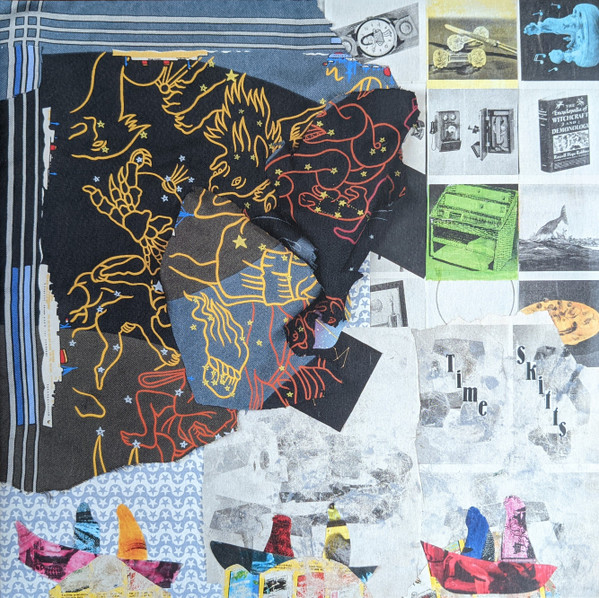
AnCo (somewhat) bounces back, 6 years after the abysmal Painting With.
On Animal Collective’s last proper album, Painting With, the band sounded like what they must sound like to people that hate Animal Collective. That album was annoying, hyperactive and downright grating. Gone were the Beach Boys-on-acid vocal melodies and psychedelic experimentation, in was some of the most annoying call-and-response singing I’ve ever heard in my life. The album also dove in too deep into the pools of pop convention and worst of all, it was far worse than the disappointing Centipede Hz., which followed their magnum opus, Merriweather Post Pavilion. And just like that, Animal Collective went from being Pitchfork indie darlings to a washed up and irrelevant band.
So, does Time Skiffs make up for the lost time? No, not really. It’s a lot better than anything else they’ve done in a decade (which isn’t saying a lot), but it’s lacking that bite that made albums like Strawberry Jam or MPP such classics. This album strikes a better balance of accessibility and stronger songwriting, but it fails to experiment too much or have much to say. It is a better album than their past few LPs (including the soundtrack album, Tangerine Reef), but that bar was quite low.
Time Skiffs is good, but it just isn’t enough of a comeback to make up for a decade of irrelevancy.
7/10
Arcade Fire – WE
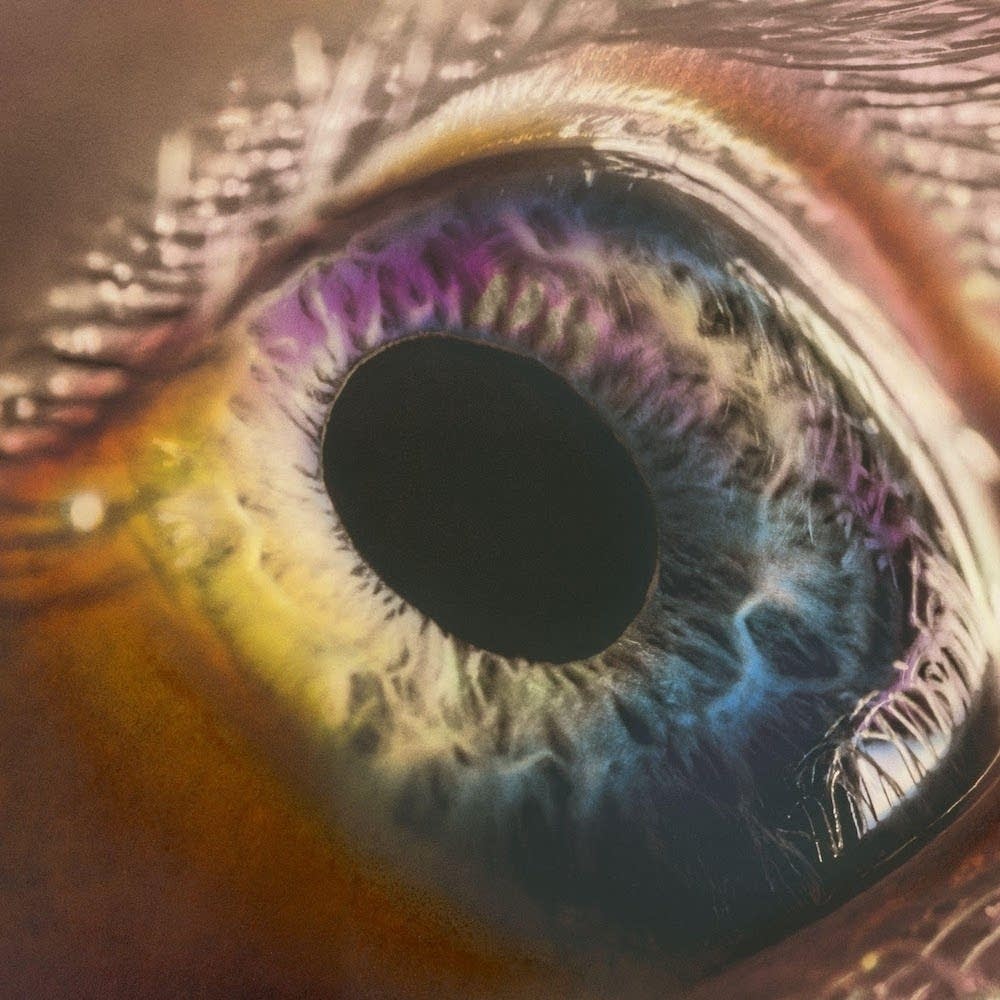
Arcade Fire works with Nigel Godrich.
After the slightly disappointing (but not entirely bad) Everything Now, Arcade Fire returns with a record closer to the high quality they were once known for on the Nigel Godrich (Radiohead) produced, WE. While it may not reach the lyrical heights of their first four albums, the music itself sounds like the next logical step for the band (following the path set by Reflektor) and mostly avoids the criticisms of Everything Now.
Age of Anxiety I sets up the album with some melodramatic piano, whereas Age of Anxiety II (Rabbit Hole) is a Reflektor style dance song. The Lightning I, II (one track, assuming you have the CD) harkens back to Arcade Fire’s indie days and is a glorious triumph of a song. The epic End of the Empire I-IV is probably the closest they band has come to prog rock. Unconditional II (Race and Religion) has an appearance from the legendary Peter Gabriel. The title track is a sparse acoustic track that sounds somewhat similar to Led-Zeppelin’s Tangerine. The only song that somewhat misses is Unconditional I (Lookout Kid), which recalls some of the silliness of EN, but is not bad enough to bring the rest of the album down.
My only other gripe with WE is some of the lyricism, with some perplexingly bad lyrics, like “Hardy har har, Chinese throwing star”, “Born into the abyss, new phone, who’s this?” and “We unsubscribe, fuck season five”, all which sound like the type of satirical, on-the-nose lyricism of Everything Now. Perhaps these lyrics weren’t meant to be taken at face value, but they are still a far cry from the masterful, emotional lyricism of an album like Funeral.
WE is a return to form after the somewhat disappointing Everything Now and though it’s held back only by some weak lyrics in parts, musically, it’s great. Overall, WE is still a big step in the right direction for Arcade Fire.
8.5/10
Arctic Monkeys – The Car
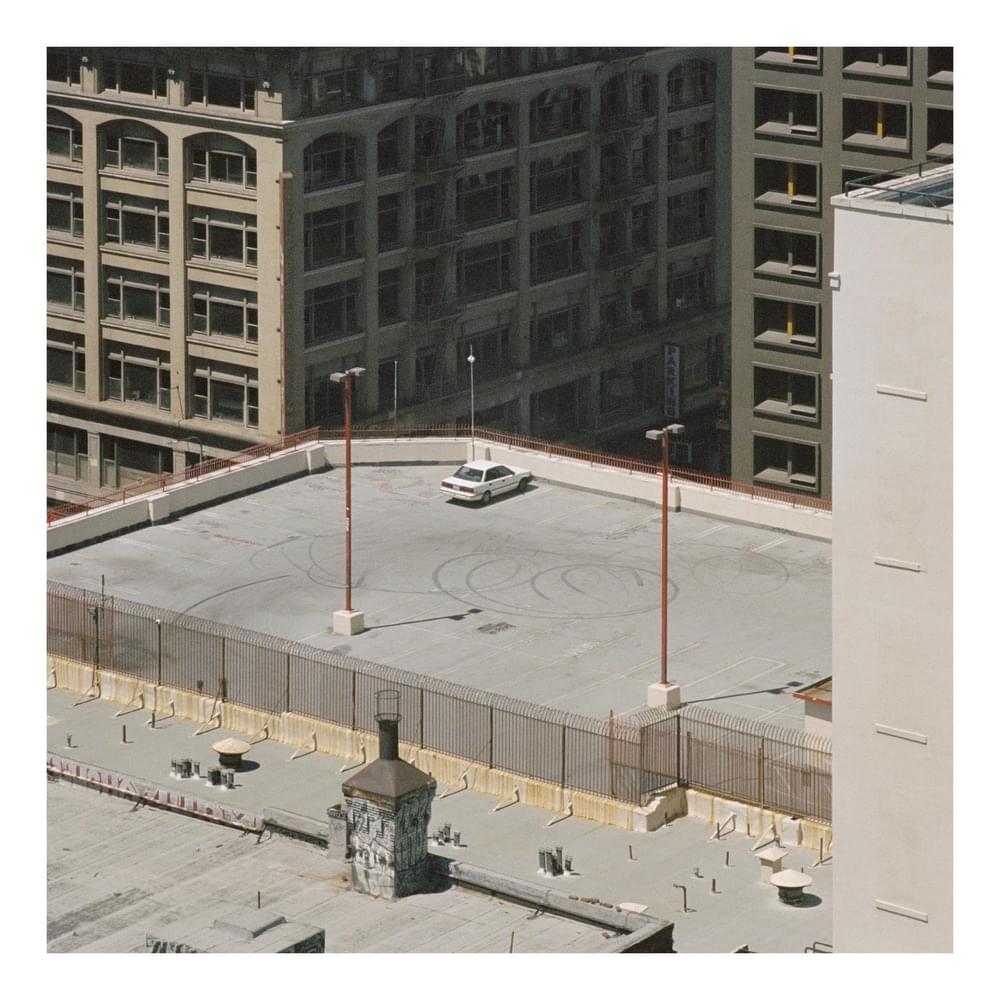
The Monkeys go orchestral on this lush and beautiful album.
On Arctic Monkeys’ seventh album, they successfully reinvent themselves once more, creating a beautiful work of art in the process. James Ford returns as producer, continuing to be the bands’ own George Martin/Nigel Godrich and unofficial fifth member.
Opener There’d Better Be a Mirrorball is one of the strangest lead singles by the band, but also one of the most elegant songs they’ve ever recorded — it’s like an audition for a Bond theme. Arctic Monkeys go funky on I Ain’t Quite Where I Think I Am, which has some killer harmonies and wah guitar, as does the soulful Jet Skis on the Moat. The ominous, synth driven and confrontational Sculptures of Anything Goes makes one yearn for the band to do a full-on electronic album and has Alex Turner asking the listener if their mother still thinks of him, as well as lyrics about a rare Nintendo DS game called City Life 09. The majestic Body Paint sounds Beatles-esque and has a similarly powerful outro to their previous album’s, Four Out of Five. The title track is a moody acoustic track, with an excellent guitar solo. Big Ideas is grandiose and beautiful. Hello You has drummer Matt Helders playing keyboards. Mr. Schwartz takes a detour into bossanova. Perfect Sense is a closer with instrumentation reminiscent to that of The Beach Boys’ magnum opus, Pet Sounds.
The Car feels like a continuation of 2018’s Tranquility Base Hotel + Casino, despite a general change in style and concept; where that album was a neo-psychedelic, sci-fi, lounge rock album about a hotel and casino on the moon, The Car is grounded on Earth, feeling more personal than TBH+C did. Here, Alex Turner swaps out the characters he portrayed on that album with himself, but these past two albums still have far more in common with each other than the rest of their discography — you still have Alex Turner doing his Bowie-like crooning voice, singing strange but witty lyrics and increasingly blurring the lines between his side-project The Last Shadow Puppets and Arctic Monkeys.
Because of the resemblance to Alex Turner’s side project, a lot of fans were unhappy with this direction and felt like this should have been a Last Shadow Puppets album instead, but a large group of vocal Arctic Monkeys fans have been notoriously difficult to please since the band’s first two albums, constantly criticizing the many left turns of the band. That very sense of adventure and unpredictability is what has made Arctic Monkeys such a fascinating band that has outlived many of its peers — you never know what’s going to come next and despite the risk-taking, the band always delivers.
The Car is one of my favourite albums of the decade so far and has me impatiently awaiting the next chapter in the band’s story.
10/10
Beach House – Once Twice Melody
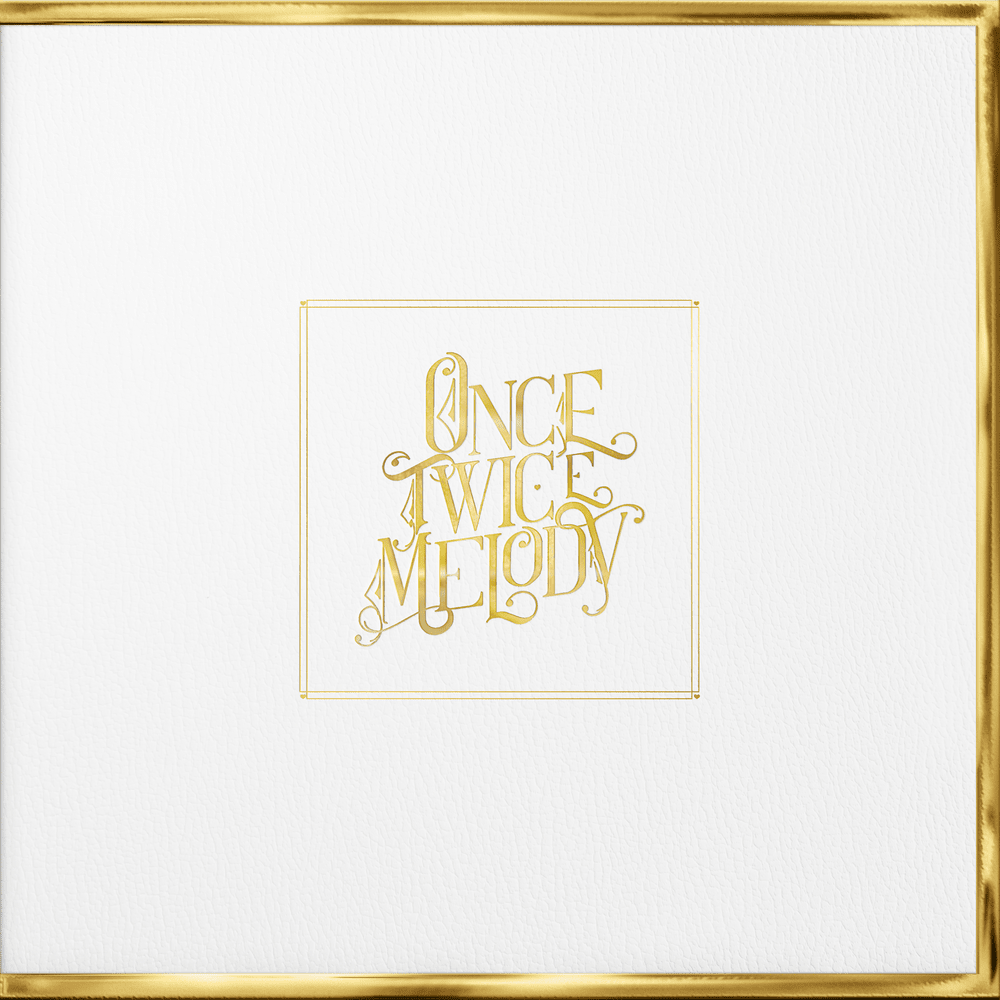
Beach House releases a double album.
Beach House continues to make some of the most serene dream pop imaginable on their first double album, arriving four years after their last album, 7.
The title track is one of the band’s best songs yet. Songs like Superstar and Runaway sound like they could have been on the soundtrack to the 2011 Ryan Gosling film Drive. Pink Funeral is dreamy as a lullaby. ESP is otherworldly and ethereal. Modern Love Stories wraps the album up nicely with a neat little bow.
Like every Beach House album before, the band doesn’t really change up their sound very much, but they excel at this type of music and have a formula that works, so if it ain’t broke…
8/10
Black Country, New Road – Ants From Up There
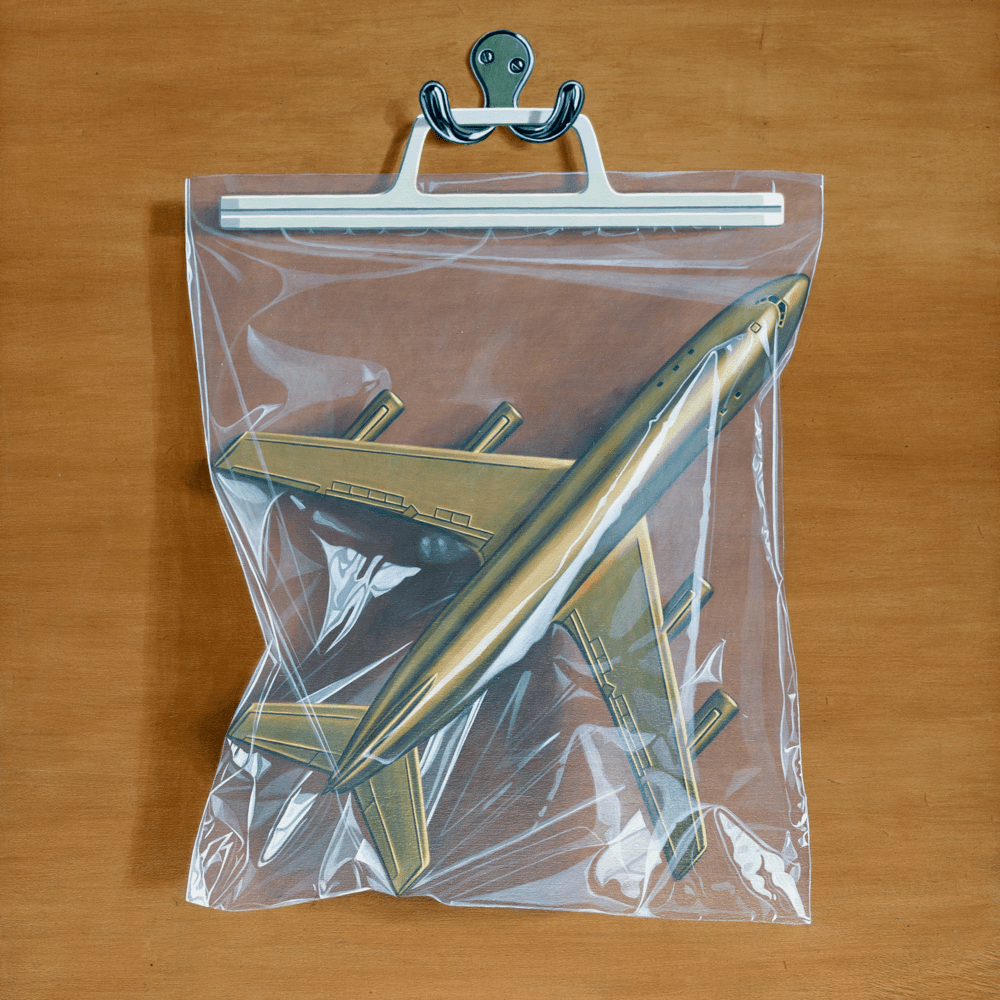
The Windmill scene band gets even more ambitious on their sophomore album.
Where Black Country, New Road’s debut album, For the First Time, had a generally darker atmosphere, Ants From Up There feels more rustic in sound and sanguine in tone. Instead of rehashing a similar sound, the band evolves on their sophomore record and creates a masterpiece that’s arguably better than its predecessor.
A Zappa-esque intro leads off into the violin-barrage of Chaos Space Marine. Concorde is a waltz that could have easily come off as schmaltzy, but is instead earnest, genuine and downright beautiful. Good Will Hunting (named after the classic Ben Affleck/Matt Damon/Robin Williams film) has a memorable Billie Eilish-referencing chorus and could have easily been a single, though it wasn’t. Snow Globes and Basketball Shoes are the longest songs on the album and are slow-building epics that may require patience, but are ultimately rewarding should you be able to allow them to unfold before you, like flowers blooming in the springtime.
One of the best things about Ants From Up There is how different it feels from its predecessor, but still feels like the same band. While I do prefer their debut (if I had a gun to my head and had to choose), I’d argue that AFUT is the more accomplished record of the two. This is a monumental album that is deserving of all the praise it has gotten.
10/10
black midi – Hellfire
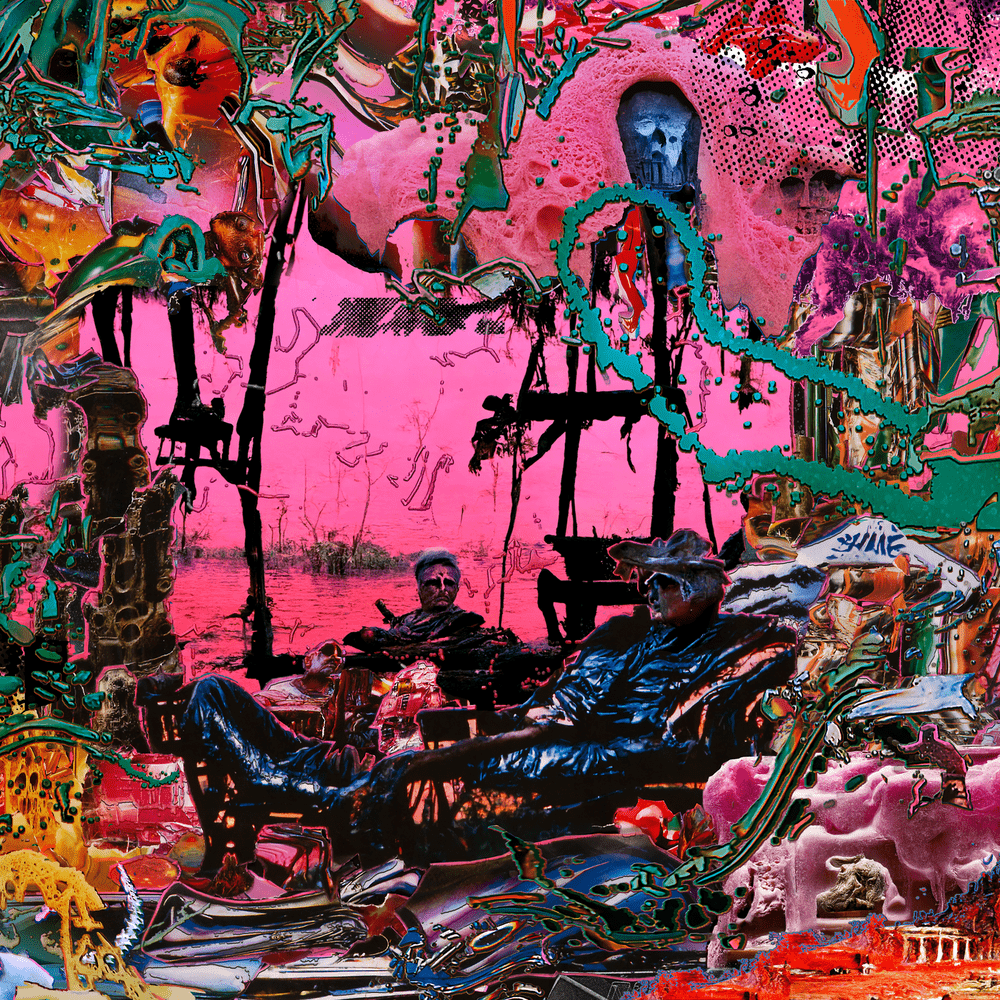
black midi releases their final album (for now).
Expanding upon the chaotic jazz of the previous year’s Cavalcade, Hellfire sees black midi get even crazier with their brand of demented prog rock, as evident by songs like Sugar/Tzu, Welcome to Hell and Dangerous Liaisons, the latter of which also blends in some of the sensuality of previous songs like Marlene Dietrich. There are also country stylings that adorn songs like Still, The Defence and 27 Questions, showing a mix of both anarchy and bliss.
While Hellfire shares a lot in common with its predecessor, it’s just as good as that album was and is a hell of a way for the band to bow out.
9/10
Charli xcx – CRASH

Charli releases a more traditional pop album, foregoing her usual experimentation.
After releasing her best album yet with how i’m feeling now, an album that balanced both hooks and experimental production, Charli xcx releases CRASH, her most conventional project since her first two albums (at least relatively-speaking). Although it foregoes much of the experimentation, it’s still an album ripe with accomplished pop, sublime production and hooks galore.
The title track is probably the first thing to make car crashes sexy since the controversial 1996 David Cronenberg film of the same name. Christine and the Queens features on the deliciously 80s, New Shapes. The synths in Good Ones bring to mind Eurythmic’s Sweet Dreams (Are Made of This). Baby sounds a bit like the late 2000s Britney Spears track, Toxic. Charli seems disgusted by love on Yuck.
CRASH produced six singles (Good Ones, New Shapes, Beg for You, Baby, Every Rule, Used to Know Me), but any song here had the potential to have been one. The album may lack the experimentation that made her last album such a masterpiece and indulges a bit too much in 1980s revivalism, but this is still superb pop that few of Charli’s contemporaries can match.
9/10
Jack White – Fear of the Dawn
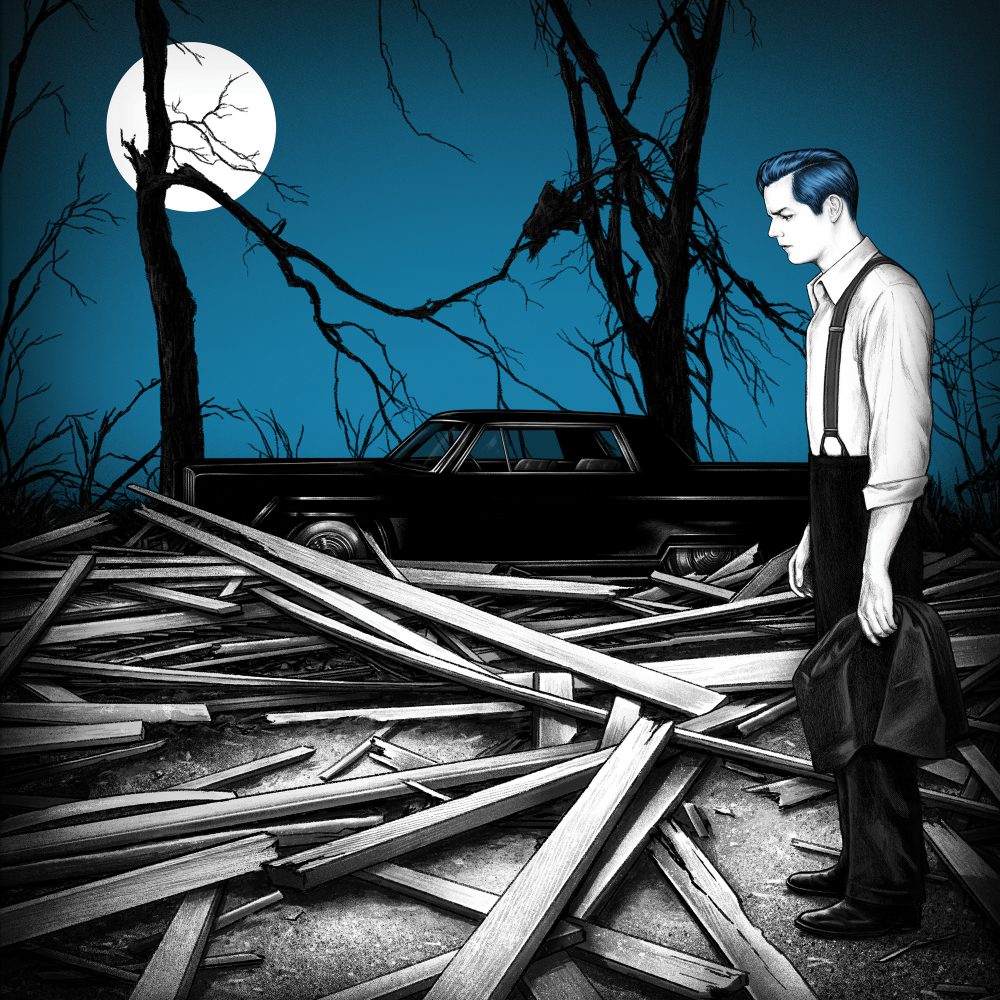
Jack White releases an all electric album.
Jack White continues with the experimentation of Boarding House Reach, but refines it, tones it down a bit and gives it more of a hard rock edge this time. As all the acoustic songs were put on Entering Heaven Alive (which released a few months later), this album is nothing but electrified rock songs throughout — no ballads or acoustic songs in sight, just experimental hard rock.
Out of the gate, Taking Me Back is a welcome return to Jack White’s more straightforward rock n roll that was only teased on Boarding House Reach, though it still has plenty of electronics to accentuate it. The title track is quite possibly the heaviest thing he’s released on any of his solo albums, bringing to mind metal-adjacent White Stripes songs, like Little Cream Soda. Hi-De-Ho features Q-Tip of A Tribe Called Quest and is one of the most bizarre songs that Jack White has made in any of his many projects and it’s all the better for it. The White Raven is a fuzzed-out rocker with gospel vocals. What’s the Trick? is a classic Jack White blues rock exercise. Dusk is a rather pointless 30 second interlude and Into the Twilight feel like a Boarding House Reach leftover. Eosophobia has a reggae sound and plenty of cool guitar work, though I’m not sure a reprise was necessary. The moody, downtempo Shedding My Velvet closes the album off.
Fear of the Dawn is Jack White’s most consistent and exciting solo album since his debut, Blunderbuss. Unlike on Boarding House Reach, where the experimentation sometimes felt forced, it feels more organic here. Overall, Fear of the Dawn is an excellent rock record with very few misses and lots of great riffs.
8.5/10
Jack White – Entering Heaven Alive
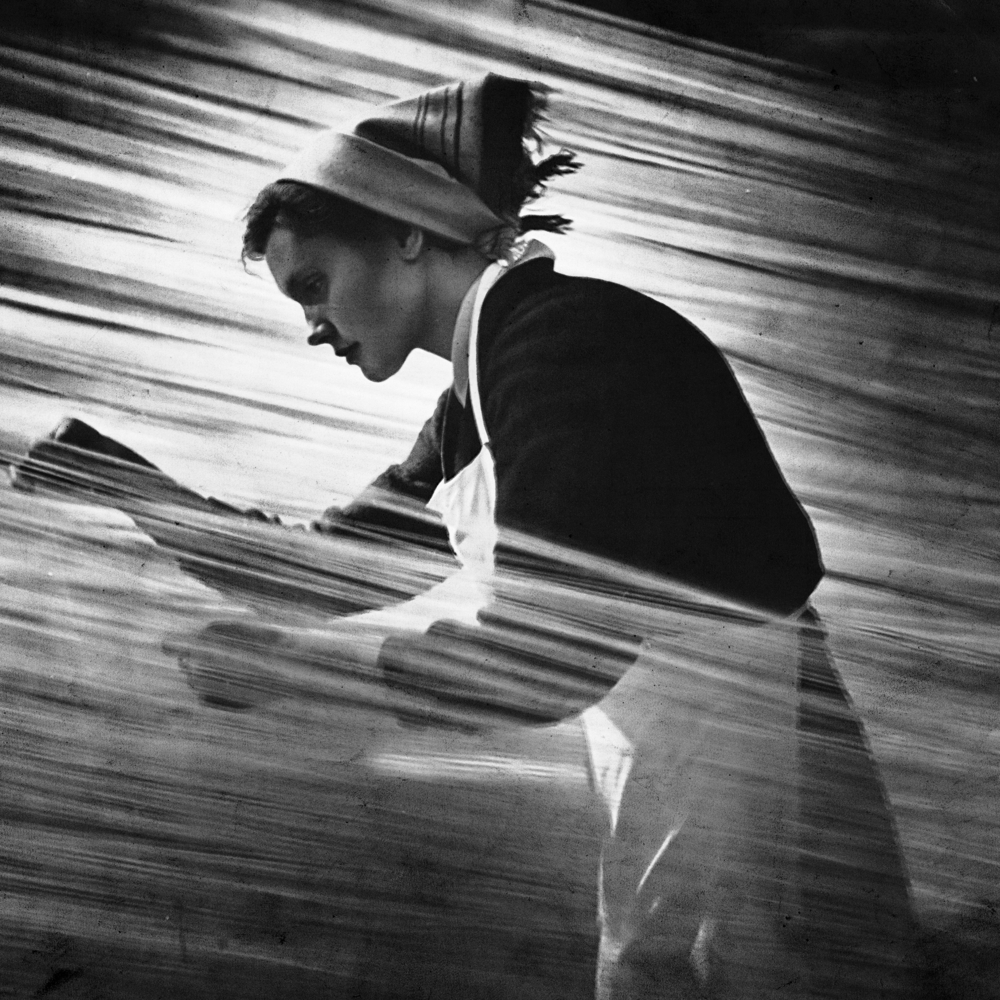
Jack White releases an all acoustic album.
Following the all electric Fear of the Dawn, Entering Heaven Alive is the all acoustic companion, though it slightly falls short when compared to its predecessor.
Entering Heaven Alive is somewhat of a mixed bag when compared to the more consistent Fear of the Dawn, though songs like A Tip From Me to You, If I Die Tomorrow and A Madman from Manhattan are all strong. On the contrary, tracks like, the campy Queen of the Bees is one of the worst songs Jack White has released on a solo record and the old-timey Taking Me Back (Gently) is vastly inferior to the version found on Fear of the Dawn.
Though Entering Heaven Alive is not as consistent as Fear of the Dawn was, it still makes for a pleasant companion piece to that album and still has that Jack White charm to it.
7.5/10
Trivia: Entering Heaven Alive is the only solo Jack White album that does not have any blue on its cover.
Kendrick Lamar – Mr. Morale & The Big Steppers
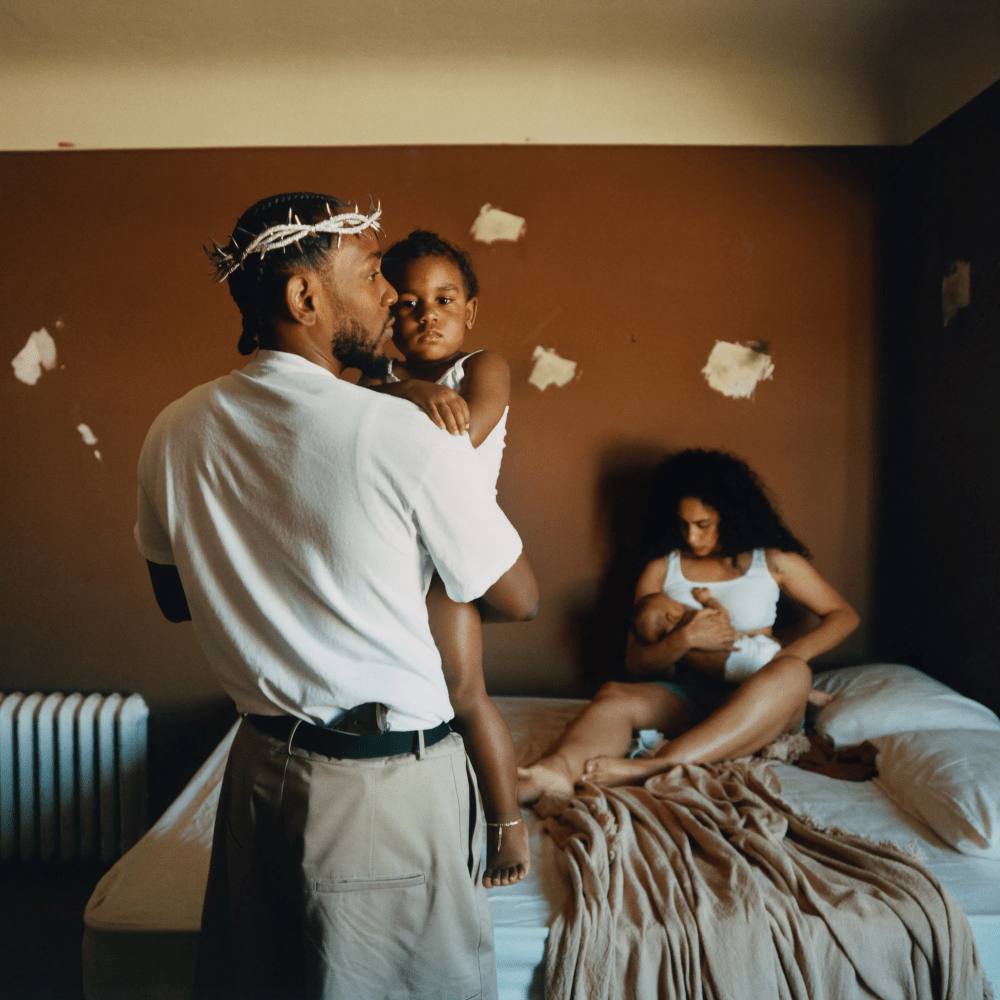
Kendrick Lamar confronts his inner demons and generational trauma on his first double album.
Split up into two halves, The Big Steppers (side 1) and Mr. Morale (side 2), Kendrick Lamar gets extra introspective on his fifth album, crafting his most intimate work yet, as well as one of the most unique sounding rap albums I’ve ever heard. Where Kendrick’s previous albums revolved around his relationship with different environments at different levels (his neighbourhood, city, country and world), this time everything goes from macro to micro, as Kendrick opens up about himself, his family and his inner demons more than ever before.
The opener, United in Grief, has a brilliantly jarring beat, accompanied by piano. N95 gets confrontational, using covid masks as an analogy. Worldwide Steppers has another cool, unconventional beat. Die Hard is a beautiful pop track that uses a similar template set by previous songs, like LOVE. and LOYALTY. Father Time has Kendrick opening up about his daddy issues and how important having a male role model is — it’s up to parents to break the cycle of abuse from continuing on into the next generation and in this case, Kendrick’s decisions will impact his own son for the rest of his life. We Cry Together is an experimental, avant garde track where a heated, profanity-fuelled argument between a couple acts as the song’s vocals. Silent Hill (named after the survival horror video game) has one of Kendrick’s moodiest instrumentals. Mr. Morale is one of the album’s bangers, opening with a sample of a youtuber criticizing the Dallas Cowboys. Auntie Diaries deals with the transsexualism of a family member in a non-preachy, nor offensive way and Mother I Sober features the always beautiful Beth Gibbons of Portishead.
This was the longest wait between Kendrick Lamar’s albums (5 years, 4 if you count the Black Panther OST), though it was definitely worth the long wait. Mr. Morale & The Big Steppers is one of the greatest albums of the decade and is yet another master work by the Compton poet, full of introspective reflection and naked vulnerability.
10/10
Trivia: Mr. Morale & The Big Steppers won Best Rap Album at the 65th Annual Grammy Awards.
King Gizzard & The Lizard Wizard – Made in Timeland
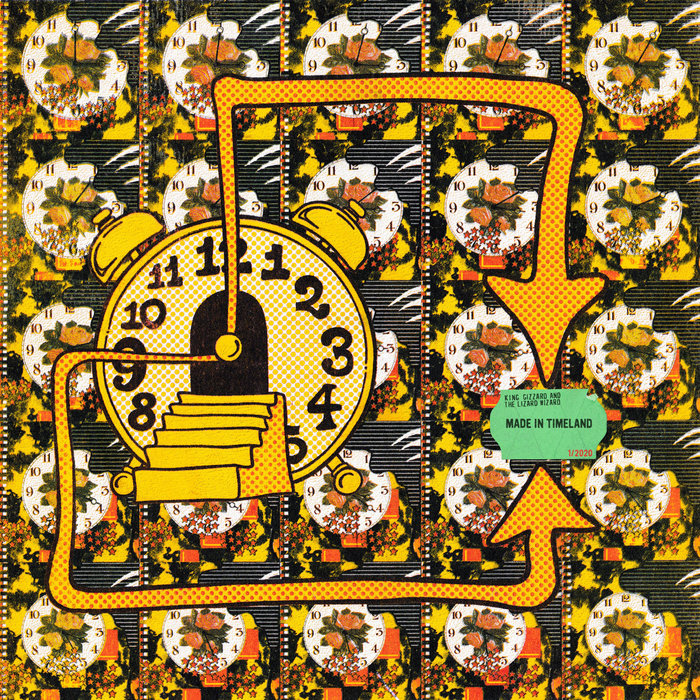
Album #19: Progressive Electronic
Originating as intermission music during their lengthy live performances and consisting of just two songs that are each exactly 15 minutes, with a consistent 60bpm beat that’s made to sound like a clock ticking, Made in Timeland has the Australian psychedelic rock sextet continuing to push forward into experimentation, with one of their most bizarre and unconventional albums yet.
The instrumental title track mostly falls within the progressive electronic genre, though there’s a more ambient section with ocarina, and a mellotron section that, when paired with the ticking clock beat, sounds like something you’d encounter with Alice in Wonderland — Smoke & Mirrors is a similar song, but it includes some rapping from Ambrose Kenny-Smith, something that has never been done before on any previous King Gizzard & The Lizard Wizard songs.
Made in Timeland isn’t the most accessible KGATLW album and lacks the replayability of much of their work, but it’s still a fascinating concept all the same.
7/10
King Gizzard & The Lizard Wizard – Omnium Gatherum
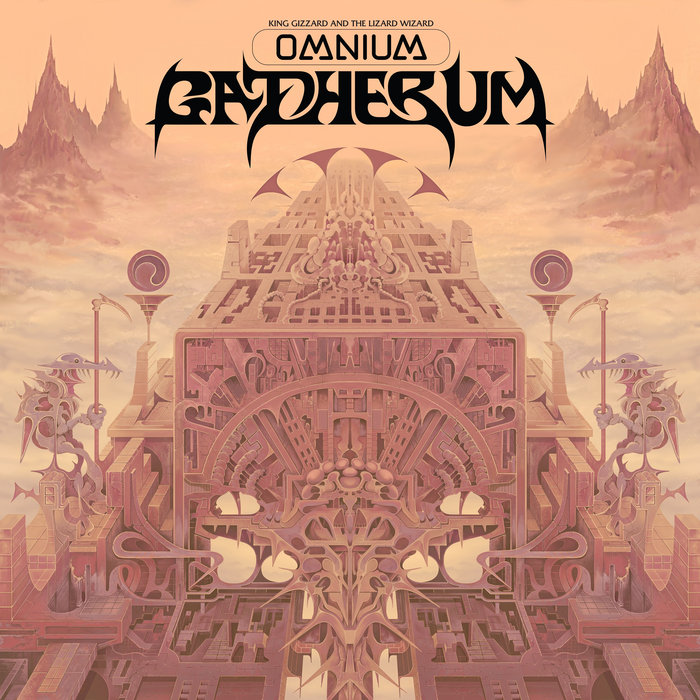
Album #20: Psychedelic Pop / Thrash Metal / Jam Band / Jazz Rock / Funk Rock / Hip-Hop
Like Oddments and Gumboot Soup before it, Omnium Gatherum is another collection of assorted songs that didn’t make it onto recent albums, making for an eclectic mix of genres and styles on one album. At an hour and twenty minutes, Omnium Gatherum is also King Gizzard & The Lizard Wizard’s longest album yet.
The opening song The Dripping Tap is the band’s longest studio recording to date at 18 minutes, surpassing 2013’s Head/On Pill by two minutes — it’s an incredible jam song and one of the band’s most accomplished pieces. The blissful Magenta Mountain sounds like a Butterfly 3000 outtake. Kepler-22b is kinetic and jazzy, like something off of Sketches of Brunswick East. Gaia and Predator X see a welcome return to the thrash metal of Infest the Rats’ Nest. The funky Ambergris is solely credited to Joey Walker. After some brief rapping from Ambrose Kenny Smith on the Made in Timeland track Smoke & Mirrors, the band goes one step further with full-on Beastie Boys style hip-hop on Sadie Sorceress and The Grim Reaper. The Funeral closes the album with some eastern (but not microtonal) instrumentation and a ticking clock, recalling Made in Timeland.
Ambrose Kenny-Smith has a lot of songwriting credits on Omnium Gatherum (7), along with several songs from Joey Walker and Cook Craig, which could be the result of the band becoming more democratic, or that Stu Mackenzie has had to dedicate more time to being a father, resulting in him sharing more of the songwriting duties with his bandmates, though Mackenzie is still credited on all but two songs.
Where Oddments very much felt like an album of random scraps, Omnium Gatherum is more like Gumboot Soup, where the songs are clearly not excluded for lack of quality, but because they may not have fit on the themed albums that preceded them — the only difference is, there’s even more to feast on here.
8.5/10
King Gizzard & The Lizard Wizard – Ice, Death, Planets, Lungs, Mushrooms and Lava
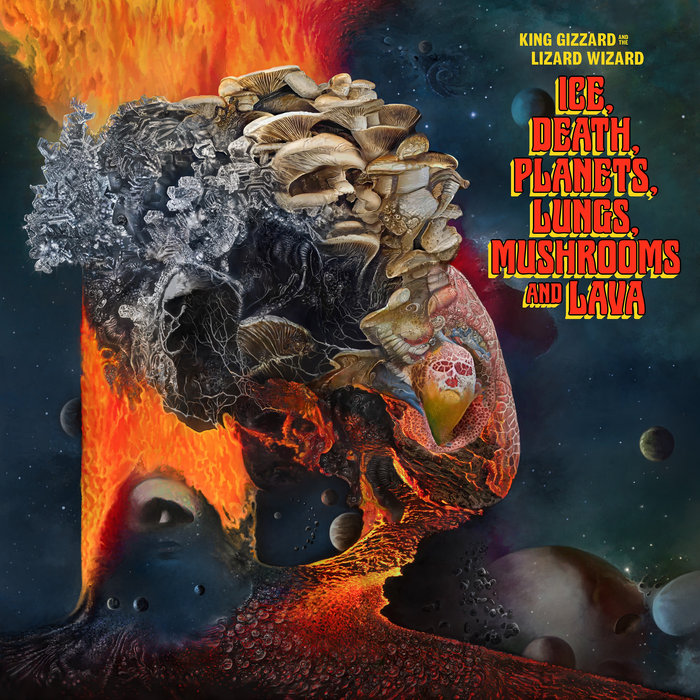
Album #21: Jam Band / Jazz Rock
Having already released two albums in 2022, the ever-prolific King Gizzard & The Lizard Wizard had announced in summer that they’d be releasing three more albums in October. Back in 2017, the band had already released five albums in one year (likely some sort of world record), which was all the more impressive when you discover that every one of them was good to great. Based on the reception of their last album, Omnium Gatherum, there’s no doubt that the band has it in them to release another five solid records before the end of the year.
Similarly to 2015’s Quarters! and the recent Omnium Gatherum track The Dripping Tap, which found King Gizzard & The Lizard Wizard jamming and improvising for 18 minutes, Ice, Death, Planets, Lungs, Mushrooms and Lava is another excursion into jam rock, and the sextet’s most collaborative work to date, with most of the band credited on all the songs.
Mycelium is a buoyant opening jam with some reggae influence, sounding like a spiritual successor to the brand of rock music that Grateful Dead pioneered decades prior. Lead single Ice V is the type of jazz fusion that Frank Zappa might enjoy had he been around to hear it, at least until he discovers that the band are hippies. Magma is another jazzy song, with some truly volcanic riffs, where Lava is a slower jam, with tribal drumming. Hell’s Itch is the longest track at 13 minutes, with rather verbose ways to describes scratching an itch, and the joys that come with it. The claustrophobic Iron Lung might just be the cream of an already impressive crop, with some of the most insane guitar solos in the KGATLW back catalogue. The King Crimson-like closer, Gliese 710, is another powerhouse of a track.
Ice, Death, Planets, Lungs, Mushrooms and Lava is a showcase of just how incredible of chemistry these six musicians have together, making for an overwhelmingly successful execution of jam rock from King Gizzard & The Lizard Wizard.
9/10
King Gizzard & The Lizard Wizard – Laminated Denim
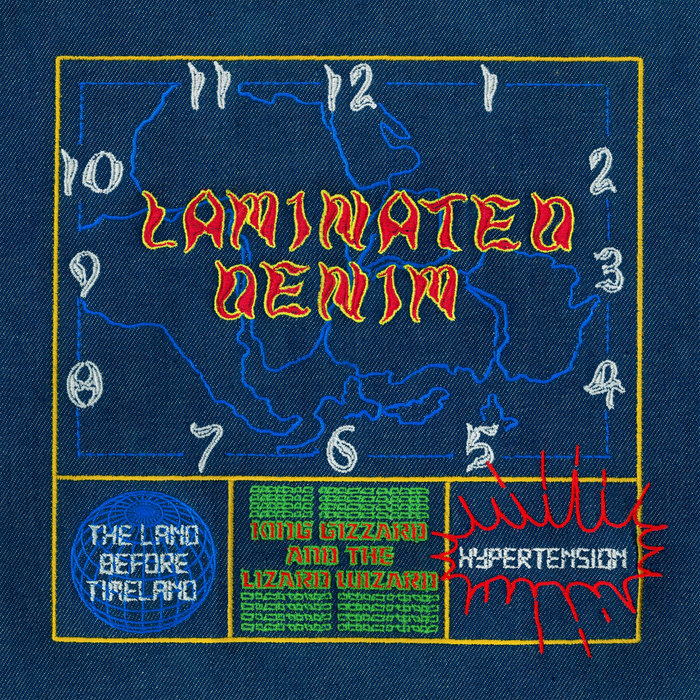
Album #22: Jam Band / Krautrock
Like Made in Timeland, both of the songs on Laminated Denim are exactly 15 minutes in length, with the title itself being an anagram of its sister album — the difference here though, is that instead of electronic music, Laminated Denim continues the jam band rock of Ice, Death, Planets, Lungs, Mushrooms and Lava, though there is more of a krautrock influence here.
Like the Made in Timeland title track, The Land Before Timeland starts off with a 60bpm beat, before switching gears to a Neu style motorik beat; the driving Hypertension is a similar krautrock track, with plenty of incredible guitar interplay between Stu Mackenzie, Joey Walker and Cook Craig.
Laminated Denim is an excellent record that compliments Made in Timeland, with plenty more of the impressive jamming that’s permeated much of King Gizzard & The Lizard Wizard’s 2022 music
8/10
King Gizzard & The Lizard Wizard – Changes
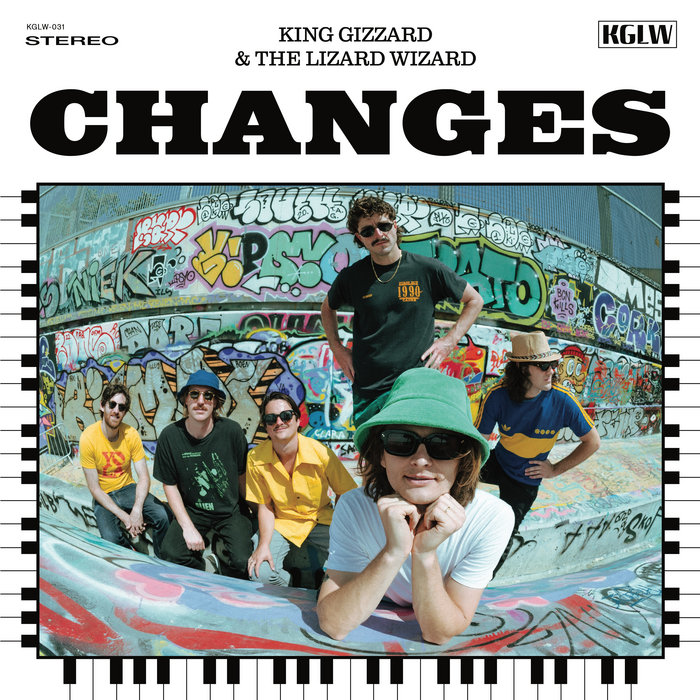
Album #23: Progressive Pop / Psychedelic Soul / Jazz Pop
With recording starting back in 2017, Changes has had the longest development time of any King Gizzard & The Lizard Wizard album yet; as for the concept, every song on Changes is derived from a chord progression from the opening track, Change, a 13 minute-long opus full of electric pianos and seventies synthesizers.
Hate Dancin’ is a song about losing yourself to dance and not caring what others think. Astroturf is a funky track that criticizes the sterility of the titular plastic, artificial grass. Exploding Suns and No Body are slow and moody jams, the latter of which is like a shortened Hotel California — it even has an outro solo too. Gondii evokes a less wimpy late 70s/early 80s Genesis prog pop. The album ends with Short Change, which is a sped-up and shortened coda of the first track.
Changes is yet another successful exploration of genre and implementation of a concept, providing a satisfying conclusion to King Gizzard & The Lizard Wizard’s incredible run of five albums in 2022.
8/10
The Mars Volta – The Mars Volta
The Mars Volta reinvents themselves as a pop band.
It had been 10 years since The Mars Volta’s last album, Noctourniquet, and in the time between then, Omar Rodríguez-López and Cedric Bixler-Zavala had reformed At the Drive-In and released that band’s first album in 17 years. It wasn’t a very successful reunion, despite the album being surprisingly good and the band broke up again soon after, though it opened the door for a Mars Volta reunion, which finally happened in 2022.
Instead of the progressive hijinx they were known for in the 2000s, the band’s eponymous album is well-produced and expertly-performed pop music with a Latin touch. The production here is really good — in fact, it might be one of their best-sounding albums yet, but musically, it’s rather neutered when compared to their original body of work, completely devoid of the boldness and kinetic chaos that the group achieved in their prime.
I’m not against reinventions and I understand wanting to achieve commercial success and accessibility, but The Mars Volta got rid of everything they did so well in the past on this record and focus too much on Cedric’s vocals and a general sense of convention. As any other band, this might have been a great record, but as a TMV album, this is not what fans waited a decade for and it simply bored me.
6/10
MGMT – 11•11•11
MGMT releases an album recorded 11 years earlier.
Recorded on November 11, 2011, 11•11•11 is a one-off live recording of all original material that was not released until exactly 11 years later. Having been commissioned to write music for a particular art installation in a museum, 11•11•11 is the sound of MGMT challenging themselves as artists and mostly succeeding. There are several interludes and most of the songs are instrumentals, but this is the sound of a band at its most adventurous and abstract.
Invocation is dark and almost Flaming Lips-like, which is no surprise given the two bands’ then recent work together (Worm Mountain) and their shared producer, Dave Fridmann. Whistling Through the Graveyard and Forest Elf both bring to mind the childlike whimsy of late 1960s Beach Boys and Beatles. The nine-minute-long Tell It to Me Like It Is is truly entrancing, as are I Am Not Your Home and Unfriend, which are all spaced-out and psychedelic. Who’s Counting is also quite fantastic.
It makes you wonder how this would have been received had it been released in 2011, but it was very MGMT to wait to release it exactly 11 years after its recording date.
7/10
Muse – Will of the People
Muse continues their fight against the powers that be on this mixed bag of an album.
Where 2018’s Simulation Theory was already testing the loyalty of Muse’s fanbase, Will of the People does the band no favours, with another of Muse’s weakest albums yet.
The title track is basically just Marilyn Manson’s The Beautiful People with different lyrics. The anti-authoritarian anthem Compliance is one of the better tracks here, though the choice of synthesizers used on it are a bit questionable. Liberation has that Queen bombast that’s so embedded into Muse’s DNA by now. At times, Won’t Stand Down is one of the best songs here, but at other times, it sounds too similar to that god-awful SAIL! song by Awolnation. Ghosts (How Can I Move On), Verona and Euphoria are rather run-of-the-mill ballads. The heaviness of We Are Fucking Fucked is welcome, though the chorus sounds rather juvenile. Those Dracula synths and that vocoder voice make You Make Me Feel Like It’s Halloween a bitter pill to swallow. Kill or Be Killed is the closest to a Muse classic here.
Muse still puts on one of the best live shows and Matt Bellamy’s politically-charged lyrics are still meaningful in an increasingly dystopian world, but overall, Will of the People feels like a continuation of their fall from grace.
5/10
Porcupine Tree – CLOSURE / CONTINUATION
Porcupine Tree returns after 13 years.
Within the time between Porcupine Tree’s last album, The Incident, and CLOSURE/CONTINUATION, Steven Wilson had released five more solo albums, with his fanbase growing with every release, going from cult hero to one of the torchbearers of modern alt rock. During that time, Porcupine Tree had become more and more respected by both prog and metal fans alike, with many of their albums being held in high regard, reaching the upper echelons of prog rock. There was an increasing demand for Wilson to revive PT, though it seemed unlikely to ever happen, especially considering the moderate success of his solo career. Then, in late 2021, Harridan came out as a lead single and blew away any doubts about whether a reunion would be a good idea or not.
Harridan is without a doubt the best song on C/C and was a wise choice for first single, despite its 8+ minute runtime, though the rest of the album can hold its own — it’s also one of PT’s best tracks in general. Of the New Day features many impressive time signature and chord changes, almost more-so than your typical PT song. Rats Return has one of Wilson’s best metal riffs. Herd culling is a fine song, though it doesn’t feel a bit repetitive by the end of it. Chimera’s Wreck is this album’s sprawling epic and a powerful closer. The bonus tracks are also great, particularly Love in the Past Tense.
While C/C doesn’t surpass the heights of the band’s work between 2002-2007, I think most fans would still be optimistic about a continuation after this.
8/10
Pusha T – It’s Almost Dry
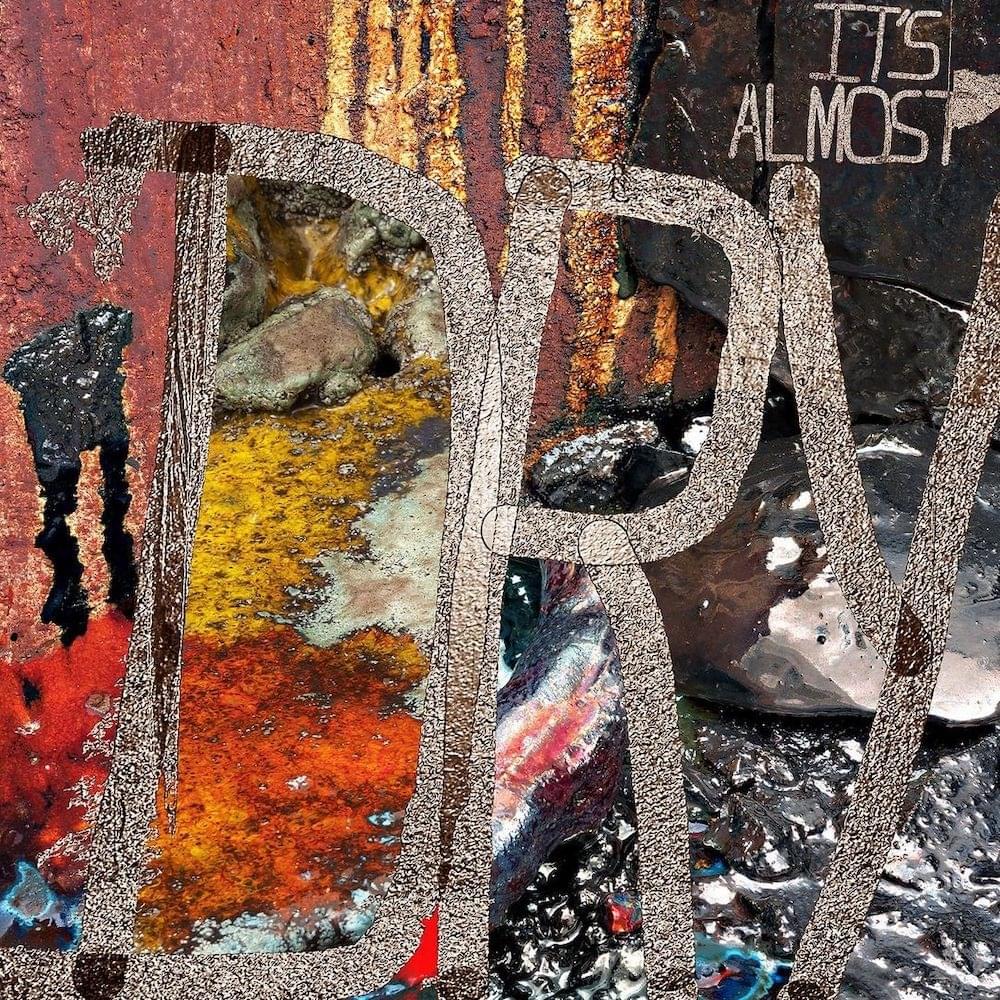
Kanye West and Pharrell Williams split production duties for Pusha T.
Four years after Pusha T’s best solo album yet, DAYTONA, and the now legendary Drake diss track The Story of Adidon, comes It’s Almost Dry, which more than delivered on being another jewel in Pusha’s coke-laced crown. This time, instead of production being exclusively handled by West, the production duties were split halfway between him and longtime Pusha T collaborator, Pharrell Williams (who was integral to Clipse’s success) and despite this schism, the album feels cohesive as a project.
Brambleton and Let the Smokers Shine the Coupes begin the album with some of Pharrell’s best beats and compensate for that abomination that was Happy. Neck & Wrist features a semi-retired Jay-Z. As for West’s contributions, Dreamin’ of the Past samples a soulful cover of John Lennon’s Jealous Guy and Diet Coke is one of the finest instrumentals he’s crafted for Pusha T. The minimalistic Just So You Remember is another gem. I Pray For You features Pusha T’s brother and ex-Clipse partner, No Malice (formerly known as Malice).
It’s Almost Dry is an excellent rap record that’s up there with Clipse’ Hell Hath No Fury and DAYTONA.
9/10
Red Hot Chili Peppers – Unlimited Love
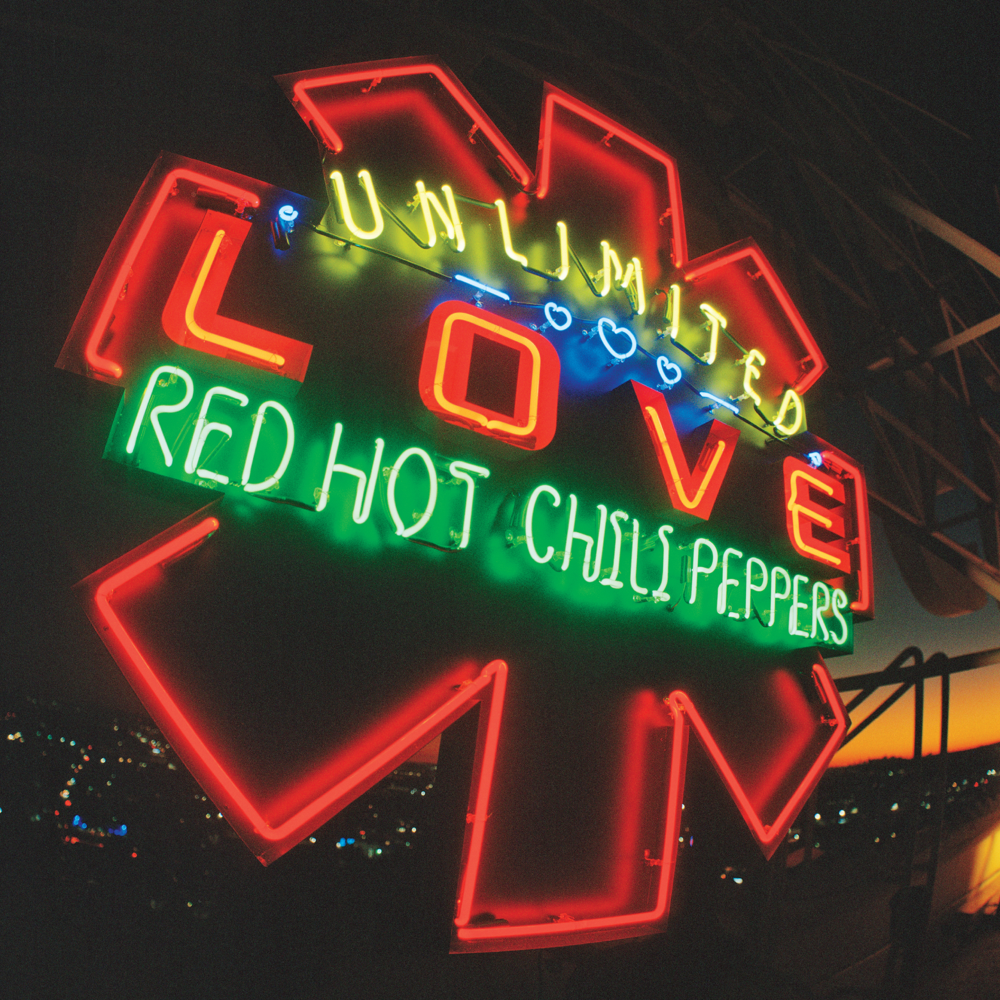
Red Hot Chili Peppers reunite with John Frusciante (again) and Rick Rubin.
Once John Frusciante left Red Hot Chili Peppers for the second time, the band went through another creative rut, with I’m In You and The Getaway falling short of the standard set by the band’s incredible run of albums from 1999 to 2006. Neither album was bad, but just like 1995’s One Hot Minute, Frusciante’s absence was the elephant in the room that just couldn’t be ignored. He helped elevate the band into superstardom, not once, but twice — his influence clearly had a profound influence on the group’s success. Rick Rubin also returns to the producer’s chair, after being absent from The Getaway.
From the first few seconds of Black Summer, you can already tell that Unlimited Love is going to be more lively and dynamic than the last two albums — it’s as if Frusciante is an adrenaline shot being injected into the heart of the band. Here Ever After sounds like it could have been a Stadium Arcadium leftover. Flea sneaks in some trumpet on Aquatic Mouth Dance and Let ’em Cry. There are some old school-sounding R.H.C.P. jams, like Poster Child and One Way Traffic, as well as plenty of their more modern melodic stuff. Bastards of Light is one of the stranger and more experimental songs here, with some rotary guitar and synthesizers, the latter of which subtly appear throughout the album.
With the loudness war of the 2000s long behind us, we finally have a post-Blood Sugar Sex Magik Frusciante era album that sounds fairly good on the production front — perhaps Rick Rubin’s recent work with The Strokes on their Grammy-winning album, The New Abnormal, had carried over to the Chili Peppers. The only downside, is that the material just isn’t as good as their previous collaborations with Rubin and somewhat feels like going through the motions.
Unlimited Love is the weakest John Frusciante R.H.C.P. record yet, suffering from the type of bloated tracklist that has held back much of their best work, but without any of those albums’ highs. However, it’s still nice to have Frusciante back in the band.
6.5/10
Red Hot Chili Peppers – Return of the Dream Canteen
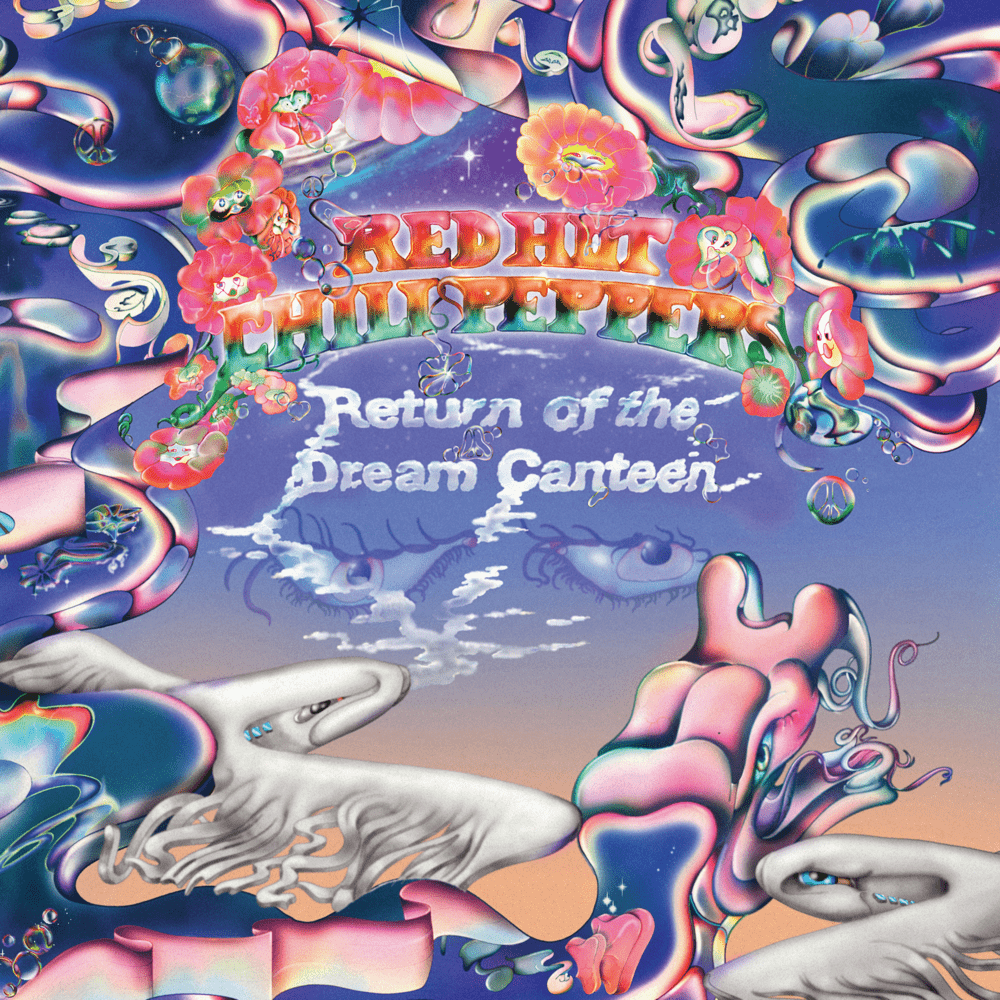
Red Hot Chili Peppers release their second album of 2022.
Arriving only six months after their last album (Unlimited Love), Return of the Dream Canteen is another serving of 17 Rick Rubin-produced Red Hot Chili Peppers songs, with this batch being the more experimental of the two.
On Tippa My Tongue, Anthony Kiedis makes a callback to the Blood Sugar Sex Magik track, Funky Monks, and 30 years later, they’ve still got it (also see, Peace and Love). Elsewhere, the album foregoes a lot of the group’s typical funk rock for branching out. Eddie is a soulful tribute to the late Eddie Van Halen, with a glorious John Frusciante solo, though Kiedis’ lyrics are a bit corny, despite his earnestness. Frusciante’s guitar on the Police-like dub of Handful is also quite sleek. My Cigarette uses a drum machine and synthesizers, but it sounds as dated as much of the band’s material from the 1980s. The Drummer uses prog rock-like synths that should have been left in the 70s, though I suppose it was a bold choice for a single. La La La La La La La La is a slow ballad, though it can come off as a bit schmaltzy. Carry Me Home is a blues track with Frusciante flexing his love for Hendrix. The closer, In the Snow, has another generic-sounding drum machine, as well as 808 cowbells that would have expired by the end of the 80s.
John Frusciante’s guitar-playing is always top-notch, and Flea is also on fire throughout Return of the Dream Machine, but that’s nothing shocking. Anthony Kiedis’ performances are a mixed bag as usual, with plenty of lyrics that verge on sounding like Dr. Seuss poems, but just try to imagine the band without him.
Return of the Dream Machine is a more colourful and adventurous album than the relatively safe Unlimited Love, though it’s not necessarily better, as not every experiment sticks. At it’s best, this is one of Red Hot Chili Peppers’ more curious albums.
6.5/10
The Smile – A Light for Attracting Attention
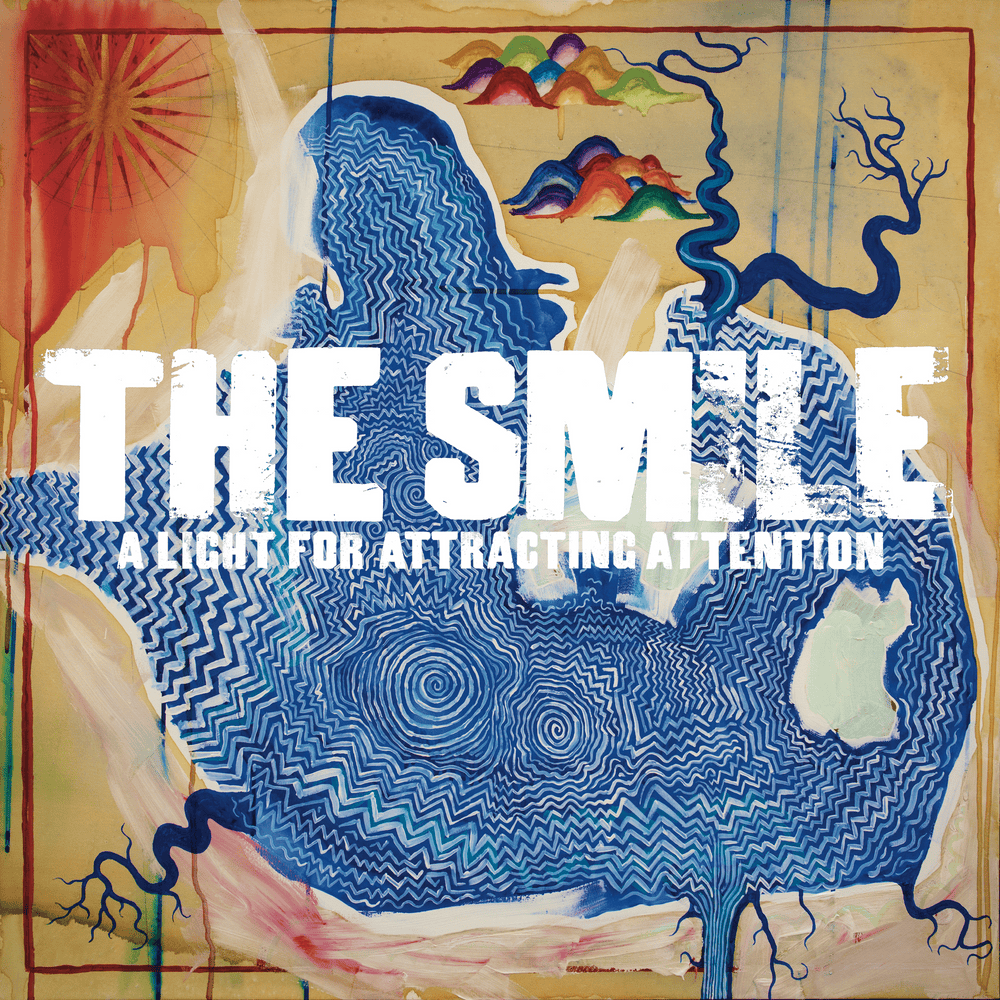
Thom Yorke and Jonny Greenwood make music together without the rest of their Radiohead bandmates.
It had already been six years since Radiohead’s A Moon Shaped Pool (the longest gap between albums yet) and fans were getting anxious for a new album, but seemingly out of nowhere, from the ashes of the pandemic came The Smile, a side project featuring Radiohead’s two primary forces: Thom Yorke and Jonny Greenwood. Joined alongside them was Sons of Kemet drummer Tom Skinner, who brings a jazzy edge to Thom and Jonny’s music, distinguishing it from Radiohead’s sound.
Produced by longtime Radiohead and Thom Yorke collaborator, Nigel Godrich, this may initially come off as Radiohead-lite, but upon listening to this album, you will see that The Smile and Radiohead are two very different beasts. Of course, there will be commonalities found amongst both groups, but this project allowed for Thom and Johnny to explore ideas that perhaps the rest of Radiohead weren’t keen on, such as math rock, post-punk and jazz fusion. As Thom and Johnny are the most prolific writers of the band (Thom with Atoms for Peace, his solo albums and soundtracks) and Jonny (with his award winning film scores), The Smile is where they can pump out as much material as they please without the usually drawn out Radiohead process, but this is by no means a quantity over quality situation.
The Same starts the album off with a clear sense of doom, bolstered by the uncertain times of the 2020s, with pandemics, social injustices and an increasingly wide divide between the wealthy elite and the common man. The Opposite is a jazzier number that showcases Tom Skinner’s jazz drumming abilities and proves why he was able to end up working with such esteemed artists. You Will Never Work in Television Again is one of the punkiest things Thom and Jonny have ever made together. Pana-Vision is led by the piano, though it differs vastly from something like, Pyramid Song. The Smoke and Thin Thing display The Smile’s penchant for math rock riffing, with Jonny Greenwood sounding fantastic as ever on the guitar; Thom Yorke’s bass playing is just as impressive. Speech Bubbles, Free in the Knowledge and Open the Floodgates provide some slowed down balladry for the project. At the end of the album, there’s the brilliantly titled We Don’t Know What Tomorrow Brings (a somewhat Street Spirit-like downtempo song), and the remarkable closer, Skrting on the Surface.
As much as I enjoyed Thom Yorke’s solo work and Atoms for Peace, this band has provided the essence of Radiohead more than either, and The Smile is essential for any fan of Radiohead.
10/10
Weezer – SZNZ: Spring
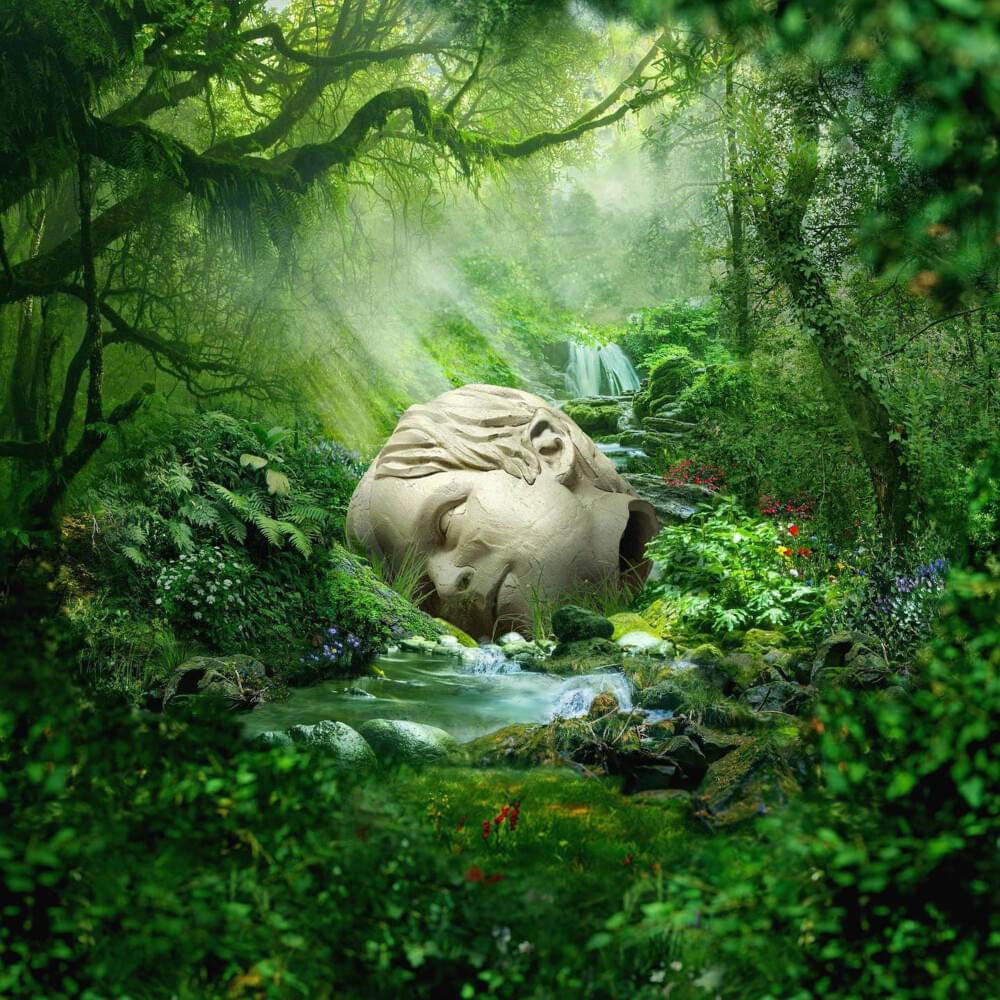
Weezer releases the first of their seasonal EPs.
Released on the spring equinox, Weezer’s first instalment of their seasonal EPs focuses on spring and the optimistic sounds that come with the blossoming of the flowers, which is readily-apparent on the overly saccharine and twee Opening Night, where a 50+ year old Rivers Cuomo interpolates Antonio Vivaldi’s The Four Seasons, as he sings “Shakespeare makes me happy, Hamlet makes me happy” alongside flutes — and yes, it’s about as corny and lacking in self-awareness as you would imagine it to be. The Garden of Eden is a similarly cheesy pop song, but is slightly more palatable. The rest of the tracks are similarly upbeat, with none really being clear highlights, though Angels on Vacation may come closest.
SZNZ: Spring doesn’t do anything as offensively bad as the worst offenders from albums like Raditude, Pacific Daydream or Weezer (Black Album), but it’s still not a very good start to Weezer’s conceptual SZNZ series, though the band at least sounds inspired.
5.5/10
Weezer – SZNZ: Summer
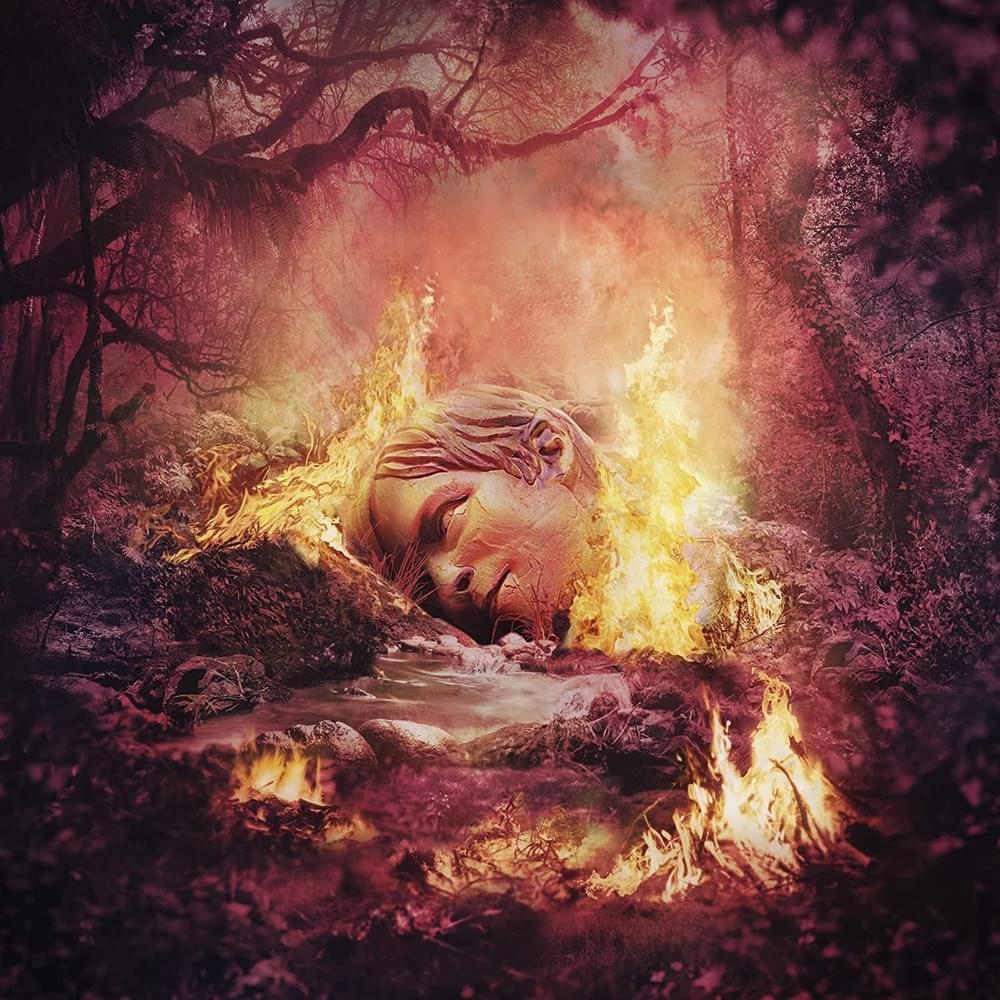
Weezer releases the second of their seasonal EPs.
Released on the summer solstice, Weezer’s second instalment of their seasonal EPs focuses on summer, with a sound that Rivers Cuomo described as the “youthful indignation” that followed the end of the Roman Republic.
Lawn Chair begins with strings, before launching into their modern power pop formula. Lead single Records is pretty cheesy, but that’s expected from modern Weezer. Blue Like Jazz has some Muse like guitar riffs and vocals. Cuomoville is a rather witty title. Thank You and Good Night is definitely the best and heaviest track here, with some heavy metal guitar riffs and a memorable chorus.
SZNZ: Summer is an improvement over SZNZ: Spring, and although Weezer is likely well past their best material, it’s at least a step in the right direction.
6/10
Weezer – SZNZ: Autumn
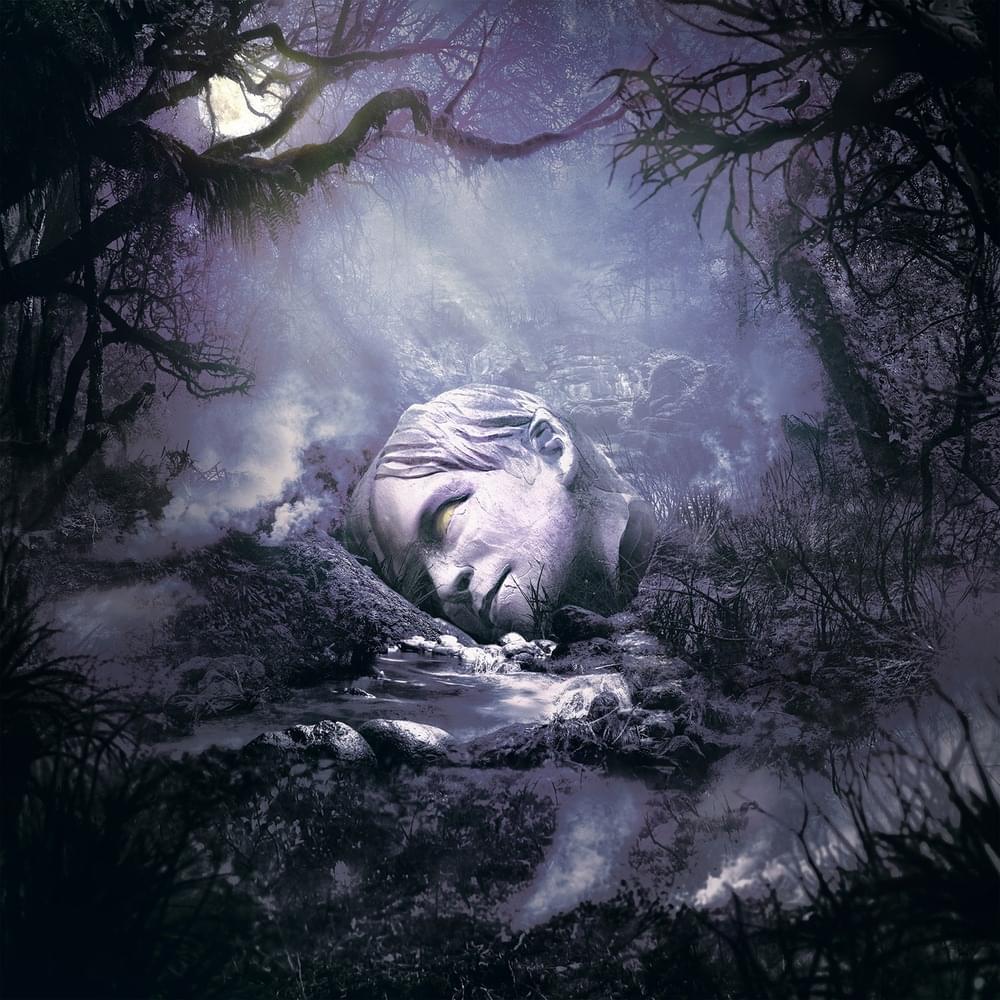
Weezer releases the third of their seasonal EPs.
Released on the September equinox, Weezer’s third instalment of their seasonal EPs focuses on autumn, with a theme of anxiousness and a stylistic focus on post-punk revival dance rock (The Strokes, Franz Ferdinand, Hot Fuss era The Killers), as evident by songs like the opening track, Can’t Dance, Don’t Ask Me.
There’s an interpolation of The Teddy Bear’s Picnic on Get Off on the Pain, that the song could have done without. Should She Stay or Should She Go seems to re-write The Clash’s classic single from a different perspective. Run, Raven, Run is a decent closer, but the lullaby-like outro is a bit cheesy (something all of the SZNZ EPs can be described as).
The musical style of SZNZ: Autumn is a welcome change to Weezer’s formula and it makes you wonder what could be if Weezer spent their time crafting a solid post-punk revival album, but unfortunately, the songs just aren’t as good as the ones from the bands that Weezer is trying to emulate here. Still, it’s better than the cutesy SZNZ: Spring, and about on the same level as SZNZ: Summer.
6/10
Weezer – SZNZ: Winter
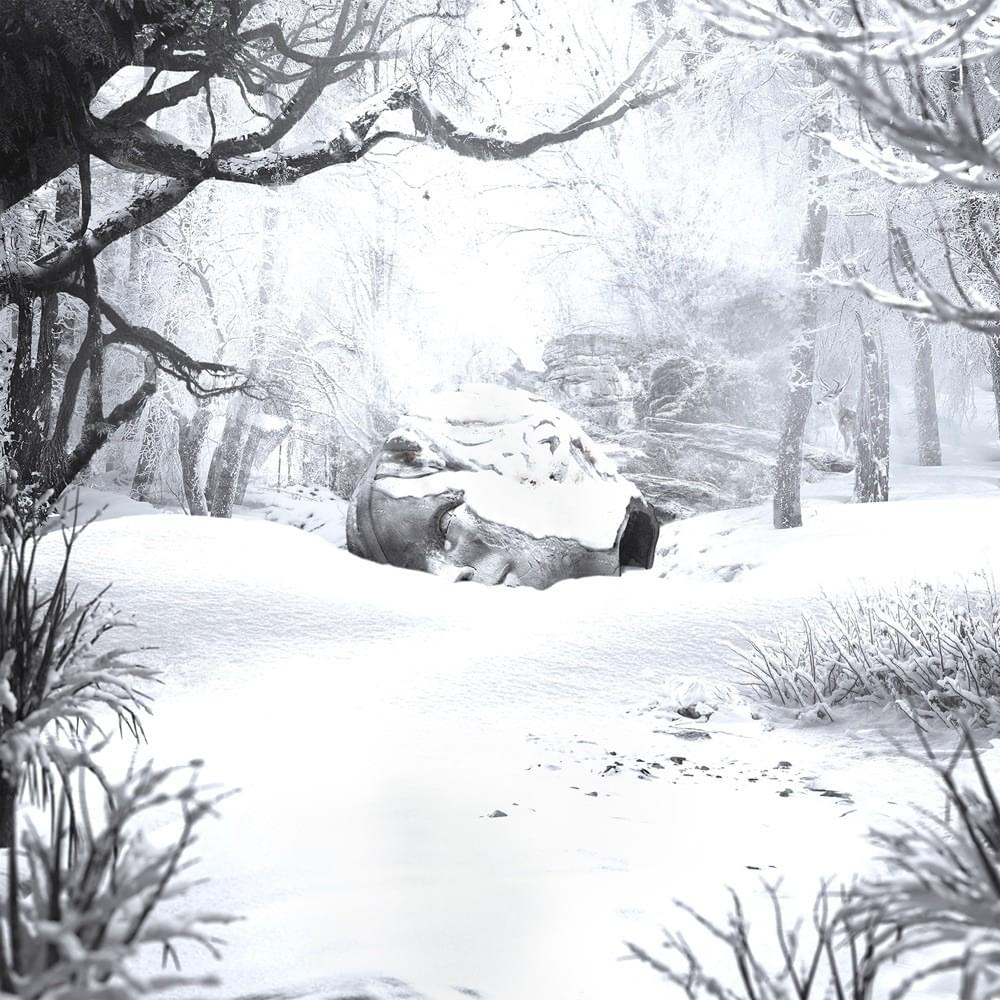
Weezer releases the fourth of their seasonal EPs.
Released on the December solstice, Weezer’s fourth and final instalment of their seasonal EPs focuses on winter and themes of sadness, loss, and despair, though it never reaches the emotional lows of Elliott Smith (whose music Rivers Cuomo had compared the EP to).
I Want a Dog might pull on the heartstrings of dog lovers, but the lyrics are just too tacky, though musically it’s one of the best songs from the SZNZ EPs. Iambic Pentameter is one of the most adventurous SZNZ songs yet. Sheraton Commander is mostly all strings, with a marching band beat. The lyrics to Basketball are incredibly cheesy, but at least the music is dynamic enough, switching between distorted and acoustic guitars. The One That Got Away almost evokes vintage Weezer (so close!). The Deep and Dreamless Sleep has some of Rivers Cuomo’s most impressive guitar work in some time, and is what Van Weezer should have sounded like.
SZNZ: Winter is easily the best of the SZNZs EPs, providing hope that Weezer still has it in them to craft another great album someday.
6.5/10
FIN
Brett Nippard