
Table of Contents:
Aphex Twin – Syro
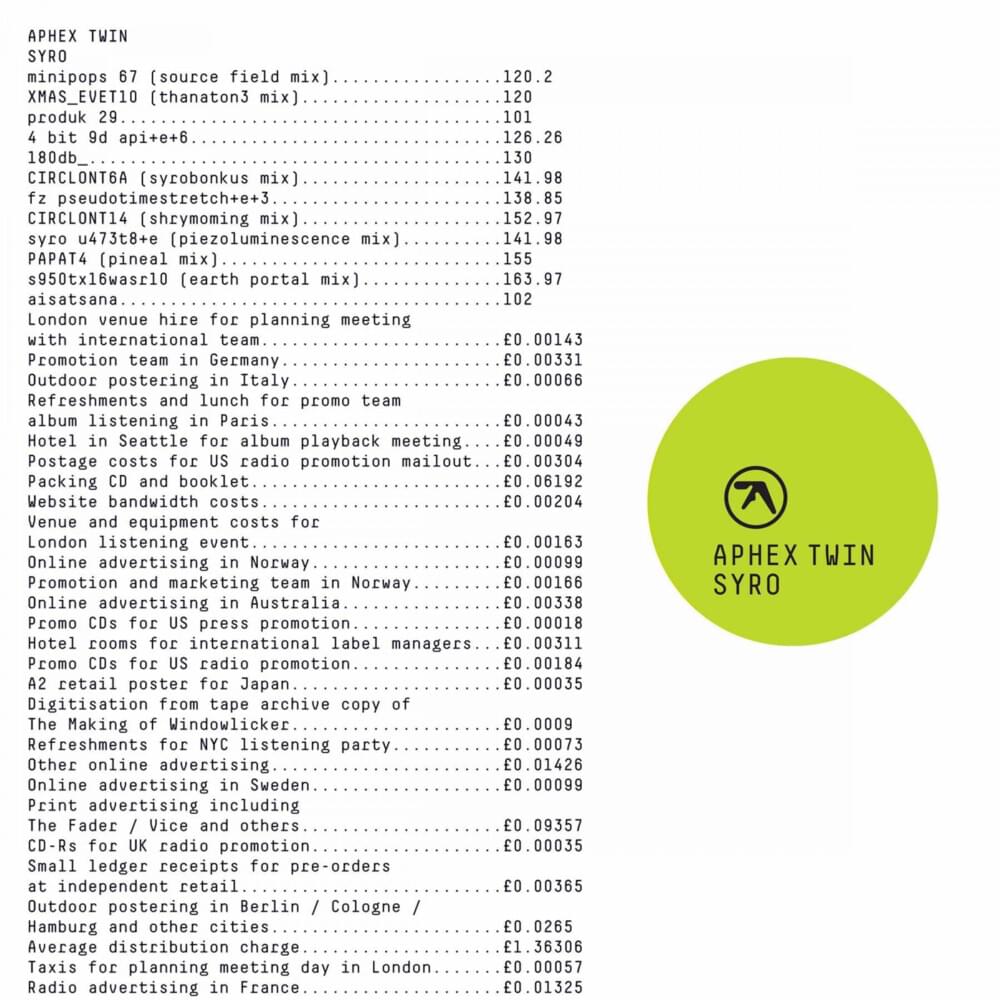
The first new Aphex Twin album in 13 years.
13 long years after Drukqs had polarized critics and fans alike, Richard D. James is back with Aphex Twin’s Syro, which is described as a pop album, or at least “as poppy as its going to get”. For those who weren’t as fond of half of Drukqs being taken up by acoustic piano pieces, only the closer, aisatsana, has a familiar sound — otherwise, Syro is Aphex Twin’s most accessible music since Selected Ambient Works 85-92, and may actually get you dancing. Another masterpiece of IDM from the genre’s forerunner.
Trivia: Syro won Best Dance/Electronic Album at the 57th Annual Grammy Awards
9/10
Beck – Morning Phase
Beck revisits the folk sounds of his past.
After a 6 year break from releasing an album, Beck is back with a return to the country/folk sound of the critically-acclaimed Sea Change, though he has taken on production duties this time in lieu of Nigel Godrich.
As a companion piece to his 2002 classic, it’s difficult to assess without comparing the two albums (Morning Phase even uses the same musicians). It can be argued that Morning Phase sounds more like a rehash of Sea Change than a deeper exploration, and it lacks that album’s emotional intensity, resulting in music that oftentimes sounds grandiose without the lyrical payoff to match. The production is admittedly quite rich, but it also isn’t as interesting as what Nigel Godrich did with Beck 12 years ago either.
Morning Phase is probably Beck’s most accessible and normal album yet, and it does a lot right with its production and performances, but when compared to Sea Change, it just isn’t nearly as interesting or compelling as that album was.
7/10
Trivia: Morning Phase won Album of the Year and Best Rock Album at the 57th Annual Grammy Awards.
Charli xcx – SUCKER
Charli xcx goes for a candy-coated pop punk sound on her sophomore release.
Arriving only one year after her debut album, True Romance, Charli’s second album SUCKER finds the U.K. pop singer expanding on her synthpop sound with more of a pop punk influence this time around.
The vulgar title track is quite cheeky and displays Charli xcx’s defiant and rebellious attitude, though the song itself feels a little childish in its execution. Break the Rules has a decent instrumental, but once again, the lyrics sound like they were written by a high schooler. London Queen is a pop punk rocker about being a brit in America. Boom Clap was one of the biggest pop hits of the year, with it’s appearance in the dramatic film The Fault in our Stars helping to bring exposure to the English pop star, and while its chorus is rather meaningless nonsense, it is admittedly quite catchy and has more staying power than any of the other tracks on the album. Upon first listen, Hanging Around reminded me of Weezer’s Beverly Hills, which made all the more sense when I saw Rivers Cuomo’s name in the writing credits.
SUCKER feels like a step down from its predecessor and though it’s far from being a failure, I feel like Charli xcx is capable of something better and more inspired than this.
6/10
Death Grips – Niggas on the Moon

Death Grips make an album using Björk vocal samples.
Every song on Niggas on the Moon is built around chopped-up samples of experimental Icelandic singer Björk, which gives the album a unique and interesting sound. Considering Björk’s knack for experimentation and her impact on electronic music, lending her voice to a group like Death Grips makes complete sense.
This album may not be as (relatively) straightforward as Exmilitary or The Money Store, but it’s experimental nature works even better than that of Government Plates and it has the band continuing to push their boundaries into the unknown with successful results.
8/10
The Flaming Lips – 7 Skies H3
The Flaming Lips condense a 24 hour-long song into 50 minutes.
Originally released in 2011 as one continuously-recorded, 24-hour long song under the title 24 Hour Song Skull (housed within an actual human skull), it was eventually released three years later in a condensed form at a more digestible 50 minutes under the title 7 Skies H3.
As a prelude of sorts to the nilihilistic sound of The Terror (a breakup album that followed frontman Wayne Coyne’s divorce), 7 Skies H3 is full of pain, evident by the title track, in which Coyne is in the midst of the implosion and death of his romance (“And now that you’re not here, I’m frightened of the sunset”). Meepy Morp is like the devastation of being trapped alone with your memories, with Battling Voices From Beyond representing the terrifying realization of isolation. In a Dream feels as if Coyne is falling asleep and letting this new reality unfold in his subconscious mind, trying to make sense of it all. Requiem and Meepy Morp (Reprise) are brief moments of surrender, where the horror subsides, until Riot in My Brain!! is like waking up from the nightmare, only to realize that it actually happened. 7 Skies H3 (Main Theme) and Can’t Let It Go revisit the musical motifs of the opener, with Coyne acknowledging that he must move on — he doesn’t think he can, but he knows he has no other choice and no say in the matter.
Unfortunately, 7 Skies H3 is a project that will go unnoticed by casual listeners due to its bizarre release, but it is one of the band’s most beautiful, surreal and tragic offerings, as well as one of their best of the decade. This is an essential listen that will cradle your heart right after its been torn out of your chest.
8/10
Foo Fighters – Sonic Highways

Foo Fighters release a concept album.
Sonic Highways was released concurrently with an HBO series that revolved around Foo Fighters travelling across the U.S.A to the various cities with rich music histories, recording a different song with music legends from each of these locations (Chicago, Nashville, Joshua Tree, Seattle, New York City, Austin, Arlington County, New Orleans).
Unfortunately, the album’s concept is more exciting than the actual songs. The Rick Nielsen (Cheap Trick) feature Something for Nothing is one of the more interesting songs here, until you realize it’s ripped off the riff to Dio’s Holy Diver. Outside (with Joe Walsh and Chris Goss) is another of the better tracks. The rest of the songs can’t hold a candle to anything off a recent album like Wasting Light.
Nothing offensive or bad, just a fairly dull record.
6.5/10
Jack White – Lazaretto
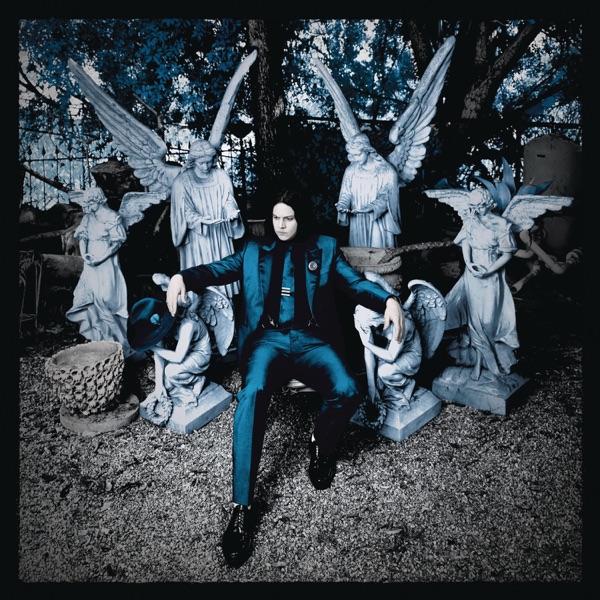
Jack White goes a little bit country.
Inspired by various materials that Jack White wrote in his adolescence (poems, short stories, plays), Lazaretto finds Jack White continuing on with the sound from his solo debut, Blunderbuss, while diving deeper into the southern and country influences that his Nashville residency has afforded him.
Three Women is a playful opener, where Jack White sings of the various women (red, blonde and brunette) who “blow his blues away”. The title track is this album’s Sixteen Saltines and the resident Jack White banger here. Temporary Ground sees a country duet, with songs like, Just One Drink, I Think I Found the Culprit, Entitlement and Want and Able also indulging in a heavy southern influence. High Ball Stepper is an instrumental that needs no lyrics to keep your attention. The rising tension and drama of Would You Fight for My Love? makes for one of the best tracks on the album. That Black Bat Licorice and its memorable riff make for another highlight.
Lazaretto may not rival the best work of The White Stripes, but it’s another excellent solo album that shows Jack White expanding upon the template of Blunderbuss.
8/10
Judas Priest – Redeemer of Souls

Judas Priest replaces K.K. Downing with Richie Faulkner.
Redeemer of Souls is Judas Priest’s first record without K.K. Downing, who has appeared on every record since their 1974 debut, Rockarolla. While this may have spelt disaster, new blood Richie Faulkner helps to revitalize the band.
The songs here are more alined with the classic Judas Priest sound (or at least the template set by Painkiller) compared to the symphonic metal of Nostradamus, but the production here is quite muddy and muffled, which really hampers the overall quality of these songs.
Redeemer of Souls doesn’t end up being one of Judas Priest’s best albums, but this new lineup has potential with a better producer.
7/10
Julian Casablancas + the Voidz – Tyranny
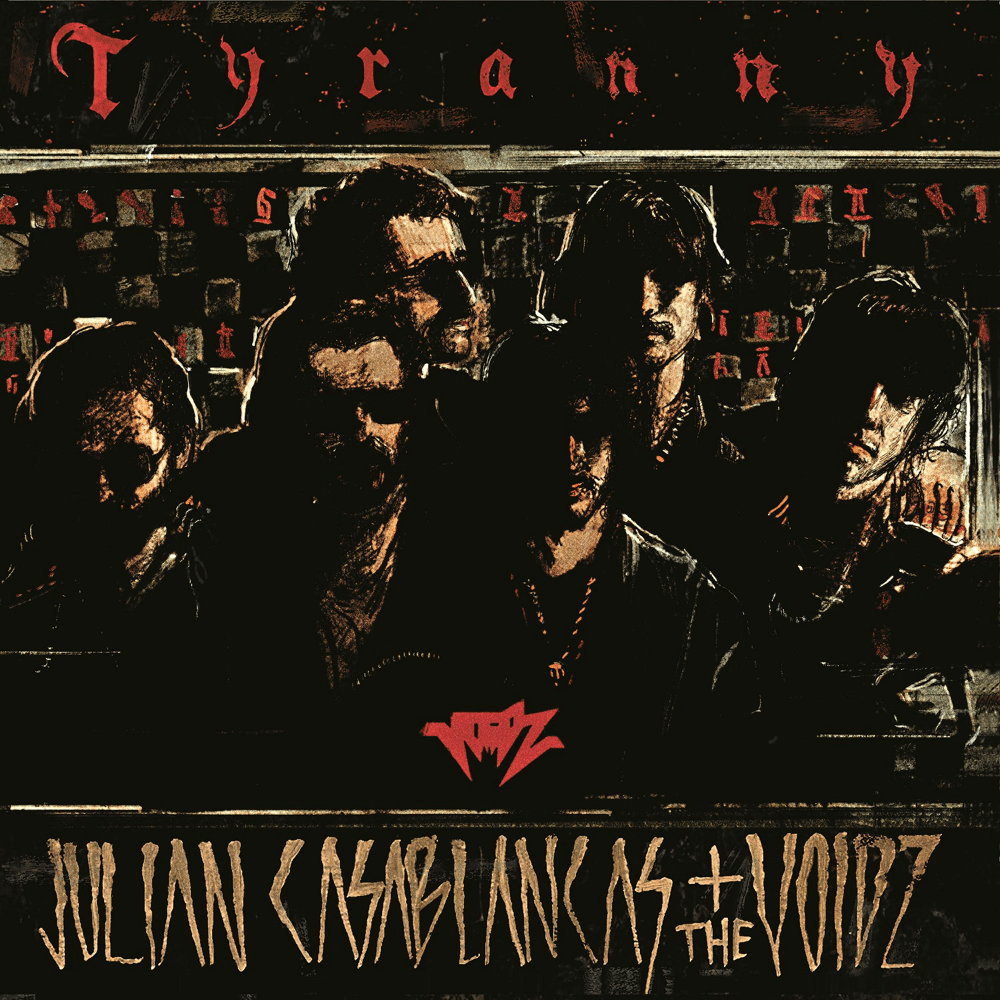
Julian Casablancas forms a second band.
Julian Casablancas had already been on top of the world with The Strokes, who were credited with making rock music not only relevant again in the early aughts, but making it look really cool too. With their leather jackets and timeless songs, albums like Is This It and Room on Fire dominated the early 2000s indie rock scene and made The Strokes the band to beat. But, by the release of First Impressions of Earth, Julian Casablancas was getting burnt out as the band’s sole-songwriter and the band ended up being inactive for the rest of the decade. After 5 years of inactivity, Angles was released to a polarized reception, as was its follow-up Comedown Machine. It could have been safe to assume that one of the greatest songwriters of his generation had hit a plateau and lost his magic with the indie crowd, but then Casablancas joined The Voidz, and any doubts about his abilities were thrown out the window.
Where The Strokes were either about stripped back, 1970s-style, meat and potatoes rock n roll or 1980s new wave, The Voidz are a far more experimental band, having more in common with Captain Beefheart than with Ramones. Take Me In Your Army introduces the new, futuristic sound of Casablancas, which is much darker than anything The Strokes had ever done. Casablancas sounds somewhat synthetic here, like he was an android that learnt to feel. Crunch Punch has a Raw Power era Stooges groove to it. M.utually A.ssured D.estruction and Where No Eagles Fly border on heavy metal, with some of Casablancas most intense vocals. Human Sadness is a cathartic, 11 minute epic and one of the greatest things Julian Casablancas has ever written. Business Dog sounds a bit like an altered rendition of The Police’s Message in a Bottle, but goes to different places in its verses to avoid feeling like plagiarism.
The Voidz’ Tyranny is a must listen for any fans of The Strokes.
8/10
King Gizzard & The Lizard Wizard – Oddments
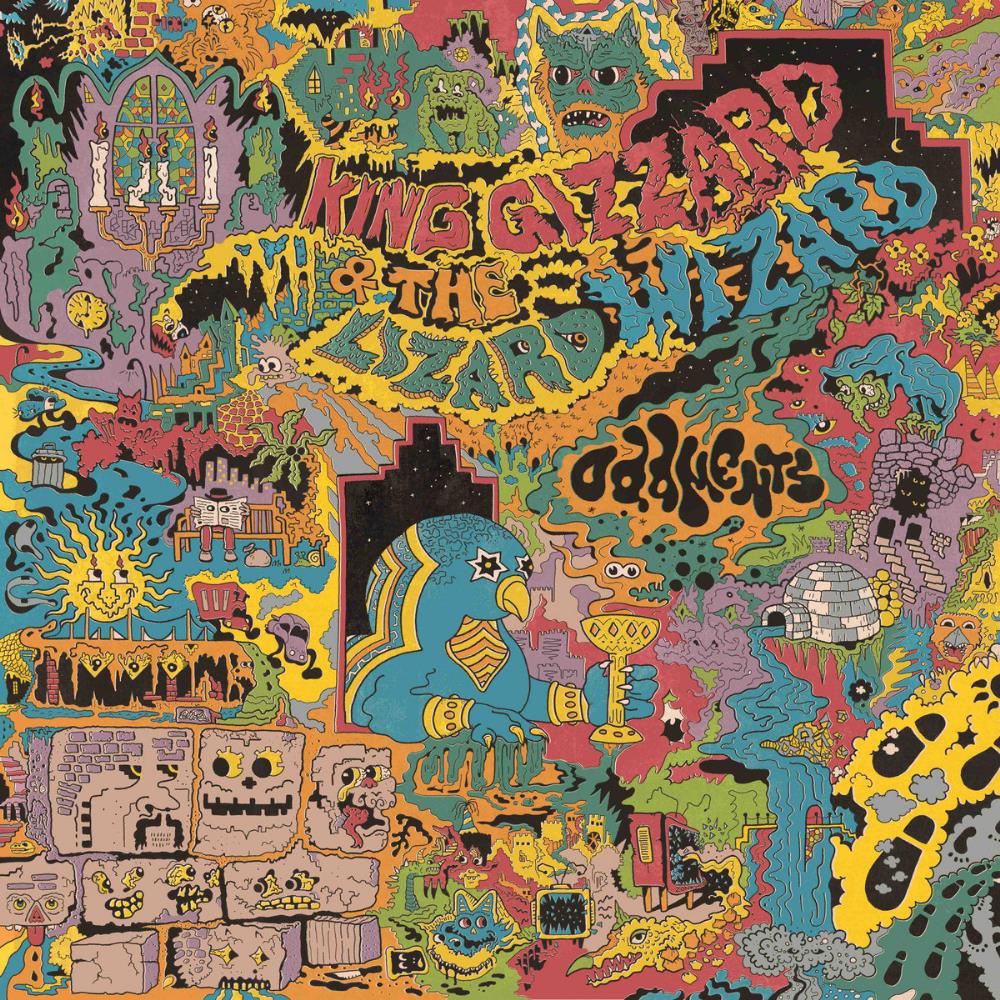
Album #4: Lo-fi / Psychedelic Pop
Despite only having previously released three albums, it seems that the prolific King Gizzard & The Lizard Wizard have already got enough material for an outtakes collection, with Oddments.
Alluda Majaka is an energetic instrumental opener. Stressin’ is laidback lo-fi. Vegemite is a goofy single (not unlike a song like The Flaming Lips’ She Loves Jelly), which has the band indulging in their Australian roots, with an ode to the gross salty spread that the Aussies just seem to love for some reason — it’s also so very annoying. It’s Got Old is a Beck-like bluesy song with harmonicas. Work This Time is a moody lo-fi track and one of the album highlights. Hot Wax is somewhat reminiscent of The Velvet Underground’s White Light/White Heat. Homeless Man in Adidas is an acoustic song with minimal percussion. ABABCD, Pipe-Dream, and the title track are all very short and are basically just scraps.
Due to the nature of the album being a collection of leftovers from previous recording sessions, Oddments it’s easily King Gizzard & The Lizard Wizard’s most unfocused album yet, with very few highlights, though the kitchen sink approach may appeal to some.
6.5/10
King Gizzard & The Lizard Wizard – I’m in Your Mind Fuzz
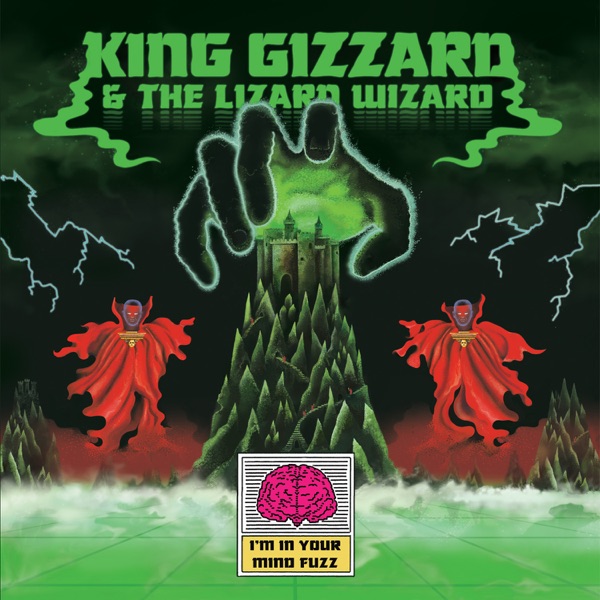
Album #5: Psychedelic Rock / Krautrock
After a slight misstep with Oddments, which was released earlier in the year, King Gizzard & The Lizard Wizard are already back with another album, I’m in Your Mind Fuzz, which sees an evolution of the band’s psychedelic garage rock sound, with some added krautrock influences.
The first four songs, I’m in Your Mind, I’m Not in Your Mind, Cellophane, and I’m in Your Mind Fuzz, make up a suite of krautrock-influenced psych rock and contain some of the band’s best guitar riffs yet. Hot Water has Stu Mackenzie playing the flute. Am I in Heaven? is a propulsive, high tempo rocker with both electric and acoustic guitars, and touches of Ambrose Kenny-Smith’s harmonica. The fuzzy wah guitars of Satan Speeds Up make for one of the album’s most psychedelic tracks. Slow Jam 1 and Her and I (Slow Jam 2) are both appropriately titled slow jams.
Taking the psychedelic rock of the previous year’s Float Along – Fill Your Lungs one step further, the tastefully retro I’m in Your Mind Fuzz is King Gizzard & The Lizard Wizard’s best, most consistent and fully-realized album yet, full of plenty of highs and no lows.
9/10
Leonard Cohen – Popular Problems

Leonard Cohen releases another great album as he enters his eighties.
After a fantastic return with 2012’s Old Ideas, Leonard Cohen is back with another album of strong material. Compared to the jazzy, rustic folk of its predecessor, Popular Problems‘ sound is more indebted to the blues.
The bluesy Slow is a solid opener that grabs your attention. A Street is another blues track with swagger and strut. Almost Like the Blues is built on a groovy bass riff, sounding a bit like a Nick Cave & The Bad Seeds track, which makes sense considering Cohen is one of Cave’s biggest (if not the biggest) influences on his own music. Nevermind is a somewhat funky number with electric piano and Arabic vocals. Did I Ever Love You and My Oh My recall the southern-twang that was present on Old Ideas. The gospel Born in Chains is accented by crying organs. Cohen references himself with “the Hallelujah song” in the closer, You Got Me Singing.
At 80 years old, Popular Problems proves that age has no bearing on the quality of Leonard Cohen’s music, with this being the second album in a renaissance of new material for the Canadian poet.
8/10
Mac DeMarco – Salad Days
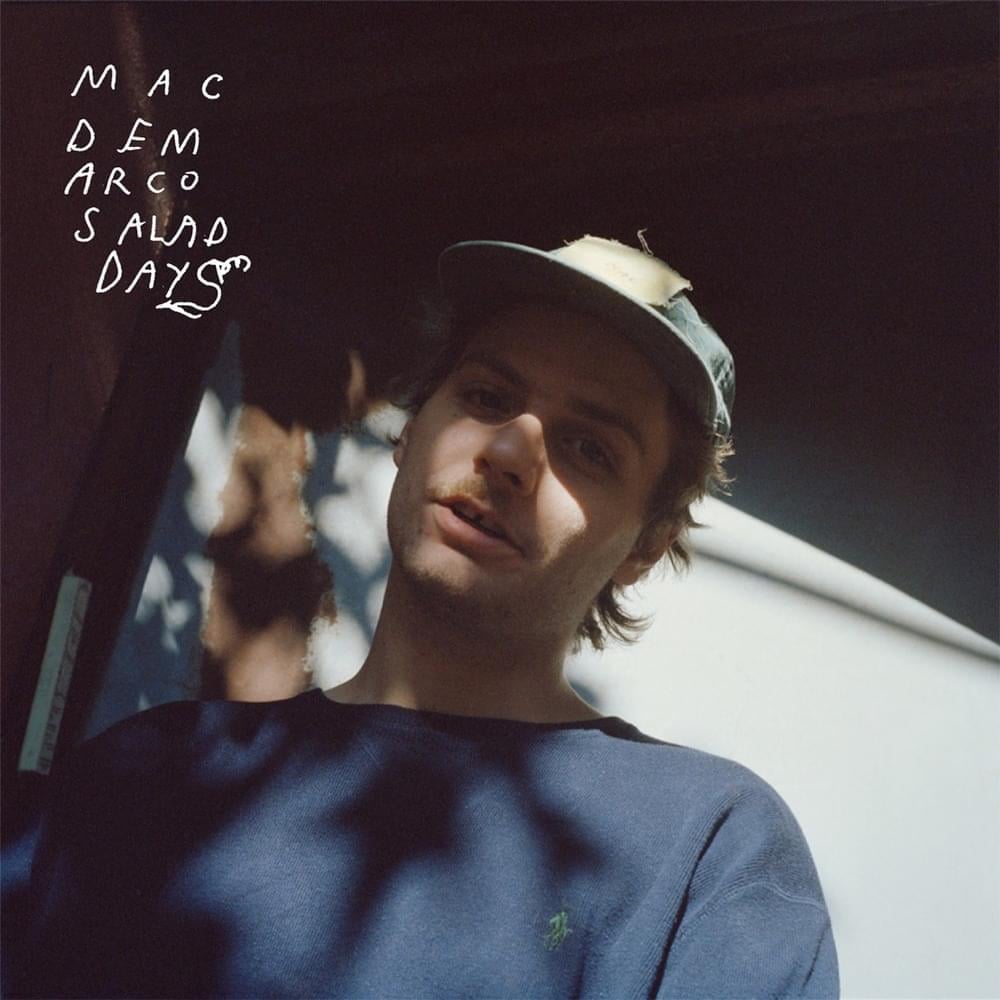
Mac DeMarco enhances the template set by 2.
Mac Demarco’s debut album, 2 made Mac DeMarco a rising indie star; his jangly, slacker guitar sound and gentle Beatles-like vocals turned him into a figurehead for the bedroom rock movement. Salad Days takes everything that made 2 great, enhances the production and adds some new flourishes.
The title track is a nostalgic trip. Brother radiates a sweet and tender melancholy. Treat Her Better is for all the boys who never learnt how to be a real man. Passing Out Pieces uses synthesizers. Let My Baby Stay is a somber track for lovers across borders. Chamber of Reflection samples Word 2 by Sekitō Shigeo, helping to introduce his work to a western audience.
Salad Days is a refinement of Mac DeMarco’s already incredible debut, making for one of the best albums of the year.
9/10
Pink Floyd – The Endless River
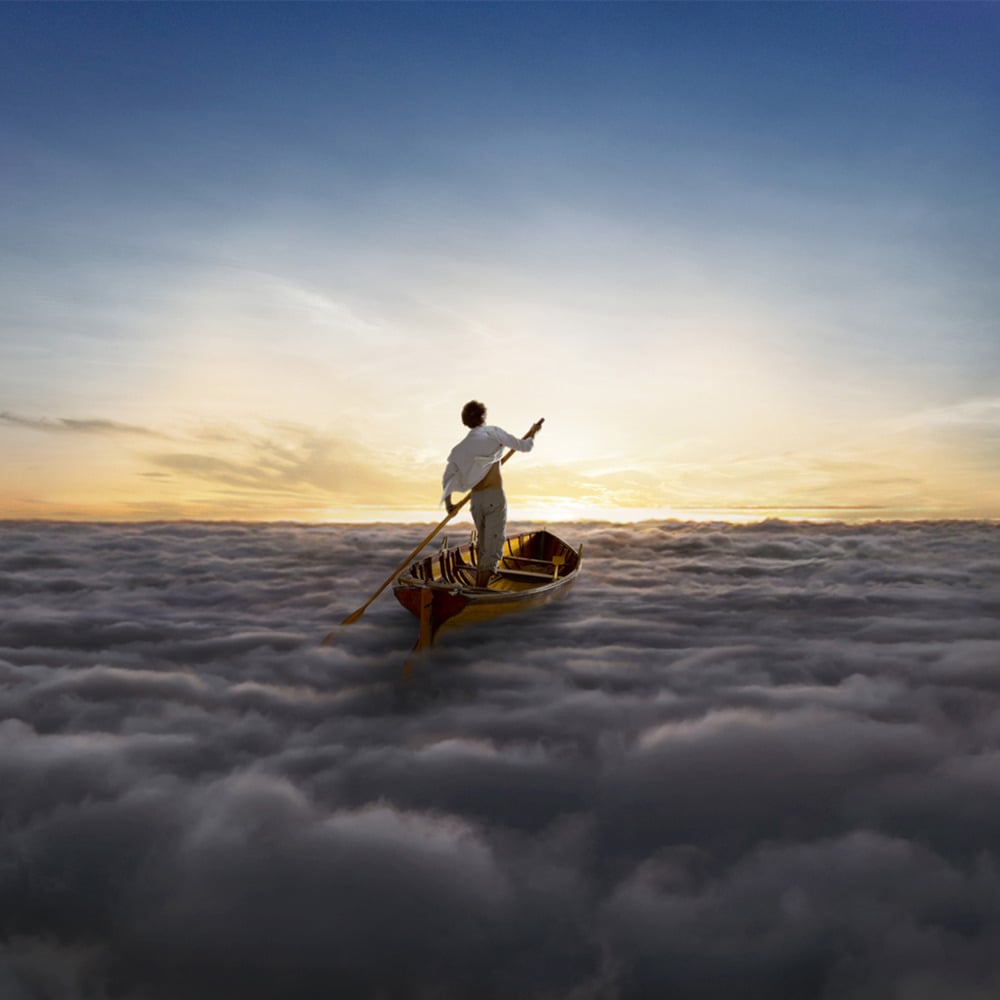
The first new Pink Floyd album in two decades.
Arriving 20 years after Pink Floyd’s (then) final album (The Division Bell), The Endless River continues with the David Gilmour-led iteration of the band, so Roger Waters is still nowhere to be found. Nearly all of The Endless River is comprised of ambient instrumentals, with only one song (Louder Than Words) containing any vocals, and it mostly just sounds like a Division Bell outtake.
If you’re expecting something akin to classic Pink Floyd, then readjust your expectations, as The Endless River will leave you feeling a bit empty and unsatisfied, especially after a 20-year wait. However, the album acts as a nice epilogue to the band, as well as a tribute to Rick Wright (who is by far the key player on this record), who died in 2008.
6/10
Primus – Primus & the Chocolate Factory with the Fungi Ensemble
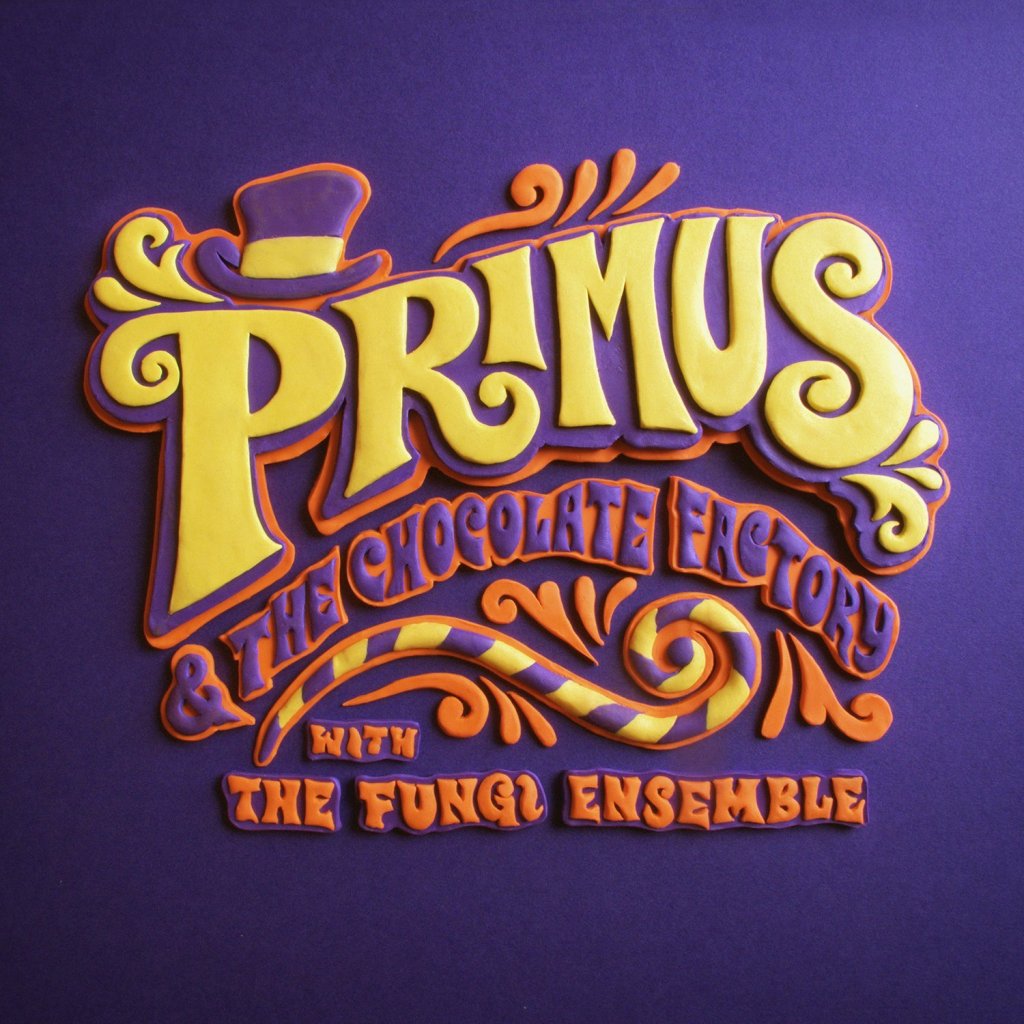
“A little nonsense now and then is relished by the wisest men.”
For their eighth studio album, Primus decided to reimagine the soundtrack to the 1971 cult classic film Willy Wonka & the Chocolate Factory, which feels totally on brand for the band, considering how weird, trippy and surreal that movie was.
The music is impeccably-performed throughout, with Les Claypool sounding like he’s having a blast performing the music from one of his favourite childhood films. Primus’ take on the music makes you realize just how psychedelic the film was, taking it one step further into the strange.
Primus & the Chocolate Factory is a bizarre album and doesn’t have the replay value of their more conventional albums, so a lot of your enjoyment will depend on whether or not you grew up with the film, but for those who did, this is a very faithful and carefully-crafted recreation of the iconic soundtrack.
6.5/10
Royal Blood – Royal Blood
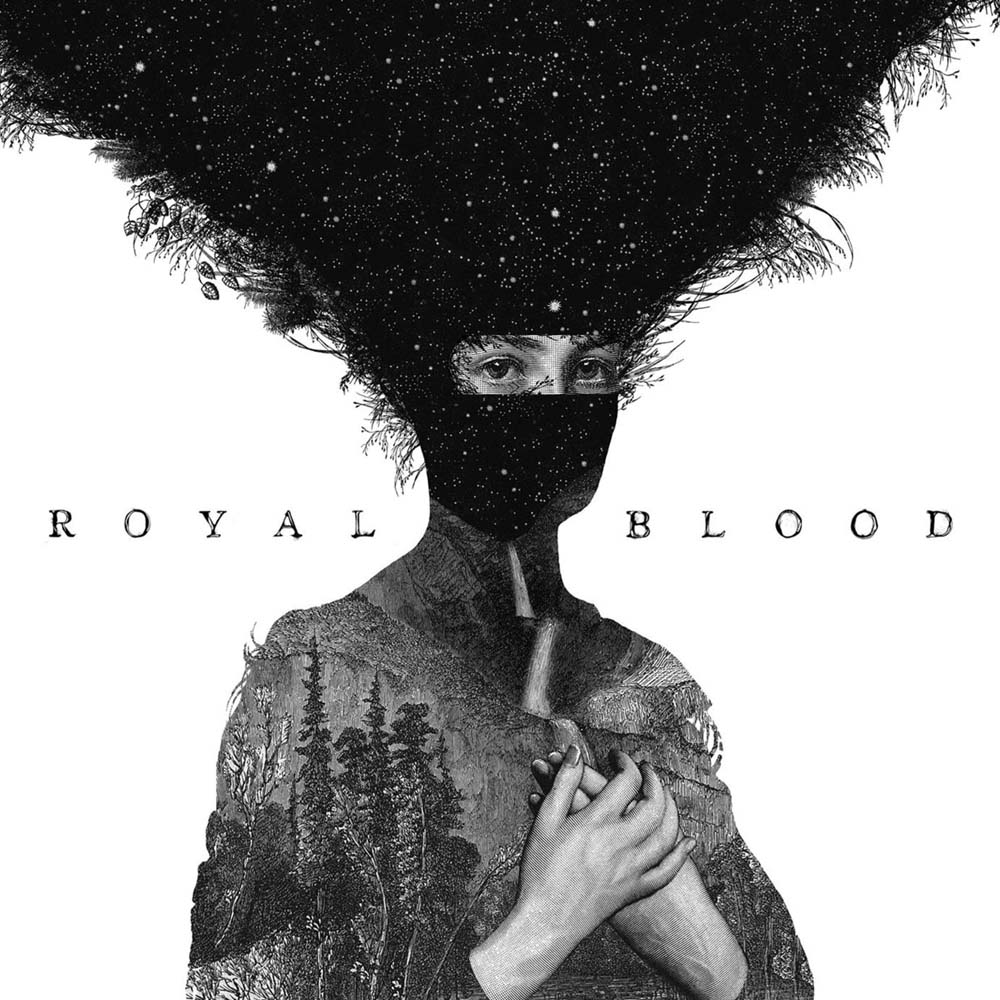
A drum and bass hard rock duo emerges from the UK.
Consisting of only vocals, bass guitar and drums, Royal Blood is very basic rock n roll, but perhaps that’s what the music world needed right now.
Debut single and opener, Out of the Black is an easy choice for the best song on the album, with vocals that sound like a cross between Jack White and Muse’s Matt Bellamy, paired with heavy bass riffing and powerful drumming.
Royal Blood isn’t a very sonically diverse album (it is just drums and bass guitar, after all), but in a modern rock landscape, where most of the best rock bands have caved into commercial pressures or softened their sounds, a band and album like this is refreshing.
7/10
Run the Jewels – Run the Jewels 2
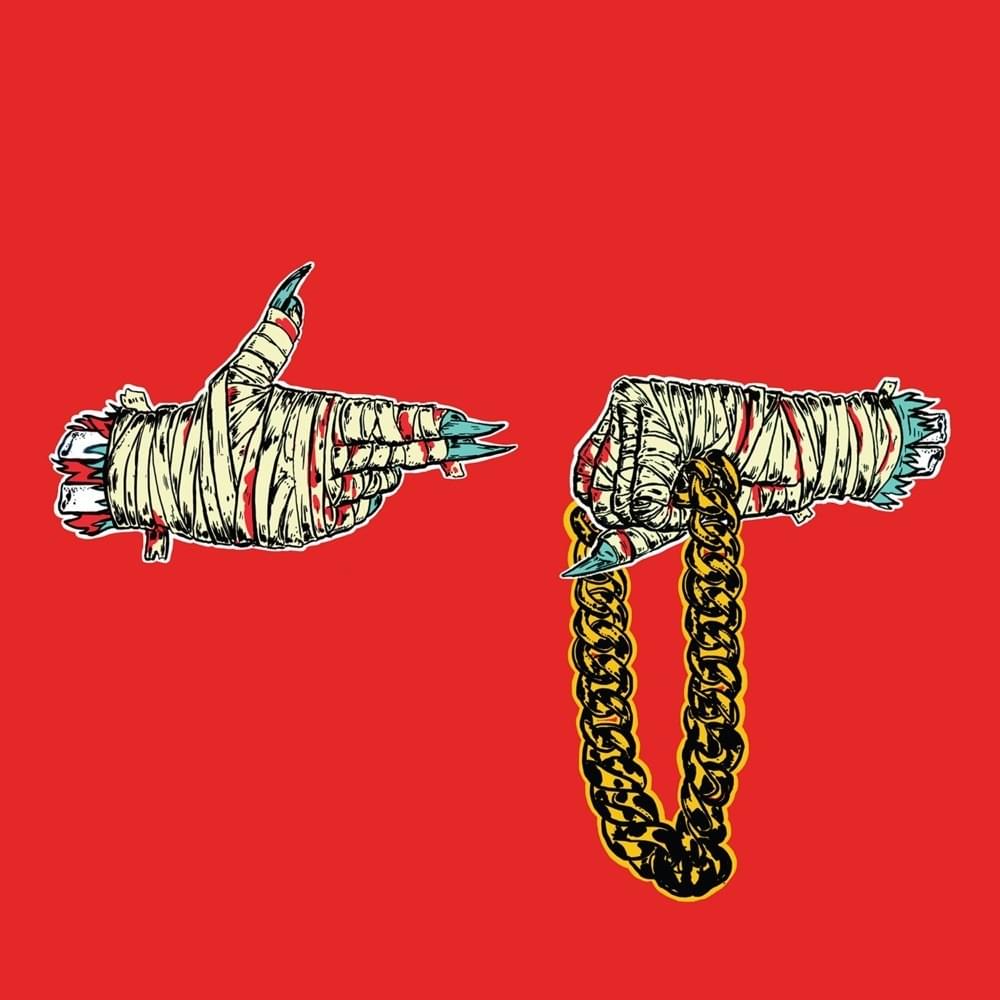
Lightning strikes twice.
An improvement from their already excellent debut, Run the Jewels 2 is an absolute tour-de-force. Where their debut was an experiment that landed with overwhelmingly positive results, Run the Jewels 2 is proof that the debut wasn’t a fluke and that RTJ is a duo that’s here to stay with lots to say.
Jeopardy opens the album up with a dark and moody track. Blockbuster Night, Pt 1 and 2 (the latter of which is a bonus track) are both bangers. Oh My Darling Don’t Cry makes a creative use of its strange sample. All Due Respect sees a guest appearance from Blink 182’s Travis Barker. Close Your Eyes (And Count to Fuck) features ex-Rage Against the Machines vocalist, Zach De La Rocha.
One of the best sophomore albums in rap, like a hip-hop Empire Strikes Back.
10/10
The Smashing Pumpkins – Monuments to an Elegy
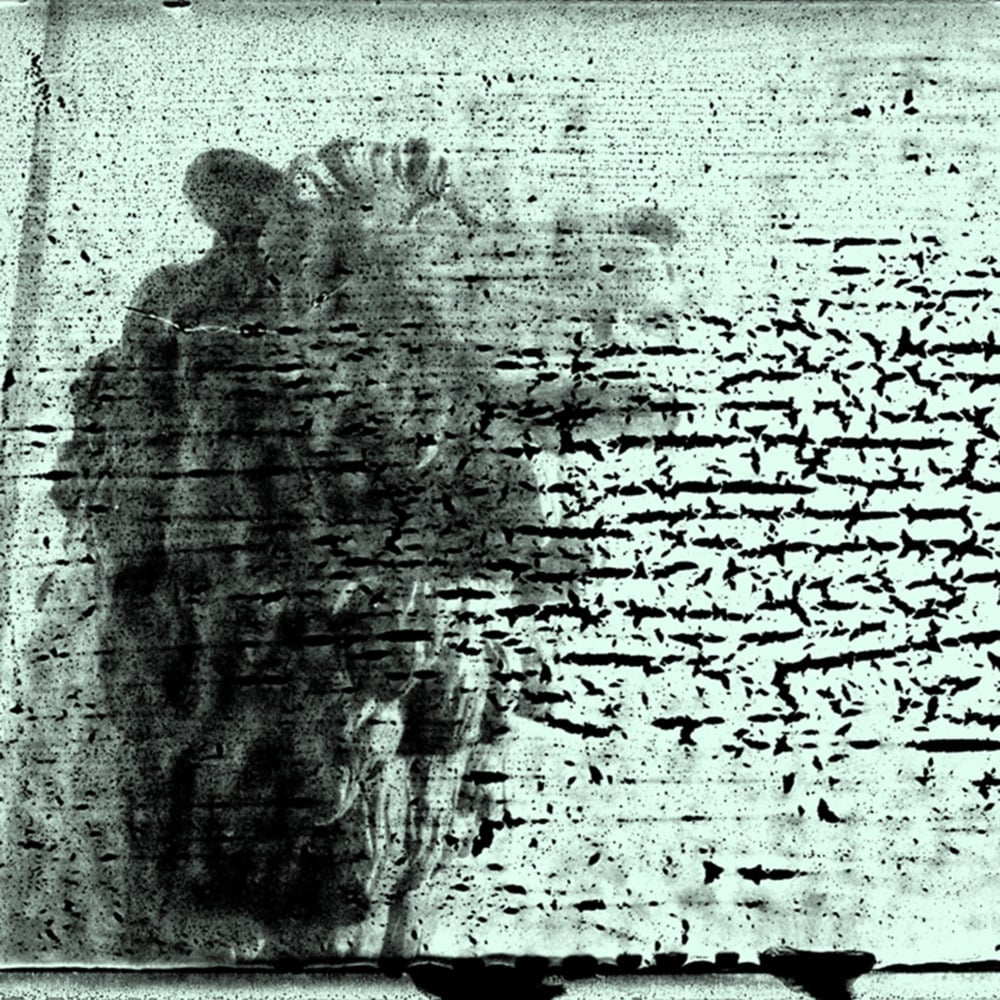
The Smashing Pumpkins make their briefest album yet.
As the final part of the cancelled Teargarden By Kaleidoscope project, Monuments to an Elegy sees a deeper immersion into the dreamy, synthpop/alt rock hybrid sound of its predecessor Oceania, with only Jeff Schroeder surviving from the previous lineup, and Mötley Crüe’s Tommy Lee of all people playing the drums.
After several lengthy Smashing Pumpkins albums (their previous shortest album was 1991’s Gish at 45 minutes), Monuments to an Elegy is refreshing at 33 minutes, making for a concise listening experience that never drags on or feels like its testing your patience.
The piano parts of Tiberius end up sounding somewhat like Muse, with the synthesizer bits sounding more like Pinkerton era Weezer — it’s not a bad song at all, it just doesn’t sound like The Smashing Pumpkins as much as the aforementioned bands. The lead single Being Beige is another piano-driven song and is quite good. One and All (We Are) is your more typical Pumpkins songs with crunchy guitars. The synthesizer-heavy Run2me is quite abysmal and the only bad song here, though Drum + Fife does a better job of balancing synths and guitars, as well as Monuments, Dorian and Anti-Hero.
After several lengthy Smashing Pumpkins albums (their previous shortest album was 1991’s Gish at 45 minutes), Monuments to an Elegy is refreshing at 33 minutes, making for a concise listening experience that never drags on or feels like its testing your patience.
7/10
Soundgarden – Echo of Miles

The Seattle grunge legends finally release a rarities compilation.
This review focuses on the single disc version of the album, which consists of original b-sides, soundtrack songs and unreleased songs, as opposed to the complete boxset, which also includes covers, remixes, and instrumental b-sides.
In the tradition of other legendary Seattle grunge bands, like Nirvana (Incesticide), Alice in Chains (Music Bank) and Pearl Jam (Lost Dogs), Soundgarden has finally compiled and released their rarities boxset (as well as a condensed single-disc edition), which includes new songs and hard-to-find rarities.
Heretic and Fresh Deadly Roses start the compilation off with typically Led Zeppelin-infused bluesy rockers, ripe from the Louder Than Love period, both of which just barely preceded the grunge explosion that would soon follow. H.I.V. Baby and Show Me are the only b-sides to appear from the Badmotorfinger era (with grunge now in full-swing) and are both killer. Cold Bitch is the only song from a Superunknown single and shows how the band was firing on all cylinders in 1994 — easily their best year as a band. She’s a Politician is another grungy rocker, this time from a little known 1992 EP called Satanoscillatemymetallicsonatas. She Likes Surprises was originally released on the international version of Superunknown and has an irregular but interesting guitar riff.
Classic soundtrack songs like Birth Ritual (Singles) and Blind Dogs (The Basketball Diaries), as well as the more recent Live To Rise (The Avengers) all appear here. The Down on the Upside b-side Bleed Together is here (which trumps many of the songs from that album), which also previously appeared on the band’s greatest hits collection, A-Sides. The final few tracks include Black Rain, a Badmotorfinger era song, which released in 2010, as well as two unreleased tracks, Kristi and Storm.
Echo of Miles is an essential collection for Soundgarden fans and shows how much great material didn’t even make the albums between their original run from 1987-1996.
8/10
St. Vincent – St. Vincent

Annie Clark tries to sound like herself.
Prior to this album, Annie Clark was still a modest-looking indie girl, characterized by her short, curly, black hair and her doe’s eyes. She was talented, but not overly weird. But that all changed on St. Vincent, where she dyed her hair, embraced the strange and started to resemble a fashion icon. While promoting the album, she referenced a Miles Davis quote about the hardest thing an artist can do is try to sound like themselves, and so, St. Vincent sees Annie Clark doing her best St. Vincent impression.
Rattlesnake is a slinky opener that just oozes cool. Birth in Reverse discusses the ordinary tasks of the day, such as taking out the garbage and masturbating. Digital Witness sees the use of some leftover horns from her David Byrne collaboration, Love This Giant.
Another stupendous album from St. Vincent.
8/10
Trivia: St. Vincent won Best Alternative Music Album at the 57th Annual Grammy Awards.
Thom Yorke – Tomorrow’s Modern Boxes
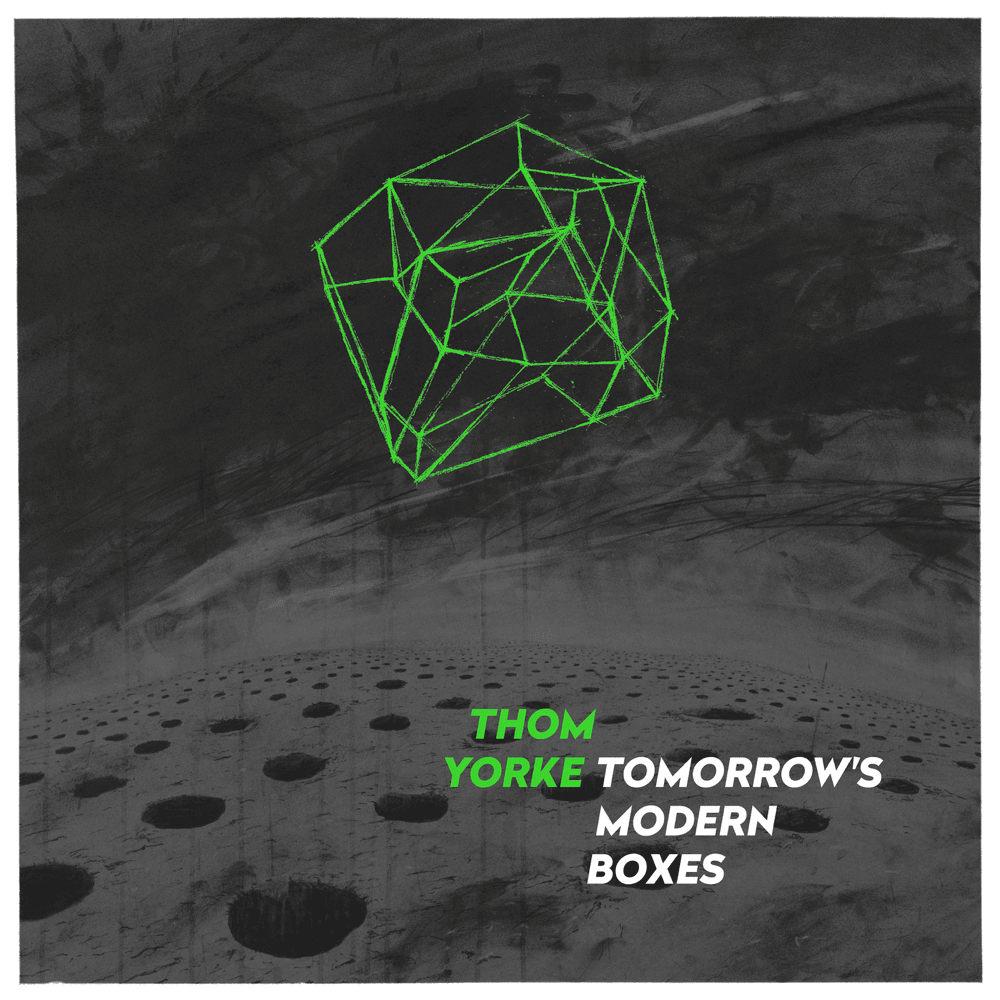
Thom Yorke releases his long-awaited sophomore solo album.
Between the release of Thom Yorke’s debut, 2006’s The Eraser and his sophomore album, Tomorrow’s Modern Boxes, Radiohead had released two more albums and Thom’s supergroup, Atoms for Peace, had released their debut, Amok. Despite the stylistic changes that Yorke had taken in between these two solo albums, Tomorrow’s Modern Boxes doesn’t do a lot different from it’s predecessor, which results in a case of “been there, done that” and some slight complacency, even though 8 years had passed.
Tomorrow’s Modern Boxes is far from a bad album, but for somebody like Thom Yorke, who has such a high pedigree associated with his name, it’s a somewhat underwhelming record in an otherwise stellar discography.
7/10
U2 – Songs of Innocence
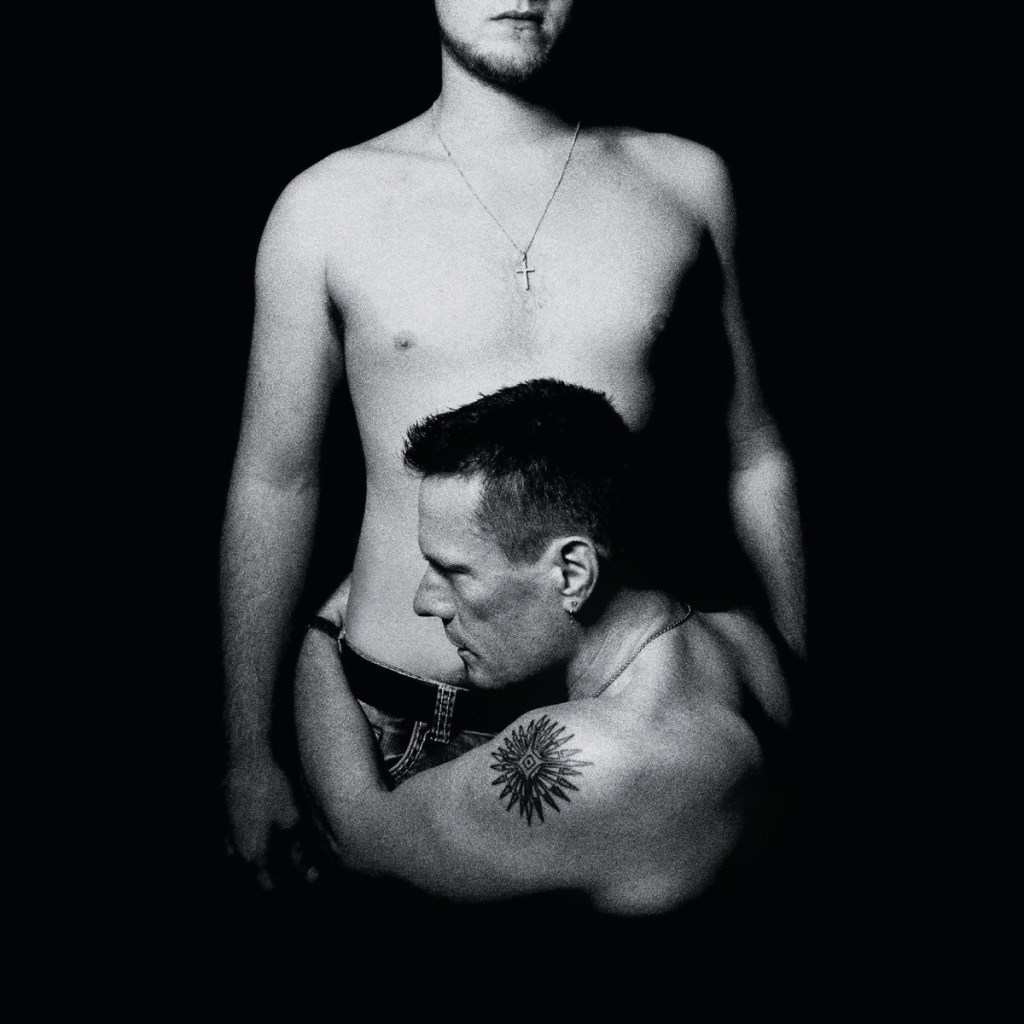
U2 pisses off the entire world by forcing their new album onto their computers.
Controversially, Songs of Innocence was uploaded for free to everyone in the world’s iTunes accounts and while that might initially seem generous, it was impossible to remove without the help of third party software (that has since become discontinued); if you tried to delete the album, it would be back every time you reopened iTunes. For somebody who already had all their albums, this was a kind gesture, but for those who didn’t even like U2 at their best, it was just extra ammunition for their disdain for Bono and the band.
Looking to change things up and modernize their sound, Songs of Innocence is one of U2’s first albums not to use Brian Eno, Daniel Lanois, Steve Lillywhite or Flood (though the latter has a production credit on one track) — instead, U2 opted for Danger Mouse and OneRepublic’s Ryan Tedder, so this album ends up sounding more like a typical mid 2010s pop rock album than anything else. OneRepublic is one of my most disliked bands of the 2010s, so foregoing producers like Eno, Lanois, Flood and Lillywhite for Ryan Tedder is a bit baffling, but I understand U2’s desire to modernize their sound and try something new after diminishing returns with their usual producers.
On Songs of Innocence, the band revisits their past, with songs inspired by their youth in Ireland, though the music is firmly planted in the modern day, creating a bit of a clash between the past and present. Despite the title, The Miracle (of Joey Ramone) doesn’t sound like a tribute to the punk vocalist and instead ends up sounding like a generic mid 2010s pop song, with those horrible a cappella vocals that infested the airwaves by bands like Coldplay, Imagine Dragons and OneRepublic, rather than something by either U2 or Ramones. Bono does these weird nose snorts on Raised By Wolves that sound absolutely horrible, and it’s not helped by a clichéd chorus. Cedarwood Road is one of the better tracks though, thanks to a pleasant melody. The rest of the album was a blur for me.
Songs of Innocence makes albums like How to Dismantle an Atomic Bomb and No Line on the Horizon both look relatively good, and those albums had their share of criticisms and faults. Ryan Tedder and Danger Mouse’s production does U2 no favours and only goes to show how bad the band needs Eno/Lanois, Flood and Lillywhite, but even good production can’t save uninspired songwriting. Songs of Innocence is still very much a U2 album, but it just doesn’t captivate the way the once hungry band once did with masterpieces like War, The Joshua Tree and Achtung Baby. I feel like the only thing that Songs of Innocence will be remembered for is being the album that U2 forced onto everyone’s computers and the one that permanently damaged their reputation with the public.
4/10
Weezer – Everything Will Be Alright in the End
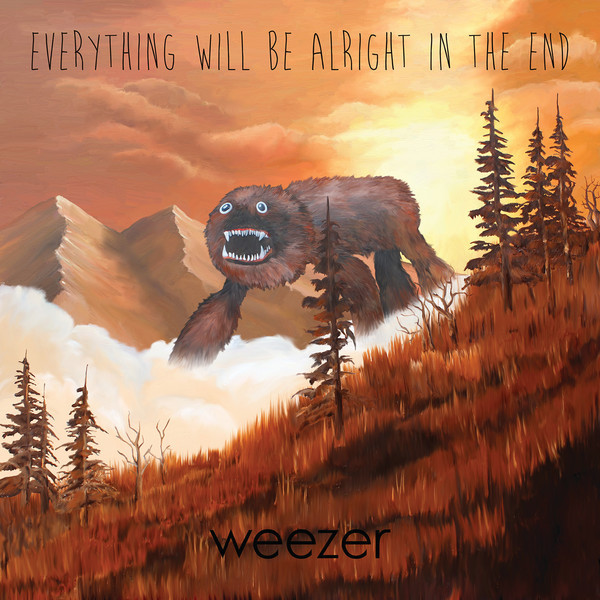
Ric Ocasek returns to produce Weezer once more.
By 2014, many fans had given up on Weezer. Between 2005 and 2010 alone, the band had released five albums, none of which were particularly well-received by fans or critics. Raditude was the worst offender of the lot, although they all represented a problem with Rivers Cuomos’ musical direction and shallow pop songwriting. By bringing Ric Ocasek back into the fold, perhaps Rivers Cuomo would be able to revisit the magic of the Ric Ocasek-produced Weezer (Blue Album) or even just Weezer (Green Album).
For the most part, Everything Will Be Alright in the End is a success and is easily the band’s best work since 2002’s Maladroit, with vintage-sounding Weezer tracks like Ain’t Got Nobody, Back to the Shack and Lonely Girl. It doesn’t recapture the any of the lightning that was present on their debut, nor does it even have an Island in the Sun or Hash Pipe level hit, but it at least has Weezer sounding like Weezer again and not just Rivers Cuomo trying so hard to make some perfect pop song that appeals to everybody, like some sad kid trying to hard to win everybody’s validation. The Ocasek production is also much more colourful than whatever Rick Rubin was doing for Weezer.
7.5/10
FIN
Brett Nippard